




Key Takeaways
- The A20 chip is Apple's first to use 2nm manufacturing technology.
- The A20 chip offers 15% faster CPU performance than the A19.
- Power efficiency is improved by 30% with the A20 chip.
- The enhanced chip enables smoother AI multitasking.
- Users can expect longer battery life during intensive tasks like 4K video editing.
Table of Contents
- iPhone 18 Release Timeline: Why Apple's Splitting Launches
- Full iPhone 18 Lineup Breakdown: 6 Models, New Categories
- A20 Chip Rumors: 2nm Power Boost Explained
- Design Shifts: Foldable iPhone and Display Upgrades
- Camera Rumors: 48MP Dual + 24MP Under-Display Front
- Biometrics and Connectivity: Touch ID Return, C2 Modem
- Battery and Pricing Leaks: Bigger Cells, Steeper Costs
- iPhone 18 Pro vs iPhone 17 Pro: 4 Key Upgrade Points
- iPhone 18 Fold vs Pro Max: Form Factor Face-Off
iPhone 18 Release Timeline: Why Apple's Splitting Launches
Spring 2027: iPhone 18, 18e
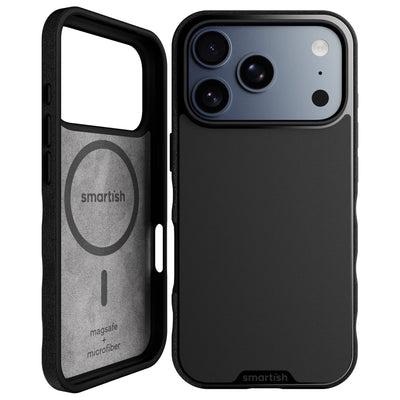
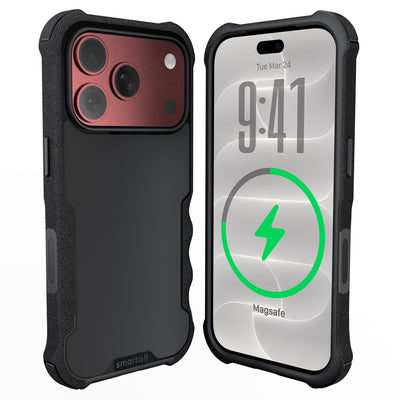
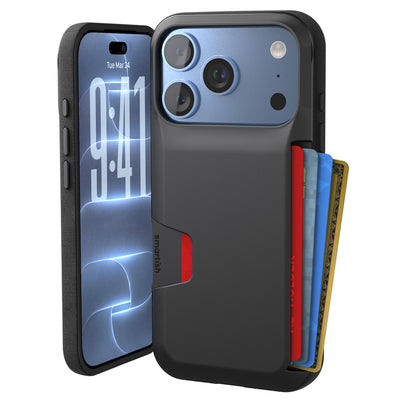
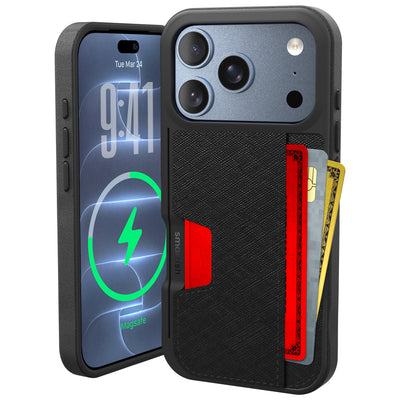
Apple's breaking tradition with the iPhone 18 rumors pointing to a staggered release strategy. Premium models, including the highly anticipated foldable, launch Fall 2026, while standard iPhone 18 and budget 18e arrive Spring 2027. This split eases manufacturing pressure on TSMC's 2nm process and spreads revenue across fiscal quarters. Case add-ons are expected to follow suit, with new designs tailored for each unique form factor.
The timing makes business sense: Pro users upgrade immediately for cutting-edge features, while mainstream buyers get refined hardware six months later. Supply chain analysts suggest this prevents the component shortages that plagued recent launches. If you're planning to accessorize your new device, keep an eye out for compatible case add-ons as soon as the models are announced.
Action steps: Mark September 2026 for Pro announcements (pre-orders typically open one week post-event). Enable Apple notifications in Settings > Notifications > Apple News. Follow @MingChiKuo on X for weekly supply chain intel, he's called the last four launch schedules accurately. For a look back at how previous launches unfolded, check out these iPhone 17 rumors for context on Apple's evolving release strategies.
Full iPhone 18 Lineup Breakdown: 6 Models, New Categories

| Model | Launch Window | Rumored Price | Target User |
|---|---|---|---|
| iPhone 18 | Spring 2027 | $799 | Mainstream upgrade |
| iPhone 18e | Spring 2027 | $599 | Budget-conscious |
| iPhone 18 Air 2 | Fall 2026 | $899 | Ultra-thin seekers |
| iPhone 18 Pro | Fall 2026 | $1,199 | Power users |
| iPhone 18 Pro Max | Fall 2026 | $1,299 | Content creators |
| iPhone 18 Fold | Fall 2026 | $1,899 | Early adopters |
The iPhone 18 rumors suggest Apple's most diverse lineup yet. Spring 2027's standard models focus on refined basics, improved cameras, faster charging, longer battery life. Fall 2026's premium tier pushes boundaries with foldable displays, variable aperture cameras, and under-display biometrics.
This strategy mirrors Samsung's approach: immediate innovation for enthusiasts, proven tech for everyone else. The 18e reportedly uses iPhone 17's A18 chip, keeping costs down while delivering solid performance. For a deeper dive into the previous generation, explore our analysis of the iPhone 17 Pro and how its features set the stage for the iPhone 18 lineup.
Planning tips: Budget-focused? Wait for the 18e's rumored $599 price point. Need cutting-edge features? Prepare for Fall 2026 pre-orders. Use Apple's comparison tool post-announcement to weigh upgrade value against your current device. You can also revisit iPhone 14 rumors to see how Apple's product strategy has evolved over recent cycles.
A20 Chip Rumors: 2nm Power Boost Explained
TSMC's 2nm process powers the rumored A20 chip, delivering 15% faster CPU performance and 30% better efficiency versus the A19. These iPhone 18 rumors point to meaningful real-world improvements: AI tasks like Live Text translation run simultaneously with 4K video editing without thermal throttling.
The efficiency gains translate to practical benefits. Current iPhone 17 Pro users see battery drain during intensive gaming after 30 minutes. The A20's improved heat management should maintain 60fps performance throughout longer sessions while extending overall battery life by 2-3 hours.
Benchmark preparation: Download Geekbench now and run three tests on your current device for baseline comparison. When iPhone 18 reviews drop, you'll have concrete upgrade justification. Optimize your current phone by closing background apps daily, this habit maximizes any new device's performance gains.
The 2nm node shrinks transistors from 3nm, fitting more processing power in the same space. This architectural improvement enables the iPhone 18's rumored advanced AI features without compromising battery life or generating excessive heat. For more on the evolution of Apple's chips and how they compare to previous generations, you might enjoy our iPhone 17 coverage.
Design Shifts: Foldable iPhone and Display Upgrades
The iPhone 18 Fold represents Apple's biggest design leap since the original iPhone. Rumors suggest a 5.3-inch outer display expanding to 7.6 inches when unfolded, measuring just 4.8mm thick. The liquid metal hinge eliminates visible creases, a persistent Android foldable weakness.
Standard iPhone 18 models reportedly ditch the Dynamic Island for punch-hole cameras, enabled by under-display Face ID technology. This change maximizes screen real estate while maintaining security features. Pro models may retain Dynamic Island for enhanced notification management.
The design philosophy shifts toward true pocketability. Current Pro Max models challenge smaller pockets; the Fold's closed form factor matches iPhone 14 dimensions while offering tablet-like functionality when opened.
Preparation steps: Measure your pocket depth now, aim for devices under 10mm thick for comfortable carry. Back up everything to iCloud with a full scan (takes about five minutes).
Camera Rumors: 48MP Dual + 24MP Under-Display Front

iPhone 18 rumors point to a 48MP main sensor paired with an equally sharp 48MP ultrawide, eliminating the quality drop between lenses. The foldable model features a 24MP under-display front camera, hiding the sensor beneath the screen for uninterrupted viewing.
| Camera Type | iPhone 17 Pro | iPhone 18 Pro (Rumored) | iPhone 18 Fold (Rumored) |
|---|---|---|---|
| Main Camera | 48MP, f/1.78 | 48MP, f/1.4-2.8 variable | 48MP, f/1.6 |
| Ultrawide | 12MP, f/2.2 | 48MP, f/2.0 | 48MP, f/2.2 |
| Front Camera | 12MP TrueDepth | 16MP TrueDepth | 24MP under-display |
| Low-light Gain | Baseline | +20% improvement | +15% improvement |
The variable aperture system on Pro models lets photographers control depth of field mechanically, f/1.4 for portraits, f/2.8 for landscapes. This eliminates post-processing guesswork for professional-quality shots straight from the camera.
Top 5 camera improvements:
- Variable aperture eliminates software depth simulation
- 48MP ultrawide matches main sensor quality
- Under-display front camera removes screen interruption
- Enhanced night mode with larger sensor pixels
- Improved camera control button with haptic feedback
Practice now: Use your current iPhone's Portrait mode with manual lighting adjustments (take three shots with different settings). Clean your lens weekly, the improved sensors will highlight any smudges. Update iOS immediately when iPhone 18 launches for optimal camera performance. For more Apple news and updates, visit our news section.
Biometrics and Connectivity: Touch ID Return, C2 Modem
The iPhone 18 fold brings Touch ID back via an integrated power button sensor, similar to the iPad mini design. This dual-authentication approach combines convenience with the fold's unique form factor, unlock while closed using Touch ID, then seamlessly switch to under-display Face ID when opened.
Apple's custom C2 modem debuts across the iPhone 18 lineup, delivering faster 5G carrier aggregation and 20% better battery efficiency compared to Qualcomm chips. Real-world benefits include sustained download speeds in crowded areas and reduced cellular battery drain during extended use.
- Touch ID advantages: Works with masks, gloves, sunglasses
- Face ID advantages: Hands-free operation, works in darkness
- Fold strategy: Both available depending on device state
- Security level: Both maintain 1-in-50,000 false positive rate
Setup preparation: Configure Touch ID preferences in Settings > Touch ID (register two fingers for 30 seconds each). Test your current 5G performance using the Speedtest app three times, comparing results to WiFi for baseline expectations. The C2 modem's efficiency gains become most apparent during video streaming and large file downloads.
Battery and Pricing Leaks: Bigger Cells, Steeper Costs
The iPhone 18 fold packs a massive 5,400-5,800mAh battery, Apple's largest ever, split between both halves of the device. Combined with A20 efficiency improvements, expect all-day performance even with dual-screen usage. Standard models receive modest capacity bumps: 15% larger cells across the lineup.
Pricing reflects the technological leap: foldable models start at $1,800-2,500, while iPhone 18 Pro begins around $1,200. The delayed standard iPhone 18 launch strategy aims to capture premium sales first, then address mainstream markets with more accessible pricing in spring 2027.
Fold: ~5,600mAh | Pro Max: ~4,800mAh | Standard 18: ~3,400mAh
Battery optimization steps: Check your current battery health in Settings > Battery > Last 10 days (aim for >90% maximum capacity). Adopt the 20-80% charging routine for longevity, avoid overnight charging to 100%. Budget-wise, consider saving $50 monthly for 24 months to offset the higher entry costs, or explore trade-in values which typically range $400-600 for recent models. For more on how battery technology has evolved in recent iPhones, you can read about what's poppin' in Apple's next drop.
iPhone 18 Pro vs iPhone 17 Pro: 4 Key Upgrade Points

The iPhone 18 Pro justifies its premium through four substantial improvements over the iPhone 17 Pro. While the 17 Pro remains capable for most users, creators and power users will benefit from the generational leap in processing and camera capabilities.
| Feature | iPhone 17 Pro | iPhone 18 Pro | Real-World Impact |
|---|---|---|---|
| Processor | A18 Bionic (3nm) | A20 Bionic (2nm) | 2x smoother AI multitasking workflows |
| Main Camera | 48MP fixed f/1.78 | 48MP variable f/1.4-2.8 | Professional depth control without editing |
| Display | Dynamic Island | Under-display Face ID | Uninterrupted screen for media consumption |
| Battery Life | Baseline performance | +15% capacity, +30% efficiency | Full day heavy use without charging anxiety |
The upgrade decision hinges on your current iPhone 17 Pro usage patterns. Heavy video editors, photographers requiring manual camera controls, and users running multiple AI applications simultaneously will notice immediate improvements. Casual users can confidently skip this generation without missing essential functionality. For a broader perspective on iPhone launches and industry trends, you can visit MacRumors' iPhone 18 roundup.
Upgrade recommendation: Wait if your iPhone 17 Pro handles daily tasks smoothly. Upgrade if you regularly experience thermal throttling during intensive work or need professional camera controls for content creation.
iPhone 18 Fold vs Pro Max: Form Factor Face-Off
Choosing between the iPhone 18 fold and Pro Max depends on your priority: portability versus proven reliability. The fold offers unprecedented versatility but at a significant price premium and potential durability concerns. For more in-depth analysis and ongoing updates, check out The Verge's iPhone 18 rumors coverage.
| Factor | iPhone 18 Fold | iPhone 18 Pro Max | Best For |
|---|---|---|---|
| Portability | Foldable, compact when closed | Large, traditional slab | On-the-go users vs. content creators |
| Display | 7.6" unfolded, 5.3" outer | 6.9" fixed | Multitaskers vs. media lovers |
| Battery | ~5,600mAh (split) | ~4,800mAh | Heavy users |
| Durability | New hinge tech, more moving parts | Proven design, fewer moving parts | Early adopters vs. reliability seekers |
| Price | $1,899+ | $1,299 | Premium vs. flagship |
Frequently Asked Questions
What are the key performance improvements of the A20 chip compared to the A19 in the iPhone 18?
The A20 chip uses 2nm manufacturing technology, offering 15% faster CPU performance and 30% better power efficiency than the A19. This boost enables smoother AI multitasking and longer battery life during intensive tasks like 4K video editing.
Why is Apple splitting the iPhone 18 launch into two separate events in Fall 2026 and Spring 2027?
Apple is staggering the iPhone 18 launch to ease manufacturing pressure on TSMC's 2nm process and spread revenue across fiscal quarters. Premium models debut in Fall 2026, while mainstream and budget versions arrive in Spring 2027, preventing component shortages and catering to different user segments.
What new design features and camera upgrades can users expect from the iPhone 18 lineup?
The iPhone 18 lineup introduces a foldable design, returns Touch ID, and upgrades to a 48MP dual rear camera alongside a 24MP under-display front camera. Display improvements and new biometric options aim to enhance both usability and photography.
How does the pricing and target audience differ across the six iPhone 18 models?
Prices range from $599 for the budget-friendly iPhone 18e to $1,899 for the foldable model. The lineup targets budget-conscious buyers, mainstream upgraders, ultra-thin seekers, power users, content creators, and early adopters, with each model tailored to specific needs and price points.