



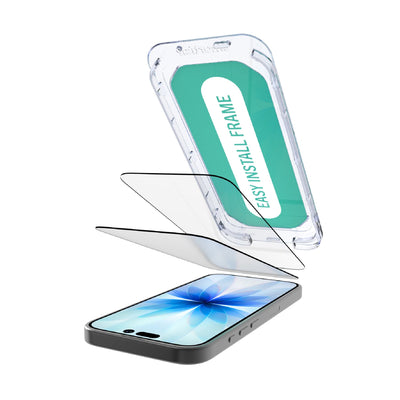

Key Takeaways
- A glass protector shields your phone from surface scratches caused by everyday friction.
- It also protects against impact damage from accidental drops.
- Phone screens are vulnerable to damage from keys, sand particles, and rough surfaces.
- Without protection, scratches and cracks can become permanent and affect screen usability.
Table of Contents
- What Glass Protectors Actually Do (and Why Your Phone Screen Needs One)
- Tempered Glass vs. Other Protector Types, What Actually Matters
- Step-by-Step Installation (The Right Way, No Bubbles Required)
- Choosing the Right Glass Protector for Your Specific Phone
- Glass Protectors and Your Phone Case, Making Them Work Together
- When to Replace Your Glass Protector
- Glass Protectors vs. Phone Case Protection, Do You Need Both?
- Future-Proofing Your Screen Protection Strategy
- Making the Right Glass Protector Choice
What Glass Protectors Actually Do (and Why Your Phone Screen Needs One)
Glass protector serves as your phone's first line of defense against two distinct types of damage: surface scratches from daily friction and impact damage from drops. While your phone's screen might seem durable, it's vulnerable to keys, sand particles, and concrete surfaces that can create permanent scratches or spider-web cracks.
For those with Samsung devices, Galaxy S Series users can find tailored protection solutions that address these vulnerabilities.
Impact Absorption vs. Scratch Prevention
When you drop your phone from desk height, tempered glass distributes the impact force across its surface rather than concentrating it on one point of your phone's display. This absorption prevents the underlying screen from cracking, though the protector itself may sacrifice its integrity in the process, exactly as designed.
Oleophobic Coatings Explained
The oleophobic coating on quality glass protectors repels fingerprint oils and water droplets, keeping your screen readable during commutes, workouts, or outdoor activities. This coating maintains touch sensitivity while reducing the constant need to wipe your screen clean throughout the day.
Tempered Glass vs. Other Protector Types, What Actually Matters

Material choice determines how well your protector performs over months of daily use. Each type offers distinct trade-offs in durability, clarity, and application complexity.
Tempered Glass vs. Plastic (PET) Protectors
Tempered glass offers 9H hardness compared to plastic's 3H rating, meaning it resists scratches from coins, keys, and sand. Plastic protectors feel rubbery under your finger and show scratches within weeks, while tempered glass maintains smooth touch response for months.
If you're looking for a model-specific solution, iPhone 14 users can benefit from tempered glass options designed for their device.
Tempered Glass vs. Liquid Glass
Liquid glass applies like a coating but offers minimal impact protection, it's essentially a temporary scratch-resistant layer that wears off in 3-6 months. Tempered glass provides physical barrier protection that lasts 12-24 months with proper care.
| Material | Hardness Rating | Installation | Lifespan | Best For |
|---|---|---|---|---|
| Tempered Glass | 9H | Moderate | 12-24 months | Complete protection |
| Plastic (PET) | 3H | Easy | 3-6 months | Basic scratch prevention |
| Liquid Glass | Variable | Very easy | 3-6 months | Minimal protection |
Step-by-Step Installation (The Right Way, No Bubbles Required)
Proper installation prevents 90% of common glass protector problems. The key is creating a dust-free environment and working quickly once you start the process.
Pre-Installation Preparation
Clean your screen with the provided alcohol wipe, then immediately follow with the microfiber cloth. Work in a bathroom after running hot water for steam, this settles airborne dust particles. You have approximately 3 minutes after cleaning before dust begins settling on the screen surface.
For more detailed guidance on pairing your iPhone case and screen protector, this article on iPhone case and screen protector compatibility offers helpful tips.
Installation Sequence
Align the protector with your phone's edges before removing the backing film. Once positioned, remove the film and lower the glass from one end to the other in a smooth motion. Use the provided squeegee to smooth from center outward, pushing air bubbles toward the edges.
Installation Gone Wrong? Try This First
Small air bubbles often disappear within 24-48 hours as the adhesive settles. Persistent bubbles indicate dust particles underneath, these require lifting the nearest edge and using compressed air to remove the debris.
Choosing the Right Glass Protector for Your Specific Phone
Phone compatibility extends beyond screen size to include edge curvature, camera placement, and case compatibility. Mismatched protectors create gaps that compromise protection.
Flat Screens vs. Curved Edges
Flat screens like iPhone 17 and iPhone 16 series accept full-coverage glass protectors easily. Curved edge phones require protectors with precise edge cuts to prevent peeling, full-coverage options often fail within weeks on curved displays.
For the latest Apple devices, iPhone 17 users should select protectors designed specifically for their model to ensure a perfect fit.
Camera Lens Protection Needs
Raised camera rings on modern phones create a protective barrier when placed face-down. Separate lens protectors make sense for outdoor work or frequent pocket storage with keys and coins, but aren't essential for typical daily use. For more on this topic, see this guide to iPhone lens protectors.
Case Compatibility Considerations
Measure your case's raised edge height before selecting a protector thickness. Ultra-thin cases pair well with standard 0.33mm protectors, while rugged cases may require thinner 0.26mm options to prevent interference with touch sensitivity around the case edges. Always install your glass protector first, then add your case, this prevents air bubbles from forming when the case presses against protector edges during installation.
Glass Protectors and Your Phone Case, Making Them Work Together

Case Compatibility and Edge Clearance
The raised edges of protective cases can interfere with glass protector adhesion if the protector extends too close to the phone's curved edges. Look for protectors with 0.5mm clearance from screen edges when pairing with cases that have pronounced lip protection. This prevents the frustrating scenario where your case gradually lifts the protector corners over time.
Touch Sensitivity When Layering Protection
Multiple protection layers can reduce screen responsiveness, particularly around gesture areas and fingerprint sensors. Test all touch functions immediately after installing both protector and case, if you notice lag in swipe gestures or fingerprint recognition, the protector may be too thick for your specific case combination. Most quality protectors maintain full touch sensitivity when properly installed, but budget options often sacrifice responsiveness for cost savings.
When to Replace Your Glass Protector
Your glass protector's effectiveness diminishes long before visible damage appears. The oleophobic coating that repels fingerprints typically degrades after 6-8 months of regular use, leaving your screen constantly smudged despite cleaning. This coating breakdown signals the beginning of your protector's decline in performance.
Signs Your Protector Is Losing Effectiveness
Hairline scratches that catch light indicate your protector has absorbed impacts and may not handle the next drop as effectively. More critically, any separation at the edges creates weak points where impacts can transfer directly to your phone's screen. If your protector no longer wipes clean with a dry cloth or shows rainbow-like patterns under certain lighting, the protective layers have begun to separate.
Lifespan Expectations by Usage Pattern
Light users who primarily use their phones indoors can expect 18-24 months from a quality glass protector. Heavy users who frequently place phones face-down on rough surfaces or work outdoors should plan for replacement every 8-12 months. The key indicator isn't time, it's accumulated micro-damage that compromises the protector's ability to absorb future impacts.
Replacement Rule: If you can feel scratches with your fingernail or notice reduced fingerprint scanner accuracy, your protector has served its purpose and needs replacement.
Glass Protectors vs. Phone Case Protection, Do You Need Both?
Glass protectors and phone cases address completely different types of damage, they're complementary, not redundant. A glass protector handles surface-level threats like keys in your pocket, sand particles, and minor face-down drops. Cases absorb structural impacts, protect corners and edges, and distribute force across the phone's body during significant drops.
The Protection Gap Both Solutions Address
Neither solution alone provides complete protection. Cases with raised bezels protect your screen from face-down placement but can't prevent scratches from particles that slip inside the case. Glass protectors resist scratches and minor impacts but offer no protection for your phone's vulnerable corners and back panel. Together, they create overlapping protection zones that cover the most common damage scenarios.
For those with the latest Samsung flagship, Samsung Galaxy S24 users can maximize protection by combining a case and a glass protector designed for their device.
Real-World Protection Scenarios
Consider your daily phone interactions: sliding it across desk surfaces (glass protector territory), dropping it while getting out of your car (case territory), or having it slip from your hand onto concrete (both working together). The glass protector sacrifices itself to prevent screen damage, while the case absorbs and distributes the impact force. This layered approach handles both gradual wear and sudden impacts without adding significant bulk to modern slim cases.
| Protection Type | Glass Protector | Phone Case | Both Together |
|---|---|---|---|
| Surface Scratches | Excellent | Limited | Complete |
| Drop Protection | Minor impacts | Major impacts | All impact levels |
| Corner Protection | None | Excellent | Excellent |
| Screen Clarity | Maintains original | No effect | Maintains original |
Future-Proofing Your Screen Protection Strategy

As phone manufacturers continue pushing toward thinner bezels and more advanced display technologies, glass protector compatibility becomes increasingly nuanced. The iPhone 17 series introduces new camera configurations that require precise cutouts, while foldable phones demand flexible protection solutions that traditional tempered glass can't provide. Understanding these evolving requirements helps you make protection choices that won't become obsolete with your next device upgrade.
Emerging Display Technologies and Protection Challenges
Under-display fingerprint sensors and always-on displays create new variables for glass protector performance. Some protectors interfere with the specific light wavelengths these sensors use, causing authentication failures that weren't issues with traditional home button designs. Additionally, higher refresh rate displays (120Hz and beyond) can reveal touch latency that budget protectors introduce, making premium options more critical for flagship phones. For a deeper dive into the science of screen protection, see this external resource on display technologies and their challenges.
Installation Methods Are Getting Smarter
Alignment frames and UV-curing adhesives are replacing the traditional "peel and stick" method for curved screens and complex camera arrays. These professional-grade installation tools, once limited to repair shops, are becoming consumer-accessible. This evolution means fewer installation failures and better edge adhesion, particularly for phones with curved displays that historically struggled with glass protector compatibility.
Making the Right Glass Protector Choice
The most effective glass protector is one that matches your specific phone model, case preference, and daily usage patterns without compromise. Generic "universal" protectors rarely deliver optimal protection because they can't account for device-specific features like camera placement, sensor locations, and edge curvature. Investing in device-specific protection pays dividends in both performance and longevity.
For more insights on choosing the most protective screen protector for iPhone, check out this in-depth guide.
Viewing Protection as an Investment, Not an Expense
A quality glass protector costs significantly less than a single screen replacement, yet many users opt for the cheapest option available. This approach often leads to installation frustration, reduced functionality, and premature replacement, ultimately costing more than choosing the right protector initially. Factor in the hidden costs of poor protection: reduced resale value, decreased daily usability, and the time spent dealing with installation issues. For additional public health perspectives on mobile device use and screen safety, see this external article on device safety.
The Smartish Approach to Complete Protection
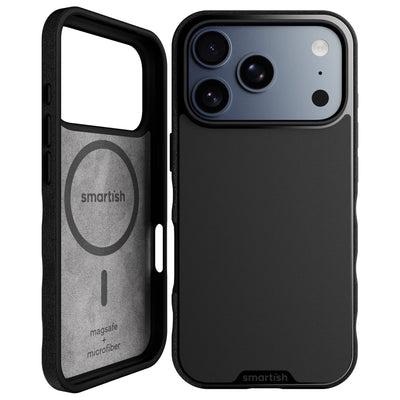
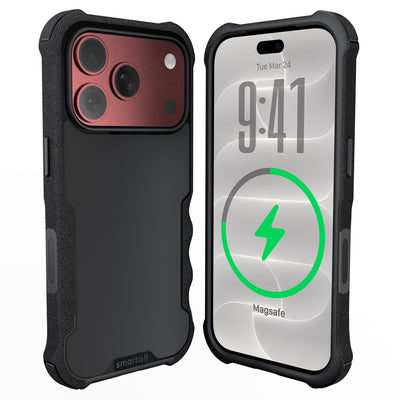
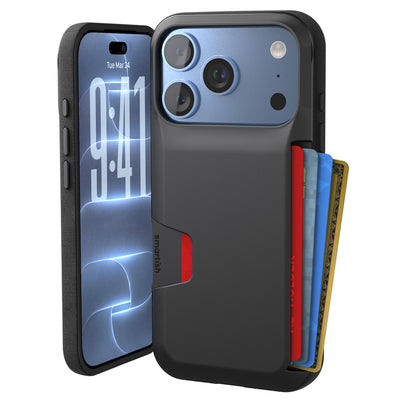
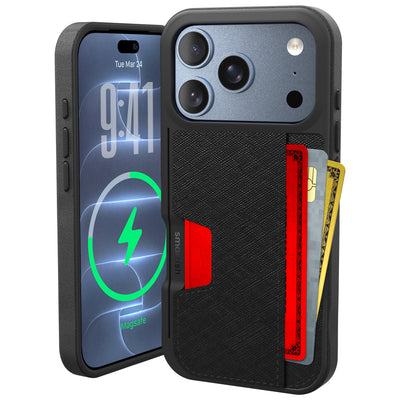
Smartish cases are engineered with glass protector compatibility as a core design principle, ensuring your screen protection works seamlessly with case protection. The raised edges on Gripmunk and Gripzilla cases provide the perfect complement to tempered glass protectors, the case handles impact distribution while the glass protector manages surface protection. This integrated approach eliminates the guesswork of pairing protection solutions and delivers reliable performance across different usage scenarios.
Protection Strategy: Choose your glass protector based on your phone model and intended case, not just price. The right combination provides years of reliable protection without compromising functionality.
Frequently Asked Questions
What are the main benefits of using a tempered glass protector compared to plastic or liquid glass options?
Tempered glass protectors offer superior scratch resistance with a 9H hardness rating, compared to plastic's lower durability. They maintain smooth touch sensitivity and clarity over time, while plastic protectors can feel rubbery and show scratches quickly. Tempered glass also provides better impact absorption to protect your screen from drops.
How does the oleophobic coating on a glass protector help maintain screen cleanliness and touch sensitivity?
The oleophobic coating repels fingerprint oils and water droplets, keeping your screen clearer and easier to read throughout the day. It also helps maintain smooth touch response, reducing the need for constant wiping during commutes or outdoor activities.
What is the proper way to install a glass protector to avoid bubbles and ensure maximum protection?
Start by thoroughly cleaning your screen to remove dust and oils. Align the protector carefully before placing it down gently, allowing it to adhere naturally. Use a soft card or cloth to smooth out any bubbles from the center outward for a clean, bubble-free finish.
How do glass protectors and phone cases work together to provide comprehensive screen protection?
Glass protectors shield your screen from scratches and impact damage, while phone cases protect the phone’s body and absorb shocks. Together, they create a full defense system, cases often have raised edges that complement the protector’s raised screen lip, ensuring your screen stays safe during everyday use and accidental drops.