



Key Takeaways
- The iPhone 17 rumors suggest a highly ambitious launch planned for 2025.
- The ultra-thin Air model is expected to replace the Plus version.
- All iPhone 17 models may feature 120Hz displays.
- These updates are anticipated to significantly change daily phone usage.
Table of Contents
- iPhone 17 Release Date & Pre-Order Timeline: Launch Details at a Glance
- All the iPhone 17 Rumors Explained: What's (Probably) Coming and Why It Matters
- Meet the Family: iPhone 17 Lineup Breakdown and Who Each Is For
- Design & Build Changes in the iPhone 17: Slimmer, Stronger, and Seriously Snazzy
- Get a Closer Look: iPhone 17 Display Tech and How It Changes Everything You Watch & Do
- Camera Upgrades: iPhone 17 Shoots for the Moon (and Your Feed)
- Under the Hood: iPhone 17 Performance, Battery, and Connectivity Upgrades
- iOS 26 on iPhone 17: What's New, What's Better, and How to Set Up
- iPhone 17 Model Comparison: Spec-by-Spec Showdown
iPhone 17 Rumors: Everything You Need to Know for 2025
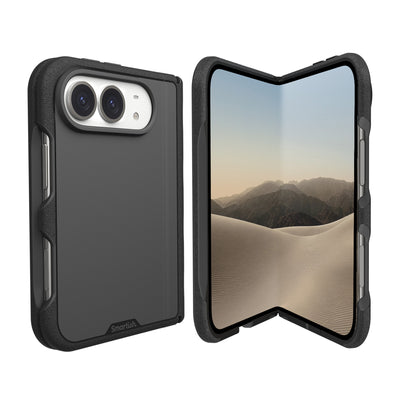
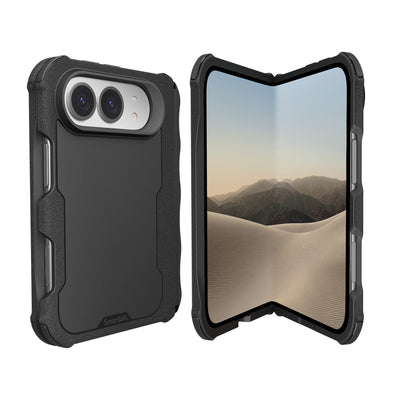
The iPhone 17 rumors are heating up, and 2025 is shaping up to be Apple's most ambitious launch yet. From the ultra-thin Air model replacing the Plus to 120Hz displays across the entire lineup, these aren't just incremental updates, they're game-changers that'll reshape how you use your phone daily. Gripmunk and Gripzilla cases are expected to be among the first to fit the new iPhone 17 form factors, offering slim yet protective options for early adopters.
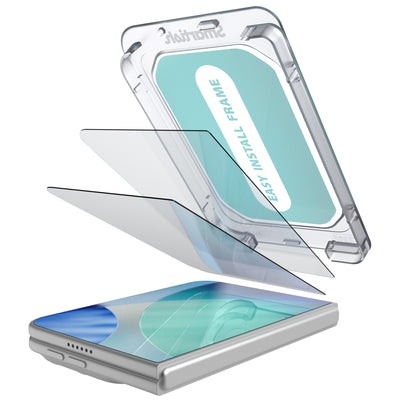
Whether you're planning to upgrade or just curious about what's coming, we've gathered every credible leak, analyzed the specs that matter, and broken down which model fits your lifestyle. Plus, we'll show you how to protect your investment with cases designed specifically for the iPhone 17's new dimensions. If you're looking for screen protection, don't miss the latest screen protectors tailored for next-gen iPhones.
For a deeper dive into the latest developments, check out this comprehensive overview of iPhone 17 rumors and leaks on our blog.
iPhone 17 Release Date & Pre-Order Timeline: Launch Details at a Glance
- Launch Event: September 9, 2025, at Apple Park
- Pre-orders: September 12, 2025 (5 AM PT)
- Retail Release: September 19, 2025
- iOS 26 debuts alongside iPhone 17
Apple's sticking to their tried-and-true September schedule, with the iPhone 17 following the same pattern as previous launches. Pre-orders typically open the Friday after the announcement, giving you exactly one week to decide which model you want.
Here's your pre-order game plan: Set up your payment method and shipping address in the Apple Store app beforehand. High-demand models (especially the new Air and Pro Max) sell out fastest, often pushing delivery dates into October or November. Pro tip: carrier stores and authorized retailers sometimes have different inventory, so check multiple sources if your preferred model shows delays. For more details on timing and availability, see our in-depth guide to the iPhone 17 release date.
After placing your order, expect shipping notifications 1-2 days before launch. Apple's gotten incredibly efficient at coordinating deliveries to arrive on release day, but rural areas might see slight delays.
All the iPhone 17 Rumors Explained: What's (Probably) Coming and Why It Matters

The iPhone 17 rumors center around three major shifts: the introduction of an ultra-thin Air model, 120Hz displays for all models (not just Pro), and a complete camera system overhaul with 24MP front cameras across the board.
These rumors come from Apple's supply chain partners, CAD file leaks, and veteran tech journalists with proven track records. The most reliable sources, Ming-Chi Kuo, Mark Gurman, and leaked component photos, all point to the same core changes, making these predictions highly credible.
| Rumor | Credibility | Why It Matters |
|---|---|---|
| iPhone 17 Air (6.25mm thin) | High | Lightest iPhone ever for on-the-go users |
| 120Hz on all models | Very High | Smoother scrolling and gaming for everyone |
| 24MP front cameras | Confirmed | Sharper selfies and video calls |
| Rectangular camera bump | Medium | Better lens protection, new case designs needed |
What makes 2025 different is Apple's willingness to cannibalize their own lineup. The Air threatens to make the base model less appealing, while giving all models 120Hz eliminates a key Pro differentiator. It signals Apple's confidence in other premium features to justify Pro pricing.
Meet the Family: iPhone 17 Lineup Breakdown and Who Each Is For
Apple's shaking up the iPhone 17 lineup with four distinct models, each targeting specific user needs. The biggest change? The iPhone 17 Air replaces the Plus, offering an ultra-thin design at 6.25mm thick, thinner than the original iPhone. For a closer look at this new model, read our detailed breakdown of the iPhone 17 Air and what sets it apart.
iPhone 17 (Base) - The Everyday Essential
Best for: First-time iPhone buyers, casual users, anyone wanting core iPhone features without premium pricing. Gets the new 120Hz display and 24MP front camera, making it a solid all-arounder.
iPhone 17 Air - The Ultra-Portable
Best for: Frequent travelers, minimalists, anyone tired of phone bulk. Single rear camera keeps costs down while the impossibly thin profile fits anywhere. Perfect for Owen types who need gear that keeps up with active lifestyles.
iPhone 17 Pro - The Creative Powerhouse
Best for: Content creators, photography enthusiasts, power users. Triple camera system, ProRAW capabilities, and advanced video features justify the premium. Ideal for Mommy Blogger types documenting family life.
iPhone 17 Pro Max - The Everything Device
Best for: Tech Enthusiast Ted types who want every feature, professionals using their phone as a primary work tool, anyone prioritizing battery life above all else.
- Value seeker: Base iPhone 17
- Ultra-portable: iPhone 17 Air
- Content creator: iPhone 17 Pro
- Power user: iPhone 17 Pro Max
Design & Build Changes in the iPhone 17: Slimmer, Stronger, and Seriously Snazzy
The iPhone 17 rumors point to Apple's most dramatic design shift since the iPhone X. The standout change is the rectangular camera bump replacing the current square design, with horizontal alignment on Pro models and vertical on base versions. The Air model steals the show at just 6.25mm thick, making it thinner than the original iPhone.
Material science gets interesting with Pro models switching from titanium back to aluminum, specifically an aluminum-glass hybrid that promises better heat dissipation and lighter weight. New colorways include a striking orange-copper finish and deep navy blue, following Apple's trend toward bolder, more distinctive shades.
| Model | Thickness | Material | Colors | Camera Layout |
|---|---|---|---|---|
| iPhone 17 | 7.8mm | Aluminum | 5 options including orange | Vertical rectangular |
| iPhone 17 Air | 6.25mm | Aluminum-glass hybrid | 4 premium finishes | Single lens, minimal bump |
| iPhone 17 Pro | 8.2mm | Aluminum-glass hybrid | 4 options including navy | Horizontal rectangular |
| iPhone 17 Pro Max | 8.2mm | Aluminum-glass hybrid | 4 options including navy | Horizontal rectangular |
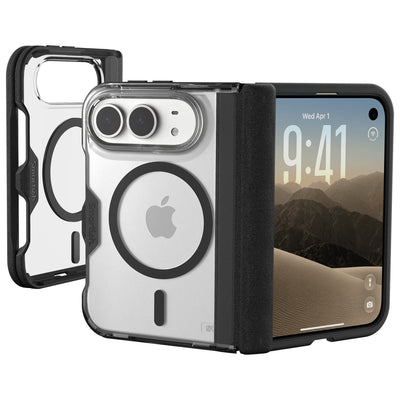
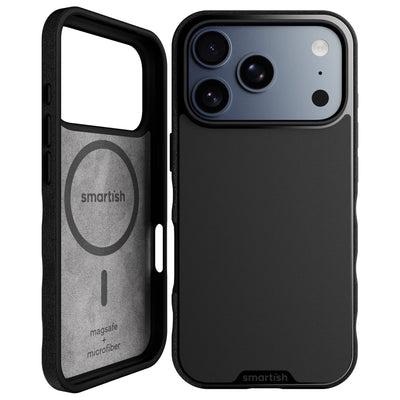
The ultra-thin Air raises durability questions, remember "bendgate"? Apple's reportedly addressing this with internal reinforcement ribs and the new aluminum-glass hybrid construction. Still, protection becomes crucial. Cases need precise engineering to maintain the Air's slim profile while providing meaningful drop protection. If you want to keep your new device safe and stylish, consider MagSafe-compatible cases for the iPhone 17 lineup.
Get a Closer Look: iPhone 17 Display Tech and How It Changes Everything You Watch & Do

For the first time ever, every iPhone 17 model gets a 120Hz ProMotion display. This means buttery-smooth scrolling, responsive gaming, and adaptive refresh rates that save battery by dropping to 1Hz when viewing static content. The democratization of 120Hz across the lineup represents Apple's biggest display upgrade since Retina.
Pro models introduce anti-reflective matte displays, reducing glare by up to 75% compared to current models. Combined with increased peak brightness reaching 2000 nits outdoors, these screens remain usable in direct sunlight. The Air maintains a glossy finish but gains the same brightness improvements.
Screen sizes remain consistent with current models: 6.1" for base and Air, 6.3" for Pro, and 6.9" for Pro Max. The real upgrade lies in display quality, improved color accuracy, better HDR performance, and more precise touch response thanks to the higher refresh rate.
- Enable "Limit Frame Rate" in Settings > Accessibility for better battery life
- Use "Reduce White Point" for comfortable late-night viewing
- Set "Auto-Brightness" off initially to experience the full 2000-nit capability
Camera Upgrades: iPhone 17 Shoots for the Moon (and Your Feed)
The iPhone 17 rumors reveal Apple's most significant camera leap in years, starting with 24MP front-facing cameras across all models, doubling the current 12MP resolution. This upgrade transforms selfies, video calls, and content creation with sharper detail and better low-light performance. For a full breakdown of the flagship's camera system, see our article on the iPhone 17 Pro Max and its advanced photography features.
The Air keeps things simple with a single 48MP rear camera, while Pro models add a new 48MP telephoto lens alongside improved main and ultra-wide sensors. The real game-changer is dual video recording, simultaneously capturing front and rear cameras for content creators documenting their reactions alongside the action.
Night mode sees major improvements with larger sensors and computational photography advances. The Pro models gain enhanced ProRAW capabilities and 8K video recording, though file sizes will be massive. Portrait mode expands to include pets and objects, not just people.
| Camera Feature | Base | Air | Pro | Pro Max |
|---|---|---|---|---|
| Front Camera | 24MP | 24MP | 24MP | 24MP |
| Main Rear | 48MP | 48MP | 48MP | 48MP |
| Telephoto | None | None | 48MP (3x) | 48MP (5x) |
| Dual Video | Yes | Yes | Yes | Yes |
| 8K Recording | No | No | Yes | Yes |
- Open Camera app and swipe to Video
- Tap the dual-camera icon (two overlapping circles)
- Choose picture-in-picture or side-by-side layout
- Hit record, both cameras capture simultaneously
Under the Hood: iPhone 17 Performance, Battery, and Connectivity Upgrades
The A19 and A19 Pro chipsets power the iPhone 17 lineup with significant performance gains. Built on an advanced 3nm process, these chips deliver up to 20% faster CPU performance and 25% better GPU efficiency compared to the A18 series. The neural engine sees the biggest jump, nearly doubling machine learning performance for enhanced camera processing and Siri responses.
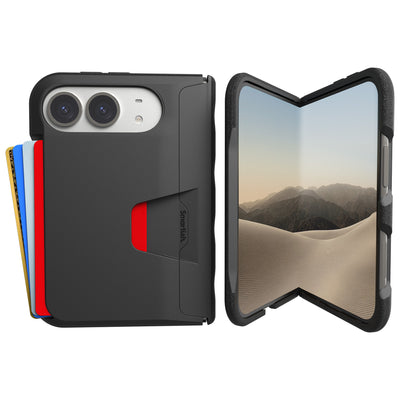
RAM gets a substantial boost across the board. Base and Air models jump to 8GB, while Pro models pack 12GB, matching many laptops. This extra memory enables true desktop-class multitasking, keeps more apps active in the background, and supports the advanced AI features coming in iOS 26. For those who want to keep their essentials together, the Wallet Slayer Vol 1 case is a convenient way to combine phone protection and wallet functionality.
Vapor chamber cooling debuts in Pro models, using a liquid-filled chamber to dissipate heat more effectively than traditional heat pipes. This means sustained performance during intensive tasks like 8K video recording or extended gaming sessions without thermal throttling.
Battery capacity increases modestly, the Air sacrifices some battery life for its ultra-thin profile, while the Pro Max pushes toward all-day heavy usage with a rumored 4,500mAh cell. Charging speeds remain at 27W wired and 15W MagSafe, but improved efficiency means faster 0-80% charging times. For more on how future mobile devices are evolving, see this overview from NIST on advanced communications technology and future mobile devices.
- Turn off "Background App Refresh" for unused apps
- Enable "Low Power Mode" when battery drops below 20%
- Disable "Hey Siri" if you don't use voice commands
- Set screen timeout to 30 seconds instead of 1 minute
- Use Wi-Fi over cellular when possible
iOS 26 on iPhone 17: What's New, What's Better, and How to Set Up

iOS 26 launches exclusively with the iPhone 17, bringing redesigned widgets that adapt based on usage patterns, enhanced privacy controls that show real-time data tracking attempts, and a completely rebuilt Camera app interface optimized for the new dual video features.
The setup process streamlines with Quick Start 2.0, simply place your old iPhone next to the new one and the entire migration happens wirelessly in under 10 minutes for most users. Face ID and Touch ID data transfer directly, eliminating the need to re-register biometrics.
New users get an interactive tutorial highlighting iPhone 17-specific features like 120Hz display benefits and camera improvements. The first-time setup walks through privacy settings more thoroughly, giving granular control over app permissions and data sharing.
Setup in 5 Steps:
- Power on and follow the welcome screen prompts
- Place old iPhone nearby for Quick Start transfer
- Choose "Transfer All Data" for complete migration
- Set up Face ID during the guided tutorial
- Review privacy settings, customize app permissions immediately
Common migration hiccups include Wi-Fi timeouts during large data transfers and apps that need manual re-login. Keep both devices plugged in during setup and ensure strong Wi-Fi connectivity. If transfer stalls, restart both phones and try again, the process resumes where it left off. For a historical perspective on iPhone evolution, see the Wikipedia entry on iPhone.
iPhone 17 Model Comparison: Spec-by-Spec Showdown
The iPhone 17 lineup offers four distinct choices, each targeting different user priorities. The base model balances features and affordability, while the Air prioritizes portability above all else. Pro models cater to power users and content creators who demand maximum capability. For those interested in wallet-style protection for the upcoming generation, explore the latest wallet cases for iPhone 16, a preview of what's likely coming for iPhone 17.
| Feature | iPhone 17 | iPhone 17 Air | iPhone 17 Pro | iPhone 17 Pro Max |
|---|---|---|---|---|
| Display | 6.1" 120Hz | 6.1" 120Hz | 6.3" 120Hz (matte) | 6.9" 120Hz (matte) |
| Chipset | A19 | A19 | A19 Pro | A19 Pro |
| RAM | 8GB | 8GB | 12GB | 12GB |
| Front Camera | 24MP | 24MP | 24MP | 24MP |
| Main Rear Camera | 48MP | 48MP | 48MP | 48MP |
| Telephoto | None | None | 48MP (3x) | 48MP (5x) |
| Battery | ~3,200mAh | ~2,800mAh | ~4,000mAh | ~4,500mAh |
| Charging | 27W wired / 15W MagSafe | 27W wired / 15W MagSafe | 27W wired / 15W MagSafe | 27W wired / 15W MagSafe |
| Thickness | 7.8mm | 6.25mm | 8.2mm | 8.2mm |
| Special Features | Dual video, improved Night mode | Ultra-thin, dual video | Triple camera, vapor chamber cooling, 8K video | Largest display, best battery, 8K video |
Frequently Asked Questions
What are the expected release date and pre-order timeline for the iPhone 17?
The iPhone 17 is expected to launch on September 9, 2025, with pre-orders starting September 12 at 5 AM PT. Retail availability will follow on September 19, 2025.
How will the new ultra-thin Air model differ from the previous Plus version?
The ultra-thin Air model will replace the Plus version, offering a slimmer and lighter design while maintaining a large display. This change aims to deliver a more streamlined and modern feel without sacrificing screen size.
Will all iPhone 17 models feature 120Hz displays, and how will this impact daily usage?
Yes, all iPhone 17 models are rumored to have 120Hz displays, which means smoother scrolling, more responsive touch interactions, and an overall more fluid experience for gaming, browsing, and video playback.
What major camera and design upgrades can users expect with the iPhone 17?
Users can expect stronger, slimmer designs with improved durability and raised camera rings for better lens protection. Camera upgrades aim to enhance photo and video quality, pushing the boundaries of mobile photography and social sharing.