




Key Takeaways
- The Dynamic Island allows users to monitor multiple activities simultaneously on their iPhone.
- Users can keep track of a timer while managing an active phone call without switching apps.
- The feature enables tracking of Uber arrival times alongside accessible music controls.
- Each section of the Dynamic Island operates independently for specific controls.
- Tapping different sides of the Dynamic Island provides direct access to corresponding functions like timer and call management.
Table of Contents
- Dynamic Island in Plain English: What It Is and Why It Exists
- Under the Hood: How Dynamic Island Animations and Interactions Work
- Live Activities and Dynamic Island: Real-Time Info at a Glance
- How to Use Dynamic Island for Everyday Stuff (Step-by-Step Guides)
- Customizing and Controlling What Shows in Dynamic Island
Dynamic Island in Plain English: What It Is and Why It Exists
The Design Idea Behind Dynamic Island
Rather than hiding the camera cutout, the dynamic island embraces it as functional real estate. This represents a shift from treating hardware limitations as something to minimize toward making them genuinely useful. The animations and interactions turn what was once dead space into an active part of your workflow.
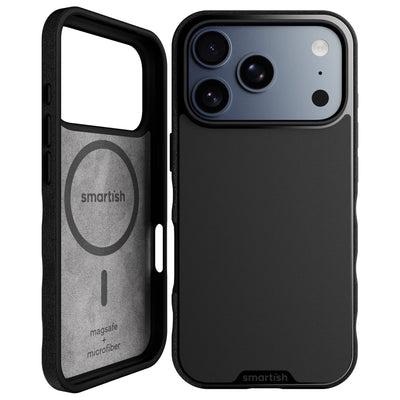
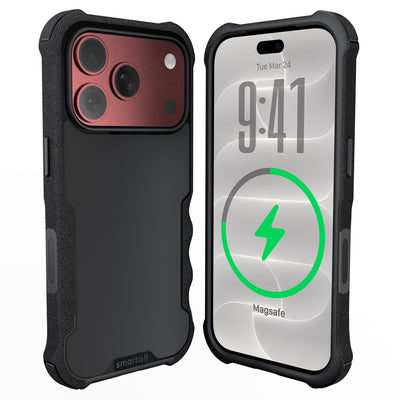
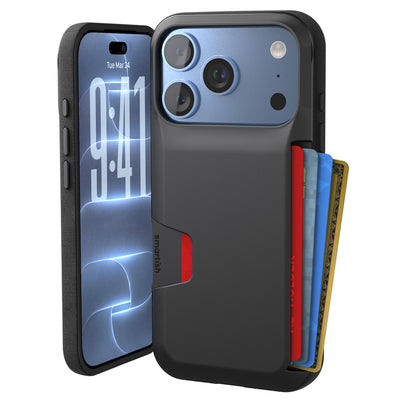
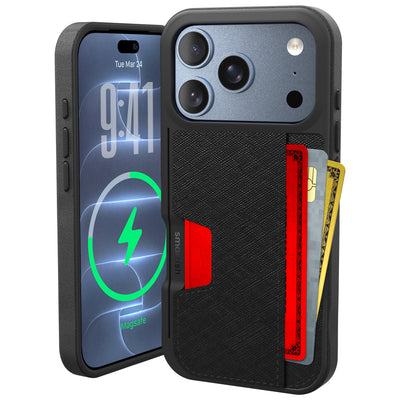
Real-world scenarios show its value: Start a playlist in Spotify, then switch to Messages, your music controls float at the top, letting you skip tracks without interrupting your conversation. Order a rideshare and the ETA stays visible while you finish packing. Set a cooking timer and watch the countdown shrink as you follow a recipe in another app. If you're upgrading to an iPhone with Dynamic Island, it's also a great time to pick up a MagSafe-compatible case. Every iPhone that supports Dynamic Island also supports MagSafe, making accessories like Gripmunk for slim everyday protection or Side Hustle, Vault, and Flip MagSafe wallets a natural complement to your new device.
For more insights on the latest iPhone models and their features, you might enjoy reading the iphone 17 blog for up-to-date news and tips.
Which iPhones Have Dynamic Island Support?
| iPhone Model | Dynamic Island Support |
|---|---|
| iPhone 14 Pro / 14 Pro Max | Yes |
| iPhone 15 (all models) | Yes |
| iPhone 16 (all models) | Yes |
| iPhone 17 (all models) | Yes |
| iPhone 14 / 14 Plus | No |
| iPhone 13 and older | No |
You need iOS 16 or later to access basic dynamic island features, with additional capabilities rolling out through iOS 18. Older models can't gain this functionality through software updates alone, it requires the specific TrueDepth camera arrangement and display technology found in supported devices.
What Can You Actually Do With Dynamic Island?
Dynamic Island is designed to keep important information front and center without interrupting what you're doing. Instead of constantly switching between apps, you can monitor live activities and quickly access controls from the top of your screen.
Some of the most popular ways people use Dynamic Island include:
- 🎵 Controlling music and podcasts
- ⏱️ Watching timers while cooking or working out
- 🚗 Tracking Uber and Lyft arrivals
- 🍔 Following food deliveries from DoorDash or Uber Eats
- 🗺️ Viewing turn-by-turn navigation in Apple Maps
- 📞 Managing phone calls and FaceTime
- ⚽ Keeping up with live sports scores
- ✈️ Tracking flights and travel updates
- 🎙️ Monitoring Voice Memos and screen recordings
The more you multitask throughout the day, the more useful Dynamic Island becomes.
Why Dynamic Island Looks Different From the Notch
Unlike the notch found on older iPhones, Dynamic Island turns the area around the front-facing camera and Face ID sensors into an interactive part of the display. Instead of simply hiding the hardware, Apple designed Dynamic Island to display live information like timers, navigation, music playback, and incoming calls without blocking what you're doing on your screen.
The feature blends hardware and software together, making everyday tasks feel faster and more convenient while keeping important updates just a tap away.
Under the Hood: How Dynamic Island Animations and Interactions Work

How to Use Dynamic Island
Using Dynamic Island is simple once you know the basic gestures:
- Tap the Dynamic Island to jump back into the app that's currently using it.
- Press and hold to expand it and access quick controls, like pausing music or viewing more information.
- Use split view when two Live Activities are running at the same time, allowing you to manage each independently.
These quick interactions make it easy to multitask without constantly switching between apps.
Main Interaction Patterns You'll Use Every Day
Three core gestures handle most dynamic island interactions: tap to expand and collapse, long-press (hold for about half a second) for detailed controls, and swipe gestures for dismissing or transferring activities. These work consistently across different apps and system functions.
Daily examples include quickly pausing a song with a single tap, long-pressing a timer to adjust or stop it, and tapping an incoming call banner to jump into the Phone app. The key is that these actions happen without leaving your current app, you stay in context while managing background activities.
What Can Appear in Dynamic Island? (System Activities Overview)
Core system activities that show up in the dynamic island include:
- Phone calls and FaceTime sessions
- Music and podcast playback controls
- Timers, alarms, and screen recording indicators
- Navigation and turn-by-turn directions
- Wallet notifications (payments, transit passes, tickets)
- AirDrop transfers, hotspot status, and accessory connections
These fall into three categories: background activities (ongoing tasks like music), alerts (incoming calls or notifications), and controls (pause/play buttons or timer adjustments). The system prioritizes based on urgency and user interaction patterns.
Split Dynamic Island: Handling More Than One Thing at a Time
When multiple activities run simultaneously, the dynamic island can split into two smaller areas, one on each side of the camera cutout. This means you can monitor a timer while staying on top of an active phone call, or keep track of your Uber's arrival time while music controls remain accessible. Each mini-island responds independently, tap the left side to control your timer, tap the right to manage your call.
The system intelligently prioritizes which activities get space based on urgency and user interaction. Active calls typically claim more visual real estate than background music, while time-sensitive notifications like navigation directions will expand to ensure visibility.
For more tips on maximizing your iPhone's multitasking abilities, check out the Our Thoughts section for the latest updates and guides.
Live Activities and Dynamic Island: Real-Time Info at a Glance
What Are Live Activities, Exactly?
Live Activities are persistent, updating information tiles that keep you connected to ongoing events without constantly opening apps. Unlike standard notifications that deliver one-time alerts, Live Activities refresh automatically with real-time data, think of them as mini dashboards for things happening right now.
These activities appear in two key places: as widgets on your Lock Screen and as interactive elements within the dynamic island. The Lock Screen version gives you at-a-glance updates when your phone is idle, while the Dynamic Island version keeps information accessible while you're actively using other apps.
How Live Activities Work Inside Dynamic Island
When an app starts a Live Activity, like beginning a workout, ordering food, or tracking a flight, it can push real-time updates to the dynamic island without interrupting your current task. The information refreshes automatically based on the app's data feed, typically updating every few seconds to minutes depending on the activity type.
These activities remain active until their natural conclusion (timer ends, delivery arrives, flight lands) or until you manually dismiss them. The system manages multiple Live Activities intelligently, showing the most relevant information in the compact pill and allowing you to expand for full details.
Examples of Live Activities You'll Actually Use
Food delivery apps show your order status, estimated arrival time, and driver location directly in the compact pill. Tap to expand and see the full order details, driver contact information, and real-time map tracking, all without leaving your current app.
Sports apps deliver live scores, quarter progress, and key plays as they happen. During March Madness or playoff season, you can monitor your team's performance while working, texting, or browsing, with score updates appearing instantly in the pill.
Ride-sharing services display pickup ETAs, driver details, and vehicle information. The compact view shows arrival time and car details, while the expanded view reveals the full map, driver contact options, and trip specifics.
Best Apps That Support Dynamic Island
While Apple's built-in apps make great use of Dynamic Island, many third-party apps also support Live Activities to keep important information visible in real time.
Some of the most popular apps include:
Apple Music, Spotify, Apple Maps, Uber, Lyft, DoorDash, Uber Eats, Flighty, ESPN, MLB, Voice Memos, Phone, and FaceTime.
As more developers adopt Live Activities, the list of supported apps continues to grow.
Lock Screen vs Dynamic Island for Live Activities
| Feature | Lock Screen Live Activities | Dynamic Island Live Activities |
|---|---|---|
| Visibility | Only when phone is locked/idle | Visible while using any app |
| Information Density | More detailed, widget-like display | Compact pill with expandable details |
| Interaction Style | Tap to open full app | Tap/long-press for quick controls |
| Best Use Cases | Passive monitoring, overnight tracking | Active multitasking, quick glances |
| Screen Real Estate | Dedicated widget space | Minimal footprint at top edge |
The Lock Screen excels for passive monitoring, checking your workout progress between sets or glancing at flight updates while waiting. The dynamic island shines during active phone use, keeping essential info visible while you text, browse, or work in other apps.
How Third-Party Apps Plug Into Live Activities
Developers must specifically implement Live Activities support using ActivityKit, which explains why some apps show real-time updates in the dynamic island while others don't. Apps need to define what information to display, how often to update it, and what actions users can take directly from the compact interface.
Categories with strong Live Activities support include sports and news apps (ESPN, The Athletic), travel and transportation (airline apps, Uber, Lyft), food delivery (DoorDash, Uber Eats), and productivity tools (Toggl, Pomodone). The implementation quality varies, some apps offer rich, interactive experiences while others provide basic status updates.
For official guidance on how Live Activities work with Dynamic Island, see Apple's support documentation for step-by-step instructions.
How to Turn Live Activities On or Off
Most Dynamic Island experiences rely on Live Activities, which are enabled by default on supported iPhones. If you aren't seeing updates, you can check your settings by going to:
Settings → Face ID & Passcode → Live Activities
You can also control notification permissions for individual apps under Settings → Notifications to decide which apps can display information in Dynamic Island.
How to Use Dynamic Island for Everyday Stuff (Step-by-Step Guides)
Music and Podcasts: Your Mini Now Playing Hub
When playing music or podcasts, the dynamic island displays album artwork, track titles, and audio waveform animations. The compact pill shows essential playback info, while expanding reveals full transport controls including play/pause, skip, and scrub bar.
- Start playback in any music app (Music, Spotify, Overcast)
- Notice the compact pill displaying album art and track info
- Tap once to expand and access play/pause/skip controls
- Long-press for additional options like AirPlay or volume control
- Tap outside the expanded area to return to compact view
For creative gift ideas for music lovers and iPhone users, explore the gifts for the fitness fanatic guide for inspiration.
Customizing and Controlling What Shows in Dynamic Island
Can You Turn Off Dynamic Island? Here's the Honest Answer
Quick Answer: You can't remove the Dynamic Island hardware, but you can control which apps and activities appear there through notification and Live Activities settings.
The dynamic island is integrated into the hardware design and core iOS interface, making complete removal impossible. However, you maintain granular control over which notifications, Live Activities, and system alerts can populate the space.
What you can control: app-specific notifications, Live Activities permissions, Focus mode filters, and system alert types. What you can't control: the physical pill shape and core system functions like calls and screen recording indicators.
For developers interested in integrating their apps with Dynamic Island, Apple's official documentation provides technical details and best practices.
Why Isn't Dynamic Island Working?
If Dynamic Island isn't showing updates as expected, try these troubleshooting tips:
- Update your iPhone to the latest version of iOS.
- Make sure Live Activities are enabled in Settings.
- Check that the app supports Dynamic Island.
- Verify notification permissions for the app.
- Restart your iPhone if Live Activities stop updating.
Most issues are caused by app settings rather than the Dynamic Island feature itself.
Tuning Notifications So the Island Isn't Too Chatty
Navigate to Settings → Notifications to customize which apps can send alerts to the dynamic island. For more fun updates and behind-the-scenes stories, check out the guest posts section on our blog.
Frequently Asked Questions
What is the purpose of the Dynamic Island on supported iPhone models?
The Dynamic Island turns the camera cutout into a functional space that displays notifications, alerts, and live activities. It helps users monitor multiple tasks at once without switching apps, making the iPhone experience smoother and more interactive.
Which iPhone models support the Dynamic Island feature and what software is required?
Dynamic Island is supported on iPhone 14 Pro and Pro Max, all iPhone 15, 16, and 17 models. It requires iOS 16 or later, with additional features introduced in iOS 18. Older models do not support it due to hardware limitations.
How does the Dynamic Island manage multiple activities simultaneously and what are some practical use cases?
Dynamic Island divides its space into independent sections, each controlling a specific activity. For example, you can track a timer while managing a phone call, monitor Uber arrival times alongside music controls, and tap different sides to access corresponding functions directly.