




Key Takeaways
- Your iPhone 16 needs a case protector that offers real protection, not just style.
- The right case can safeguard your phone from everyday drops effectively.
- Look for additional features like MagSafe compatibility, wallet storage, or kickstands.
- Choose a case that fits your lifestyle without getting overwhelmed by marketing claims.
Table of Contents
- What Is an iPhone 16 Case Protector & Why It Actually Matters
- Types of iPhone 16 Case Protectors (And Who They're For)
- iPhone 16 Case Materials: Feel, Durability & Protection
- Protection 101: Drop Ratings, Edges, and Camera Coverage
- MagSafe & Wireless Charging With an iPhone 16 Case Protector
- How to Choose the Right iPhone 16 Case Protector for Your Lifestyle
- Real-World Scenarios: Best iPhone 16 Case Protector Setups
- How to Install, Remove & Care for Your iPhone 16 Case Protector
iPhone 16 Case Protector: How to Choose the Right One (Without Overthinking It)
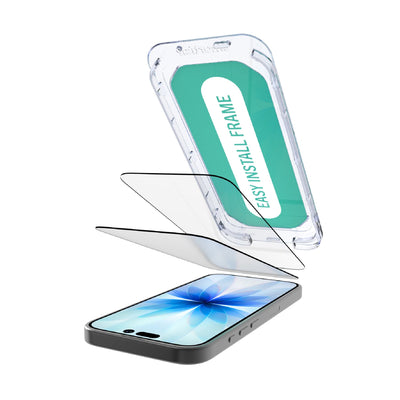
Your shiny new iPhone 16 deserves protection that actually works, not just something that looks good in photos. The right iPhone 16 case protector keeps your phone safe from everyday drops while adding features like MagSafe compatibility, wallet storage, or kickstands. Screen protectors are also a smart addition to prevent scratches and cracks, especially when paired with a quality case. Here's how to pick one that fits your life without getting lost in marketing speak.
For a deeper dive into the top options available, check out this best iPhone 16 case guide for expert recommendations and comparisons.
What Is an iPhone 16 Case Protector & Why It Actually Matters
Simple Definition (In 30 Seconds or Less)
An iPhone 16 case protector is a fitted shell that wraps around your phone to absorb impact from drops and prevent scratches. Each case is designed for specific models, iPhone 16, 16 Plus, 16 Pro, 16 Pro Max, or iPhone 17, with precise cutouts for cameras, ports, and buttons.
Most protective cases work through three key features: air-pocket corners that cushion impact, raised edges (~1mm) that keep your screen off surfaces, and raised camera rings that protect lenses when you set the phone down.
5 Core Benefits of Using an iPhone 16 Protective Case
- Drop protection: Absorbs impact from 3-6 foot falls onto concrete, tile, or gym floors
- Scratch prevention: Creates a barrier between your phone and keys, tables, or bag zippers
- Better grip: Textured sides and finger grooves reduce "phone yoga" to keep it secure
- Added functionality: MagSafe compatibility, wallet slots, kickstands, or mounting options
- Real-world durability: Handles commutes, travel, kids, concerts, and workouts
For those who want to combine protection and convenience, consider a wallet phone case that lets you carry cards and cash with your device.
Case vs. Screen Protector vs. Lens Protector
Each component protects different areas. A case shields corners, sides, and back while providing raised screen edges. Screen protectors handle direct glass impact. Lens protectors or raised camera rings prevent scratches when the phone sits on its back.
Smart combos include a protective case with built-in raised edges plus a glass screen protector for heavy use, or a slim case with strong corner protection for everyday carry.
Types of iPhone 16 Case Protectors (And Who They're For)

Slim Cases
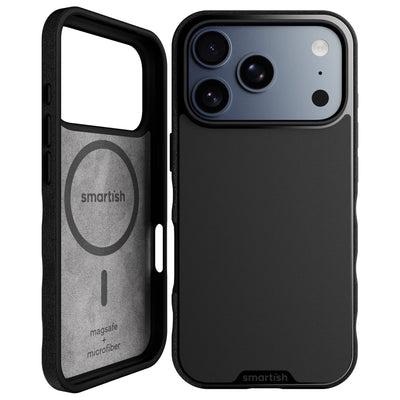
Slim cases like the Gripmunk offer air-pocket corners, raised edges, and comfortable grip without pocket bulk. They're perfect for minimalists who want wireless charging compatibility and clean lines that work with dress clothes or professional settings.
Protective / Rugged Cases
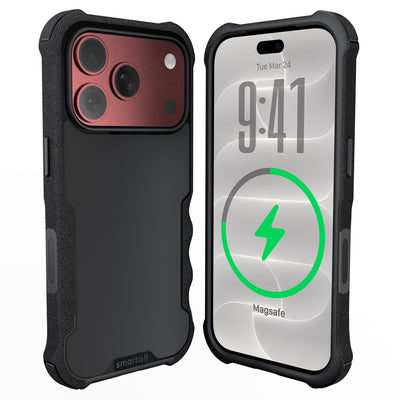
Protective cases like the Gripzilla feature thicker sides and reinforced corners for extra impact distribution. They're ideal for outdoor adventures, daily commutes on trains or bikes, or parents who share phones with kids. The extra thickness translates to better drop protection without sacrificing MagSafe functionality.
Wallet Phone Cases
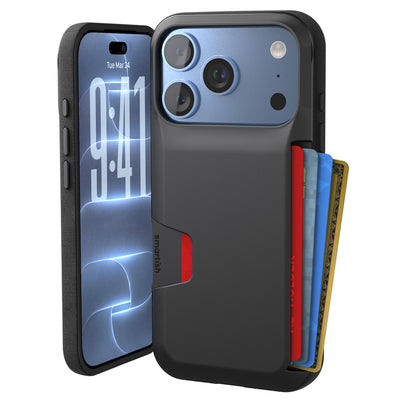
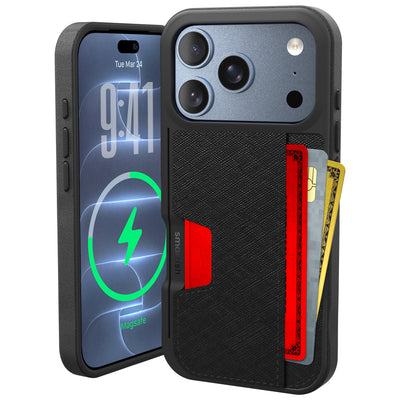
Back-mounted wallet cases like the Wallet Slayer Vol. 1 and Vol. 2 hold 1-3 cards plus cash, eliminating the need for a separate wallet. They're thicker than slim cases but perfect for carrying daily essentials like ID, debit card, and transit passes. Only the Vol. 2 includes a kickstand.
Clear Cases
Clear cases showcase your phone's original color while providing corner and edge protection. Look for anti-yellowing technology and UV-resistant materials that maintain transparency over time. For more on this style, see this iPhone 16 clear case review for tips and top picks. They're great for people who use stickers or skins, or prefer a minimalist aesthetic.
MagSafe-Compatible Cases
Both Gripmunk and Gripzilla work seamlessly with MagSafe charging and accessories. Proper magnet ring placement and strength matter for car mounts, desk stands, MagSafe wallets, and wireless charging pads. The magnetic connection should snap firmly and hold accessories securely. For more details on MagSafe features, check out this best iPhone 16 MagSafe case guide.
| Case Type | Protection Level | Bulk Factor | MagSafe Compatible | Extra Features |
|---|---|---|---|---|
| Slim (Gripmunk) | Everyday drops, corners | Minimal | Yes | Wireless charging, customizable |
| Protective (Gripzilla) | Heavy-duty, reinforced | Moderate | Yes | Enhanced grip, drop-tested |
| Wallet (Vol. 1/2) | Standard corners/edges | Higher | No | Card storage, kickstand (Vol. 2) |
| Clear | Basic protection | Minimal | Available | Showcase phone color, anti-yellowing |
iPhone 16 Case Materials: Feel, Durability & Protection
Soft & Flexible: Silicone, TPU, and Hybrid Blends
Soft materials excel at absorbing shock by flexing on impact and hugging your phone's corners. TPU (thermoplastic polyurethane) strikes the best balance, flexible enough to absorb drops while maintaining scratch resistance and reliable grip over months of use.
Hybrid designs combine softer edges with harder backplates for structural integrity. This gives you cushioned corners where impacts typically occur, plus a rigid back that disperses force across the entire surface rather than concentrating it at the point of contact.
Hard Shells: Polycarbonate & Co.
Hard polycarbonate backs distribute impact energy across a larger area, preventing concentrated stress that could crack your phone. The tradeoff is reduced shock absorption compared to soft materials, though superior scratch resistance for long-term durability.
Hard shells work best when paired with textured sides or finger grooves to maintain grip. Without texture, they can feel slippery during one-handed use, especially when your hands are dry or cold.
Premium Looks: Leather & Fabric
Leather and fabric cases develop character over time, creating a unique patina while maintaining professional aesthetics. They feel comfortable during extended use and work well in business settings or formal events.
These materials show wear faster than synthetic options and require quick cleaning if exposed to moisture. Choose them when appearance and comfort matter more than maximum drop protection.
Specialty Materials: Aramid Fiber, Carbon Fiber, Metal
High-strength fibers like aramid deliver impressive protection-to-weight ratios, slim profiles with rigid structure that resists bending or cracking. They appeal to enthusiasts who want premium feel without bulk.
Metal accents can interfere with wireless charging or MagSafe performance. If you choose metal elements, verify the case maintains wireless compatibility through strategic material placement that keeps the charging coil area clear. For more on MagSafe, see this Wikipedia article on MagSafe.
Eco-Friendly & Recycled Options
Bioplastics and recycled content cases reduce environmental impact while delivering comparable protection. "Recycled content" typically means 20-50% post-consumer plastic, while "bio-based" indicates plant-derived materials mixed with traditional polymers.
Prioritize durability over eco-claims, a case that lasts two years beats replacing three "eco-friendly" cases that break quickly. The most sustainable choice protects your phone long enough to avoid frequent replacements.
Protection 101: Drop Ratings, Edges, and Camera Coverage
Understanding Drop Protection (Without the Buzzwords)
Real drop testing involves specific scenarios, like 50 drops from 6 feet onto concrete, but these numbers represent test conditions, not guarantees. Avoid "military-grade" marketing language and look for specific test descriptions or third-party certifications instead.
Most real-world drops hit corners and edges first, making these areas more critical than back protection. A well-designed iPhone 16 case protector focuses protection where impacts actually occur rather than adding bulk everywhere.
Air-Pocket Corners & Impact Zones
Air-pocket corners function like tiny airbags, creating space for the case material to compress and absorb energy. This design matters more than overall thickness, a slim case with good corner engineering often outperforms a thick case with solid corners.
Test corner quality by running your fingertip around the edges. You should feel structured protection with slight give, indicating the corner can compress during impact while maintaining its shape for repeated drops.
Raised Bezels for Screen & Camera
The typical ~1mm raised screen edge creates crucial clearance when your phone lands face-down on tables, sidewalks, or other flat surfaces. This small gap prevents direct glass contact that causes most screen damage.
Raised camera rings serve the same function for lenses when you place the phone on its back. For environments with lots of grit, beaches, construction sites, hiking, consider adding a separate lens protector for extra security.
Shockproof vs. Scratch-Resistant
Shockproof design absorbs or disperses impact energy from drops through materials and structure. Scratch-resistant features use harder outer surfaces that resist scuffs from keys, zippers, or rough surfaces.
Hybrid designs balance both needs with soft inner layers for shock absorption and harder outer shells for scratch resistance. This combination handles both sudden impacts and daily wear better than single-material cases.
MagSafe & Wireless Charging With an iPhone 16 Case Protector

What Makes a Case Truly MagSafe Compatible
True MagSafe compatibility requires precise magnet ring alignment with your device's internal magnets. The magnetic strength should hold accessories firmly, a properly designed case lets you shake a MagSafe wallet or grip lightly without detachment.
Thickness over the magnet area typically needs to stay under 3mm for reliable connection strength. Cases that exceed this may technically work but provide weaker magnetic hold that fails during normal use.
Will a Rugged Case Block Wireless or MagSafe Charging?
Smart protective cases balance thickness with wireless compatibility. Most rugged cases under 3-4mm over the charging coil maintain full MagSafe strength, while thicker designs may reduce magnetic hold by 10-20%. Test your setup: a properly compatible case should snap to MagSafe chargers within one second and maintain grip during light shaking.
For wireless charging pads, positioning matters more than thickness. Cases with precise coil alignment charge consistently, even with extra bulk. If charging starts slowly, reposition the phone, most pads have a sweet spot within 2-3mm of center.
How to Test MagSafe Strength at Home
Three quick tests reveal real-world compatibility:
- Wallet flip test: Attach a MagSafe wallet and flip face-down over a couch. No sliding allowed.
- Car mount shake: Mount in your car and drive over speed bumps. The phone should stay locked in place.
- Lift test: Pick up your phone by a MagSafe grip over a soft surface. Strong magnets hold without slipping.
How to Choose the Right iPhone 16 Case Protector for Your Lifestyle
Your daily routine determines which iPhone 16 case protector features matter most. Match protection level to actual risk without over-engineering for scenarios that rarely happen.
Start With Your Daily Routine
Commuter/City Life: Prioritize slim profile with strong corners, MagSafe compatibility for car mounts, and grippy sides for one-handed subway navigation.
Parent/Caregiver: Choose reinforced protection with easy-clean surfaces, precise button access for quick responses, and consider wallet functionality to reduce items you carry.
Traveler/Outdoorsy: Focus on drop protection from 6+ feet, raised camera rings for rough surfaces, and consider strap attachments for active use.
Desk Worker/Content Creator: Look for MagSafe stands, kickstand options for video calls, and slim designs that don't bulk up your workspace setup.
Match Protection to Risk
Consider where your phone spends most time: loose in bags requires scratch resistance, crowded commutes need corner protection, outdoor activities benefit from raised bezels and camera rings.
Higher-risk environments like construction sites, hiking trails, or busy kitchens call for protective cases with pronounced raised edges. Office environments often work fine with slim cases plus a quality screen protector.
Model Fit: iPhone 16 vs 16 Plus vs 16 Pro vs 16 Pro Max vs 17
Each iPhone model requires a case designed for its exact dimensions and camera layout. Camera bump sizes and positions vary between standard, Plus, Pro, and Pro Max versions, generic "iPhone 16" cases often fit only the base model.
Check compatibility in 30 seconds: Go to Settings → General → About and match that exact model name to the case product page. Your iPhone 15 case won't fit iPhone 16 due to camera control button placement and updated dimensions. For model-specific recommendations, see this best iPhone 16 Pro case resource.
Real-World Scenarios: Best iPhone 16 Case Protector Setups
On-the-Go & Travel
Recommended combo: Protective case + screen protector + MagSafe car mount. This setup handles airport rushes, rideshare navigation, and road trip photo stops. Choose textured sides and finger grooves for secure one-handed map checks while walking.
Active & Outdoors
Recommended combo: Rugged case + raised camera ring + grip strap. Built for gravel trails, gym floors, and bleacher seats. Prioritize reinforced corners and pronounced raised edges, they distribute impact across the frame rather than concentrating force at drop points.
Work, Meetings & Content Creation
Recommended combo: MagSafe-compatible case + wireless stand + kickstand feature. Perfect for video calls, note-taking apps, and overhead content shots. Look for cases that maintain landscape stability for 30+ minute meetings without tipping.
Families, Kids & Teens
Recommended combo: Protective case + screen protector + appealing design they'll actually use. Ensure ports and buttons remain precise and responsive, kids won't tolerate mushy controls. Choose designs they like so the case stays on consistently. For more fun options, check out this cute iPhone 16 case collection.
How to Install, Remove & Care for Your iPhone 16 Case Protector

How to Install Your Case (In Under 2 Minutes)
- Wipe phone with microfiber cloth to remove dust and oils
- Insert top corners first, ensuring camera alignment
- Snap bottom corners, then press around edges for complete seal
- Check: no gaps around frame, camera ring fully surrounding lenses
Proper installation creates a slight "click" as corners lock into place. If edges feel loose, remove and restart, partial installation reduces protection effectiveness.
How to Safely Remove Your Case
- Power off your phone or lock the screen.
- Start at one corner (usually the bottom right), gently pull the edge away from the phone.
- Work around the edges, releasing each corner one at a time.
- Lift the phone out once all corners are free.
Take your time, rushing can bend the case or stress the buttons.
Case Cleaning & Care Tips
- Wipe with a damp microfiber cloth weekly to remove oils and dust.
- For stubborn grime, use mild soap and water, avoid harsh chemicals.
- Let the case dry fully before reinstalling your phone.
- Inspect for cracks or stretched corners every few months; replace if protection is compromised.
Frequently Asked Questions
What features should I look for in an iPhone 16 case protector to ensure effective drop protection?
Look for air-pocket corners to cushion impacts, raised edges about 1mm high to keep the screen off surfaces, and a raised camera ring to protect lenses. A grippy texture or finger grooves help prevent drops in the first place. Precise cutouts for buttons and ports ensure usability without compromising protection.
How do iPhone 16 case protectors differ from screen protectors and lens protectors, and do I need all three?
Case protectors shield your phone’s body from drops and scratches, while screen protectors guard the display against scratches and cracks. Lens protectors focus on keeping camera lenses safe from scratches and smudges. Using all three offers layered defense, but a quality case with raised edges and camera rings often covers much of the protection you need.
What are the benefits of MagSafe compatibility in an iPhone 16 case protector?
MagSafe compatibility lets you easily attach chargers, wallets, and mounts without removing your case. It adds convenience without affecting drop protection or bulk. Both slim and protective cases can support MagSafe, so you get function and safety in one package.
Which type of iPhone 16 case protector is best suited for different lifestyles, such as minimalists versus those needing rugged protection?
Minimalists will appreciate slim cases like Gripmunk that offer solid protection without extra bulk. For active lifestyles or rugged needs, a thicker case like Gripzilla provides enhanced drop protection with air-pocket corners and a rigid backplate. Wallet Slayer cases add convenience for those who want to carry essentials together with their phone.