




Key Takeaways
- Your Android phone is an essential tool for daily life and connectivity.
- The right phone cover protects your device and enhances its durability.
- A quality cover helps your phone keep up with your active lifestyle.
Table of Contents
- Understanding Android Phone Covers – What They Are and Why They Matter
- Picking the Perfect Cover for Your Android Phone – A Step-by-Step Guide
- Types of Android Phone Covers – Form, Function, and Personality
- What's Inside? Materials Used in Phone Covers and How They Stack Up
- Key Protective Features to Look for in a Quality Android Phone Cover
- Slim, Rugged, Wallet, and More – Side-by-Side Comparison of Android Phone Cover Types
- The Best Covers for Top Android Brands (2025 Edition)
- Everyday Friction, Solved: Real-World Problems and Smart Solutions
- Keeping It Fresh – Cleaning and Maintaining Your Android Phone Cover
- Customization & Personalization – Making Your Cover *Yours*
Covers for Android Phones: The Complete 2025 Guide
Your Android phone isn't just a device, it's your lifeline to everything that matters. Whether you're capturing memories, managing your day, or staying connected, the right phone cover transforms your device from fragile tech into reliable gear that keeps up with your actual life.
Finding the perfect covers for android phones isn't about browsing endless options. It's about matching protection, function, and style to how you actually use your phone. From slim profiles that slip into any pocket to rugged cases that survive outdoor adventures, the right cover solves problems you didn't even know you had. For more ideas on thoughtful and practical accessories, check out gifts for the klutz in your life.
Android phone covers have evolved far beyond simple plastic shells. Today, you can find options that combine drop-tested durability, wireless charging compatibility, and even wallet features. If you're shopping for someone with an active lifestyle, you might also enjoy these gifts for the fitness fanatic.
Understanding Android Phone Covers – What They Are and Why They Matter
An Android phone cover is your device's first line of defense against life's inevitable bumps, drops, and daily wear. Beyond basic protection, covers add grip, style, and functionality, turning your phone into a tool that works harder for you.
The difference between surviving a commute and replacing a cracked screen often comes down to three key features: air-pocket corners that absorb impact, raised edges that protect your screen and camera when face-down, and grippy (not sticky) sides that prevent slips in the first place.
Must-Have Protection Features
- Air-pocket corners – Absorb and distribute impact energy
- Raised screen edge (~1mm) – Face-down protection on any surface
- Raised camera ring – Lens protection when placed on its back
- Drop-tested durability – Real-world impact resistance
Whether you're a parent juggling kids and groceries or a professional navigating busy city streets, your cover should enhance your phone's usability, not just protect it. The best android case options anticipate your needs, like precise cutouts for the new camera control button or MagSafe compatibility for wireless charging.
Picking the Perfect Cover for Your Android Phone – A Step-by-Step Guide

Android compatibility isn't one-size-fits-all. Samsung Galaxy models have different button placements than Google Pixel phones, and OnePlus devices often feature unique camera configurations. Your cover choice starts with knowing your exact model number, not just "Galaxy S24," but "Galaxy S24 Ultra" or "Galaxy S24+".
Check three critical compatibility factors: precise cutouts for your camera setup, accessible ports without removing the cover, and covered buttons that still provide tactile feedback. For newer models, verify if camera control button cutouts are included, this small detail makes a huge difference in daily use.
Quick Compatibility Checklist
- Confirm your exact model and year
- Check camera bump accommodation
- Verify wireless charging compatibility if needed
- Read return policies for fit issues
Avoid "universal" covers that promise to fit multiple models, they rarely deliver the precise fit that ensures proper protection and functionality. Quality covers are engineered for specific devices, with every cutout and curve designed to match your phone exactly.
Types of Android Phone Covers – Form, Function, and Personality
Your lifestyle determines your ideal cover type. A busy parent needs different functionality than an outdoor enthusiast, and your cover should reflect those real-world demands.
Slim Covers
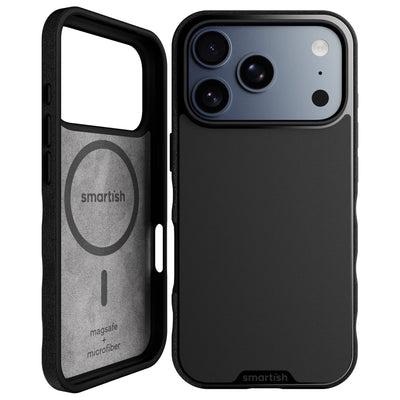
Best for: Minimalists who want protection without bulk. Slim covers like the Gripmunk maintain your phone's sleek profile while delivering essential protection through air-pocket corners and raised edges. Perfect for professionals who need pocket-friendly protection and MagSafe compatibility.
Protective/Rugged Covers
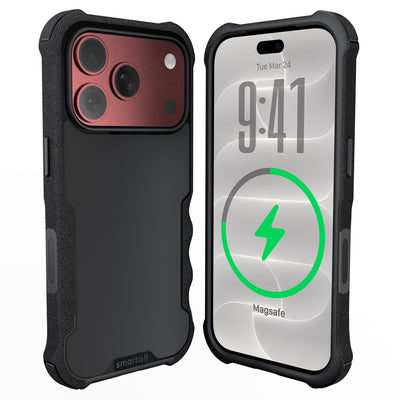
Best for: Active lifestyles and demanding environments. The Gripzilla features a rigid backplate and enhanced corner protection for maximum impact resistance. Drop-tested durability meets everyday functionality, ideal for outdoor adventures or hands-on work.
Wallet Covers
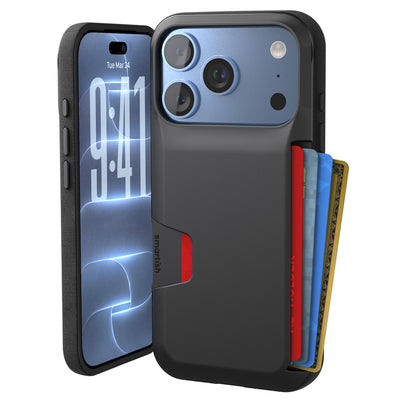
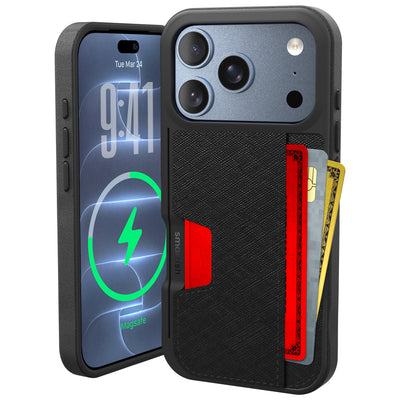
Best for: Streamlined carry and quick access to essentials. Wallet Slayer Vol. 1 and Vol. 2 combine phone protection with card storage, Vol. 2 adds a built-in kickstand for hands-free viewing. Perfect for busy parents or commuters who want everything in one place.
Clear/Transparent Covers
Best for: Showcasing your phone's original design while adding protection. Modern clear covers feature anti-yellowing technology that maintains clarity over time. All Smartish covers are customizable, letting you add personal flair while keeping your phone's aesthetic visible.
What's Inside? Materials Used in Phone Covers and How They Stack Up
Material choice affects everything from grip feel to drop protection. TPU (thermoplastic polyurethane) offers flexibility and impact absorption, while polycarbonate provides rigid backing strength. The best covers for android phones combine materials strategically, flexible edges for shock absorption, rigid backs for structural integrity.
| Material | Flexibility | Impact Protection | Grip Quality | Wireless Charging |
|---|---|---|---|---|
| TPU | High flexibility | Excellent shock absorption | Naturally grippy texture | Fully compatible |
| Polycarbonate | Rigid structure | Superior impact distribution | Smooth, less tactile | No interference |
| Hybrid (TPU/PC) | Flexible edges, rigid back | Maximum protection | Best of both materials | Optimized compatibility |
Silicone feels softer but attracts lint more readily than TPU alternatives. Leather and fabric covers prioritize aesthetics but require more maintenance, leather needs occasional conditioning, while fabric can absorb stains. For daily reliability, hybrid constructions deliver the best balance of protection and usability.
Avoid covers that interfere with wireless charging or cause signal drops. Quality materials maintain phone functionality while adding protection, your android case shouldn't force you to choose between features and safety. For a deeper dive into the science behind smartphone protection, visit this research on smartphone safety.
Key Protective Features to Look for in a Quality Android Phone Cover

Real protection comes from engineering, not marketing claims. Air-pocket corners compress on impact, absorbing energy that would otherwise transfer to your phone. This isn't just padding, it's physics working in your favor during drops and bumps.
Raised edges create crucial clearance between your screen and surfaces. A 1mm raised screen edge means your display never touches the table when placed face-down, while raised camera rings protect lenses from scratches and cracks. These millimeters make the difference between minor scuffs and expensive repairs.
Drop-Test Reality Check
Quality covers undergo rigorous drop testing from 6+ feet, multiple times, on various surfaces. Look for specific test details, not vague "military-grade" claims. Real protection data includes drop height, number of tests, and surface types.
Grippy sides prevent drops before they happen. The best covers for android phones feature textured edges that enhance your natural grip without feeling sticky or attracting pocket lint. Finger grooves, where relevant, provide additional security during one-handed use.
Precise cutouts ensure full functionality without compromise. Camera control buttons should remain easily accessible, charging ports shouldn't require adapters, and speakers shouldn't sound muffled. Protection that limits your phone's capabilities isn't truly protective.
Slim, Rugged, Wallet, and More – Side-by-Side Comparison of Android Phone Cover Types
Different covers solve different problems. Your choice depends on whether you prioritize minimalism, maximum protection, convenience features, or style expression. Here's how the main categories stack up for real-world use:
| Cover Type | Protection Level | Bulk Factor | Key Features | Best For |
|---|---|---|---|---|
| Slim (Gripmunk) | Essential protection | Minimal profile | MagSafe compatible, air-pocket corners | Daily carry, professional settings |
| Rugged (Gripzilla) | Maximum impact resistance | Thicker build | Rigid backplate, enhanced corners | Active lifestyles, outdoor work |
| Wallet (Vol. 1 & 2) | Solid protection | Thicker due to storage | Card slots, Vol. 2 has kickstand | Streamlined carry, busy parents |
| Clear | Standard protection | Minimal addition | Anti-yellowing, customizable | Style showcase, personalization |
Slim covers work best when you need protection without changing your phone's feel. Rugged options excel in demanding environments where drops and impacts are more likely. Wallet covers eliminate the need for separate accessories, while clear covers let your phone's design shine through while staying protected.
The Best Covers for Top Android Brands (2025 Edition)
Samsung Galaxy Series
Best for versatility: Gripmunk delivers MagSafe compatibility with essential protection, perfect for Galaxy users who want wireless charging without bulk. The precise camera cutouts accommodate Samsung's complex camera arrays while maintaining full functionality.
Best for maximum protection: Gripzilla features a rigid backplate specifically engineered for Galaxy models, with enhanced corner protection that handles the larger screen sizes. Drop-tested durability meets Samsung's premium build quality.
Google Pixel Series
Best for photographers: Gripmunk's raised camera ring protects Pixel's advanced camera bar while maintaining wireless charging compatibility. The precise cutouts ensure every button stays accessible without compromising protection.
Best overall value: Gripzilla delivers maximum protection for Pixel's sleek design. Air-pocket corners and drop-tested durability handle everything from subway commutes to hiking trails.
OnePlus, Motorola & Other Android Brands
Universal compatibility focus: Check model-specific fit guides before ordering. Many covers designed for popular Samsung dimensions work across similar-sized Android phones, but button placement varies significantly.
Pro tip: Measure your phone's camera bump and port locations. Generic "Android covers" often miss precise cutouts for newer models. For more on how to personalize your device, read about adding a charm for phones.
Everyday Friction, Solved: Real-World Problems and Smart Solutions

Lint and Dust Buildup
The problem: Pocket lint clings to silicone covers, making your phone look grimy.
Quick fixes:
- Weekly wipe-down with slightly damp microfiber cloth
- Choose matte finishes over glossy, they hide dust better
- Keep a small brush (old toothbrush works) for textured grips
Phone Overheating in Covers
The problem: Thick covers trap heat during gaming or video calls.
Smart solutions:
- Look for covers with ventilation channels or raised backing
- Remove cover during intensive tasks if overheating persists
- Avoid metal cases in direct sunlight, they conduct heat
Wireless Charging Not Working
The problem: Your cover blocks charging pad connection.
Compatibility check:
- Maximum 3mm thickness for most wireless chargers
- Remove metal accessories, cards, or magnetic mounts
- Center phone precisely on charging pad, covers can shift alignment
Weak Signal with New Cover
The problem: Metal or thick covers interfere with cellular reception.
Testing method:
- Check signal bars with and without cover in same location
- Avoid covers with metal backing near antenna areas
- Carbon fiber and thick rubber can also reduce signal strength
Keeping It Fresh – Cleaning and Maintaining Your Android Phone Cover
| Material | Cleaning Method | Frequency | Avoid |
|---|---|---|---|
| Silicone/TPU | Warm soapy water, soft brush | Weekly | Harsh chemicals, bleach |
| Clear Plastic | Isopropyl alcohol wipe | Daily | Abrasive cloths |
| Leather | Damp cloth, leather conditioner | Monthly | Soaking, direct heat |
| Fabric | Lint roller, spot cleaning | As needed | Machine washing |
Deep Cleaning Routine
Monthly maintenance:
- Remove cover completely and clean phone separately
- Soak silicone covers in warm soapy water for 10 minutes
- Use cotton swabs for button cutouts and camera rings
- Air dry completely before reinstalling
Stain removal: Baking soda paste works on stubborn marks. Let sit 15 minutes, then scrub gently with soft brush. For more tips on thoughtful gifting and seasonal ideas, see gifts for those with December birthdays.
Customization & Personalization – Making Your Cover *Yours*
Safe DIY Methods
Decals and stickers: Choose vinyl decals designed for phones. They remove cleanly and don't leave residue on quality covers.
Paint options: Acrylic paint works on matte surfaces. Seal with clear topcoat for durability. Test on hidden area first.
Add-on accessories:
- Pop grips attach securely to flat-backed covers
- Wrist straps thread through lanyard holes
- Decorative charms clip onto corner attachment points
Professional Options
Photo printing: Upload personal images for custom-printed covers. Choose high-resolution photos for best results. For an overview of the history and types of smartphone cases, you can also visit this Wikipedia article on smartphone cases.
Frequently Asked Questions
What are the essential protective features to look for in an Android phone cover?
Look for air-pocket corners to absorb shocks, raised edges to protect the screen and camera when placed face-down, and grippy (not sticky) sides to prevent slips. These features work together to keep your phone safe during everyday bumps and drops.
How do I choose the right phone cover that matches my specific Android model and lifestyle?
Start by picking a cover designed for your exact Android model to ensure precise fit and port access. Then, consider your lifestyle, go slim for easy pocket carry, rugged for outdoor adventures, or wallet-style if you want to combine phone protection with card storage.
What materials are commonly used in Android phone covers, and how do they affect durability and functionality?
Common materials include flexible TPU for shock absorption, hard polycarbonate for impact resistance, and leather or fabric for style and grip. Each material balances protection, weight, and feel differently, so choose based on how you use your phone and the look you want.
Can Android phone covers support features like wireless charging and additional functionalities such as wallet compartments?
Yes, many covers support wireless charging without needing to remove the case, especially slim or MagSafe-compatible designs. Wallet compartments add convenience by holding cards and cash, though they usually add some thickness, so pick what fits your daily needs best.