





Key Takeaways
- Selfie sticks help capture more people and scenic backgrounds in a single shot.
- They eliminate the need for awkwardly stretching your arm to take photos.
- Using a selfie stick results in smoother and more professional-looking pictures.
- Selfie sticks extend your reach beyond the limitations of your arm length.
Table of Contents
- Selfie Sticks – The Secret Weapon for the Perfect Shot
- Selfie Stick 101 – What They Are and Why They Matter
- Anatomy of a Selfie Stick – What Sets Each Stick Apart
- How to Use a Selfie Stick Like a Pro
- Types of Selfie Sticks Explained (With Pros, Cons & Best Use Cases)
- How to Pair and Power Up – Connecting Your Selfie Stick
- Selfie Stick vs. The World – Key Product Comparisons
- Best Selfie Sticks for Every Need (2025 Buyer's Guide)
- Where Can I Use My Selfie Stick? (Rules, Restrictions & Real-World Workarounds)
- Keeping It Safe – Troubleshooting & Phone Protection Tips
Selfie Sticks – The Secret Weapon for the Perfect Shot
Your arm's only so long, but your ambition for the perfect shot isn't. Selfie sticks solve the eternal struggle of cramming everyone into frame or capturing that epic backdrop without losing yourself in a tiny corner. These extendable wonders turn awkward arm-stretching into smooth, professional-looking shots.
No jargon, no fluff, just the practical intel you need to pick the right stick, avoid the rookie mistakes, and nail shots that actually make people stop scrolling. Whether you're wrangling group photos or creating content on the go, the right selfie stick transforms your phone into a versatile camera rig.
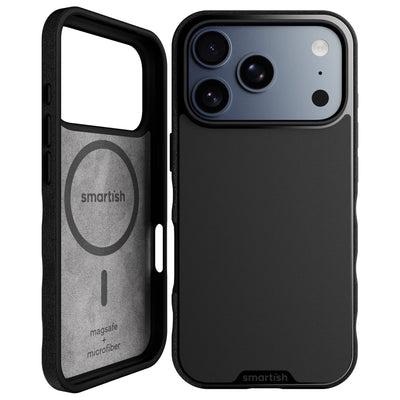
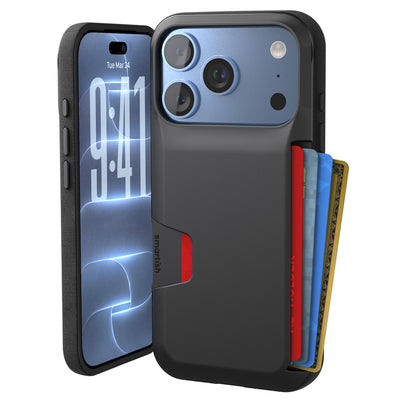
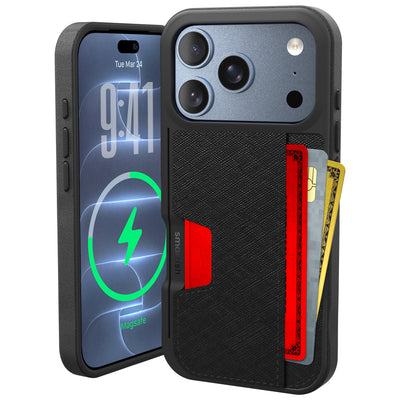
If you want to keep your phone extra secure while using a selfie stick, consider pairing it with a Gripzilla or Gripmunk case for added grip and protection.
Selfie Stick 101 – What They Are and Why They Matter

A selfie stick is an extendable pole that holds your phone or camera at distance, multiplying your shooting possibilities beyond arm's reach. The basic anatomy: telescopic pole, secure phone clamp, and trigger mechanism for hands-free shooting.
Real scenarios where they shine: travelers capturing themselves with landmarks, content creators filming overhead shots, families getting everyone in frame without the awkward timer sprint, and remote workers positioning phones for better video call angles. Think of it as a portable camera operator that fits in your pocket.
For more inspiration on creative uses and gift ideas for selfie lovers, check out gifts for the selfie obsessed friends.
Quick Answer: Main Selfie Stick Types
- Wired – Plug into headphone jack, instant shutter control
- Bluetooth – Wireless freedom, requires charging
- Remote – Detachable trigger, hands completely free
- Tripod – Fold-out legs for stable, hands-off shooting
- Multi-function – Combines stick, tripod, and remote features
- Action – Waterproof, built for GoPros and adventure cameras
The magic happens when you realize this isn't just about selfies, it's about expanding your creative toolkit without hauling around professional gear.
Anatomy of a Selfie Stick – What Sets Each Stick Apart
Core components make or break your shooting experience: the telescopic pole (typically 7-40 inches extended), handle grip material, device clamp (fits phones 2.2-3.9 inches wide), trigger mechanism, battery for Bluetooth models, and optional tripod feet.
| Material | Durability | Weight | Price Range | Feel |
|---|---|---|---|---|
| Aluminum | High | Medium | $$ | Premium, sturdy |
| Plastic | Basic | Light | $ | Functional |
| Carbon Fiber | Highest | Lightest | $$$ | Professional |
Key features that matter: secure grip that's grippy (not sticky), balanced weight distribution, clamp security that won't drop your device, and compatibility with your phone case. If you're using a protective case like Gripzilla or Gripmunk with their raised camera rings and air-pocket corners, check the clamp width accommodates the added bulk.
Pro tip: Look for slimmer handles that still provide solid grip without catching on pockets or bags, do more with less bulk.
How to Use a Selfie Stick Like a Pro
Getting Started – The Basics
First-time setup in four steps: Secure your device in the clamp (check maximum width, usually 3.9 inches), extend the pole to your desired length (don't max out in windy conditions), adjust the angle for optimal framing, and activate the shutter via wired connection, Bluetooth pairing, remote button, or timer.
Drop prevention: Always test the clamp tension before extending. Most sticks handle phones up to 8 ounces safely, but double-check your device weight plus case. A loose clamp plus gravity equals expensive regret.
Advanced Tricks for Epic Shots
Keep the stick invisible by angling it directly below your phone and cropping strategically. For group shots, position the stick horizontally and use burst mode, you'll get multiple options without repositioning everyone.
Top 5 Killer Selfie Stick Moves
- Overhead crowd shot – Extend fully above your head for concert or festival views
- Low-angle hero shot – Position stick below waist level for dramatic perspective
- Panoramic sweep – Use video mode while slowly rotating for cinematic effect
- Pet-level perspective – Get down to your dog's eye view for engaging content
- Action follow – Track movement by keeping subject centered while walking
Timer and burst mode combinations unlock creative possibilities: set a 10-second timer, extend the stick overhead, and capture crowd scenes from above. For travel shots, position yourself off-center and let the landscape dominate the frame.
Types of Selfie Sticks Explained (With Pros, Cons & Best Use Cases)

Wired selfie sticks plug directly into your phone's headphone jack or charging port, offering instant shutter response without battery concerns. Bluetooth models provide wireless freedom but require regular charging, typically 1-2 hours for full battery life supporting 50,000+ shots.
Remote-controlled sticks feature detachable triggers, perfect for group shots where you want to step away completely. Tripod-style options fold out legs for stable, hands-free shooting, ideal for time-lapse or video calls. Multi-functional sticks combine all features but add bulk and complexity.
Action camera sticks are built waterproof for GoPros and adventure cameras, while belfie sticks are angled specifically for body shots and social media content creation.
| Type | Connection | Battery Needed | Best For | Typical Price |
|---|---|---|---|---|
| Wired | 3.5mm/Lightning/USB-C | No | Quick shots, reliability | $10-25 |
| Bluetooth | Wireless pairing | Yes | Freedom of movement | $15-40 |
| Remote | Detachable trigger | Yes (CR2032) | Group photos, timers | $20-50 |
| Tripod | Various | Depends | Stable shots, video calls | $25-60 |
| Multi-function | Multiple options | Yes | Content creators | $30-80 |
Choose wired for simplicity and instant response, Bluetooth for wireless convenience, remote for group scenarios, tripod for stability, and multi-function for serious content creation.
How to Pair and Power Up – Connecting Your Selfie Stick
Wired Setup – Plug, Snap & Go
Connect to your phone's 3.5mm headphone jack or use Lightning/USB-C adapters for newer models. Maximum cable length typically runs 1.2 meters. If the shutter button isn't responding, check your camera app permissions and ensure volume button photography is enabled in settings.
Troubleshooting wired connections: verify adapter compatibility, test with the default camera app first, and check that your case isn't blocking the port connection.
Bluetooth Setup – Pair in 3 Steps, Troubleshoot Faster
Power on the stick, enable Bluetooth on your phone, and select the device from available connections. Full charging takes about 1 hour and provides weeks of typical use. If pairing fails, reset the stick by holding the power button for 10 seconds, then retry.
Remote Control & App Use
In-pack remotes typically use CR2032 batteries lasting 6-12 months. Sync by pressing and holding the remote button while your camera app is open. Most remotes work with built-in camera apps, but third-party apps may require specific compatibility.
Power management tip: remove the battery tab completely and test the remote within 10 feet of your phone for optimal range.
Selfie Stick vs. The World – Key Product Comparisons
Each selfie stick type serves different shooting styles and user needs. Bluetooth offers the most versatility for content creators, while wired provides reliability for casual users. Tripod models excel at stability but sacrifice portability.
| Feature | Bluetooth | Wired | Tripod | Remote |
|---|---|---|---|---|
| Connection Type | Wireless pairing | Direct plug-in | Various options | Detachable trigger |
| Stability | Hand-held only | Hand-held only | Freestanding capable | Hand-held/remote |
| Device Support | iOS/Android broad | Port-dependent | Universal mounting | App-dependent |
| Portability | Compact, wireless | No charging needed | Bulkier with legs | Extra remote piece |
MagSafe-compatible cases like Gripzilla and Gripmunk work with most selfie stick clamps, but check that your case width fits within the typical 2.2-3.5 inch clamp range. The raised camera ring on these cases actually helps protect your lens during mounting.
For more helpful tips and stories, visit Our Thoughts.
Best Selfie Sticks for Every Need (2025 Buyer's Guide)

Best for iPhone: Look for Lightning-compatible wired options or Bluetooth models with iOS 12+ support. Ensure clamp width accommodates your case, standard iPhone with case measures 3.1 inches wide.
Best for Android: USB-C wired connections offer the most reliable shutter response. Bluetooth models provide broader app compatibility across Android versions.
Best for Action Cameras: Waterproof aluminum construction with GoPro mounting threads. Look for IPX7 rating minimum, supporting 30-minute submersion at 1 meter depth.
Budget Picks Under $20: Wired models eliminate battery concerns while keeping costs low. Focus on aluminum construction over plastic for durability.
Best for Travel/Vlogging: Compact collapsed size (under 8 inches), lightweight aluminum build (under 6 ounces), and multi-angle adjustment. Tripod feet add versatility for content creation.
Key factors: collapsed length for travel, extended reach (36+ inches for group shots), and clamp security. Weight matters for extended shooting, aim for under 8 ounces for comfort.
If you need a case for your iPhone 15 Pro or iPhone 14 Pro that fits securely with most selfie stick clamps, there are options designed for both protection and compatibility.
Where Can I Use My Selfie Stick? (Rules, Restrictions & Real-World Workarounds)
Selfie sticks face restrictions due to safety concerns and crowd management in high-traffic venues. Theme parks, concerts, museums, and stadiums commonly prohibit them to prevent accidents and protect exhibits.
| Venue Type | Typically Banned | Alternative Options |
|---|---|---|
| Disney Parks | Yes | PhotoPass, timer mode |
| Concerts/Festivals | Yes | Handheld only, crop later |
| Museums | Usually | Ask staff, designated areas |
| Sports Stadiums | Most | Check venue policy online |
| Beaches/Parks | Rarely | Full use typically allowed |
| Tourist Landmarks | Varies | Research before visiting |
Public space etiquette: avoid blocking walkways, respect others' photo opportunities, and be mindful of overhead obstacles. When selfie sticks are banned, use your phone's timer function, ask fellow tourists for help, or look for designated photo areas.
For a deeper dive into the history and cultural impact of selfie sticks, see the Wikipedia entry on selfie sticks.
Check venue websites before visiting, policies change frequently, and some locations allow sticks during specific hours or in certain areas only.
Keeping It Safe – Troubleshooting & Phone Protection Tips
Bluetooth won't pair: Reset by holding power for 10 seconds, ensure full charge, and clear previous pairings from your phone. Wired shutter not working: Check adapter connection, enable volume button photography in camera settings, and test with default camera app first.
Phone slipping from clamp: Tighten clamp screws, clean rubber grips, and ensure your case width is within the 2.2-3.5 inch optimal range. Add grip pads if your case is too smooth.
For more tips on keeping your phone safe from drops and mishaps, you might also like gifts for the klutz in your life.
Stick wobble or extension sag: Tighten locking mechanisms and check for debris in the telescoping sections. If issues persist, consider a replacement for long-term reliability.
For additional research on selfie stick safety and injury prevention, see this study on selfie stick-related injuries.
Frequently Asked Questions
What are the different types of selfie sticks and which one is best suited for specific uses?
Selfie sticks come mainly in wired, Bluetooth, and remote-controlled types. Wired sticks connect via headphone jack for instant shutter, Bluetooth sticks offer wireless convenience, and remote-controlled ones provide more flexibility for group shots or creative angles. Choose wired for simplicity, Bluetooth for everyday use, and remote-controlled for content creators or larger groups.
How does using a selfie stick improve the quality of photos compared to taking selfies with just your arm?
A selfie stick extends your reach beyond arm length, allowing more people and scenic backgrounds in the frame. It reduces camera shake and awkward angles, resulting in smoother, more professional-looking shots that capture the moment without the usual arm-stretching struggle.
What features should I consider when choosing a selfie stick to ensure durability and compatibility with my device?
Look for sturdy materials and a secure phone clamp that fits your device size. Check for compatibility with your phone’s operating system and connection type, wired or Bluetooth. Bonus points for telescopic poles with smooth extension and a reliable trigger mechanism for easy hands-free shooting.
Are there any rules or restrictions on where I can use a selfie stick, and how can I safely protect my phone while using one?
Some venues and events restrict selfie sticks for safety and crowd control, so always check local rules before use. To protect your phone, pair your selfie stick with a grippy, protective case like Gripzilla or Gripmunk, which offer drop-tested durability and secure handling during active use.