



Key Takeaways
- External microphones significantly improve iPhone audio quality for content creation by reducing background noise and enhancing clarity.
- There are various types of mics compatible with iPhones, including wired, wireless, USB, and lavalier, each suited for different recording needs and portability levels.
- Connecting a microphone to an iPhone requires the appropriate adapters depending on the model, such as Lightning to 3.5mm for older iPhones or USB-C for newer models.
- Wireless microphones provide mobility and freedom of movement but may involve trade-offs like battery life and slight audio latency.
- Choosing the right microphone model depends on your specific use case, whether it's vlogging, interviews, or studio-quality recordings.
Table of Contents
- Why External Mics Matter for Your iPhone
- Types of Microphones Compatible with iPhone
- How to Connect a Microphone to Your iPhone
- Top Microphone Models for iPhone Creators in 2025
- How to Choose the Right Microphone for Your iPhone
- Wired vs. Wireless vs. USB-C: Mic Matchmaking for Every iPhone
- Troubleshooting Common Mic Problems on iPhone
- Maximizing Your Mic: Pro Tips for Stellar iPhone Audio
- Sound Advice for Every iPhone
Why External Mics Matter for Your iPhone
Your iPhone's built-in mic works fine for calls, but when you need crystal-clear audio for content creation, interviews, or music recording, an external mic for iPhone transforms your sound quality instantly. Whether you're capturing a podcast in your kitchen or filming a vlog on the street, external microphones deliver professional-grade audio that makes your content stand out.
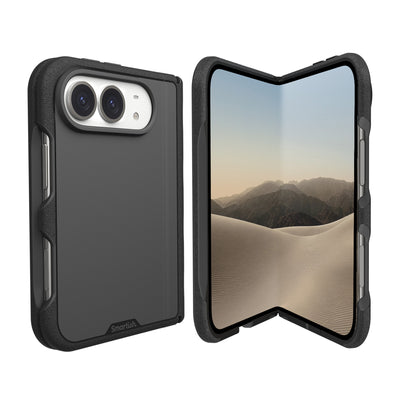
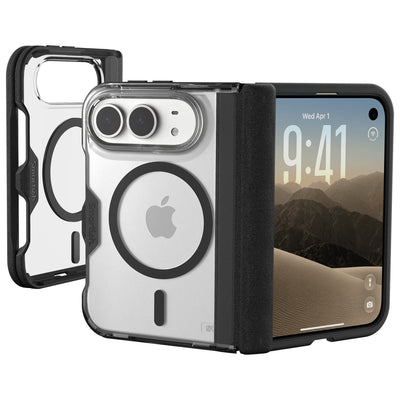
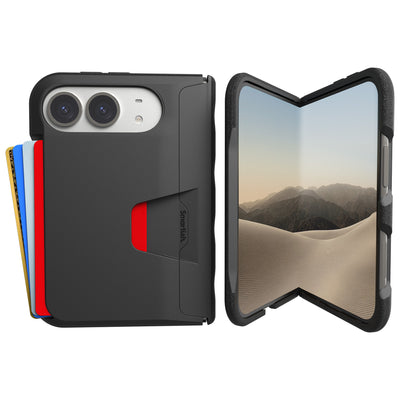
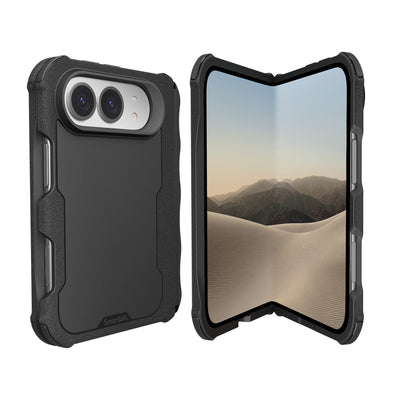
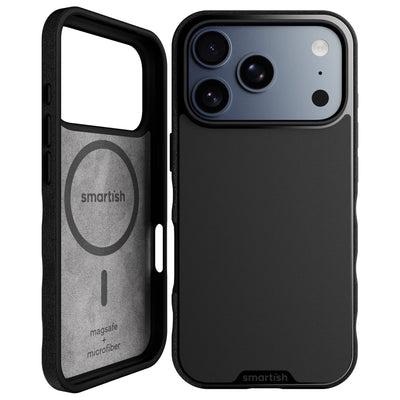
To get the most out of your mic for iPhone setup, don't overlook the importance of protective cases that allow easy access to ports and ensure your device stays safe during mobile recording sessions.
For creators who frequently switch between different adapters and cables, organizing your gear with a magnetic cord organizer can make your workflow much smoother and prevent lost accessories.
Types of Microphones Compatible with iPhone

Wired Microphones - Direct Connection
Plug directly into Lightning or USB-C ports (adapter usually required). Perfect for vlogging and interviews where you need reliable, zero-latency audio. Watch out: iPhone sometimes recognizes mics as headphones, simply unplug, restart your recording app, and reconnect.
Wireless Microphones - Freedom of Movement
Bluetooth and dedicated transmitter systems give mobile creators the freedom to move. Radio mic for iPhone setups like RØDE Wireless GO excel for walk-and-talk content. Battery life and slight latency are trade-offs for mobility.
USB Microphones - Studio-Grade Sound
Connect via Lightning-to-USB or USB-C adapters for professional recording quality. Higher power requirements mean shorter battery life, but the audio clarity rivals desktop setups.
If you need to connect USB or Lightning accessories, check out charging and cable solutions designed for seamless compatibility with iPhone mics and adapters.
| Type | Connection | Best For | Portability |
|---|---|---|---|
| Wired | Lightning/USB-C + adapter | Interviews, music | High |
| Wireless | Bluetooth/transmitter | Vlogging, mobile content | Highest |
| USB | USB adapter required | Studio recording | Medium |
| Lavalier | 3.5mm + adapter | Hands-free speaking | Highest |
How to Connect a Microphone to Your iPhone
Lightning Port (Classic iPhones)
For iPhone 14 and earlier, you'll need a Lightning to 3.5mm adapter for most mics. Connect, check microphone permissions in Settings > Privacy, then test in Voice Memos. The BOYA BY-K8 adapter handles most external iphone microphone connections reliably.
When using adapters, it's helpful to keep your cables tangle-free with a cable collar so you can set up quickly and avoid frustration during recording sessions.
USB-C Port (iPhone 15 & Newer)
Direct USB-C connection works with many mics, but check power requirements. Some professional mics need "Made for iPhone" certification to function properly.
Wireless Pairing Setup
Pair transmitter to receiver first, then select the mic input in your recording app. Always charge both units before important recordings, nothing kills a session like dead batteries mid-interview.
- Lightning to 3.5mm TRRS adapter
- USB-C to 3.5mm (iPhone 15+)
- Lightning to USB Camera Adapter (for USB mics)
Top Microphone Models for iPhone Creators in 2025
These standout mics earn their reputation through reliability, sound clarity, and real-world testing. Whether you're capturing interviews on the go or recording studio-quality audio, these models deliver consistent results that content creators actually depend on.
RØDE Wireless GO - Ultra-Portable Freedom
Best for: YouTube creators, mobile journalists, and anyone who needs to move while recording.
This tiny wireless system clips anywhere and delivers broadcast-quality audio up to 70 meters away. The built-in recording acts as a backup, so you'll never lose that perfect take. Battery lasts 7 hours, and the magnetic clip stays put during active shooting.
DJI Mic Mini - Versatile Powerhouse
Best for: Multi-platform creators who switch between iPhone, camera, and computer recording.
Weighs just 10 grams but packs 15-hour battery life and crystal-clear transmission. The receiver works with Lightning, USB-C, and 3.5mm connections, making it genuinely future-proof. Noise cancellation handles windy outdoor shoots without breaking a sweat.
Saramonic Blink 500 B2+ - Duo Recording Master
Best for: Interviews, podcasts, and any scenario requiring two-person audio capture.
Includes two transmitters and adapters for both Lightning and USB-C iPhones. Real-time monitoring lets you catch audio issues before they ruin your recording. The charging case keeps everything organized and powered for extended shoots.
| Model | Connection | Battery Life | Range | Best Feature |
|---|---|---|---|---|
| RØDE Wireless GO | 3.5mm/USB-C | 7 hours | 70m | Built-in backup recording |
| DJI Mic Mini | Lightning/USB-C/3.5mm | 15 hours | 400m | Universal compatibility |
| Saramonic Blink 500 B2+ | Lightning/USB-C | 6 hours | 50m | Dual transmitter kit |
For more tips on choosing the right gear for your creative workflow, check out these recommendations for selfie-obsessed friends who love capturing content on the go.
How to Choose the Right Microphone for Your iPhone

Your content style drives everything. A mom capturing piano recitals needs different gear than a street vlogger or mobile journalist covering breaking news. Start with your primary use case, then consider the technical requirements that support it.
Key Features That Actually Matter: Connection type determines compatibility, Lightning for older iPhones, USB-C for iPhone 15+, or wireless for maximum mobility. Audio specs like maximum SPL (120+ dB handles loud environments) and noise floor (under -60 dBFS keeps background quiet) directly impact your final recording quality.
Portability becomes crucial for mobile creators. A shotgun mic delivers superior directional audio but won't fit in your pocket. Lavalier mics disappear under clothing but pick up fabric noise. Balance your audio ambitions with realistic usage patterns, don't haul studio gear for casual content.
Pre-Purchase Checklist:
- Verify exact iPhone model compatibility
- Match mic pickup pattern to recording environment
- Consider battery life vs. recording session length
- Test case compatibility with port access
For more inspiration on tech gifts and accessories, explore these smart picks for your creative friends.
Wired vs. Wireless vs. USB-C: Mic Matchmaking for Every iPhone
Wired mics offer zero-latency recording and never need charging, making them ideal for extended podcast sessions or music recording. The direct connection eliminates interference, but cables limit movement and can snag during active shooting.
Wireless systems provide unmatched freedom for walking interviews, outdoor content, and multi-person recordings. Battery management becomes part of your workflow, and RF interference can occasionally disrupt transmission in crowded environments.
USB-C connectivity (iPhone 15+) opens access to professional studio mics and audio interfaces. Higher power delivery supports condenser mics without external power, but requires newer hardware and sometimes additional adapters for legacy equipment.
| Connection Type | Audio Quality | Setup Speed | Mobility | Best For |
|---|---|---|---|---|
| Wired (3.5mm/Lightning) | Excellent | Instant | Limited | Studio recording, podcasts |
| Wireless | Very Good | 30 seconds | Maximum | Interviews, outdoor content |
| USB-C Direct | Professional | Plug-and-play | Moderate | High-end recording, music |
Quick Decision Guide:
Home podcast setup: Wired for reliability. Travel vlogging: Wireless for freedom. Zoom interviews: USB-C for professional sound without the bulk.
If you want to learn more about the evolution of microphones and sound recording devices, visit this comprehensive resource on sound recording devices.
Troubleshooting Common Mic Problems on iPhone
Mic not detected? Check your adapter connection first, loose Lightning or USB-C connections cause most recognition failures. Open Voice Memos to test basic functionality, then verify microphone permissions in Settings > Privacy & Security > Microphone for your recording app.
Static or distorted sound? Clean your connector with a dry cloth and test without your phone case. Thick wallet cases can partially block ports, creating interference. Some apps default to internal mic settings, try GarageBand or Camera app to isolate whether it's hardware or software related.
iOS compatibility issues surface after major updates. Check manufacturer websites for firmware updates, especially for wireless systems. Instagram Stories and some social apps override external mic settings, record in Voice Memos first, then import to problematic apps.
Top 5 Quick Fixes:
- Restart iPhone with mic connected
- Test different recording apps
- Clean all connection points
- Remove phone case temporarily
- Check for app-specific microphone permissions
For more troubleshooting tips and the latest updates on iPhone audio accessories, visit our news section for expert advice and product announcements.
Maximizing Your Mic: Pro Tips for Stellar iPhone Audio

Positioning makes or breaks your recording. Place lavalier mics 6-8 inches below your chin to avoid breath noise. Shotgun mics perform best 12-18 inches away, aimed between your mouth and chest. Wind destroys outdoor audio, invest in foam windscreens or dead cat covers for any exterior recording.
Monitor your audio in real-time using wired headphones connected through your recording app. GarageBand offers visual input meters and gain control. Voice Memos works for basic capture, but lacks the input monitoring essential for professional results. Check out Our Thoughts for detailed app recommendations and mobile recording workflows.
Case compatibility matters more than expected. Wallet cases and thick protective covers can partially obstruct mic ports or create acoustic interference. Test your setup with and without your case, you might need to remove it temporarily for critical recordings, or choose a case designed with content creation in mind.
For a deeper understanding of how microphones work and their role in audio technology, see this educational overview from NASA.
Sound Advice for Every iPhone
The right mic for iPhone transforms your content from acceptable to exceptional. Whether you choose wireless freedom, wired reliability, or USB-C professional quality, the upgrade from built-in audio immediately elevates your storytelling impact.
Start with your primary use case, match the connection to your iPhone model, and prioritize the features that support your actual recording habits. Your audience will notice the difference, and you'll wonder why you waited so long to make the switch.
Find these mics at trusted retailers like Best Buy, Apple Store, or specialty audio shops. Your story deserves to be heard clearly.
And if you need a fast, reliable cable for your next recording session, consider the Crown Joule Lightning Fast Charging Cable to keep your iPhone powered up and ready to capture every moment.
Frequently Asked Questions
What types of external microphones are compatible with different iPhone models?
iPhones support various external microphones including wired mics that connect via Lightning or USB-C ports, wireless mics using Bluetooth or dedicated transmitters, and USB microphones with appropriate adapters. The choice depends on your recording needs, from on-the-go vlogging to studio-quality sound.
How do I properly connect an external microphone to my iPhone, and which adapters might I need?
To connect a wired microphone, use a Lightning to 3.5mm adapter for older iPhones or a USB-C adapter for newer models. Wireless microphones pair via Bluetooth or dedicated receivers. Make sure your case allows easy port access to avoid connection issues during recording.
What are the advantages and disadvantages of using wired versus wireless microphones with an iPhone?
Wired microphones offer reliable, zero-latency audio ideal for interviews and vlogging but limit mobility. Wireless microphones provide freedom of movement and convenience but may have shorter battery life and slight audio latency, making them better suited for dynamic recording situations.
How can I troubleshoot common issues when my iPhone does not recognize an external microphone?
If your iPhone mistakes the mic for headphones, try unplugging the mic, restarting your recording app, and reconnecting. Also, check that adapters and connections are secure, and ensure your recording app has permission to access the microphone.