



How much do slim protective cases cost?
How much do slim protective cases cost? The useful question is what each price buys: a slimmer profile, practical protection, or materials and features you may not need.
Key Takeaways
- Higher prices often buy extras like MagSafe magnets, premium materials, or brand names, not automatically better drop protection.
- The smartest move is to match the price to your actual lifestyle, whether that's a commute, a busy bag, or the occasional fumble.
- A grippy, well-fitting case that fits your model exactly beats an expensive one that doesn't.
The right price depends on how you use your phone and which features matter in your everyday carry.
How Much Do Slim Protective Cases Cost? The Short Answer
Price alone does not tell you how well a case will hold up, so check its protection features, materials, charging compatibility, and fit for your phone.
The $12-$80 price range, decoded
At the low end, you may find a lightweight shell with basic scratch coverage and fewer protective details. A mid-range case can add a raised camera ring, air-pocket corners, or MagSafe compatibility, depending on the design. Premium pricing may reflect distinctive materials or a particular finish, but it does not automatically mean better drop protection. Check the feature list rather than treating the price tag as a durability score.
What 'average' actually looks like in 2026
There is no single meaningful average for every slim case: a basic shell and a case with added materials or magnetic charging support are different purchases.
What You Get at Every Price: Budget vs. Mid-Range vs. Premium

Price tiers are a useful first filter, not a promise about performance. Compare construction and practical details: edge coverage, camera clearance, grip, button access, and fit with your charging setup. A slim profile can reduce pocket bulk, but it does not tell you how the corners or camera are protected.
| What you may find | Trade-offs to check |
|---|---|
| Basic, lightweight construction and a simple profile. | Some cases may omit a raised camera ring or air-pocket corners. Check exact coverage and fit. |
| More room for practical details, such as textured sides, raised edges, or magnetic compatibility. | Features vary by model. Confirm which are included instead of assuming they come standard. |
| May use distinctive materials, finishes, or a more specialized design. | Higher cost does not prove longer life or stronger drop protection. Check the evidence and feature details. |
Budget ($10-$20): slim basics with real trade-offs
A budget case can make sense if you want a simple cover and understand what it leaves out. A raised ring helps keep camera lenses off a flat surface, while air-pocket corners add cushioning at the edges. Check the product description for both instead of assuming a low-cost case includes them.
Mid-range ($20-$40): the sweet spot for most people
This tier gives you a practical place to compare protection and convenience without paying only for a premium finish. Smartish cases include air-pocket corners and raised screen edges, with a raised camera ring for lens clearance. Confirm compatibility for your exact phone model, and check whether the case supports the charging features you use.
Premium ($40-$80): what the extra money buys (and doesn't)
It does not show that a case will last longer than a less expensive option. Treat those as individual experiences, not controlled durability tests, and weigh material, coverage, and daily comfort against the price.
Slim vs. protective: the thinness trade-off at each tier
“Slim” describes the case’s profile, not a shared level of protection. A thin shell may keep pocket bulk down yet offer fewer protective details; a case with more cushioning can feel thicker in hand. At any price, check how the edges, corners, screen, and camera are covered. If you use magnetic accessories, verify compatibility too. Smartish Cases are another option to consider: compare the exact design and features with your needs rather than choosing by thinness or price alone.
Why Do Some Slim Cases Cost $60 While Others Cost $12?
Price differences usually come from materials, added features, design choices, and brand positioning. Neither price alone tells you how well a case will protect your phone or how long it will last. Check construction, fit, edge coverage, and the features you will use. Smartish Cases include slim options such as Gripmunk, with air-pocket corners and raised screen edges. The details matter more than the number on the tag.
Materials: TPU, polycarbonate, aramid fiber, and leather price differences
TPU is a flexible plastic often used for case sides, while polycarbonate is a firmer plastic commonly used in shells or back panels. A case can combine both to balance a flexible fit with a more rigid back. Leather adds a distinct texture and appearance, though its cost and wear depend on the specific material and construction. Material can explain some of the price, but it does not prove better drop performance.
The MagSafe premium: is it worth paying for?
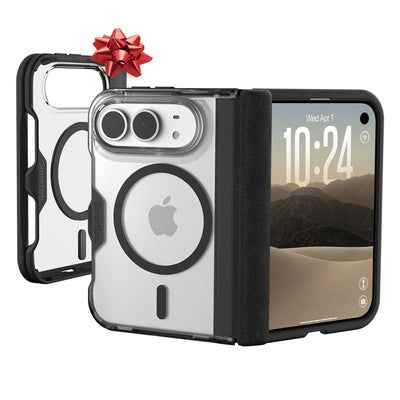
slim cases That extra cost may make sense if you use magnetic chargers or accessories and want them to attach through the case. If you charge with a cable and rarely use magnetic accessories, the feature may not earn its place in your budget. Check the exact model’s compatibility rather than assuming a slim case supports MagSafe. Gripmunk is one Smartish example marketed as MagSafe compatible.
Adhesive-slim designs and brand markup
Adhesive-based designs can keep a case profile thin, but they may frustrate you if you want to remove or reposition the case. Some users in Reddit discussions describe disliking adhesive cases, a reminder that convenience is part of value. Brand pricing can reflect design, presentation, and marketing, not just protection. Treat those comments as personal experience, not controlled durability testing.
The Real Cost of Ownership: Cost Per Year, Hidden Costs, and Replacements
A case’s purchase price is only one part of its cost. How long it stays usable, whether it fits your charging routine, and whether you replace it after a poor fit all affect its value. Slim-case buyers sometimes cycle through several designs while looking for protection, comfort, and appearance in one package. That is not a typical cost for every buyer, but it shows why checking features and compatibility before buying can help avoid repeat purchases.
The cost-per-year math: a $12 case replaced twice vs. a $30 case that lasts
Use cost per year as a simple comparison, not a promise about product life. The lower-priced option is not automatically the better value, and the higher-priced one does not automatically last longer. These examples assume the stated replacement pattern; your result depends on wear, fit, and how you use your phone.
Hidden costs of budget cases: screen protectors, accessory conflicts, charging hassles
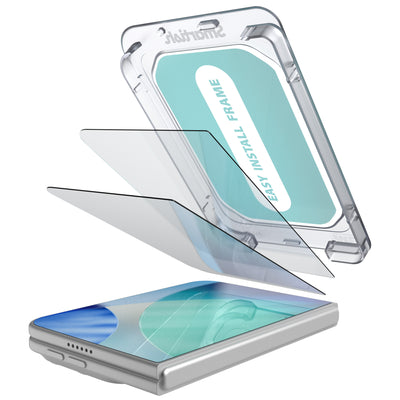
A low price can lose its appeal if the case does not fit your setup. A case that interferes with a screen protector may lead to another purchase, while an accessory that blocks charging can add daily hassle. Users have described needing to remove grips or kickstands to charge; check accessory placement and charging access before buying. Smartish Cases are designed with precise cutouts: the camera control button area is cut out while other buttons are covered. Confirm the exact case and phone fit, since compatibility varies by model.
When durability data should change your mind
Look for specific, relevant evidence rather than assuming a premium price means longer service. A clear description of materials, edge coverage, and testing is more useful than broad durability language. Smartish Gripmunk and Gripzilla are drop tested, though that does not predict how long an individual case will last in every routine. Customer reviews and Reddit comments can reveal recurring complaints about cracking, peeling, fit, or charging conflicts, but they are personal reports, not standardized tests. Use them alongside product details and your priorities.
How Much Should You Spend? A Simple Buying Framework

For a practical purchase, start with your routine and the features you will use, not the highest price you can justify. A commuter may value a secure grip and accessible charging; someone who travels may want magnetic accessory support. Before buying, confirm the case fits your exact phone model and works with your screen protector, charger, and other everyday gear.
Match your budget to your lifestyle (commutes, travel, everyday carry)
For everyday carry, look for a comfortable profile, covered buttons, precise cutouts, and protection details that suit regular use. If your phone joins you on commutes or outdoor outings, textured sides and cushioned corners may matter more than a specialty finish. Frequent wireless charging or magnetic accessories can make MagSafe compatibility worth considering. If you travel with a wallet case or separate grip, check that your setup does not block charging or make the phone awkward to hold. Spend on useful features, not a case’s most impressive-sounding material.
Smartish's approach: fair pricing, no sticker shock
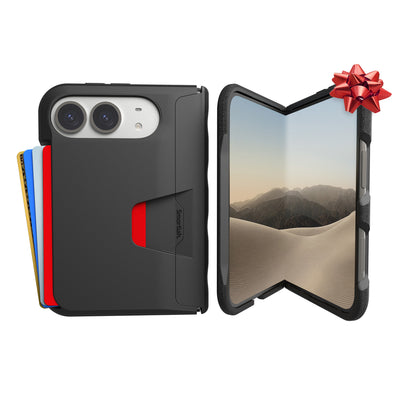
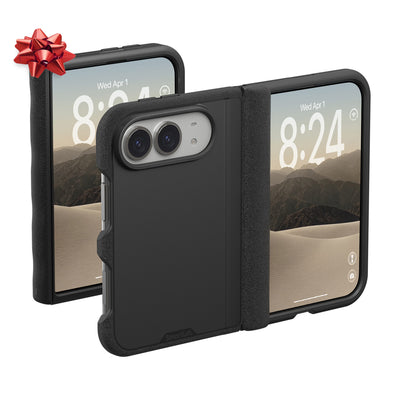
At Smartish, we design around small daily hassles: slippery sides, exposed edges, and phones that need to work with the accessories people already use. Gripmunk is our slim example, with air-pocket corners, raised screen edges, a raised camera ring, and a grippy feel that is not sticky. Smartish Cases include options for different needs, but features and phone compatibility vary by exact design. Check the product details before choosing. Our Cases keep practical details in the mix without asking you to pay for features you will not use.
Slim protective case cost FAQs
What should I budget for a good slim case? The right choice depends on construction and the features you need. Are expensive slim cases worth it? They can be if you value a particular material or design, but price alone does not show how long a case will last. Compare protection details, charging support, fit, and everyday comfort before deciding.
Frequently Asked Questions
How much do slim protective cases cost on average?
Price alone doesn't tell you how well a case will hold up, so check the protection features, materials, and fit before you buy.
What is the price range for a good slim case?
That mid-range tier usually includes practical details like raised camera rings, air-pocket corners, and grippy sides without charging you extra for a fancy finish you may not need.
Are expensive slim cases worth the money?
Not automatically. A premium price often reflects materials like aramid fiber or a particular finish, not proven better drop protection. Check the feature list, edge coverage, and fit instead of treating the price tag as a durability score.
Why do some slim cases cost $60 while others cost $12?
Price differences come down to materials, features, design choices, and brand positioning. Neither price guarantees better protection or a longer lifespan.
Does MagSafe compatibility cost more on a slim case?
If you use magnetic chargers or accessories, it's usually worth the bump, but confirm compatibility for your exact phone model before checkout.
What should I look for instead of price when buying a slim case?
Look at construction details: edge coverage, a raised camera ring, air-pocket corners, grip, button access, and charging compatibility. Slim describes a case's profile, not its protection level, so compare features at any price point.