



Key Takeaways
- An iPhone lens protector acts as a thin barrier to shield camera lenses from direct contact and potential damage.
- Lens protectors come in various forms, including tempered glass, film, metal rings, or hybrid designs.
- There are full module plates that cover all lenses and individual protectors for each camera lens.
- Although iPhone sapphire lenses resist everyday scratches, they remain vulnerable to impacts from keys, sand, or drops.
- Using a lens protector can help safeguard your iPhone camera during commutes and outdoor activities.
Table of Contents
- What Is an iPhone Lens Protector and Why Consider One?
- iPhone Lens Durability vs. Protector Realities
- Types of iPhone Lens Protectors – Pick Your Match
- How to Choose the Right iPhone Lens Protector
- Step-by-Step Installation Without Bubbles or Hassle
- Maintenance, Removal, and Lifespan Hacks
- Common Problems and Quick Fixes
- Lens Protectors vs. Smartish Case Protection – The Smarter Way?
- Final Verdict: Your Protection Strategy
- Future Considerations and Trends
- Your Smart Protection Strategy
What Is an iPhone Lens Protector and Why Consider One?
An iPhone lens protector is a thin barrier, typically tempered glass, film, metal ring, or hybrid design, that shields your camera lenses from direct contact. Core types include full module plates covering all lenses or individual protectors for each camera. While your iPhone's sapphire lenses resist everyday scratches, they're vulnerable to impacts from keys, sand, or drops during commutes and outdoor adventures.
Three scenarios where protection matters: gym bag scrapes from metal water bottles, beach sand grinding against lenses, and table drops where the camera bump hits first. Check your model before buying, iPhone 13-17 differences in camera bump size and layout affect compatibility. The right protector acts as a sacrificial layer, preserving your original lenses for clearer photos over time.
For those seeking all-around protection, pairing a lens protector with a case like Gripzilla ensures both your camera and phone edges are shielded from daily hazards.
iPhone Lens Durability vs. Protector Realities

Sapphire glass delivers impressive scratch resistance with its 9H rating, but it's prone to micro-cracks from drops that standard hardness tests don't reveal. While your iPhone lens won't scratch from pocket change, a single impact on concrete can create hairline fractures that affect photo quality permanently.
Scratches cause noticeable haze in low-light and night mode shots, exactly when you need crisp images most. Quality protectors layer oleophobic and hydrophobic coatings for clarity while absorbing impacts that would otherwise reach your sapphire lens. This coating difference explains why some photos look clearer through protected lenses than bare ones.
| Feature | iPhone Sapphire | Tempered Glass Protector |
|---|---|---|
| Scratch Rating | 9H | 9H |
| Drop Impact | Moderate | High (with edges) |
| Coating | None added | Oleophobic |
Test your lens integrity with a fingernail, no mark means it's intact. After outdoor adventures, inspect under light for haze that signals damage. For more on the science behind sapphire glass, see this detailed explanation of sapphire as a material.
Types of iPhone Lens Protectors – Pick Your Match
Four main types serve different protection needs. Tempered glass (0.2-0.5mm thick) offers full coverage with shatter-resistance. Metal rings use raised aluminum for scratch-only defense. Film protectors stay ultra-thin and flexible. Hybrid designs combine glass centers with metal frames for comprehensive coverage.
Thickness affects case fit, 0.3mm works ideally with slim cases, while thicker options may lift case edges. Anti-reflective coatings improve night shots by reducing lens flare. Measure your camera bump height (iPhone 16 Pro Max sits ~2mm raised) to ensure compatibility with your existing case and protector combination. If you're curious about the latest iPhone camera module changes, this iPhone 17 blog post covers the newest design trends and what they mean for lens protection.
How to Choose the Right iPhone Lens Protector
Four key criteria determine the best fit: model compatibility (iPhone 17 layout differs from earlier versions), thickness balance (0.2mm for slim cases vs. 0.5mm for maximum protection), coating quality (oleophobic prevents fingerprint buildup), and case clearance (especially MagSafe compatibility). Each factor impacts daily usability and photo quality.
Beginners should start with tempered glass kits that include alignment tools. Photography enthusiasts benefit from anti-glare and low-light optimized versions that reduce flare. Three selection tips: verify your iPhone model through settings, read reviews specifically mentioning photo tests, and choose hydrophobic coatings if you spend time outdoors.
Real-world pairing works best when matching protection levels, On-the-go Owen combines protectors with Gripmunk cases for extra edge lift that prevents lens contact entirely. This layered approach handles both scratches and impact scenarios without compromising MagSafe functionality.
Step-by-Step Installation Without Bubbles or Hassle

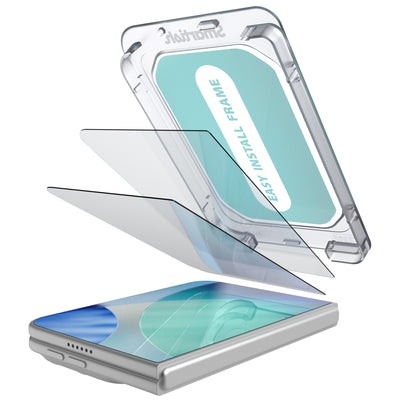
Seven precise steps prevent common installation failures: Clean lens with alcohol wipe (wait 30 seconds for complete drying), align frame using included lightbox or flashlight, apply from center with pea-sized pressure, press each lens for 10 seconds, wait 3 minutes for adhesive cure, then test camera focus. Rushing any step creates bubbles or misalignment.
Bubbles form from dust particles, fix immediately by lifting the edge with a credit card within 1 minute of application. For iPhone 17's larger camera module, use model-specific kits that account for the expanded layout. Poor alignment affects photo quality more than thickness, so take time getting placement right before pressing down. For more installation tips, check out this iPhone 17 screen protector guide.
Maintenance, Removal, and Lifespan Hacks
Clean weekly with microfiber cloth and breath moisture, never paper towels that scratch coatings. This simple routine preserves oleophobic treatments that keep fingerprints from affecting photo clarity. Weekly maintenance takes 30 seconds but extends protector life significantly.
Remove protectors by heating with hairdryer for 20 seconds, then peeling slowly from one corner. Clean residue with 99% isopropyl alcohol. Expect 6-12 months lifespan before haze appears. Test scratch resistance by dragging a key gently, no visible mark means the protector remains effective. Replace immediately if scratches appear or photos develop haze.
Common Problems and Quick Fixes
Most iphone lens protector issues stem from installation mistakes or choosing the wrong thickness. Blurry photos typically indicate misalignment, remove and reapply within the first hour for best adhesion. Flash glare happens when cheap protectors lack anti-reflective coating.
| Problem | Root Cause | Quick Fix |
|---|---|---|
| Blurry photos | Misalignment or excessive thickness | Realign in 1 minute; switch to 0.2mm |
| Night mode haze | Low-quality material | Upgrade to hydrophobic coating |
| Bubbles/dust spots | Poor surface preparation | Lift edge, clean, reapply in 2 minutes |
| Case incompatibility | Protector too thick | Use 0.3mm max; check edge clearance |
| Flash ghosting | Reflective surface | Clean thoroughly; angle test shots |
When Mommy Blogger needs perfect shots for social media, she tests each lens individually under different lighting. If one lens produces softer images, that specific protector needs replacement, not the entire set. For more on maximizing photo clarity, see this guide to the best iPhone 17 Pro Max screen protectors.
Lens Protectors vs. Smartish Case Protection – The Smarter Way?

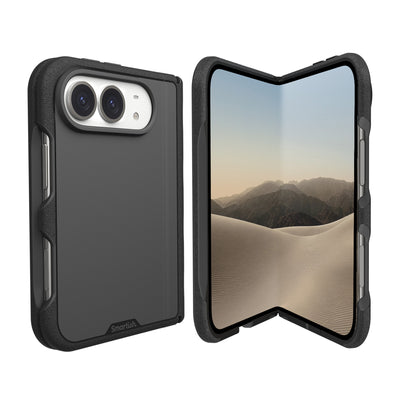
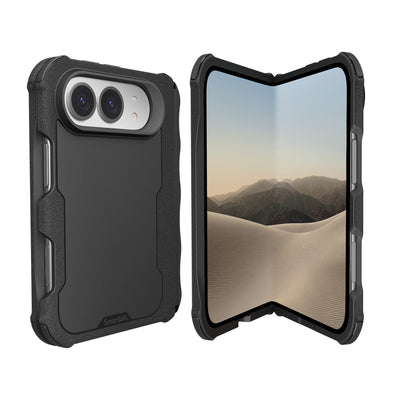
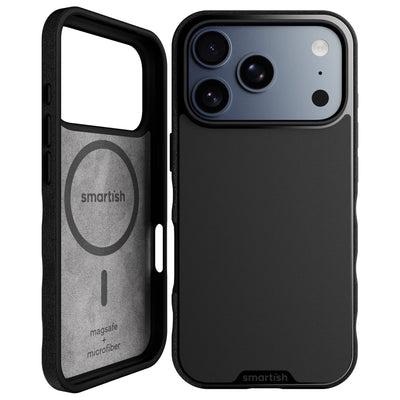
While adhesive protectors offer direct coverage, Smartish cases like Gripzilla and Gripmunk provide superior protection through raised camera rings that prevent lens contact entirely. The 1mm raised edge creates a protective barrier without affecting photo quality, while air-pocket corners absorb drop impact across the entire device. This passive protection eliminates installation hassles and compatibility concerns.
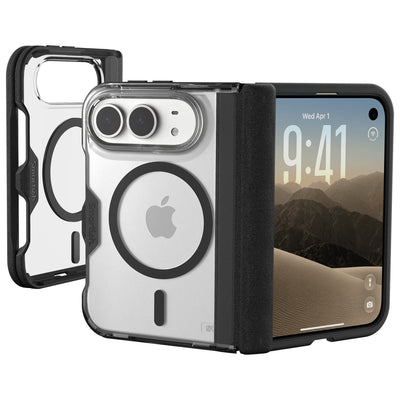
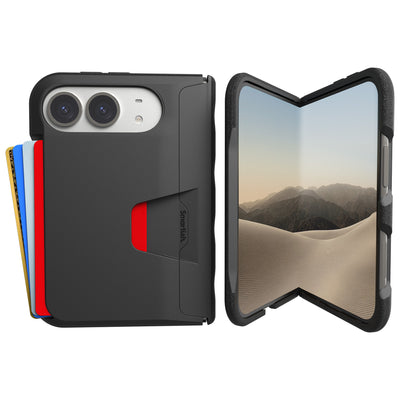
Smartish cases deliver comprehensive protection beyond just lenses. Gripzilla's rigid backplate and drop-tested durability handle 6-foot falls repeatedly, while maintaining MagSafe compatibility. The Wallet Slayer series adds card storage without bulk, making separate iphone lens protector installation unnecessary for most users. On-the-go Owen pairs his Gripmunk with outdoor adventures, knowing the raised edges and precise cutouts protect his camera without compromising quick shots.
| Protection Method | Lens Defense | Drop Protection | Photo Impact | Installation |
|---|---|---|---|---|
| Adhesive Protector | Direct glass layer | Minimal impact absorption | Potential blur/glare | Precise alignment required |
| Smartish Cases | Raised ring barrier | Full air-pocket system | Zero interference | Simple snap-on design |
Final Verdict: Your Protection Strategy
Most iPhone users find better value in quality cases with raised camera protection rather than separate lens protectors. Smartish cases eliminate installation complexity while providing superior drop protection and maintaining photo clarity. The raised edges prevent surface contact during daily use, outdoor activities, and commutes.
Choose standalone iphone lens protector options only if you prefer minimalist phone aesthetics or already own a case without adequate camera protection. For comprehensive protection that handles real-world scenarios, from gym bag scrapes to hiking adventures, Smartish cases for iPhone 15 Pro offer the smarter solution. Tech Enthusiast Ted appreciates the engineering behind passive protection that works without user intervention, while Everyman Millennial values the simple installation and reliable performance.
Future Considerations and Trends
iPhone 17 models will likely feature larger camera modules and enhanced computational photography, making precise iphone lens protector fit even more critical. Advanced coatings like graphene-enhanced glass promise better scratch resistance with thinner profiles, while smart protectors may integrate with iOS to detect damage automatically.
The trend toward seamless protection favors cases with integrated camera defense over separate adhesive layers. As MagSafe ecosystems expand, compatibility becomes paramount, protectors that interfere with magnetic alignment will become obsolete. Smartish continues evolving case designs to anticipate these changes, ensuring raised camera protection adapts to new iPhone geometries without compromising functionality. For official Apple guidance on cleaning and maintaining your iPhone, see Apple's support article on device care.
Tech Evolution Impact: Future iPhone cameras will demand protectors under 0.2mm thickness to maintain autofocus speed and computational photography accuracy.
Your Smart Protection Strategy

Skip standalone iphone lens protector installation if you value simplicity and comprehensive defense. Smartish cases deliver superior protection through raised camera rings that prevent contact while maintaining photo quality. The engineering behind passive protection eliminates user error and provides consistent performance across all scenarios.
For users committed to minimal aesthetics, choose tempered glass protectors under 0.3mm with anti-reflective coating. However, most iPhone owners discover better value in quality cases that protect the entire device while solving lens vulnerability. Smartish cases like Gripzilla and Gripmunk for iPhone 16 Pro Max offer the complete solution, drop protection, scratch prevention, and MagSafe compatibility without installation complexity. The raised edges work automatically, whether you're capturing sunset photos or navigating busy commutes, making separate iphone lens protector products unnecessary for practical protection needs.
Frequently Asked Questions
What are the different types of iPhone lens protectors available and how do I choose the right one?
iPhone lens protectors come as tempered glass, film, metal rings, or hybrid designs. You can choose full module plates that cover all lenses or individual protectors for each camera. Pick one based on your lifestyle and camera layout, full plates offer more coverage, while individual protectors keep things slim and precise.
How does an iPhone lens protector improve durability compared to the built-in sapphire glass lens?
While iPhone lenses use tough sapphire glass that resists scratches, they can still suffer impact damage from drops, keys, or sand. A lens protector adds a sacrificial layer that absorbs scratches and impacts, helping keep your original lenses clear and your photos sharp over time.
Can using a lens protector affect the photo quality of my iPhone camera?
A quality lens protector is designed to be ultra-clear and thin, so it won’t noticeably affect photo quality. Properly installed protectors maintain sharpness and color accuracy, letting your camera perform as intended while adding protection.
What are the best practices for installing and maintaining an iPhone lens protector to ensure maximum protection?
Clean your lenses thoroughly before installation to avoid bubbles or dust. Align the protector carefully and press gently to secure it. For maintenance, keep the protector clean with a soft cloth and replace it if it gets scratched or cracked to maintain optimal camera clarity.