


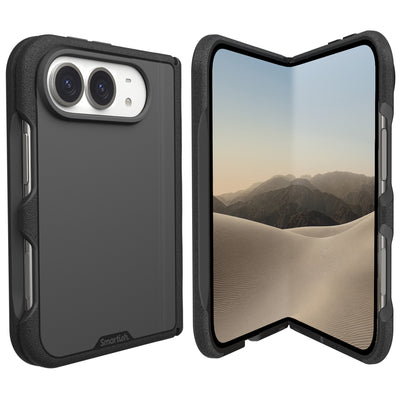
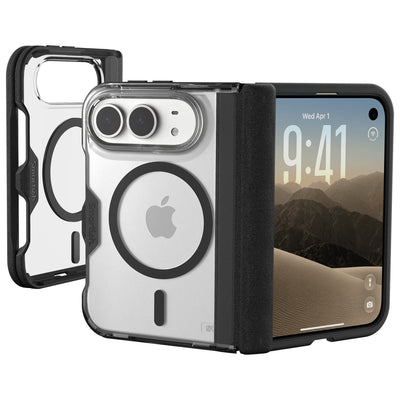
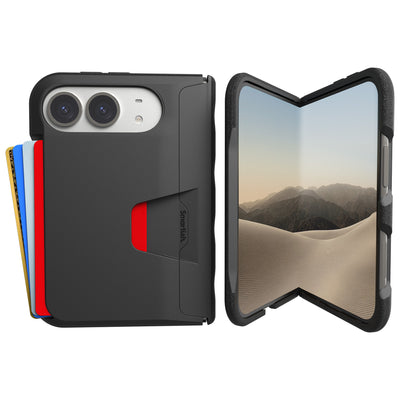
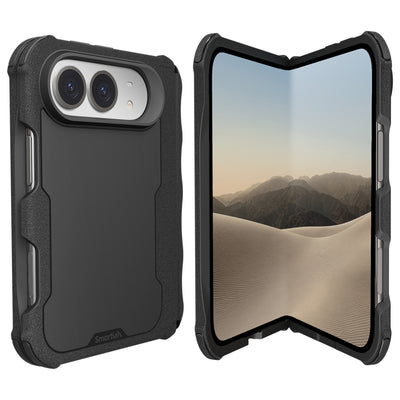
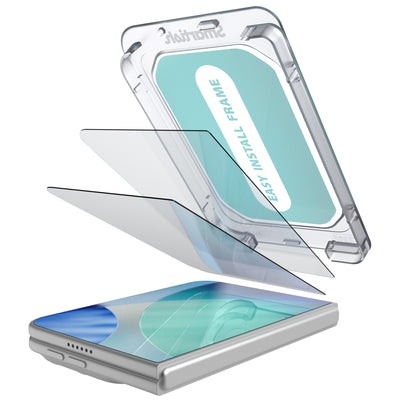
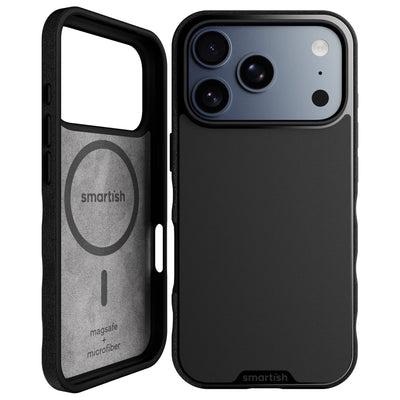

front wallets
So, you've got a phone that can do pretty much everything short of making your coffee, but it still lives in your front pocket. Makes sense. It’s the safest, most accessible spot. Now, think about your wallet. Is it also living its best life, or is it a bulky burden causing you to lean funny when you sit down? We believe your essentials should make life easier, not harder. That’s why we’re exploring front pocket wallets. The smart way to carry what you need without the unnecessary baggage.
Key Takeaways
- Your front pocket is prime real estate, so your wallet should fit the same slim profile as your phone.
- A bulky wallet twists your back when you sit, turning a small pocket into a daily annoyance.
- The smartest wallets hold just your essentials, letting you carry less without losing what you need.
- Switching to a front pocket wallet is a simple design fix that makes every day a little easier.
Carrying less is more, and that applies directly to your everyday carry. Let’s talk about why that wallet deserves a promotion to the front lines of your pocket.
Why Your Wallet Belongs in Your Front Pocket
What Is a Front Pocket Wallet?
Simply put, a front pocket wallet is any wallet designed to be comfortably and securely carried in the front pocket of your pants or jacket. Unlike traditional bulky bifold or trifold wallets meant for the back pocket, these are built with a focus on slimness and accessibility. They come in various forms, from minimalist cardholders to sleek leather pouches and even integrated phone cases. The core idea is to reduce the profile of what you carry daily, making it less noticeable and more convenient, especially as we move towards carrying fewer physical items.
The Real Problem With Back Pocket Wallets
Ah, the classic back-pocket wallet. It’s been around forever, but let’s be honest, it’s a pain in the posterior. Literally. Sitting on a thick wallet for extended periods can lead to discomfort, disrupt your posture, and even cause back pain over time. Beyond mere discomfort, a back pocket wallet is a prime target for pickpockets, especially in crowded areas. Plus, the constant pressure can stretch your wallet out, making it even bulkier and potentially causing cards or cash to slip out unnoticed. It’s a recipe for awkwardness and insecurity.
Industry estimates suggest over 60% of men now opt for front pocket carrying, largely to avoid these very issues. It’s a practical shift driven by a desire for better comfort and improved security. The back pocket just isn't cutting it anymore for people who value ease and safety.
Benefits: Comfort, Security, and Less Bulk
Switching your wallet to your front pocket offers immediate, tangible advantages. The most obvious is comfort; you can sit, stand, and move without that distracting lump. This improved comfort supports better posture and reduces strain. Security is another major win. Keeping your wallet in your front pocket makes it much harder for someone to access it without your knowledge, significantly lowering the risk of theft. This is especially reassuring in busy environments.
Additionally, the move often encourages a more minimalist approach to what you carry. Front pocket designs typically hold fewer items, forcing you to pare down to essentials like a few cards and some cash. This leads to less bulk overall, making your pockets feel lighter and less stuffed. Many modern materials, like metal or specialized synthetics, can hold 6-8 cards and cash comfortably without expanding, as noted in industry discussions. This slimness-to-functionality ratio is key to the appeal of modern front wallets.
How to Choose a Front Pocket Wallet (Without Overthinking It)

Material Showdown: Leather vs. Metal vs. Nylon vs. Phone Cases
The material of your front pocket wallet significantly impacts its feel, durability, and capacity. Traditionalists might lean towards slim leather wallets, which offer a classic look and can last over a decade with care, developing a nice patina over time. But, leather can sometimes stretch out, losing its slim profile. For maximum durability and a modern aesthetic, metal cardholders are excellent choices. They’re typically rigid, resistant to damage, and often offer RFID-blocking capabilities, meaning they can last indefinitely with minimal wear. Nylon and fabric wallets are lightweight and often the most budget-friendly, offering a casual feel and good grip, though they might not always feel as premium or offer the same level of protection.
The phone wallet case is another category entirely. By integrating card storage directly into your phone case, you consolidate your most essential items into one unit. This approach eliminates the need to carry a separate wallet altogether, offering unparalleled convenience and reducing the number of items you need to keep track of. While some might worry about added thickness, smart designs balance this with functionality and protection, ensuring your phone and cards are secure and accessible.
Capacity: How Many Cards Do You Actually Carry?
This is where you gotta be real with yourself. Most people think they need to carry their entire card collection, but the reality is often much simpler. The average person carries about 6-8 cards and perhaps a bit of cash. Overstuffing your wallet is the enemy of slimness and comfort, and it’s a common reason back-pocket wallets get misshapen. A good front pocket wallet should comfortably accommodate your daily essentials without forcing you to leave cards behind or cram them in.
When looking at capacity, consider not just the number of cards but also the type. Some wallets are designed primarily for cards, while others have a dedicated slot or band for cash. If you frequently carry bills, a front pocket wallet with a money clip or an elastic band that can secure folded cash is a practical choice. Don’t buy a wallet that holds twenty cards if you only ever use five; aim for a capacity that matches your actual needs to maintain that desired slim profile.
Security Features Worth Considering
In today’s world, keeping your financial information safe is more important than ever. One key security feature to look for is RFID-blocking technology. This is especially relevant for metal front pocket wallets, as the metal itself can be designed to block radio frequencies that digital thieves could use to skim your card information wirelessly. Demand for RFID-blocking wallets has seen a significant rise, with some reports indicating a 40% increase in consumer interest over the past five years. This feature adds peace of mind, ensuring your cards are protected from unauthorized scanning.
Beyond RFID protection, the physical security of the wallet itself matters. A well-designed wallet will hold cards and cash securely, preventing them from slipping out, especially when you’re active. Features like sturdy elastic bands, secure card slots, or a well-tensioned money clip contribute to this. The inherent security of carrying your wallet in your front pocket. Making it harder to pickpocket. Is already a major advantage, but these additional features offer an extra layer of confidence for your peace of mind.
The Slimness-to-Function Trade-Off
Finding the perfect balance between carrying everything you need and keeping your pocket sleek is the eternal quest. This is the core trade-off when choosing a front pocket wallet: how much functionality can you get without sacrificing that essential slimness? A wallet that’s too thin might not hold enough cards or cash, while one that’s too thick defeats the entire purpose of moving to the front pocket. It’s about identifying what "slim" means to you and what "functional" entails for your daily routine.
Consider how often you access your cards or cash. If you’re constantly pulling out your ID or payment cards, a wallet that offers quick access, perhaps with a thumb-slide mechanism or an easily accessible ID window, might be worth a slightly thicker profile. Conversely, if you primarily use a few tap-to-pay cards and only occasionally need cash, an even more minimalist design might be ideal. The goal is to find a wallet that works with your habits, not against them, ensuring that your front pocket remains a place of comfort and convenience, not clutter.
Front Pocket Wallet Types Compared: Which Style Fits Your Life?
So, you're ready to ditch the back-pocket bloat and embrace the streamlined life of a front pocket carrier. Awesome. But not all front pocket wallets are created equal. They range from classic leather slim-downs to futuristic metal marvels, each with its own vibe and utility. Choosing the right one boils down to what you actually need and how you move through your day. Let’s break down the main categories to help you find your perfect fit.
Traditional Slim Leather Wallets
When you think "wallet," chances are a leather bifold or cardholder comes to mind. Slim leather wallets aim to capture that classic feel but trim down the bulk significantly. They’re often crafted from high-quality leathers that develop a unique patina over time, making each one personal. These are great for people who appreciate a traditional aesthetic and don't want to carry a ton of cards. They usually have a few card slots and sometimes a slip for folded cash. Leather wallets can last a decade or more with good care, offering a blend of timeless style and durability.
Pros
- Classic, sophisticated look
- Develops a unique patina with age
- Comfortable and familiar feel
- Good durability if well-made
Cons
- Can stretch out over time, losing slimness
- May not offer RFID protection inherently
- Can be less water-resistant than other materials
- Capacity is often limited
Metal Card Holders
For the minimalist who prioritizes security and ruggedness, metal cardholders are a top contender. Think sleek aluminum, titanium, or stainless steel. These are built like tanks, designed to withstand just about anything your daily grind throws at them, often lasting indefinitely without showing wear. Many metal options come with built-in RFID blocking, giving you an extra layer of digital security against card skimming, a feature that has seen demand jump by 40% in recent years. They typically hold cards tightly, preventing any from falling out, and often feature a money clip or strap for cash.
Pros
- Extremely durable and long-lasting
- Often include RFID blocking for security
- Rigid construction prevents card bending/loss
- Modern, minimalist aesthetic
Cons
- Can feel cold or heavy for some users
- May scratch or scuff surfaces
- Less forgiving if you need to carry bulky items
- Less natural feel than leather
Minimalist Nylon and Fabric Wallets
If lightweight, casual, and budget-friendly are your priorities, nylon and fabric wallets are worth a look. These materials are super light, offering a comfortable feel in your pocket without adding noticeable weight. They're often water-resistant and easy to clean, making them perfect for active lifestyles or unpredictable weather. Many feature simple card slots and an elastic band for cash, keeping things streamlined. While they might not offer the same premium feel as leather or metal, they excel at keeping a low profile and are a solid choice for everyday use without breaking the bank.
Pros
- Lightweight and comfortable
- Often water-resistant and easy to clean
- Affordable price point
- Good grip, less likely to slip out
Cons
- Can wear out faster than leather or metal
- May not feel as premium
- Limited structural rigidity
- Designs can sometimes look basic
Phone Wallet Cases: The Two-in-One Approach
Why carry two things when you can carry one? Phone wallet cases combine your most essential items. Your phone and your wallet. Into a single, convenient unit. This category is growing rapidly because it radically simplifies your everyday carry. Instead of a separate wallet, you have a case with dedicated slots or a compartment for cards and cash, usually on the back. This means your phone, which is already a constant companion, now also holds your payment methods. It’s a smart evolution for anyone looking to carry as little as possible while keeping their essentials secure and accessible right in their front pocket.
Pros
- Combines phone and wallet into one item
- Maximizes convenience and minimizes pocket clutter
- Keeps essentials together and easily accessible
- Offers phone protection alongside card storage
Cons
- Can add thickness to your phone
- Requires removing phone to access all cards/cash
- May limit wireless charging options
- If you lose your phone, you lose your wallet too
| Wallet Type | Primary Material | Typical Capacity (Cards) | Price Range | Weight | RFID Blocking |
|---|---|---|---|---|---|
| Slim Leather | Leather | 3-8 | $$ - $$$ | Light to Medium | Sometimes |
| Metal Card Holder | Aluminum, Titanium, Steel | 4-15 | $$ - $$$$ | Medium to Heavy | Often Standard |
| Nylon/Fabric | Nylon, Polyester, Canvas | 2-6 | $ - $$ | Very Light | Rarely |
| Phone Wallet Case | Plastic, TPU, Leather (Case); Various (Card Slot) | 2-5 | $$ - $$$ (Case + Wallet Function) | Adds to Phone Weight | Sometimes |
The Phone-First Front Wallet: Why Your Case Should Hold Your Cards
Let’s get real for a second. Your smartphone is already glued to your hand, and it’s probably living in your front pocket anyway. It’s the safest, most convenient spot for the device that runs, well, everything. So, why are we still carrying a separate lump in another pocket? It’s time to think smarter. Your phone is the perfect canvas for consolidating your essentials. Why not let your phone case do double duty and ditch the separate wallet altogether? It’s a design problem waiting for a simple, elegant solution.
The Math Is Simple: One Pocket, One Thing to Carry
Carrying a phone *and* a wallet in your front pocket means you’re managing two items, each taking up space and having its own potential for discomfort or security risk. By integrating card and cash storage into your phone case, you consolidate. Suddenly, that front pocket holds just *one* thing: your phone, which conveniently contains your payment methods. This isn't just about carrying less; it's about streamlining your entire interaction with your essentials. Accessing your cards becomes as simple as pulling out your phone, and you eliminate the worry of where your wallet is because it's always with your phone.
Inside the Wallet Slayer Vol. 1 and Vol. 2
This is exactly the kind of problem we love to solve at Smartish. We looked at the wallet situation and thought, "There has to be a better way." That's how the Wallet Slayer was born. The Vol. 1 is our take on the minimalist cardholder, designed to fit discreetly into your phone case, holding a few essential cards securely. It’s for those who want to carry just the bare minimum. Then came Vol. 2, which takes it a step further by adding a functional kickstand. Now you can prop up your phone for watching videos or video calls, all while keeping your cards close at hand. It’s about adding utility without adding excessive bulk.
Pros
- Consolidates phone and wallet into one unit
- Simplifies everyday carry
- Keeps essentials accessible and secure
- Vol. 2 adds a functional kickstand
Cons
- Adds some thickness to the phone case
- Requires removing phone to access all cards
- May not hold as many cards as a dedicated wallet
- Potential for losing both phone and wallet if misplaced
Real-World Pocket Comfort and Drop Protection
We obsess over making sure our cases feel good and protect your phone. When you add a card-holding function, the key is maintaining that slim profile. Our Wallet Slayer cases are engineered with air-pocket corners and raised camera rings, standard features that guard against drops and screen damage. The card-holding mechanism is designed to be secure but not so bulky that it makes your phone uncomfortable to hold or carry. We’ve tested these extensively. You know, the real-world stuff: commuting, fumbling for keys, accidental drops on the sidewalk. The goal is protection and convenience, without turning your phone into a brick.
Built for iPhone 17 and Beyond
We design our products for the devices people actually use and love, and we plan ahead. Our Wallet Slayer cases are crafted to fit the latest iPhone models, ensuring a precise fit that doesn’t interfere with buttons or ports. We’re always looking at what’s next, so you can trust that our cases are built with future compatibility in mind, whether that’s for the iPhone 17 or whatever comes after. Beyond just fit, we offer a range of customizable designs that let your personality shine through, because practical doesn't have to mean plain. It’s about making your tech work for you, in style and with solid protection.
The beauty of a phone wallet case is its inherent simplicity. It tackles the common problem of carrying too many items by merging your most indispensable tech with your most frequent payment methods, all within the familiar form of your smartphone. This approach minimizes clutter and maximizes accessibility, making it a smart choice for anyone seeking a more streamlined digital and physical wallet experience.
Front Pocket Wallet FAQs: Quick Answers Before You Buy

Are front pocket wallets more comfortable than back pocket wallets?
Yes, front pocket wallets offer a noticeable comfort boost compared to back pocket wallets. Sitting on a bulky wallet in your back pocket can cause discomfort, disrupt posture, and even lead to back pain over time. Front pocket wallets avoid this by sitting in a spot less exposed to pressure and movement. This reduces the annoying lump when sitting and lessens strain on hips and lower back. Additionally, carrying your wallet in the front pocket makes it easier to access and less likely to cause discomfort during daily activities, confirming why over 60% of men have switched to this style for comfort and practicality.source
How many cards can a slim front pocket wallet hold?
Most slim front pocket wallets accommodate between 4 and 8 cards comfortably, aligning with the average number of cards most people carry daily. Carrying fewer cards helps maintain the wallet's slim profile, which is critical for comfort and security in a front pocket. Some designs include a money clip or elastic band to hold a few bills alongside cards without adding bulk. Overloading a wallet defeats its purpose by increasing thickness and reducing comfort, so choosing a wallet that matches your actual card count is key to staying streamlined.source
What materials are best for front pocket wallets?
Choosing the right material depends on your priorities. Leather offers a classic look with a comfortable feel and can last over a decade when cared for properly. It develops a unique patina but may stretch and absorb moisture. Metal wallets, typically aluminum, titanium, or stainless steel, provide durability and built-in RFID blocking, often lasting indefinitely. Nylon or fabric wallets are lightweight, affordable, and often water-resistant, though they might wear out faster and feel less premium. The choice hinges on balancing durability, aesthetics, and weight, with each material serving different lifestyles and preferences.source
Do front pocket wallets have RFID protection?
Many front pocket wallets now include RFID-blocking technology to prevent electronic pickpocketing, a concern that has grown with increasing digital theft attempts. Metal wallets often incorporate RFID shielding as a standard feature due to the natural blocking properties of the material. Leather and fabric wallets may include RFID-blocking liners or layers, but not all do, so it's important to check product details if this is a priority. Demand for RFID protection in wallets has risen by about 40% over the past five years, reflecting consumer interest in safeguarding personal data.source
Can a phone case really replace my wallet?
Yes, a phone case with integrated card storage can replace a traditional wallet for many people, especially those who carry a minimalist selection of cards and cash. These “wallet cases” simplify everyday carry by consolidating essentials into one item, reducing pocket clutter and improving convenience. While they may add some thickness to your phone, well-designed cases maintain comfort and protection. This approach suits people who prefer carrying less and value quick access to their essentials. Keep in mind, losing your phone means losing your wallet too, so consider your habits before committing to this style.
Front wallets reap rewards in comfort, security, and simplicity. Whether you prefer leather, metal, or a phone wallet case, the trend toward carrying less while keeping essentials close is clear. Choosing the right style and capacity for your needs ensures you stay comfortable and secure without sacrificing function.
References
Frequently Asked Questions
How do front pocket wallets improve daily comfort and posture?
Front wallets improve daily comfort and posture by eliminating the thick lump that pushes your hips out of alignment. Carrying your essentials in the front pocket allows you to sit and stand naturally without constant pressure on your lower back. This simple shift reduces strain and keeps your spine in a healthier position throughout the day.
What materials are best for a slim front wallet?
Front wallets made from slim leather develop a nice patina over time while metal cardholders offer rigid durability and built-in RFID blocking. Nylon and fabric options provide a lightweight, budget-friendly grip, while integrated phone cases consolidate your gear into a single unit. Choosing the right material depends on whether you prioritize classic aesthetics, maximum protection, or total consolidation.
How many cards and bills should a minimalist wallet actually hold?
Front wallets should comfortably hold your daily essentials, which typically means six to eight cards and a small roll of cash. Overstuffing any pocket accessory defeats the purpose of slimness and often causes the material to stretch out of shape. You should only pack what you actually use daily to maintain that clean, flat profile.
Do front pocket wallets provide better security against theft?
Front pocket wallets significantly reduce theft risk because keeping your valuables in your direct line of sight makes pickpocketing much harder. You can feel every movement and access your cards instantly without turning around or reaching behind you. This constant awareness creates a much safer carrying experience in crowded streets or busy transit hubs.
What security features should I look for in a modern cardholder?
Modern front wallets should include RFID blocking technology to prevent digital thieves from scanning your contactless card information remotely. Metal designs naturally offer this protection while maintaining a rigid structure that resists wear. You should also verify that the closure mechanism securely holds your cards in place during sudden movements or drops.
How do I transition from a bulky back pocket wallet to a front design?
Transitioning to a front wallet means paring down your carry to only the absolute essentials you use every single day. Start by removing expired cards, unused gift cards, and excessive receipts until your new slim design sits flat and comfortable. This minimalist approach forces you to carry less baggage and keeps your pockets feeling light.