



frameless iphone case
I am Matt, the founder and CEO of Smartish. I am a design nerd obsessed with solving unexpected needs. After years of being bogged down with a wallet and a phone at all times, I took matters into my own hands. I sat down and sketched a wallet-phone-case hybrid, handed over my design to a friend, which was drawn on a napkin, and remarked, “That’s smart.” The immediate response was, “-ish.” The first Smartish product, the Wallet Slayer, became a hit and solidified my desire to make products that actually work for you.
Key Takeaways
- Frameless cases let you show off your phone's design but often sacrifice drop protection and grip.
- You might save a few bucks upfront with a frameless case, but a cracked screen or back glass will cost you way more in the long run.
- Alternatives like a slim bumper or a clear case with reinforced corners give you that near-naked look without leaving your phone vulnerable.
- I learned from designing the Wallet Slayer that a case should solve a real problem, not just look good on a shelf.
- Before you buy a frameless case, ask yourself if you're okay with replacing your phone every time you drop it on concrete.
Your iPhone is practically an extension of your hand, your digital lifeline, your pocket-sized portal to everything. You love the way it feels. Sleek, smooth, and perfectly proportioned. But let’s be real, gravity does not care about aesthetics. That moment of panic when your phone slips? It’s a universal experience, and for many, the immediate thought is a bulky case. But what if you could keep that "naked phone" feel without signing up for constant anxiety?
Enter the frameless iphone case. It sounds like the dream: maximum phone exposure with minimum case interference. We’ve all seen them, maybe even admired the minimalist aesthetic. But before you ditch all protection for that perfectly clear view, let's get down to the nitty-gritty. We’re here to spill the tea on the nature of these cases, why people are drawn to them, and the honest-to-goodness reality of living life on the edge… or rather, the corner.
What Is a Frameless iPhone Case?
A frameless iphone case is essentially a minimal bumper that attaches only to the corners or very edges of your iPhone, leaving the back, sides, and most of the frame exposed. The goal is to offer a tiny bit of protection against minor bumps and scratches while preserving the phone's original design and feel as much as possible. It’s a far cry from the full-coverage traditional cases you expect.
How a Frameless Case Works
The magic of a frameless iphone case lies in its extreme minimalism. Instead of encasing your entire device, these cases typically consist of just a few small pieces of material. Often made of plastic or metal, they are strategically placed at the four corners of the phone. Some designs might extend slightly along the edges, but the core idea is to prevent the phone's frame from making direct contact with surfaces when laid flat or during light impacts. Think of it as a tiny stand for your phone, keeping its most vulnerable edges slightly elevated. This allows you to see the phone's original colors and materials, a major draw for those who appreciate Apple's design work and do not want to cover it up. For future devices, like the potential iPhone 17, these designs are also being explored to maintain that sleek, unadulterated look.
Frameless vs. Traditional vs. Slim
The difference between a frameless case and other types is stark. A traditional case wraps around your entire phone, offering durable protection for the back, sides, and often a significant lip around the screen. They can be bulky but provide peace of mind. Then there are slim cases, which offer a more streamlined profile than traditional ones but still cover the back and sides of the phone, usually with a raised lip for screen protection. They strike a balance between protection and pocketability. A frameless iphone case, on the other hand, is the minimalist extreme. It’s more like an accessory that attaches to points rather than a full enclosure. While it lets you see almost all of your phone, it sacrifices the comprehensive protection that even a slim case provides. The back glass, sides, and camera lenses remain largely exposed, making them susceptible to scratches and, well, gravity's less friendly moments.
The Appeal and the Catch of Going Frameless

Why would anyone choose a case that barely covers their phone? The primary allure is undeniable: the "naked phone" feel. People are drawn to the idea of experiencing their iPhone exactly as the designers intended. It’s about appreciating the phone’s original form factor, its materials, and its slim profile without the added bulk of a case. Many users report loving how the phone feels in their hand. It is lighter, thinner, and the natural texture of the phone itself is preserved. This desire to showcase the phone's aesthetic is a huge driver, especially for those who view their phone as a fashion statement as much as a tech gadget. It is about that pure, unadulterated connection to the device.
Why People Love the Naked Phone Feel
The sensation of holding an iPhone without a case is something many users simply cannot replicate with a traditional or even a slim protective case. It’s the direct touch of glass and metal, the uncompromised slimness that slips effortlessly into any pocket, and the unobstructed view of the phone’s original finish. For those who are meticulous about their devices, the idea is to enjoy the phone's premium design without covering it up. It feels more personal, more direct. This is particularly true for users who might be considering options like a frameless iphone 15 pro case or a similar setup for newer models, seeking that unhindered experience.
Where Frameless Cases Fall Short
Now for the honest truth, the "catch" in the frameless appeal. While they look cool and feel great, frameless cases offer very limited protection. The back glass, which is often a significant repair cost, is completely exposed. The sides are also vulnerable to scratches and dents. Drop protection is minimal; while corner bumpers can absorb some impact, there is no barrier for the screen or the back if the phone lands flat or on an edge. Many Reddit users discussing options like the arc pulse iphone case mention feeling nervous about drops, acknowledging that while it looks good, it does not truly guard against everyday mishaps. The grip can also be an issue, as the exposed sides offer less purchase compared to textured or bumper-style cases, making drops more likely in the first place. You are essentially trading substantial protection for aesthetics and a minimal feel.
What a Frameless Case Costs
Let's talk turkey about the price tag on these minimalist marvels. When you look at premium frameless iPhone cases, especially those sporting names that sound like they belong on a luxury watch, you are often looking at a bill that can range anywhere from $60 to a staggering $300. Seriously, for what amounts to a few strategically placed bits of metal or plastic? It makes you wonder what exactly is driving that cost. Is it the exotic materials? The artisanal craftsmanship? Or is it simply the price of perceived exclusivity in the quest for the ultimate "naked phone" experience?
Many users on forums like Reddit discuss these high-priced options, such as the arc pulse iphone case, with a mix of admiration for the look and sticker shock. Some budget-conscious folks even resort to cheaper alternatives found on sites like AliExpress, hoping to capture that frameless aesthetic without breaking the bank. It highlights a common frustration: the desire for a specific look and feel commanding a premium price that feels disconnected from the actual protective capabilities offered.
Premium Frameless Case Pricing Explained
So, what gives? The explanation often boils down to a few factors. For one, the materials can be pricier if they are using aerospace-grade aluminum, titanium, or specially treated composites. Then there is the design and engineering aspect; creating a minimal piece that precisely fits and securely attaches to an iPhone without adding bulk requires precision manufacturing. But, brands selling these high-priced frameless cases often position them as exclusive accessories, targeting a niche audience willing to pay for that specific, unadulterated phone feel and a certain status symbol. It is less about raw material cost and more about the perceived value and the lifestyle they represent.
The Real Math: Case Price vs. Repair Bills
Here is where the numbers get interesting. Let’s consider the cost of repairs. Replacing a cracked iPhone screen can easily set you back $300 or more, depending on the model. The back glass? Another substantial expense. Now, compare that to the cost of AppleCare+. For an iPhone 15 Pro, AppleCare+ might cost around $200 for two years of coverage, or roughly $10 a month. This plan covers accidental damage with a deductible, offering a more comprehensive safety net than many frameless cases can dream of. When you stack the $60-$300 price tag of a frameless case against the cost of potential repairs or the peace of mind offered by AppleCare+, the value proposition of a frameless case starts to look a bit shaky. You are paying a lot for minimal protection, and the cost of fixing the phone itself is often far higher.
Pricing Breakdown: Frameless vs. Protection
| Option | Typical Cost | Coverage Provided | Peace of Mind |
|---|---|---|---|
| Premium Frameless Case | $60 - $300+ | Minimal (corner/edge protection only) | Low to Moderate (high anxiety for drops) |
| AppleCare+ (2 years) | ~$200 (varies by model) | Accidental damage coverage (with deductible) | High (covers major repairs) |
| Budget Frameless Case (e.g., AliExpress) | $10 - $30 | Minimal (corner/edge protection only) | Very Low (often feels flimsy) |
Why a Fair Price Matters More Than a Premium Label
Ultimately, what matters is not the price tag of a case, but the value it provides. A well-designed, slim protective case that offers genuine drop protection, a secure grip, and features like raised screen edges can often be found at a fraction of the cost of high-end frameless options. These cases provide a much more practical balance: they keep your phone safe from everyday oopsies without adding excessive bulk, and they do not require you to take out a second mortgage. It is about smart design that solves real problems, not just following a trend. For example, a case like the Dancing Queen - Crossbody Wallet Case for iPhone 11 Pro Max, while a different category, shows how functionality can be integrated without exorbitant cost. The point is, functional protection does not have to cost a fortune or sacrifice all aesthetics.
Why a Slim Protective Case Beats Going Frameless
We get it. The allure of the naked phone is strong. You love the feel, the look, the pure design. But let’s be honest, gravity is a harsh mistress, and butterfingers happen to the best of us. This is where a thoughtfully designed slim protective case steps in, offering that sweet spot between the extreme minimalism of a frameless case and the bulk of a traditional armor shell. It is about getting genuine protection and a secure grip without turning your sleek iPhone into a pocket brick. Think of it as the smart middle ground, engineered to handle life’s little fumbles while still letting you appreciate your phone's design.
But, when you compare this to a frameless approach, the advantages become clear. A frameless case leaves your phone’s back, sides, and screen largely exposed. While it might prevent minor scuffs on the frame edges, it offers virtually no defense against drops onto hard surfaces, especially if the phone lands flat or on its screen. The risk of shattering the back glass or cracking the display remains sky-high. A slim protective case provides a layer of defense that a frameless design simply cannot match, all while maintaining a remarkably low profile.
Grip That Keeps Your Phone in Your Hand
One of the biggest practical issues with frameless cases is the lack of grip. When the sides of your phone are bare metal or glass, they can become incredibly slippery, especially in sweaty hands or during quick movements. This often leads to the very drops frameless users are trying to avoid. Slim protective cases, on the other hand, are designed with grip in mind. They feature textured sides, often with subtle finger grooves or a material that provides a secure hold without feeling sticky or unpleasant. This improved grip means your phone is less likely to slide out of your hand or off surfaces, adding a layer of everyday protection that a frameless case cannot offer. It is about security that feels natural, not forced.
Air-Pocket Corners: Real Drop Protection Without the Bulk
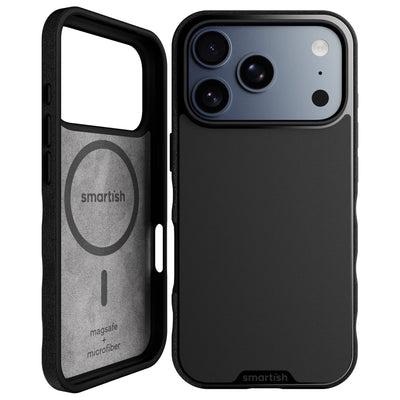
The secret sauce for drop protection in many slim cases lies in clever engineering, not just thick padding. Cases like the Smartish Gripmunk and Gripzilla use internal air-pocket technology in the corners. When your phone drops, these air pockets compress, absorbing and dissipating the impact energy before it can reach your device. This means you get significant drop protection. Often tested to withstand drops from several feet. Without the need for a bulky, over-engineered case. It is a sophisticated solution that directly addresses the fear of drops, something a frameless case, which lacks any substantial corner or edge cushioning, simply cannot do effectively.
Raised Screen Edge and Camera Ring: Face-Down and Flat-Back Defense
Another critical protective feature often missing from frameless designs is the raised lip around the screen and camera. A slim protective case typically features a slightly raised edge around the display and a protective ring around the camera module. This design ensures that when you place your phone face down on a table, the screen does not make direct contact with the surface. Similarly, the raised camera ring prevents the lenses from scratching when the phone is placed on its back. These simple, yet effective, design elements are absent in frameless cases, leaving the most vulnerable parts of your phone exposed to scratches and cracks from everyday placement.
Slim Case Features vs. Frameless Limitations
| Feature | Slim Protective Case (e.g., Smartish Gripmunk/Gripzilla) | Frameless Case |
|---|---|---|
| Grip | Improved, secure hold (textured sides, grooves) | Minimal to none (bare phone surface) |
| Drop Protection | Good to Excellent (air-pocket corners, tested) | Very Limited (corner bumpers only, no back/screen protection) |
| Screen Protection | Raised edge to prevent surface contact | None (screen fully exposed) |
| Camera Protection | Raised ring around camera module | None (lenses fully exposed) |
| Back Panel Protection | Fully covered and protected | Fully exposed |
| Aesthetics | Minimalist profile, various designs | Maximum phone exposure, minimalist look |
How to Choose the Right Minimal iPhone Case for You

Alright, so we've navigated the shiny, minimalist iPhone cases, peeked at their appeal, and, let's be honest, felt a little nervous about the protection factor. You've probably seen plenty of chatter on frameless iphone case reddit threads debating the pros and cons. Now comes the important part: figuring out what actually works for your life and your phone. It is not about picking the best frameless iphone case out there; it is about picking the best case for you, which might mean something entirely different.
Think about it. Your phone is your constant companion, your camera, your map, your connection to the world. You want it protected, sure, but you also want it to feel good in your hand and fit your lifestyle. Trying to find that perfect balance between keeping your device safe and maintaining that sleek, unadulterated feel is the real challenge. We're here to help you cut through the noise and land on a solution that actually makes sense, whether you're eyeing up the latest frameless iphone 16 pro max case or just want something that will not add bulk.
Match Your Case to Your Lifestyle
Let's get real about how you actually use your phone. Are you someone who is constantly on the go, juggling bags, keys, and coffee cups? Do you spend weekends hiking or hitting the gym? Or is your phone mostly used for scrolling on the couch and occasional errands? Your daily routine is the biggest clue. If your phone is frequently in situations where it could take a tumble, dropped into a backpack, knocked off a table, or fumbled during a quick text, then a frameless case might just be asking for trouble. The desire for a naked phone feel is strong, but it needs to be balanced with the reality of potential accidents. For active lifestyles or those prone to butterfingers, prioritizing drop protection is a no-brainer. Consider the environment your phone lives in; a construction site demands different protection than a cozy reading nook.
Conversely, if you are exceptionally careful, work in a low-risk environment, and simply love the pure feel of your device, a frameless option might appeal. Yet, even the most careful users can experience unexpected drops. It is about assessing your personal risk tolerance and how much a repair bill would sting. For future models, like a potential frameless case iphone 17, the core principle remains: does the minimal protection align with your daily life and your phone's vulnerability?
Quick-Start: Slim vs. Protective vs. Wallet
When you strip away the frameless idea, you are often left with three main paths for minimal, yet functional, protection: slim, protective, and wallet cases. A slim case, like the Smartish Gripmunk, offers a low profile that keeps your phone feeling sleek and pocketable. It provides basic protection against scratches and minor bumps with a raised lip for the screen and camera. It is for the user who wants just enough defense without adding noticeable bulk. It is the sensible middle ground for everyday use.
A protective case, such as the Smartish Gripzilla, steps up the defense game. It still maintains a relatively slim profile compared to extreme rugged cases, but incorporates more advanced shock absorption technologies, like air-pocket corners, and often a more substantial build. This is for those who know they are a bit clumsy, work in more demanding environments, or simply want maximum peace of mind without a brick-like phone. It is the smart choice when you know gravity is undefeated.
Then there are wallet cases. While not strictly "minimalist" in the frameless sense, they offer a different kind of utility by consolidating your essentials. For example, the Dancing Queen - Crossbody Wallet Case for iPhone 11 Pro Max, while designed for an older model, exemplifies how you can carry your phone, cards, and cash in one convenient package. This approach eliminates the need for a separate wallet, reducing pocket clutter. While it adds bulk compared to a slim or frameless case, it offers integrated functionality. For those looking to streamline what they carry, a well-designed wallet case can be a surprisingly practical solution, even if it does not showcase the phone's original design.
Frameless iPhone Case FAQ
Do frameless cases protect against drops?
Generally, frameless cases offer very minimal drop protection. They usually consist of small corner or edge bumpers. While these might absorb a tiny bit of shock on a corner impact, they leave the phone's screen, back, and sides largely exposed and vulnerable to damage from drops, especially if the phone lands flat or on an edge. They are not designed for significant impact resistance.
Are frameless cases compatible with iPhone 16 Pro Max and iPhone 17?
Yes, manufacturers are typically quick to design frameless cases for new iPhone models, including the frameless iphone 16 pro max case and anticipated models like the frameless case iphone 17 pro. The design principle of minimal contact points remains consistent across generations, though precise fitment will vary by model year.
Is a frameless case worth the price?
This is subjective and depends entirely on your priorities. If your absolute top priority is showcasing your phone's original design with virtually no added bulk, and you accept the significant trade-off in protection and grip, then you might find value in a premium frameless option. But, considering their high cost and limited protective capabilities, many users find that a well-designed slim protective case offers far better value, providing more defense and better grip at a fraction of the price. For most people, the answer is likely no, it is not worth the price for the protection offered.
What's the best alternative to a frameless case?
The best alternative is typically a high-quality slim protective case. These cases offer a balance between minimal bulk and genuine protection. Look for features like textured grips, raised screen bezels, camera protection rings, and internal shock-absorbing structures. Brands like Smartish offer options that provide a secure feel and durable defense without turning your phone into a brick. If carrying essentials is also a goal, a wallet case like the Dancing Queen - Crossbody Wallet Case for iPhone 11 Pro Max offers a different, but equally functional, approach to streamlining your carry.
Ultimately, the 'naked phone' aesthetic of a frameless iphone case is tempting, but it comes with a steep price in terms of real-world protection. For most people, the smart choice is a case that offers a balance. Security, grip, and a slim profile. Whether that is a sleek slim case, a more protective option, or a functional wallet case, prioritize what keeps your phone safe and your life easier. Because your phone is too important to leave unprotected, no matter how good it looks.
References
Frequently Asked Questions
What is a frameless iPhone case?
A frameless iPhone case is a minimal bumper that attaches only to the corners or edges of your iPhone, leaving the back, sides, and most of the frame exposed. It offers a tiny bit of protection against minor bumps and scratches while preserving the phone's original design and feel as much as possible.
How does a frameless iPhone case work?
A frameless iPhone case works by using small pieces of material, often plastic or metal, placed at the four corners of the phone. These corner bumpers prevent the phone's frame from making direct contact with surfaces when laid flat or during light impacts, keeping the most vulnerable edges slightly elevated.
What is the difference between a frameless case and a slim case?
A frameless case is the minimalist extreme: it only attaches to points on the corners, leaving the back, sides, and camera lenses exposed. A slim case, on the other hand, covers the back and sides of the phone, usually with a raised lip for screen protection, striking a balance between protection and pocketability.
Why do people choose a frameless iPhone case?
People choose a frameless iPhone case for the naked phone feel: the phone is lighter, thinner, and the natural texture of glass and metal is preserved. It allows you to see the phone's original colors and materials, which is appealing for those who view their phone as a fashion statement.
What are the downsides of a frameless iPhone case?
The main downside of a frameless iPhone case is the limited protection. The back glass, sides, and camera lenses are largely exposed, making them susceptible to scratches and damage from drops. Drop protection is minimal because there is no barrier for the screen or back if the phone lands flat or on an edge.
Does a frameless iPhone case protect the screen?
A frameless iPhone case does not provide a raised lip around the screen like traditional cases do. The screen is exposed, so on a flat fall, you have no protection for the screen. Corner bumpers can help with angled drops, but significant screen protection is absent.
Is a frameless iPhone case worth it?
A frameless iPhone case is worth it if you prioritize the naked phone feel and are willing to accept the risk of minimal protection. If you are careful with your phone and want to show off its design, it can be a good choice. But for everyday peace of mind, a case with more coverage offers better drop and scratch protection.