


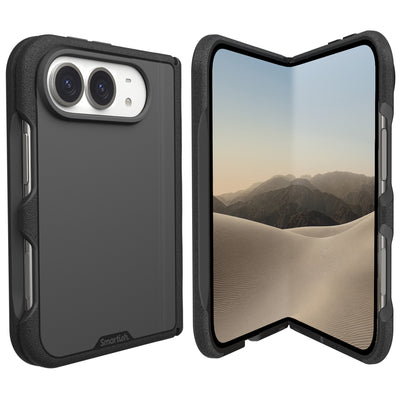
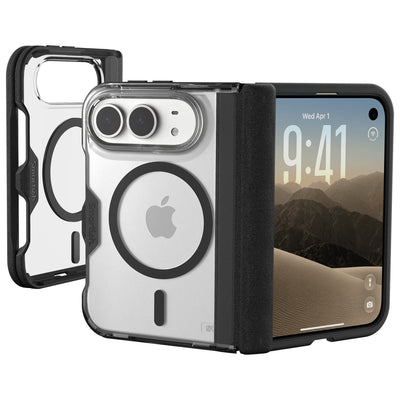
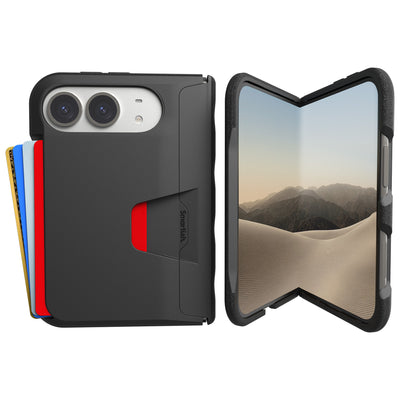
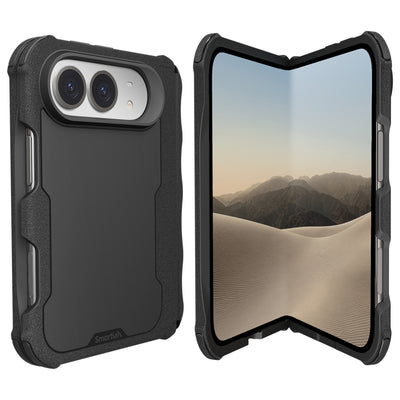

RFID blocking wallet
Your phone does a lot. It's your camera, your map, your personal assistant, and sometimes, your only link to sanity. But let's be real: it's also a prime target for digital pickpockets. That little chip inside your cards? It's broadcasting your info, and not everyone using a scanner has good intentions. Think of it as electronic eavesdropping, but for your credit card details.
Key Takeaways
- RFID blocking is a real thing, but the odds of someone skimming your credit card data on the street are pretty low, so focus on a wallet that doesn't turn your pocket into a brick.
- Look for wallets that use a thin metal or carbon fiber lining instead of heavy metal plates, because you don't want to sacrifice comfort for security.
- Not all RFID blocking works the same way, so check the material inside the wallet and test it yourself with a card and a scanner app before you trust it completely.
- Your phone is way more likely to leak your info than a random stranger with an RFID reader, so don't let the hype make you spend extra on a feature you probably won't ever need.
So, what's the deal with those wallets claiming to block this digital sneakiness? Are they a necessary shield against a phantom threat, or just another way to lighten your wallet (the literal, money-holding kind)? We're here to break down what an RFID blocking wallet actually is, how it works, and whether you actually need one. Spoiler: it’s not as complicated as it sounds, and the solution might just surprise you.
What Is an RFID Blocking Wallet and How Does It Actually Work?
At its core, an RFID blocking wallet is designed to create a digital barrier, preventing unauthorized scanning of the radio-frequency identification (RFID) chips embedded in your credit cards, transit passes, and even some IDs. These chips communicate by emitting radio waves, and without protection, a scanner within range could potentially "read" this data. The effectiveness hinges on how well the wallet material shields these signals.
The Faraday Cage Principle (No Physics Degree Required)
Ever heard of a Faraday cage? It's basically an enclosure made of conductive material that blocks electromagnetic fields. Think of it like a metal box that stops radio waves, Wi-Fi signals, and even lightning from getting in or out. An RFID blocking wallet uses a similar principle. By lining the wallet with a special material, often a metallic fabric or a thin metal alloy, it creates a mini Faraday cage around your cards. When a scanner tries to ping your cards, the conductive lining absorbs or reflects the radio waves, stopping the signal from reaching the chip and preventing your data from being transmitted. It's less about magic and more about basic physics, applied to keep your personal information safe from prying eyes. Or scanners.
RFID vs. NFC Blocking: What's the Difference?
You'll often see RFID and NFC mentioned together, and while they're related, there's a slight distinction. RFID (Radio-Frequency Identification) is a broad technology that uses radio waves to communicate. NFC (Near Field Communication) is a specific subset of RFID, operating at a higher frequency (13.56 MHz) and designed for very short-range communication, typically just a few centimeters. This is what your contactless credit card uses for payments and what your phone uses for mobile payments or quick data transfers. Most modern RFID blocking wallets are designed to block both frequencies, but it's always smart to check if the protection covers the 13.56 MHz band used by credit cards and NFC-enabled devices, as well as the lower 125 kHz band used by some older key fobs or access cards. A good RFID blocking wallet should cover these common frequencies.
Which Cards Actually Use RFID Technology?
It's not just your credit cards that are broadcasting. Over 80% of new credit cards in the U.S. now come equipped with contactless RFID chips, according to industry estimates, making them prime candidates for needing protection. This includes most Visa, Mastercard, and American Express cards with the contactless symbol (often a wave-like icon). But the list doesn't stop there. Your driver's license or state ID might have an RFID chip, as do many building access cards, public transportation passes (like some subway or bus cards), hotel key cards, and even some pet microchips. Basically, any card or tag with a small, embedded chip designed for quick, contactless scanning is a potential target. Understanding which of your everyday essentials use this tech helps you decide if a dedicated RFID blocking wallet is the right move for your peace of mind.
Is RFID Theft Real or Just Marketing Hype?

Let’s cut through the noise: Is your data truly at risk from digital pickpockets lurking on every street corner? The short answer is, yes, it's possible, but it's not the widespread epidemic some marketing makes it out to be. While identity theft is a serious concern, with reports exceeding 1.1 million in 2023 according to the Federal Trade Commission, RFID skimming represents a small fraction of that. The real threat often comes from more direct forms of data theft. But, that doesn't mean RFID protection is entirely hype. There are specific scenarios where it offers practical, albeit niche, security benefits.
How Common Is RFID Skimming, Actually?
While the technology exists for criminals to skim RFID-enabled cards from a distance, the actual instances of successful RFID skimming are rare. Popular Mechanics notes that this type of theft typically occurs in high-traffic, crowded areas where a skimmer can get close to many people unnoticed, like busy airports, train stations, or bustling street markets. It requires a specific setup and proximity, making it far less convenient for thieves than other methods like phishing or data breaches. The Federal Trade Commission (FTC) acknowledges the potential risk but doesn't highlight RFID skimming as a leading cause of identity theft. So, while the threat isn't zero, it's certainly not the most probable way your financial information will be compromised. It’s more about specific circumstances than a constant, everyday danger for most people.
When RFID Protection Matters Most
Despite the rarity, there are times when an RFID blocking wallet offers tangible peace of mind. If you're a frequent traveler, especially internationally, or often find yourself in dense crowds like at concerts, festivals, or on public transit during peak hours, the risk, but small, increases. Carrying cards with RFID chips in these environments means they are potentially exposed. For those who regularly travel with sensitive cards or cash and want an extra layer of security against opportunistic scanning, an RFID blocking wallet provides that assurance. It's about minimizing potential vulnerabilities in situations where you have less control over your surroundings. For example, if you're in a crowded market and want to ensure your credit card information isn't being accessed, a wallet like the Dancing Queen - Crossbody Wallet Case for iPhone 11 Pro Max can offer that extra layer of digital defense.
Types of RFID Blocking Wallets: What Works vs. What's Fluff
When you're looking for an RFID blocking wallet, the market can feel like a bit of a Wild West. You've got everything from sleek, minimalist cardholders to bulky, multi-compartment behemoths, all promising to keep your digital information safe. But not all shields are created equal. Some designs employ genuine Faraday cage principles using specialized conductive materials, while others might just slap a thin metallic lining inside that offers questionable protection. Understanding the different types and what really makes them tick is key to avoiding the fluff and finding a wallet that actually works.
Traditional Wallets vs. Phone Case Wallets vs. Sleeves
The most common form factor is the traditional bifold or trifold wallet, often made from leather or durable synthetic materials. These are familiar and comfortable, but the effectiveness of their RFID blocking capabilities varies wildly. Many rely on a specific internal pocket lined with shielding material. Then there are phone case wallets, which integrate card slots directly into your phone's protective case. These are fantastic for streamlining your carry, especially if you don't want to juggle a separate wallet and phone. The Dancing Queen - Crossbody Wallet Case for iPhone 11 Pro Max is a prime example, designed to hold your essentials (cards and cash) securely with your phone. Finally, RFID blocking sleeves are thin, often metallic, envelopes you slip your existing cards into. They’re a budget-friendly way to add protection to any wallet but can be fiddly to use, requiring you to remove cards for transactions.
Which Materials Actually Block Signals?
The secret sauce for any effective RFID blocking wallet lies in its shielding material. True protection comes from materials that act as a Faraday cage. Essentially, they create a barrier that prevents radio waves from reaching the RFID chip. This typically involves a woven metallic fiber, a thin sheet of aluminum alloy, or specialized conductive fabrics. Engineers confirm that any conductive enclosure, even simple metal like kitchen foil, can block these signals. The key is that the material needs to completely encase the card or cards you want to protect. Beware of wallets that claim RFID blocking but only have a small, unlined pocket or a very thin, flimsy metallic film. These might offer minimal, if any, real protection. Look for descriptions that specifically mention a full lining or a built-in Faraday cage construction, ensuring it covers the common frequencies used by credit cards (13.56 MHz) and other RFID tags.
What to Look For (and What to Skip)
Pros
- Full internal lining made of conductive material.
- Wallet design that completely encloses cards when closed.
- Materials like specialized metallic fabrics or aluminum alloys.
- Clear specifications on frequency blocking (e.g., 125 kHz, 13.56 MHz).
- Durable construction that doesn't compromise the shielding.
Cons
- Wallets with only a single, unlined card slot.
- Thin, easily torn metallic foil linings.
- Marketing claims that are vague about blocking technology.
- Designs where cards are exposed when the wallet is closed.
- Excessive bulk that doesn't correlate with superior protection.
RFID Wallet Comparison: Style, Price, and Real-World Performance
When it comes down to it, an RFID blocking wallet needs to balance protection with your daily needs. Style is subjective, of course, but many options range from classic leather goods to modern, minimalist designs. Price is also a major factor; you can find basic RFID-blocking sleeves for under $10, while premium wallets with integrated shielding can run upwards of $100. But, don't assume high price equals high performance. Some inexpensive RFID blocking wallet options, particularly those with a genuine conductive lining or a full Faraday cage design, perform just as well as their pricier counterparts. The critical differentiator isn't the cost or the brand name, but the construction and materials used for shielding. A wallet that is stylish, fits your budget, and demonstrably blocks signals is the goal. For example, a phone case wallet like the Dancing Queen - Crossbody Wallet Case for iPhone 11 Pro Max offers convenience and protection in one package, proving that functionality and style can coexist.
How to Test If Your RFID Wallet Actually Works
You've bought a wallet that claims to be an RFID blocking wallet, and you want to know if it's truly protecting your cards or just adding unnecessary bulk. While professional testing involves specialized equipment, there are simple, accessible ways to get a good idea of your wallet's effectiveness right at home. It’s not about magic; it’s about seeing if that digital barrier holds up. Plus, recognizing common marketing fluff can save you from future disappointment.
The DIY Signal Detection Method
Here’s a straightforward way to test your wallet's shielding. You'll need a contactless credit card or transit pass (one you don't use often for transactions is ideal) and an NFC-enabled smartphone. First, ensure your phone's NFC function is turned on. Place the card directly on the back of your smartphone where the NFC reader is typically located. Open a compatible NFC reader app (many are available for free on app stores) and see if it can read the card's data. If it can, your card is broadcasting. Now, place that same card inside the designated RFID-blocking pocket of your wallet. Close the wallet securely. Try reading the card again through the wallet material using your phone and the NFC app. If the app fails to read the card, your wallet’s RFID blocking technology is likely working. Repeat this test with the card in different slots if your wallet has multiple dedicated RFID pockets.
Red Flags in RFID Marketing Claims
When shopping for an RFID blocking wallet, keep an eye out for deceptive marketing. If a product description is vague about the specific materials used for shielding or doesn't mention Faraday cage principles, it's a potential red flag. Claims that sound too good to be true, like "blocks 100% of signals always" without specifying frequencies, should be met with skepticism. Some brands might advertise a wallet as "RFID protected" but only have a tiny strip of shielding material, which is insufficient. Another sign to watch out for is a wallet that looks like it has no special lining at all, or a very thin, flimsy metallic film that could easily tear. Always look for clear, concrete information about how the wallet blocks signals and which frequencies it covers. A truly effective RFID blocking wallet will be transparent about its protective technology.
Pro Tip: While the DIY test with your phone is a great indicator, remember that professional RFID scanners operate at specific frequencies and power levels. But, if your phone can't read the card through the wallet, it's a very strong sign that opportunistic scanners with less sophisticated equipment would also struggle.
How to Choose the Right RFID Wallet for Your Everyday Carry

Now that you're armed with the know-how about RFID blocking wallets, the real question is: which one is right for *your* daily grind? It's not just about finding a wallet that blocks signals; it's about finding one that fits your life, your phone, and your penchant for pocket-emptying convenience. The best RFID blocking wallet for you will smoothly integrate into your everyday carry (EDC) without adding unnecessary bulk or hassle. We're talking about a smart solution that solves a problem without creating new ones. Think about what you actually need to carry, how you carry it, and what makes your day-to-day smoother. The goal is protection that feels effortless, not like another chore.
Wallet Slayer Vol. 1: Your Phone and Wallet, Combined
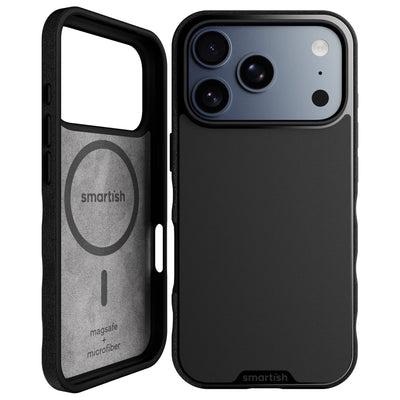
For those who’ve streamlined their lives down to the essentials, the idea of carrying a separate wallet and phone can feel like a relic of the past. Enter the concept of a wallet-phone case hybrid. The Dancing Queen - Crossbody Wallet Case for iPhone 11 Pro Max is designed precisely for this. It’s built to secure your cards and cash right alongside your phone, eliminating the need for a bulky wallet. This approach is perfect for anyone who’s tired of digging through multiple pockets or bags. The smart design ensures your most important items are kept together and protected, including the RFID-blocking capabilities to safeguard your cards’ data. It’s about simplifying your pocket contents while adding a layer of security.
This isn't just about slapping a few card slots onto a case. The engineering behind truly functional wallet cases means balancing capacity with slimness. The Dancing Queen - Crossbody Wallet Case for iPhone 11 Pro Max, for example, is crafted to hold up to five cards plus cash, all while maintaining a profile that’s manageable. It features conveniences like lipgloss loops for quick access and an adjustable crossbody strap, freeing up your hands. This means you can grab your essentials and go, confident that your cards are shielded and your phone is secure, all in one accessible unit. It’s a practical answer for anyone looking to consolidate their carry.
Pros and Cons of Integrated Wallet Cases
Pros
- Combines phone and wallet for ultimate convenience.
- Reduces pocket or bag clutter by consolidating items.
- Offers integrated RFID blocking for card protection.
- Often includes additional carrying features like straps.
- Protects both your phone and your cards in one unit.
Cons
- Can add some thickness and weight to your phone.
- May not be compatible with wireless charging (check specific models).
- Limited card capacity compared to a standalone wallet.
- Requires transferring your wallet contents if you switch phones often.
- Can be less flexible for carrying large amounts of cash.
Wallet Slayer Vol. 2: Same Wallet, Plus a Kickstand
Building on the success of integrating your phone and wallet, some designs take convenience a step further. Imagine the same RFID-blocking protection and card-carrying capacity, but with an added feature that enhances your phone's usability: a kickstand. This might seem like a small addition, but for anyone who streams videos, takes video calls, or simply likes to prop up their phone on a desk or table, it’s a major improvement. The Wallet Slayer Vol. 2 concept offers this exact blend of functionality. It ensures your cards are protected by the same principles of signal blocking, while the integrated kickstand means your phone is ready for hands-free viewing anytime, anywhere. It’s about maximizing utility without sacrificing security or style.
The beauty of these evolved designs is their thoughtfulness. They acknowledge that people use their phones in diverse ways throughout the day. Beyond just protecting your cards from digital skimming, a wallet case with a kickstand becomes a more versatile accessory. It’s an RFID blocking wallet that also acts as a mini entertainment center or a productivity tool. The practicality extends to how it’s made; durable materials ensure the kickstand mechanism is reliable, and the RFID shielding is strong. This type of product demonstrates how a well-designed accessory can solve multiple everyday needs, from security to media consumption, all while keeping your essential cards safe and accessible.
The RFID Wallet Buyer's Checklist
Choosing the right RFID blocking wallet doesn't have to be complicated. Keep this checklist handy to ensure you're getting a product that truly meets your needs and offers effective protection.
- Genuine Shielding Material: Does the description clearly state the wallet uses a metallic fabric, aluminum alloy, or similar conductive material designed to create a Faraday cage effect? Avoid vague claims like "RFID protected lining."
- Full Coverage: When closed, does the wallet completely enclose your cards? Check that there are no exposed slots or gaps where signals could potentially escape.
- Frequency Support: Does it specify blocking common frequencies like 13.56 MHz (credit cards, NFC) and ideally 125 kHz (some older tags/fobs)?
- Durability & Build Quality: Is the wallet constructed from quality materials that will last? A flimsy wallet won't protect your cards effectively, and the shielding material itself should be durable.
- Capacity Needs: How many cards and how much cash do you typically carry? Ensure the wallet can accommodate your essentials without being overstuffed, which can compromise its RFID blocking effectiveness.
- Form Factor Preference: Do you prefer a traditional wallet, a cardholder, a sleeve, or an integrated phone case wallet? Consider what integrates best with your existing carry habits.
- Ease of Access: While security is key, you also need to be able to get to your cards without undue struggle. Look for designs that balance security with reasonable accessibility.
- Brand Reputation & Reviews: While we're not comparing brands here, checking customer reviews for real-world performance and satisfaction can be insightful. Look for consistent feedback on the RFID blocking feature.
RFID Wallet FAQs
Got lingering questions about RFID blocking wallets? We’ve got answers.
Q: Do I really need an RFID blocking wallet if RFID skimming is rare?
While RFID skimming isn't the most common form of theft, it is a real possibility, especially in crowded areas. An RFID blocking wallet offers peace of mind and an extra layer of security against opportunistic digital pickpockets. It’s a small investment for potentially significant protection.
Q: What's the difference between RFID blocking and NFC blocking?
NFC (Near Field Communication) is a specific, short-range subset of RFID technology, typically operating at 13.56 MHz. Most modern RFID blocking wallets are designed to block both the broader RFID frequencies and the specific NFC frequencies used by contactless credit cards and mobile payment systems.
Q: Are RFID blocking sleeves as effective as built-in wallets?
RFID blocking sleeves can be effective if they are made of proper shielding material and fully encase the card. But, they can be inconvenient to use, requiring you to insert and remove cards constantly. Wallets with integrated shielding are generally more user-friendly, provided the shielding material is strong and fully covers the card slots.
Q: Can my new iPhone 17 benefit from an RFID blocking wallet?
If you plan to carry payment cards or IDs alongside your iPhone 17 (or any smartphone), an RFID blocking wallet or case is still relevant. While your phone itself has its own security features, the cards you carry inside a wallet or case can still be vulnerable. A dedicated RFID blocking wallet ensures all your sensitive cards are protected, regardless of your phone's capabilities.
Frequently Asked Questions
Do RFID blocking wallets really work?
RFID blocking wallets really work by using a conductive lining that creates a mini Faraday cage around your cards. This lining blocks radio waves from scanners, preventing them from reading the chip in your card. It's a simple physics trick, not magic, and it's effective for stopping unauthorized scans.
What is RFID blocking in a wallet?
RFID blocking in a wallet means the wallet has a special lining made of metallic material that stops radio frequency signals from reaching your cards. This prevents digital pickpockets from scanning your credit card or ID chips without your knowledge. It's like a shield for your card's data.
Can my debit card be scanned while in your wallet?
Yes, your debit card can be scanned while in a regular wallet if it has an RFID chip and a scanner gets close enough. The chip broadcasts your card info via radio waves, and a skimmer within a few feet can potentially read it. An RFID blocking wallet prevents this by blocking those signals.
What can I put in my wallet to block RFID?
To block RFID, you can use a wallet with a built-in metallic lining, like the ones we make at Smartish. You can also buy separate RFID blocking sleeves or inserts that go inside your existing wallet. The key is a conductive material that acts as a barrier to radio waves.
Is RFID theft a real threat or just marketing hype?
RFID theft is a real but rare threat. While it's possible for someone to skim your card data in a crowded area, actual incidents are not common compared to other forms of identity theft. Still, if you travel frequently or are in dense crowds, an RFID blocking wallet offers extra peace of mind.
Which cards actually have RFID chips?
Most modern credit cards from Visa, Mastercard, and American Express have RFID chips, along with many transit passes, building access cards, and some driver's licenses. Look for the contactless payment symbol on your card. Over 80% of new U.S. credit cards now include this technology.