



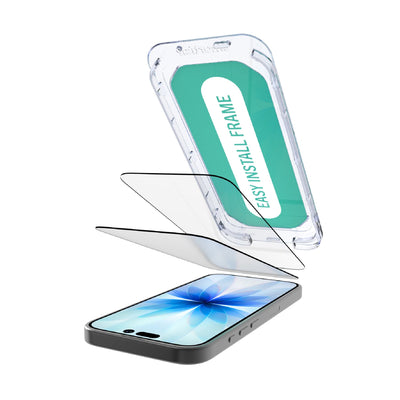

Do I need a screen protector?
Your phone’s glass can handle plenty, but it isn’t scratch-proof. Keys, coins, grit, and sand can leave fine marks that build up over time. A screen protector adds a replaceable wear layer, especially useful if your phone travels in a pocket, purse, backpack, or work bag.
Key Takeaways
- Your phone's glass may be tough, but everyday items like keys and sand will slowly leave their mark over time.
- A screen protector acts as a sacrificial barrier that takes the abuse so your actual display stays pristine.
- If your phone regularly lives in a pocket, purse, or bag alongside other stuff, adding a protector is a no-brainer move.
Do I need a screen protector? Usually, yes. Modern phone glass is designed to handle impacts, while a protector helps with daily abrasion. Those are different jobs: one deals with drops, the other with pocket debris having a bad day.
The Short Answer: Do You Actually Need a Screen Protector?
Most people will benefit from one. A screen protector helps limit scratches from pockets, bags, countertops, and abrasive particles. Skip it only if you prefer the bare-display feel and are comfortable with cosmetic wear. It won’t make your phone drop-proof, but it can keep the original screen looking newer for longer.
The TL;DR on Screen Protection
Think of a protector as a wear layer, not a force field. It may help with a minor bump, but a hard fall can still crack the phone’s display. A clean installation and a case-friendly fit matter, too.
Shatter Resistance vs. Scratch Resistance
Glass can resist shattering without resisting every scratch. A drop may cause a sudden crack; pocket grit can create quieter damage over months. That’s why impact protection and scratch protection deserve separate consideration.
The “Glass Is Glass” Reality Check: Modern Screens vs. Sand
Modern cover glass offers useful drop performance, but it isn’t immune to abrasion. Quartz is harder than glass, so a grain of sand caught between your phone and another surface can act like microscopic sandpaper.
The same problem shows up away from the beach. Dust on a café table, grit in a jacket pocket, crumbs in a backpack, or debris around a charging port can wear the surface. If your phone joins you on commutes, trails, beaches, or job sites, a protector earns its spot.
That applies to newer phones, too, including iPhone 17 models. Newer glass doesn’t cancel out old-fashioned grit.
Which Type of Screen Protector Fits Your Phone?
Choose based on the annoyance you want to solve. Tempered glass offers the most natural feel and clear viewing. Film keeps things thin. Privacy and matte finishes address side-angle viewing and glare. Whatever you choose, check the exact phone model, touch response, display clarity, and case compatibility.
| Type | Best for | Strengths | Trade-offs |
|---|---|---|---|
| Tempered glass | Everyday scratch and impact coverage | Glass-like feel, clear viewing, easy cleaning | Thicker profile |
| TPU or PET film | Thin protection | Flexible and lightweight | Less impact coverage |
| Privacy glass | Public spaces | Narrows side viewing angles | Can reduce brightness |
| Matte film or glass | Glare control | Fewer reflections | May reduce sharpness |
Tempered Glass: The Familiar Feel
Tempered glass feels close to the original display, keeps the image clear, and provides a replaceable surface for scratches. Look for rounded edges, precise cutouts, and a case-friendly shape.
Plastic Film (TPU/PET): The Thin Option
TPU and PET films are flexible layers for surface scratches and everyday rubbing. Pick film when a thin profile matters more than added impact coverage.
Privacy and Matte Finishes
Privacy protectors limit visibility from side angles. Matte finishes cut reflections and make fingerprints less obvious. Pick the fix that fits your routine.
How Does a Screen Protector Work With a Phone Case?
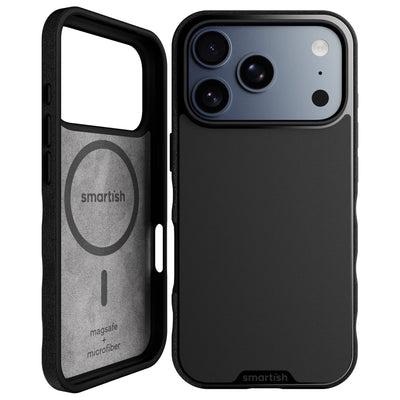
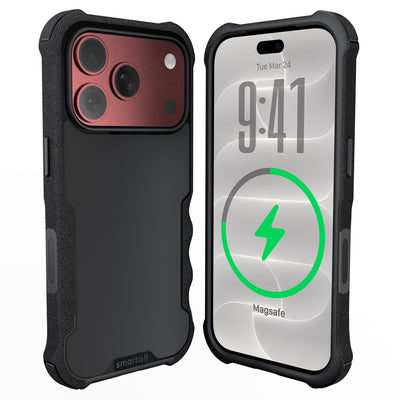
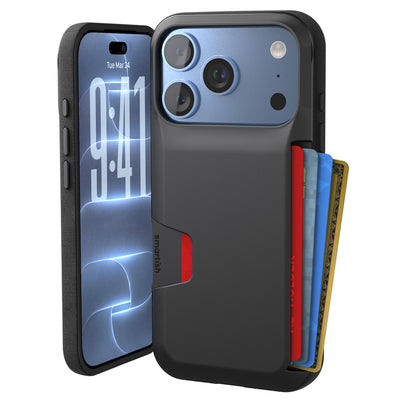
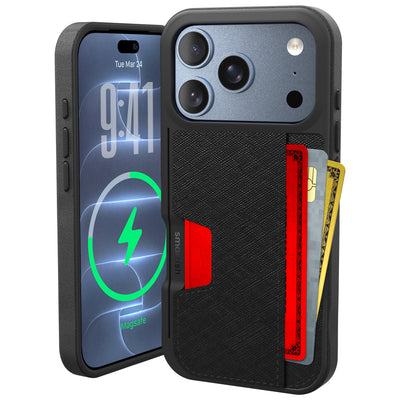
A protector covers the display. A case covers the frame, back, buttons, camera area, and edges. Using both gives each accessory a clear assignment. For a slim option, consider the Gripmunk with MagSafe® slim case; for more coverage, the Gripzilla with MagSafe® armor case adds extra protection.
Fit is the handshake between the two accessories. Case-friendly dimensions, accurate cutouts, and a small perimeter gap help prevent lifting, trapped lint, and touch issues. Browse cases, covers, and skins to match your phone and style.
Why a Raised Bezel Helps
A raised bezel creates a buffer between the display and a flat surface. The case frame should touch first, keeping the screen from resting directly on the table.
How Air-Pocket Corners Help
Corners often meet the ground first. Air-pocket corners give case material room to compress at those impact points before force reaches the phone.
- Confirm both accessories fit your exact phone model.
- Choose a case with a raised screen bezel and camera ring.
- Look for flexible, impact-absorbing corners.
- Leave clearance around the protector’s perimeter.
- Install the protector after removing dust, oil, and grit.
Can a Screen Protector Help With Resale Value?
It can help preserve the most visible part of your phone. A clean screen doesn’t promise a higher offer, but noticeable scratches can make a device look older and affect how buyers judge its condition.
The Resale Value Trade-Off
Compare the protector’s cost with a possible repair bill, lower offer, or the hassle of selling a visibly worn phone. The math won’t be identical for everyone, but the trade-off is easy to understand: replace the protector instead of living with wear on the original display.
Checklist: Do I Absolutely Need a Screen Protector?
Do I need a screen protector? Base the decision on your real routine. Not the fantasy version where your phone always lands safely on a pillow.
- Choose one if your phone shares a pocket or bag with keys, coins, tools, or loose grit.
- Choose one if you visit beaches, construction areas, or trails.
- Choose one if you plan to trade in or resell the phone later.
- Skip it if you accept cosmetic wear and prefer the completely bare display.
- Replace it when edges lift, cracks spread, or touch response changes.
The honest verdict: a protector isn’t mandatory, but it’s sensible for a phone that works, travels, and occasionally develops butterfingers.
References
repair bill. PubMed
cover glass. Gorilla Glass
Frequently Asked Questions
Do modern phones still need screen protectors?
Modern phones still benefit from screen protectors because today's glass is engineered to resist cracks from drops, not scratches from daily grit. Even premium phone screens pick up tiny scratches from quartz particles, sand, and pocket debris over time. A protector acts as a replaceable wear layer that keeps your display looking fresh and resellable.
Is it okay to use my phone without a screen protector?
Going bare is fine if you are careful and can tolerate a few hairline scratches building up over months of use. Everyday contact with dust, keys, and countertop grit will slowly mark up your display. Most people find that a quality protector preserves both screen clarity and resale value for a small upfront cost.
What happens if I don't have a screen protector?
Without a screen protector, your phone's display sits directly exposed to abrasive particles like sand, dust, and pocket debris that gradually create fine scratches. Quartz is harder than glass, so a single grain caught between your phone and a surface acts like microscopic sandpaper. Those tiny marks add up and make a pristine screen look older than it is.
Do you need a screen protector in 2026?
A screen protector still makes sense because phone glass technology focuses on drop survival, not scratch immunity. Modern cover glass offers solid impact resistance, but scratch resistance and shatter resistance are two completely different jobs. A protector handles the scratch side while your phone's built-in glass handles the impact side.
Is it better to have no screen protector?
Skipping a screen protector is better only if you prefer the bare-glass feel and accept that your screen will accumulate wear marks. A quality tempered glass protector feels nearly identical to the original display while giving you a sacrificial surface that takes the scratches instead of your actual screen. Think of it as cheap insurance for one of the most expensive parts of your phone.
What type of screen protector should I get?
Tempered glass is the gold standard because it feels like the original display, keeps images sharp, and gives scratches a replaceable landing zone. Plastic film stays thin and lightweight but offers less impact coverage. Privacy and matte finishes solve specific daily annoyances like side-angle visibility and screen glare.
Can a screen protector prevent my phone screen from cracking?
A screen protector is not designed to stop cracks from major drops, as that job belongs to your phone's built-in cover glass. The protector's main role is defending against scuffs, grit, and micro-scratches from everyday pocket and surface contact. It may absorb minor impacts, but no protector can guarantee your phone survives a hard fall onto concrete.