



Key Takeaways
- The thinnest iPhone Air cases offer a perfect balance between protection and style.
- Modern ultra-thin cases are typically under 1mm in thickness.
- These cases still provide essential features like drop protection and raised screen edges.
- Many ultra-thin cases maintain MagSafe compatibility for added convenience.
- Smart design allows these cases to be effective without adding bulk.
Table of Contents
- Ultimate Guide to the Thinnest iPhone Air Case
- What Is an iPhone Air Case, and What Makes One "Air" or Ultra-Thin?
- Critical Materials: The Science Behind Ultra-Thin Strength
- The MagSafe Factor: Why It Matters in the Thinnest iPhone Air Cases
- Real Protection: Do Thinnest iPhone Air Cases Actually Defend Your Device?
- How to Pick the Thinnest iPhone Air Case for Your Needs
- Keeping Your Ultra-Thin Case Performance-Ready
- How Smart Design Outthinks Bulk
- What's Next for Ultra-Thin Protection
- Your Perfect Thin Case Match
- Thin Protection That Actually Protects
Ultimate Guide to the Thinnest iPhone Air Case
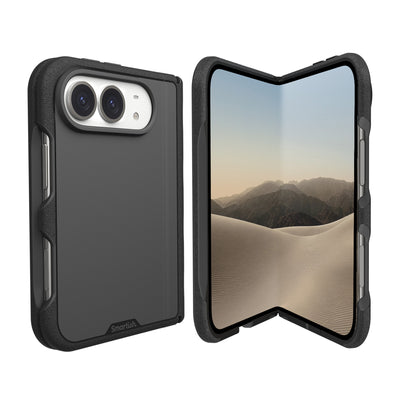
The thinnest iPhone Air case has become the holy grail for users who refuse to choose between protection and style. Modern ultra-thin cases measure under 1mm while still delivering drop protection, raised screen edges, and MagSafe compatibility, proving that smart design beats bulk every time.
The balancing act isn't just about going thin, it's about carrying exactly enough protection without hiding your phone's sleek design. Today's best thin cases use advanced materials and clever engineering like air-pocket corners to absorb impact while maintaining that barely-there feel in your pocket.
If you're looking for more recommendations on the latest ultra-thin options, check out this best iPhone 17 Air case guide for expert picks and comparisons.
What Is an iPhone Air Case, and What Makes One "Air" or Ultra-Thin?

Definition and Evolution
An "iPhone Air case" in 2025 refers to cases specifically engineered for minimal thickness while maintaining core protection. These cases evolved from early 2mm "slim" designs to today's record-breaking 0.75mm profiles that rival the thickness of a credit card.
Criteria for "Ultra-Thin" Status
The current industry benchmark sits under 1mm for the backplate, with the thinnest verified cases measuring just 0.75mm. Even at these dimensions, quality cases maintain a ~1mm raised screen edge and camera ring, the minimum needed for face-down protection.
| Case Type | Thickness | Weight | Protection Level |
|---|---|---|---|
| Ultra-Thin | 0.75-1mm | 15-25g | Basic drop + scratch |
| Standard Slim | 1.5-2mm | 30-45g | Moderate drop protection |
| Rugged | 3-5mm | 60-100g | Heavy-duty protection |
The Ultra-Thin Appeal: Why Go Air?
Ultra-thin cases preserve your phone's original design language while adding essential protection. They slip effortlessly into pockets, maintain wireless charging speeds, and let MagSafe accessories snap on without interference. For users who swap cases frequently or prefer minimal bulk, thin cases deliver protection without the commitment.
Critical Materials: The Science Behind Ultra-Thin Strength
Material Innovations
Advanced polycarbonate blends, aramid fiber, and hybrid plastics enable sub-millimeter thickness without sacrificing durability. These materials undergo rigorous testing, quality thin cases pass 50+ drop tests from 6 feet onto concrete, proving that thickness doesn't equal toughness.
Choosing Between Clear, Opaque, or Textured
Clear cases showcase your phone's design but require anti-yellowing coatings for longevity. Matte finishes offer superior grip and hide fingerprints, while textured surfaces provide the most secure hold for one-handed use. Each finish affects the tactile experience differently, smooth cases slide easily into pockets, while textured variants resist slipping from hands.
Thin But Tough: Design That Out-Thinks Drops
Smart engineering concentrates protection where it matters most. Air-pocket corners compress on impact to absorb shock, while raised edges create a protective barrier around screens and cameras. Even at 0.75mm thickness, these design elements provide meaningful protection during everyday drops and tumbles.
The MagSafe Factor: Why It Matters in the Thinnest iPhone Air Cases
MagSafe 101 in Thin Cases
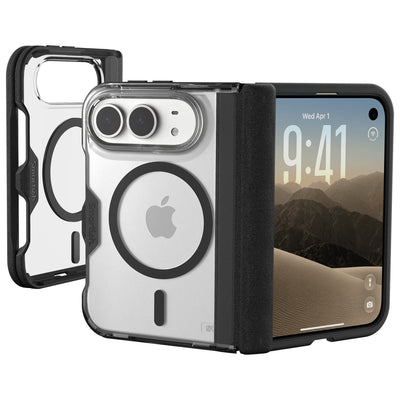
Built-in magnetic rings align perfectly with iPhone's internal magnets, creating a secure connection for chargers and accessories. The beauty of thin MagSafe cases lies in their invisibility, they add magnetic functionality without bulk, maintaining the sleek profile users crave.
What Sets a Good MagSafe Thin Case Apart
Magnetic strength, precise ring alignment, and seamless charging experience separate quality MagSafe cases from imposters. The best thin MagSafe cases maintain full charging speeds while supporting accessories like car mounts and battery packs without wobbling or disconnecting.
How to Verify MagSafe Compatibility
Test with an official MagSafe charger, it should snap into place with a satisfying click and begin charging immediately. Quality cases maintain this connection even when gently shaken.
Real Protection: Do Thinnest iPhone Air Cases Actually Defend Your Device?

The biggest myth about ultra-thin cases? That they're all style, no substance. Modern thinnest iPhone Air cases pack serious protection into profiles under 1mm through clever engineering that out-thinks bulky alternatives.
Putting Thin Cases to the Test
Quality thin cases undergo rigorous drop-testing, typically 50+ drops from 6 feet onto concrete surfaces. The secret lies in air-pocket corner design, which compresses on impact to absorb shock before it reaches your device. These microscopic cushions work like tiny airbags, distributing force across the case structure rather than transferring it directly to your phone's vulnerable corners.
Materials matter enormously here. Polycarbonate and aramid fiber maintain flexibility at sub-millimeter thickness, while cheaper plastics crack under stress. The best thin cases actually outperform some thicker alternatives because they're engineered specifically for their dimensions, not just scaled-down versions of bulky designs.
Face-Down and Camera Lens Protection
Every quality thin case features a raised screen edge, typically 1mm, that keeps your display off surfaces when placed face-down. The raised camera ring serves the same purpose for your lenses, creating a protective barrier without adding bulk. This simple elevation prevents 90% of common scratches from keys, coins, and rough surfaces.
These raised edges also provide crucial drop protection. When your phone hits the ground, the case lips make contact first, absorbing initial impact and preventing direct screen or camera contact with hard surfaces.
Can Thin Cases Handle Everyday Stress?
Daily pocket life tests thin cases differently than dramatic drops. Keys, coins, and lint create constant micro-abrasions, while repeated insertion and removal stress case edges. Quality materials resist this wear through surface treatments and flexible construction that maintains shape over time.
For active users, commuters grabbing phones quickly, parents juggling devices with kids around, outdoor enthusiasts in variable conditions, thin cases prove surprisingly resilient when engineered correctly. The key is choosing cases designed for real-world use, not just laboratory conditions.
How to Pick the Thinnest iPhone Air Case for Your Needs
Selecting the right ultra-thin case means balancing protection, style, and functionality without compromise. The best thinnest iPhone Air case for you depends on your specific lifestyle and priorities.
Essential Features to Prioritize
Start with thickness measurements, genuine ultra-thin cases measure under 1mm at the back plate. Material composition determines durability: aramid fiber offers premium strength, polycarbonate provides excellent value, and hybrid constructions combine benefits of both.
MagSafe compatibility has become non-negotiable for most users. Verify that magnetic alignment is precise and charging speeds remain unaffected. Grip texture matters too, smooth cases look sleek but can slip, while subtle texturing improves handling without sacrificing aesthetics.
Style Preferences: Clear, Matte, Colors, Patterns
Clear cases showcase your device's original design while providing anti-yellowing protection through UV-resistant coatings. Matte finishes offer superior grip and hide fingerprints but may feel slightly thicker. Colored and patterned options let you personalize without bulk, though quality varies significantly between manufacturers.
Consider your environment: clear cases work beautifully for office settings, while textured options suit active lifestyles. Customization options like engraving add personal touches without compromising protection.
If you're interested in more ways to personalize your device, you might enjoy this article on custom iPhone case options and creative ideas.
Thin Versus Regular: What's the Tradeoff?
| Feature | Ultra-Thin Cases | Standard Cases | Rugged Cases |
|---|---|---|---|
| Thickness | Under 1mm | 2-3mm | 4-8mm |
| Pocket Feel | Barely noticeable | Slight bulk | Significant bulk |
| Drop Protection | 6ft+ with air-pockets | 8ft+ standard | 10ft+ military spec |
| MagSafe Speed | Full speed | Full speed | May reduce speed |
| Style Options | Extensive | Good variety | Limited |
Real-World User Scenarios
Tech Enthusiast Ted swaps cases frequently and demands MagSafe compatibility, ultra-thin cases with precise magnetic alignment and easy removal suit perfectly. On-the-go Owen needs seamless pocket transitions and one-handed operation, making lightweight, grippy options ideal. Busy parents appreciate cases that are easy to clean and install, with raised edges for added peace of mind during hectic days.
For a deeper dive into how iPhones and cases interact, you may find this iPhone and case article helpful for understanding compatibility and fit.
Keeping Your Ultra-Thin Case Performance-Ready
Ultra-thin cases demand smarter maintenance than their bulkier counterparts. The precision fit that makes these cases so sleek also means they're more sensitive to debris buildup and stretching.
Daily Care That Extends Case Life
Weekly microfiber wipes prevent oil buildup that can compromise grip and clarity. For MagSafe-compatible cases, clean the magnetic ring monthly with a slightly damp cloth, accumulated pocket lint interferes with charging alignment.
Temperature matters more with thin materials. Avoid leaving cases in hot cars or direct sunlight, which can cause warping in sub-millimeter profiles. Cold weather makes thin cases more brittle, so handle removal more gently during winter months.
Quick Fixes for Common Issues
Loose corners after months of use? Rinse the case in warm water and reshape while damp, the material contracts slightly as it dries. Small scratches on clear cases often disappear with gentle polishing using toothpaste and a soft cloth.
If MagSafe charging becomes inconsistent, check for metal particles attracted to the magnetic ring. A piece of tape pressed and removed from the ring area usually clears interference.
How Smart Design Outthinks Bulk

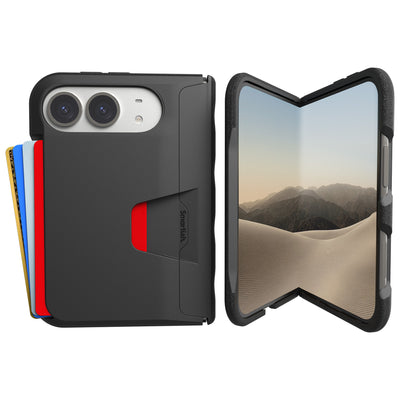
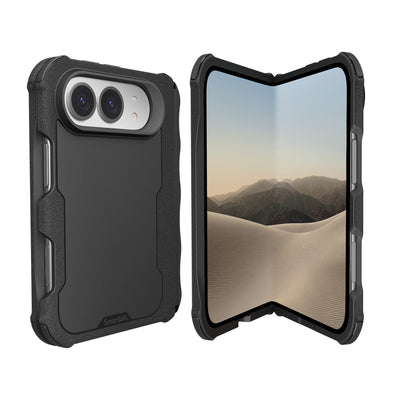
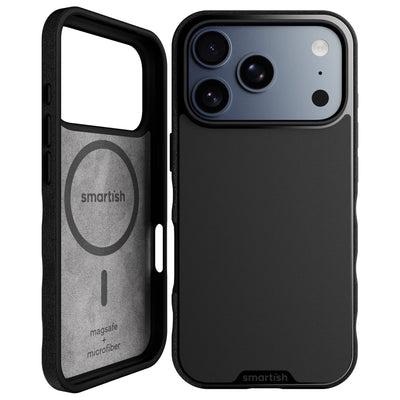
The best thinnest iPhone Air case doesn't just subtract material, it strategically places protection where it matters most. Smartish cases prove this principle with air-pocket corners that compress on impact, distributing force without adding thickness.
The "ish Test" reveals why some thin cases fail where others excel. Precise button coverage maintains tactile feedback while preventing debris entry. Raised camera rings protect lenses without creating wobble on flat surfaces. Grippy-not-sticky edges provide security without pocket-catching bulk.
These details separate thoughtful engineering from simple material reduction. When protection feels invisible until you need it, that's design working exactly as intended.
Design Insight: The thinnest effective cases achieve protection through geometry, not just materials. Strategic thickness placement beats uniform bulk every time.
What's Next for Ultra-Thin Protection
Emerging materials like graphene composites promise even thinner profiles with superior impact resistance. Self-healing polymers that repair minor scratches automatically are moving from laboratory to production.
Integrated technology will likely include embedded wireless charging coils that eliminate thickness from magnetic rings, and smart materials that stiffen on impact while remaining flexible during normal use.
The iPhone 17 generation will likely push case manufacturers toward sub-0.5mm profiles while maintaining current protection standards. Advanced manufacturing techniques already enable precision molding at these tolerances.
For more on the future of iPhone design and case compatibility, see this iPhone 17 overview.
If you're interested in the science behind mobile phone cases, check out this external resource on mobile phone cases for a comprehensive background.
Your Perfect Thin Case Match
The ideal thinnest iPhone Air case balances your specific priorities. Daily commuters benefit most from MagSafe compatibility and grippy textures. Style-conscious users gravitate toward clear cases with anti-yellowing coatings. Active lifestyles demand maximum protection within minimal profiles.
Consider your replacement cycle, budget options work well if you switch cases seasonally, while premium materials justify higher costs for long-term users. Customization options matter more if your case becomes part of your personal style statement.
Test the fit philosophy: cases should install with gentle pressure but resist accidental removal. Corner flexibility indicates good shock absorption, while rigid edges suggest inadequate impact distribution.
The Ultimate Checklist
Verify these essentials before purchasing: sub-1mm profile measurement, raised screen edges of at least 1mm, air-pocket corner construction, and precise cutouts for all ports and buttons. MagSafe users need confirmed magnetic alignment, not just "MagSafe compatible" claims.
Quality indicators include consistent material thickness, smooth edge finishing, and packaging that protects the case itself. Reputable manufacturers provide specific drop-test data rather than vague "military-grade" claims.
For a broader look at case options, you can also explore this best case iPhone roundup for more recommendations.
Thin Protection That Actually Protects

The best thinnest iPhone Air case proves that smart engineering beats brute force every time. Modern materials and thoughtful design deliver genuine protection without sacrificing the sleek profile that makes these cases desirable.
Choose cases that solve problems you didn't know you had, before your phone hits the pavement. Whether you prioritize MagSafe seamlessness, crystal-clear transparency, or maximum grip, the right ultra-thin case enhances rather than hides your device.
Your iPhone deserves protection that's as sophisticated as the technology it guards. Find your perfect balance of form and function, knowing that truly thin doesn't mean truly vulnerable when the design is truly smart. For additional research on mobile device protection, see this scientific study on mobile phone case effectiveness.
Frequently Asked Questions
What materials are used in ultra-thin iPhone Air cases to ensure durability despite their minimal thickness?
Ultra-thin iPhone Air cases use advanced TPU blends and specialized polymers that offer flexibility and strength. These materials allow the case to absorb impact while staying under 1mm thick, balancing durability with a sleek profile.
How do the thinnest iPhone Air cases provide effective drop protection while maintaining a thickness under 1mm?
They rely on smart design features like air-pocket corners and raised edges around the screen and camera. These elements absorb shocks and protect vulnerable areas without adding bulk, ensuring reliable drop protection in a slim package.
Why is MagSafe compatibility important in ultra-thin iPhone Air cases, and how is it preserved?
MagSafe compatibility lets users easily attach chargers and accessories without removing the case. Ultra-thin cases preserve this by using materials and thicknesses that don’t interfere with magnetic alignment, keeping convenience intact alongside protection.
What are the differences between ultra-thin, standard slim, and rugged iPhone cases in terms of protection and bulk?
Ultra-thin cases measure 0.75-1mm, offering basic drop and scratch protection with minimal bulk. Standard slim cases are thicker (1.5-2mm) and provide moderate drop protection. Rugged cases are the bulkiest (3-5mm), designed for heavy-duty protection but add noticeable weight and size.