




Key Takeaways
- The right magnetic accessories can significantly improve your daily phone usage.
- iPhone 17 features enhanced MagSafe capabilities that offer better functionality.
- Choosing magnetic gear that balances function and protection is crucial.
- Understanding what magnetic accessories truly work helps optimize real-world use.
Table of Contents
- Do Magnets Really Mess with Your Phone? Busting the Big Myths Up Front
- How Magnets Actually Team Up with Phone Tech (No Damage, All Function)
- MagSafe and Phone Magnets 101, What They Are and How They Work
- Magnetic Phone Cases vs. Regular Ones, Grip, Snap, and Smarts Compared
- Step-by-Step: Using Magnetic Mounts, Cases, and Accessories Like a Pro
- Common Magnet Headaches and Dead-Simple Fixes
- Top Picks for Magnetic Gear That Plays Nice with iPhone 17 and Beyond
- Advanced Hacks, DIY Mounts, Shielding, and Magnet Tweaks
- Looking Ahead: Phones and Magnets in 2025 and Beyond
Do Magnets Really Mess with Your Phone? Busting the Big Myths Up Front
Old Tech Fears vs. New Phone Reality
The fear of phones and magnets stems from ancient tech history. Back when CRT TVs and hard disk drives ruled, magnets could scramble data stored on magnetic media. One swipe with a strong magnet meant bye-bye family photos.
Modern phones like the iPhone 17 flip that script entirely. Solid-state drives (SSDs) store data using electrical signals, not magnetic fields. No spinning disks, no magnetic strips, just electrons doing their thing. That's why Apple builds magnets directly into phones for MagSafe features without breaking anything. If you're looking to maximize your phone's magnetic potential while driving, the Mountaineer Car Mount is a top choice for secure, hands-free mounting.
Choosing the right magnetic accessories can make a huge difference in your daily routine. For more insights on how to pick the best covers and accessories for your device, check out this guide on covers for android phones.
Quick Test for Your Phone
Want proof? Hold a fridge magnet against your screen for 30 seconds, then check your compass app. Notice any permanent weirdness? Probably not. Here's a simple test kit:
- Screen test: Magnet on display for 1 minute, no dead pixels or color shifts
- Data test: Open photos/apps after magnet contact, everything loads normally
- Compass test: Navigate app might wobble temporarily, but recalibrates in seconds
Real-World Scenario
Picture this: You're commuting and drop your phone near a magnetic car mount. Your Instagram still loads, texts send fine, and photos stay crisp. The only hiccup? Your navigation might point slightly off for 10 seconds until the compass resets. That's the extent of "damage" from magnets and cell phones mixing. For more on the latest iPhone features and how they interact with magnetic accessories, read this detailed breakdown on the iPhone 17.
How Magnets Actually Team Up with Phone Tech (No Damage, All Function)
SSDs, Screens, and Batteries, Why They're Chill with Magnets
Your phone's guts laugh at magnetic fields. SSDs can handle over 10,000 Gauss safely, that's stronger than most industrial magnets you'll encounter. Why? They store data as electrical charges in flash memory cells, completely separate from magnetic influence.
Lithium-ion batteries ignore static magnetic fields entirely. OLED and LCD screens run on voltage, not magnetism. Since phones ditched magnetic storage in the 2010s, the components that actually matter stay bulletproof against everyday magnets for phones. For a closer look at how cases and chargers work together with magnetic tech, see this article on iphone case and charger.
Speakers, Sensors, and the Compass Catch
Phone speakers contain tiny magnets, but external ones are too weak to interfere. The magnetometer (compass sensor) tells a different story, strong fields above 500 Gauss cause temporary wobbles. You'll notice when navigation apps point the wrong direction or struggle to find north.
The fix takes 10 seconds: Open Settings > Privacy > Location Services > System Services > Compass Calibration, then wave your phone in a figure-8 pattern. Problem solved, no permanent damage.
3 Ways Phones Use Magnets on Purpose
Modern phones embrace magnetic tech:
- Wireless charging alignment: Qi standard uses magnets to center your phone perfectly on charging pads
- Accessory attachment: MagSafe snaps cases, wallets, and stands instantly
- Smart case detection: Flip cases with magnets auto-wake your screen when opened
Test interference yourself: Charge your phone with a magnet nearby. Full speed charging with under 1cm gap proves magnets for phones work together, not against each other. If you're interested in personalizing your device further, check out some creative ideas for charm for phones.
MagSafe and Phone Magnets 101, What They Are and How They Work
Meet the Magnets: Neodymium N52 in Action
Neodymium N52 magnets pack the strongest punch for everyday use, up to 1.4 Tesla of pull force. iPhone MagSafe systems use a ring of 18 precisely arranged N52-grade magnets for that satisfying snap. The "52" rating means maximum magnetic energy, but smart engineering keeps them phone-safe.
Shielded arrays prevent stray magnetic fields from wandering into sensitive components. Think of it as a magnetic force field that directs power exactly where needed, to your case, charger, or accessory, while protecting everything else.
Magnetic Shielding, Your Invisible Hero
Thin steel and ferrite layers act like magnetic traffic directors, curving fields around phone internals. This invisible barrier explains why phones and magnets coexist peacefully. Fields follow the path of least resistance, flowing around circuits instead of through them.
Hands-On: Test Your Phone's Magnet Pull
Ready to play scientist? Try these tests:
- Hold test: Stack MagSafe puck on your case, stick to fridge, aim for 10+ seconds of grip
- Alignment check: Perfect snap should have under 0.5mm gap between surfaces
- Rotation test: Spin 360° while attached, even grip means proper magnet placement
Real scenario: Toss your phone on a magnetic mount during a bumpy commute. Solid attachment through potholes means your magnets pass the daily grind test. For more on how phone cases and magnets interact, you might find this article on iphone and case helpful.
Magnetic Phone Cases vs. Regular Ones, Grip, Snap, and Smarts Compared
| Case Type | Magnetic Features | Protection | Best For |
|---|---|---|---|
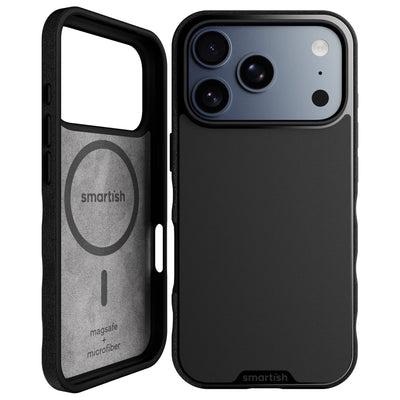
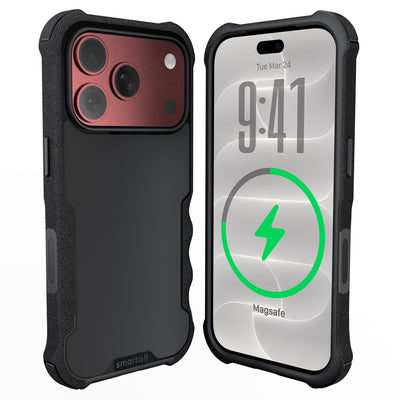
| MagSafe-Compatible (Gripmunk, Gripzilla) | Snap-on, wireless charging, accessory support | Air-pocket corners, raised screen edge, raised camera ring | Everyday use, active lifestyles |
| Standard Case | No magnetic features | Air-pocket corners, raised screen edge, raised camera ring | Basic protection |
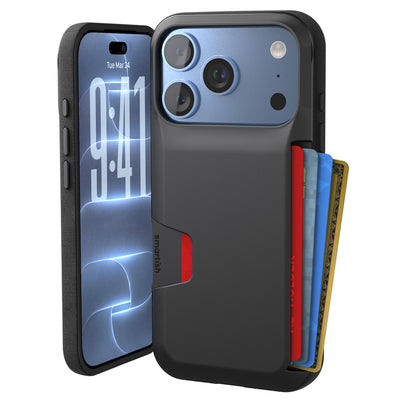
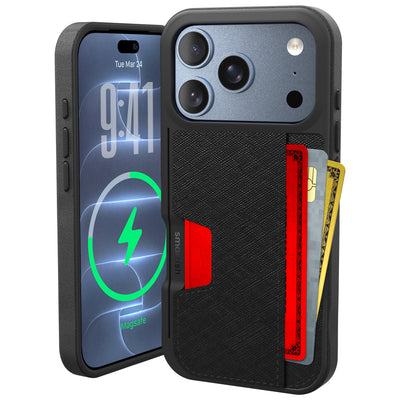
| Wallet Slayer Vol. 1/Vol. 2 | Card slots, kickstand (Vol. 2), not MagSafe | Thicker build, air-pocket corners, raised screen edge, raised camera ring | All-in-one wallet solution |
Step-by-Step: Using Magnetic Mounts, Cases, and Accessories Like a Pro

Nail Car Mount Setup (Hands-Free Driving)
Clean your dashboard with an alcohol wipe and let dry for 60 seconds to ensure proper adhesion. Snap your magnetic case to the mount with a quick twist-lock motion that takes under 5 seconds. Test stability by driving over speed bumps at 20mph, if the phone shifts, adjust the mount angle 15 degrees backward for better grip.
During your morning commute with coffee in hand, you'll appreciate the one-handed phone placement that magnetic mounts provide. The strong neodymium magnets hold through turns and stops without requiring clips or cradles that block ports. For those who want a reliable solution for their vehicle, the Mountaineer Car Mount offers secure attachment and easy access.
Install/Remove Magnets Without Goo
Apply 3M adhesive dots (pea-sized) to clean surfaces, then press the magnet firmly for 30 seconds. Allow 24 hours for full cure before testing hold strength. When removing, peel slowly at a 45-degree angle to prevent surface damage.
Fix any adhesive residue with rubbing alcohol on a microfiber cloth, takes about 1 minute of gentle circular motions. This method works on car dashboards, desk surfaces, and phone cases without leaving marks.
Test Wireless Charging with Magnets
Place your magnetic case on the charging pad and look for a steady LED indicator, you should get full 15W charging speed and reach 20% battery in under 2 minutes. Rotate the phone slightly if charging seems slow, as perfect alignment matters for maximum efficiency. If charging speed drops, space any additional magnets at least 2mm away from the phone's internal charging coil.
Common Magnet Headaches and Dead-Simple Fixes
Phone Slides on Bumps? Boost the Hold
Weak magnetic fields or poor mount angles cause phones to slide during rough rides. Stack N52 magnets for 50% stronger pull, roughen smooth surfaces with 220-grit sandpaper for better grip, or tilt your mount 10 degrees backward to work with gravity instead of against it.
Off-road drivers and motorcycle riders need extra hold strength, doubling up on magnets creates the pull force needed for trail bumps and highway vibrations without affecting phone performance. For a deeper dive into magnetic phone accessories and their evolution, you can read more at smartish has landed.
Compass/GPS Glitches or Charging Hiccups
Magnetic field overlap temporarily confuses your phone's compass sensor, causing navigation apps to point the wrong direction. Recalibrate by moving your phone in a figure-8 pattern for 20 seconds, space magnets at least 1 inch from the top sensor area, and test GPS accuracy after each ride.
Keep charging efficient by ensuring magnets don't interfere with the wireless coil. If charging slows down, slightly reposition your case or mount to restore full speed. For more information on how magnets interact with electronics, you can visit this Scientific American article on magnets and electronics.
Wallet Magnets vs. Cards, Safe Distance
Modern credit cards resist magnetic damage, but keep them 0.5 inches away from strong magnets as a precaution. Use non-magnetic card slots like those in Wallet Slayer Vol. 1 and Vol. 2 designs that separate cards from the magnetic attachment points. This setup lets phones and magnets work together without risking your cards. For a technical explanation of magnetic shielding, check out this resource on magnetic shielding materials.
Top Picks for Magnetic Gear That Plays Nice with iPhone 17 and Beyond
The right magnetic accessories can transform how you use your phone daily. With iPhone 17's enhanced MagSafe capabilities, choosing gear that maximizes both function and protection matters more than ever. Here's what actually works for real-world use.
Best MagSafe Cases for Grip and Protection
Best for: Users who want reliable snap-on functionality without sacrificing drop protection
Gripmunk delivers slim profile with full MagSafe compatibility, air-pocket corners absorb impact while maintaining that satisfying snap. The textured sides provide grippy-not-sticky feel that prevents slips during one-handed use. Gripzilla steps up protection with a rigid backplate and the same MagSafe strength, drop-tested for active lifestyles. Both feature raised camera rings and precise cutouts for the camera control button.
| Case Type | Thickness | MagSafe Strength | Best For |
|---|---|---|---|
| Gripmunk | Slim (1mm) | Full snap power | Everyday carry |
| Gripzilla | Protective (2mm) | Full snap power | Active users |
| Wallet Slayer Vol. 2 | Thicker (4mm) | Not MagSafe | All-in-one solution |
Magnetic Mount Must-Haves
Car mounts with 360° swivel joints handle bumpy commutes while maintaining phone access. Dashboard discs work best for trucks and larger vehicles where vent clips won't reach. For motorcycle riders, look for N52-grade magnets rated for 20+ pound pull, they'll hold through vibration and wind.
The key criteria: drop-tested compatibility, precise alignment with phone magnet rings, and materials that won't interfere with wireless charging. Check that mounts accommodate cases and don't block essential ports or the camera control button.
Advanced Hacks, DIY Mounts, Shielding, and Magnet Tweaks

For users ready to customize their magnetic setup, simple modifications can solve specific challenges and create unique solutions.
Build a DIY Magnetic Stand
Create a custom desk stand using four N52 neodymium discs (10mm diameter) glued to a wooden base. Align the magnets with your case's magnetic ring pattern, test with a 10-pound pull before finalizing. Total cost runs about $5 with a 15-minute build time. This approach works especially well for video calls where precise angle control matters.
Shield for Zero Interference
Cut mu-metal sheeting (0.5mm thick) and layer it under magnets to block 99% of stray magnetic fields. This technique prevents compass interference in sensitive applications like surveying or navigation-critical work. The thin metal redirects magnetic fields away from phone sensors while maintaining attachment strength.
Looking Ahead: Phones and Magnets in 2025 and Beyond
As phone manufacturers integrate stronger magnets and more magnetic accessories, the relationship between phones and magnets continues evolving. iPhone 17's enhanced MagSafe system suggests magnetic attachment will become even more central to how we use mobile devices.
The science remains clear: modern phones and magnets work together safely when you understand the technology. SSDs, batteries, and screens ignore magnetic fields, while built-in shielding protects sensitive components. The real opportunity lies in leveraging magnetic accessories that enhance daily functionality, from faster car mounting to seamless wireless charging alignment.
Smart accessory choices like properly designed magnetic cases with air-pocket protection and raised edges give you the best of both worlds: magnetic convenience and reliable device protection. Whether you're commuting, working, or exploring outdoors, the right magnetic setup turns your phone into a more versatile tool without compromising its safety or performance.
Frequently Asked Questions
Do magnets really damage modern smartphones like the iPhone 17?
No, everyday magnets won’t damage modern smartphones like the iPhone 17. These devices use solid-state components that aren’t affected by magnetic fields, so your data, battery, and screen stay safe.
How do magnetic accessories like MagSafe improve phone functionality without causing harm?
Magnetic accessories like MagSafe are designed to work seamlessly with your phone’s built-in magnets, enhancing grip, charging, and mounting without interfering with device performance or safety.
What are the differences between magnetic phone cases and regular cases in terms of grip and protection?
Magnetic phone cases offer added convenience by snapping securely to compatible mounts and chargers, while still providing reliable protection with features like air-pocket corners and raised edges. Regular cases focus solely on protection and grip without magnetic functionality.
Can magnetic mounts or accessories interfere with phone features such as the compass or data storage?
Magnetic mounts or accessories might cause temporary compass fluctuations but won’t affect data storage or other phone functions. Any compass wobble usually recalibrates quickly once the magnet is removed.