





How much are pocket-friendly MagSafe wallets?
How much are pocket-friendly MagSafe wallets? Most genuinely affordable options land between under $10 and about $30, while premium designs commonly reach $50 to $60. The price depends on more than the magnet: card capacity, loaded thickness, cash storage, materials, card access, and extras such as a kickstand or tracking all change the number on the tag.
Key Takeaways
- Most budget-friendly MagSafe wallets cost between $10 and $30, while premium models with extra features run $50 to $60.
- The price depends on card capacity, loaded thickness, and whether you need cash storage or a kickstand.
- Materials and how you access your cards also shift the cost, not just the strength of the magnet.
- If you skip tracking and other add-ons, you can find a solid MagSafe wallet for under $30.
A wallet can be easy on your budget and still be a pain in your pocket. The sweet spot is a slim design that holds the cards you actually carry, stays attached during phone retrieval, and does not turn a front pocket into a small brick factory.
How Much Does a Pocket-Friendly MagSafe Wallet Cost? The Quick Answer
How much are pocket-friendly MagSafe wallets? Expect under $10 to roughly $30 for budget-friendly, everyday choices. Premium models with leather, tracking, expanded storage, or other ecosystem extras trend toward $50 to $60. A wallet priced around $30 often offers the best balance of magnetic hold, card access, compact dimensions, and daily durability without charging a small-phone-sized ransom.
What “Pocket-Friendly” Actually Means: Price and Pocket Fit
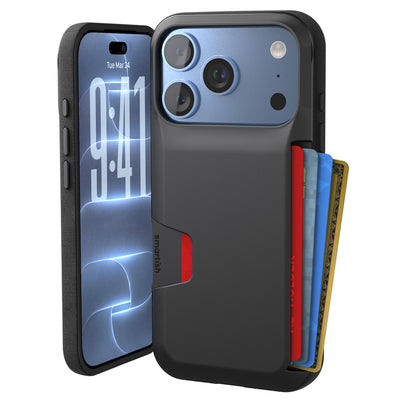
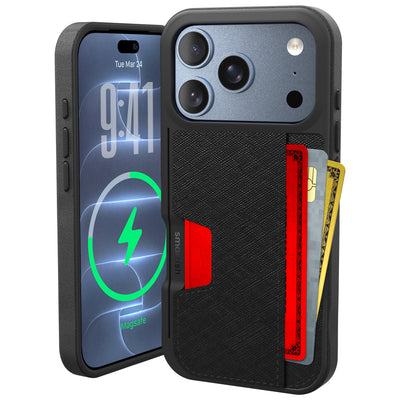
Price is the easy part. Physical fit takes a little more thought. Check the wallet’s loaded thickness, card count, edge shape, weight, and how easily cards slide out. A one-to-three-card holder generally keeps the profile tidy. Five-card and expandable designs offer more flexibility, yet each added card takes up pocket space.
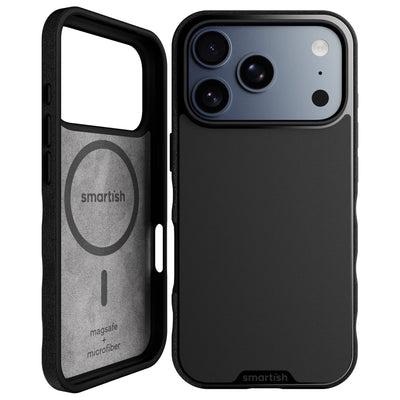
Magnetic attachment matters, too. The wallet should stay put while you pull your phone from a pocket, but cards should remain reachable without a wrestling match. A MagSafe-compatible Gripmunk case can help provide a secure connection to MagSafe accessories.
Heads Up: Prices Move, So Check Before You Buy
Use these ranges as buying guidance, not a permanent price label. Retail pricing changes with promotions, seasonal sales, regional currency, taxes, and availability. Compare the actual checkout total rather than relying on a discount banner.
The MagSafe Wallet Price Ladder: Four Tiers, No Guesswork

How much are pocket-friendly MagSafe wallets? The price ladder separates the cost of basic card storage from the added engineering behind stronger magnets, better materials, stand functions, and digital tracking.
| Typical price | Card capacity | Best use case | Likely trade-offs |
|---|---|---|---|
| Under $10 | One to three cards | Backup wallet or occasional errands | Basic materials and variable magnetic hold |
| About $30 | One to three cards | Daily carry with a slim profile | Limited room for cash and coins |
| $30 to $50 | One to five cards | Stand function or extra storage | More thickness and cost |
| Above $50 | Varies | Premium materials, tracking, or integration | Premium pricing and added bulk |
Under $10: Ultra-Budget Wallets, When They Work and When They Don’t
Sub-$10 wallets can make sense for light use, but thin synthetic material, weaker magnets, rough card slots, and loose stitching may show up sooner with repeated pocket insertion and removal.
Around $30: The Everyday Sweet Spot
About $30 is a fair price for a quality MagSafe wallet when it delivers secure magnetic attachment, a slim profile, clean edges, and easy card access. That range suits people who want the essentials close at hand instead of carrying a full billfold everywhere. For more background on the technology, see this guide to how MagSafe works.
The trade-off is intentional. A compact magnetic wallet is not meant to swallow every loyalty card, receipt, coin, and emergency coupon from 2017. A slim case such as the Gripmunk with MagSafe® for iPhone 15 helps keep the overall phone-and-wallet setup pocket-friendly.
$30 to $50: Midrange Upgrades Like Stands and Better Materials
This tier typically adds a useful function rather than simply adding a fancier price tag. A built-in stand can support hands-free viewing, while better fabric, reinforced seams, or a more shaped card slot may improve the everyday feel.
Above $50: Premium Leathers, Tracking, and Ecosystem Extras
Prices above $50 often reflect premium finishes, Find My tracking, expanded storage, stronger construction, or integration with a broader accessory system. That price can be reasonable when tracking or added capacity solves a real need.
What Your Money Buys: The Value Equation Behind the Price Tag
Compare price against card capacity, loaded thickness, magnetic hold, cash handling, material quality, durability, and useful extras. A wallet carrying five cards may sound like a bargain until it crowds your pocket.
Card Capacity vs. Thickness: Why Five Cards Cost Pocket Space
A one- or two-card wallet is usually the easiest format for a genuinely slim carry. Ask how many cards you use every week, not how many cards you own.
Cash, Coins, and ID: What Actually Fits
Most slim magnetic wallets handle cards better than loose change. A folded emergency bill may fit, while coins usually create a lumpy profile and can interfere with card removal.
Magnet Strength: Stays Put vs. Snaps Off Easily
Magnetic hold is about more than a satisfying snap. Test attachment with the phone in a compatible case, then pull the setup from a pocket several times. A secure wallet should resist sliding during normal handling.
Materials and Durability, Plus the Plant-Based Leather Catch
Material affects texture, structure, moisture resistance, edge wear, and long-term shape. Read the material description carefully rather than awarding a sustainability trophy based on one cheerful adjective.
Extras That Bump the Price: Stands, Find My Tracking, and Ejection
Stand hardware, Find My tracking, magnetic shielding, and push-button card ejection can all add cost and convenience. A simple wallet with reliable card access may be the better value for a minimalist.
The Best Price Depends on Your Carrying Routine
There is no magic number that makes every magnetic wallet a smart buy. The right price depends on your card count, pocket space, cash habits, and tolerance for extra features. Start with the smallest setup that handles your real day.
Our Practical Verdict for Daily Carry
For most people, around $30 is a sensible target for a daily MagSafe wallet. Under $10 remains reasonable for a backup or occasional use. Spend more when a stand, tracker, larger capacity, improved ejection system, or upgraded material solves a problem you encounter often.
A Five-Minute Check Before You Buy
- Count your cards: Include your ID, primary payment card, backup card, and any card you use weekly.
- Check loaded thickness: A slim empty wallet may feel different with several cards inside.
- Inspect card access: Look for a thumb slot, pull tab, or exterior ID window.
- Confirm attachment: Verify compatibility with both your phone and case.
- Review charging needs: Determine whether the wallet must be removed for wireless charging.
- Decide on cash: Folded emergency bills may fit, while coins usually work better somewhere else.
Before checking out, compare the current regular price with any sale price, confirm compatibility, and judge the loaded profile. Buy for your actual carry, skip the features you will not use, and let the wallet do its small job without making a big production of it.
Frequently Asked Questions
Is a pocket-friendly MagSafe wallet worth getting?
A pocket-friendly MagSafe wallet is worth getting if you carry a few cards and want phone-based access without a full billfold. Look for a slim profile, dependable magnetic attachment, easy card access, and space for the cards you use each week. A wallet near $30 often offers a practical balance for daily carry.
How much does a MagSafe wallet cost?
A MagSafe wallet typically costs under $10 to about $30 for budget-friendly everyday options, while premium models often cost $50 to $60. Price changes with card capacity, materials, magnetic hold, cash storage, tracking, and stand features. Sale pricing, taxes, shipping, and regional availability can change the checkout total.
Which MagSafe wallet is best for a small budget?
The best budget MagSafe wallet is a slim model that securely holds the cards you carry most and stays attached during normal phone handling. Wallets under $10 suit occasional use, while options around $30 often provide a better daily balance of card access, durability, and magnetic hold. A one-to-three-card design usually keeps pockets more comfortable.
Can a MagSafe wallet hold cash?
A MagSafe wallet can usually hold a folded emergency bill, but most slim designs are made mainly for cards. Coins, receipts, and several bills can create a lumpy profile and make card removal harder. Check the wallet's cash slot and loaded thickness before buying if cash is part of your daily carry.
Does a MagSafe wallet mess up credit cards?
A MagSafe wallet can affect some magnetic-stripe cards, so storing credit cards in a MagSafe wallet requires checking the wallet maker's guidance. Modern chip and contactless payment functions are separate from the magnetic stripe, but card construction varies. Keep cards away from strong magnets if the issuer warns against magnetic storage.
What should I check before buying an affordable MagSafe wallet?
Before buying an affordable MagSafe wallet, check loaded thickness, card capacity, magnetic attachment, card access, cash storage, and material quality. A wallet that costs less than $10 may have basic materials or variable magnetic hold. Compare the wallet with your phone and case together, since the complete setup determines pocket comfort and attachment.
Is about $30 a good price for a MagSafe wallet?
About $30 is a good price for a MagSafe wallet that delivers a slim shape, secure attachment, easy card access, and everyday durability. This price usually targets practical carry rather than expanded storage or premium extras. Spending more can make sense for tracking, a stand, premium finishes, or additional card capacity.