





iPhone 18 Pro Max camera
The iPhone 18 Pro Max camera has not been announced, so no rumored megapixel count, sensor, aperture, zoom range, color lineup, or price is official. Reports point toward a three-camera system with changes to the main sensor and telephoto lens, but Apple has not confirmed the parts list.
Key Takeaways
- Apple hasn't confirmed any specs for the iPhone 18 Pro Max camera, so take every rumor with a grain of salt.
- Reports suggest a three-camera setup with upgrades to the main sensor and telephoto lens, but nothing is set in stone.
- Without an official announcement, the megapixel count, aperture, zoom range, and price are all still guesswork.
- If you're holding out for the next iPhone camera, keep your expectations flexible until Apple shares the real details.
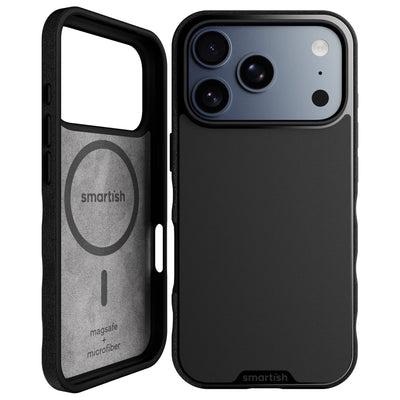
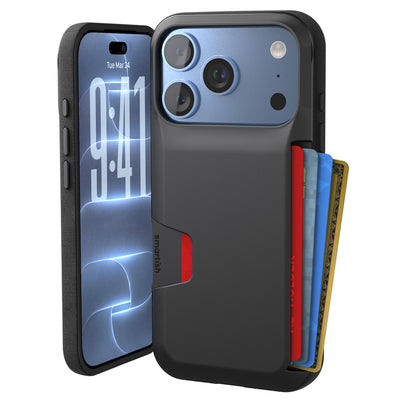
Treat three 48MP rear cameras as a strong bet, a Sony IMX905 main sensor as plausible but unconfirmed, and variable aperture plus up to 6x optical zoom as open questions. The Gripmunk with MagSafe® - Slim Case for iPhone 16 Pro is built for the phone available today, with grip, camera protection, and MagSafe compatibility.
Nothing Is Confirmed Until Apple Takes the Stage
Every camera detail below is rumor, reporting, or community evidence. The GSMArena listing and other specification databases collect expected details, but they do not replace an Apple specification sheet. Even the reported 6.9-inch display size remains provisional.
The current iPhone 17 Pro Max is the baseline. Research reports that its three rear-facing cameras use 48MP sensors, while its telephoto system’s advertised 8x optical result is more precisely described by 9to5Mac as a 24MP crop from a native 4x optical view. A number on a camera page only matters if it changes framing, detail, low-light behavior, or focus.
At-a-Glance: Every Rumored Camera Spec, Ranked by Confidence
| Feature | Rumored spec | iPhone 17 Pro Max baseline | Confidence level | Likely real-world impact |
|---|---|---|---|---|
| Rear camera resolution | Three 48MP cameras | Three reported 48MP rear sensors | Strongly reported | More detail and flexible cropping |
| Main sensor | Sony IMX905 | Fixed f/1.78 main-camera aperture | Unconfirmed | Possible gains in light capture and processing |
| Main aperture | Variable aperture | Fixed f/1.78 aperture through recent Pro generations | Unconfirmed | More control over depth and bright scenes |
| Telephoto zoom | Up to 6x optical zoom | Native 4x optical view, with a reported 8x 24MP crop | Unconfirmed | Cleaner distant subjects at true optical reach |
| Display size | 6.9 inches | Current generation baseline differs | Unconfirmed | Larger preview, plus a larger phone to carry |
The Rumors, Ranked: From Solid Bets to Wishful Thinking
Strongly Reported: Three 48MP Rear Cameras
The strongest camera rumor is a three-48MP rear setup covering the main, ultrawide, and telephoto cameras. That would continue the direction already reported for the iPhone 17 Pro generation. More pixels can support detailed files, reframing, and computational photography, but they do not automatically create better color, focus, or night shots.
The Rumored Sony IMX905 Main Sensor and Its 1.22-Micrometer Pixels
MacRumors reporting has tied the possible main sensor to Sony’s IMX905, while a Reddit diagnostic-log post claims a 48MP ultrawide sensor identified as Sony IMX972 with 1.22-micrometer pixels. The Reddit material is community evidence, not an authoritative product document. Until Apple or a dependable supply-chain report verifies these details, consider the sensor names clues rather than shopping facts.
Variable Aperture: The Headline Rumor Nobody Can Confirm Yet
A variable-aperture main camera could move beyond the fixed f/1.78 aperture reported across recent Pro generations. The lens might open wider in dim conditions and stop down in bright scenes, with software helping manage exposure and depth. The feature remains unconfirmed, and it cannot compensate for a shaky hand, a dirty lens, or a moving subject.
Pro Max Exclusives: Why the Biggest iPhone Might Get the Best Camera
A 9to5Mac report says some camera features may be exclusive to the Pro Max, including a possible five-refraction prism connected with longer telephoto reach. Leaker claims remain unconfirmed, and the larger body could provide more room for lens hardware. That may frustrate shoppers who want the best camera without the biggest screen and heaviest phone.
For a current iPhone 16 Pro, the Gripmunk with MagSafe® - Slim Case for iPhone 16 Pro keeps the camera bump raised away from surfaces, with grip, camera protection, and MagSafe compatibility. If you are upgrading to the current larger model, the Gripmunk with MagSafe® case for iPhone 17 Pro Max offers similar everyday protection.
What the Rumored Specs Actually Mean for Your Photos
Variable Aperture in Real Life: Portraits, Night Scenes, Landscapes, and Group Shots
In a portrait, a wider aperture can gather light and produce stronger background separation, while a narrower setting may keep more of a group in focus. For a night scene, lens opening is only one part of the result: sensor size, shutter speed, stabilization, noise reduction, and image processing also matter. In bright sunlight, stopping down could help control exposure. The benefit is flexibility, not guaranteed professional lighting.
Why Megapixels Aren't the Whole Story
The rumored iPhone 18 Pro Max camera megapixels count indicates how much image data a sensor can record. It does not fully predict sharpness or color accuracy. Pixel size, lens quality, autofocus, dynamic range, HDR processing, white balance, skin-tone rendering, and stabilization also matter. A 48MP file gives you room to crop, while a well-processed lower-light image may look better than a larger file filled with noise.
Zoom, Decoded: Native Optical vs. Cropped vs. Digital
Native optical zoom uses a dedicated telephoto lens, so distant subjects retain more natural detail. A crop uses a high-resolution portion of a sensor, which can work well in good light but leaves less image area to process. Digital zoom enlarges pixels through software and usually shows its limits sooner. The rumored iPhone 18 Pro Max camera zoom could reach 6x optical, but the useful question is whether that reach is native, stabilized, and available in real shooting conditions. For a deeper explanation of magnetic accessories that can support your setup, see this guide to how MagSafe works.
How to Read the Remaining Camera Rumors
Rumor pages may place a supplier document, a leaker post, and a speculation-heavy render in the same category. They should not carry equal weight. A reported component from a supply-chain source can suggest direction, while a database listing may repeat an earlier rumor. A social-media claim sits lower unless another reliable source confirms it. “Reported,” “expected,” and “confirmed” describe different levels of evidence.
Compare each claim with the current generation. The iPhone 17 Pro Max already reportedly uses 48MP sensors across its rear camera system, so a similar resolution setup is easier to believe than an entirely new imaging format. Variable aperture and longer telephoto reach would represent more meaningful hardware changes, though both remain unconfirmed.
A Practical Confidence Check for Buyers
Start with the source, then ask what the claim would change in daily use. A sensor model’s value depends on lens design, autofocus performance, image signal processing, stabilization, and camera software. A zoom figure needs the same treatment: determine whether it describes native optical reach, a sensor crop, or a digitally enlarged image.
Wait for real photos before judging quality. Side-by-side samples can show skin tones, fine hair, text, shadows, motion, and night detail. A product page can list aperture and resolution, but finished images show whether highlights hold together, faces remain natural, and distant subjects retain detail.
Should You Wait for the Next Pro Max?
Waiting makes sense if you specifically want longer optical reach, adjustable aperture control, or a larger preview for framing. Those features could help with sports, travel details, pets, portraits, and evening scenes. They may also matter to people who crop heavily or record video where stabilization and lens switching are noticeable. The rumored iPhone 18 Pro Max camera features sound useful, but usefulness depends on final hardware and software.
Sticking with a recent Pro model can be sensible if your current phone already handles your subjects well. A three-camera setup with high-resolution sensors, computational photography, ProRAW support, portrait controls, macro capture, and stabilized video covers many situations. An upgrade should solve a specific frustration, such as soft telephoto shots or limited low-light control. The final price has not been announced.
Protect the Camera Hardware You Use Today
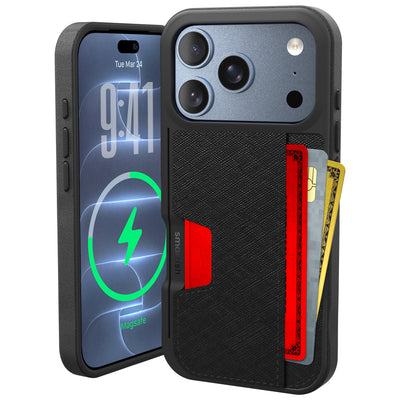
Camera improvements only help if the lenses stay clean and the housing survives ordinary mishaps. The Gripmunk with MagSafe® - Slim Case for iPhone 16 Pro uses raised edges around the screen and camera, air-pocket corners and a textured side grip. It has also been drop-tested 50 times from 6 feet with successful protection results, though no case can promise protection from every impact.
The case is slim, works with MagSafe accessories, and provides complete access to the iPhone 16 Pro Camera Control button through precise cutouts and reinforced edges. It comes in colors and patterns ranging from Solid Black and Clearly Clear to Blues on the Green and Wildflower Fields, with pricing from $19.99 to $24.99.
The Sensible Takeaway Before Launch
The iPhone 18 Pro Max camera may bring a three-48MP rear system, a Sony IMX905 main sensor, variable aperture, and longer optical zoom. The first claim is the strongest reported direction because it follows the current Pro layout. The sensor identity, adjustable lens opening, and telephoto reach need more proof. Treat every megapixel count, aperture value, zoom label, and color prediction as provisional.
Judge the possible upgrade by the photos you take. If distant subjects, dim interiors, portrait depth, or framing flexibility are recurring problems, the rumored hardware changes could matter. If your current phone already delivers what you need, waiting for launch reviews may save you from paying premium money for improvements you rarely notice. Camera specs are clues; your camera roll is the evidence.
The Buying Verdict: Wait for Proof, Not Promises
The iPhone 18 Pro Max camera could be a meaningful update, but Apple has not confirmed the sensor layout, variable aperture, telephoto reach, colors, pricing, or launch timing. The safest expectation is a three-camera system with 48MP resolution across the rear lenses. The Sony IMX905 sensor, adjustable aperture, and longer optical zoom remain unconfirmed.
Wait for official specifications and independent photo samples. Check daylight detail, indoor noise, autofocus speed, motion handling, skin tones, highlight recovery, stabilization, and image quality between labeled zoom steps. Those tests reveal whether a new camera solves a real problem or only adds a larger number to a product page.
Key insight: The best upgrade is the one that fixes a photo problem you regularly notice. If your camera roll already looks good, a rumored sensor or zoom figure may not justify replacing a recent phone.
Who Should Wait for the Launch
Waiting is reasonable for photographers who often shoot distant subjects, evening scenes, portraits, or fast-moving people. A true longer-range telephoto lens could make framing more flexible without relying as heavily on cropping. Variable aperture could give the main camera more control in bright conditions and offer another way to manage depth of field. Neither feature guarantees better pictures.
The reported 6.9-inch display could make editing, framing, and reading camera controls more comfortable, based on the provisional GSMArena listing. The tradeoff is a larger device in a pocket or bag. Anyone who wants advanced imaging without a bigger handset should wait for confirmation that the rumored features are exclusive to this model.
Who Can Skip the Upgrade
Owners of recent Pro phones can probably wait if their main needs are everyday snapshots, family photos, social posts, document scans, and stabilized video. High-resolution main cameras, ultrawide framing, telephoto options, portrait processing, macro capture, and automatic HDR already cover a broad range of situations. A new camera matters less if you rarely crop, photograph faraway subjects, or adjust exposure manually.
Use your own camera roll as the test. Look for repeated problems: soft faces in dim rooms, noisy shadows, missed focus during movement, weak detail at medium zoom, or limited depth control. If those issues rarely appear, an upgrade may deliver technical improvements without changing your daily experience.
What to Check Before Spending Premium Money
Once Apple announces the phone, confirm the native optical focal lengths, aperture range, resolution for each rear camera, and whether any telephoto claim depends on a crop. Inspect sample images from the main, ultrawide, and telephoto lenses in bright and low light. Video buyers should check recording formats, stabilization, microphone performance, heat management, and lens switching during movement.
Price should follow those checks. A costly phone can be a poor fit if its standout feature rarely affects your photography. Keep the camera area clear, choose a case with raised protection around the lens housing, and look for a grip that reduces slips without making pocket use difficult.
Final Recommendation for Camera Shoppers
The iPhone 18 Pro Max camera is worth watching, not pre-ordering on rumor strength alone. Three 48MP rear cameras appear to be the safest expectation. The possible Sony IMX905 main sensor, variable aperture, longer optical telephoto, and Pro Max-only tools could matter, yet each needs official confirmation and real-world testing. Wait if those upgrades match your shooting habits. Stay put if your current phone already produces the images you want.
The most useful camera specification is the one you can see in your own photos. Count the moments that need better reach, cleaner night detail, steadier video, or more control. Then compare those needs with verified launch information. That approach keeps the decision grounded and prevents an unverified specification from deciding for you.
Frequently Asked Questions
Is the iPhone 18 Pro Max going to have a better camera?
The iPhone 18 Pro Max camera may be better, but Apple has not confirmed its specifications or performance. Reports point to three 48MP rear cameras, a possible Sony IMX905 main sensor, variable aperture, and up to 6x optical zoom. Those upgrades could improve cropping, low-light shots, and distant subjects if they ship.
Is the iPhone 18 Pro camera good?
The iPhone 18 Pro camera could be very capable, but no hands-on results or official specifications exist yet. Rumors suggest a high-resolution three-camera system, with possible improvements to the main sensor and telephoto lens. Photo quality will also depend on autofocus, stabilization, lenses, and Apple’s image processing.
Will there be an iPhone 18 Pro Max?
The iPhone 18 Pro Max is expected by current reports, but Apple has not officially announced the phone. Its rumored 6.9-inch display and possible Pro Max-only camera hardware remain unconfirmed. Until Apple takes the stage, treat release timing, features, and the final camera parts list as predictions rather than promises.
How many megapixels does the iPhone 18 Pro Max have in its main camera?
The iPhone 18 Pro Max camera is rumored to use a 48MP main sensor, but Apple has not confirmed the megapixel count. Reports also suggest three 48MP rear cameras across the main, ultrawide, and telephoto systems. Megapixels support detail and cropping, while sensor size, lenses, focus, and processing shape the final image.
How much will the iPhone 18 Pro Max cost?
The iPhone 18 Pro Max price has not been announced, so no official cost is available. Apple has not confirmed the storage options, color lineup, or final hardware, all of which can affect pricing. A reliable buying decision should wait for Apple’s launch details instead of relying on early estimates.