



Key Takeaways
- An iPhone wrist strap is an accessory that attaches to your phone or case for added security.
- It wraps around your wrist to keep your device secure and easily accessible.
- Wrist straps provide a minimalist alternative to bulkier phone accessories.
- The strap acts as a safety net, preventing accidental drops.
- It enhances convenience in your daily phone usage without being intrusive.
Table of Contents
- What iPhone Wrist Straps Are (And Why They Matter More Than You Think)
- How iPhone Wrist Straps Attach: Understanding Your Options
- Materials That Actually Matter: What Your Wrist Strap Is Made From
- Choosing the Right Length and Width: Fit for Your Wrist
- Wrist Straps vs. Lanyards vs. Crossbody Straps: Picking Your Match
- Attachment Step-by-Step: Getting It Right the First Time
- Preventing Common Problems Before They Happen
- Wrist Strap Compatibility: What Actually Works With What
- Why Wrist Straps and Phone Cases Should Work Together
- Practical Scenarios: When Wrist Straps Genuinely Shine
- Maintenance and Longevity: Making Your Strap Last
- Finding Your Ideal Wrist Strap: The Decision Framework
What iPhone Wrist Straps Are (And Why They Matter More Than You Think)
An iPhone wrist strap is a practical accessory that attaches to your phone or case, wrapping around your wrist to keep your device secure and within reach. Unlike bulkier crossbody straps or traditional phone grips, a wrist strap offers a minimalist solution, it's there when you need it, barely noticeable when you don't. Think of it as a safety net for your phone and a convenience upgrade for your daily routine. Explore printed accessories to find the perfect wrist strap style for your needs.
The real value isn't just about preventing drops (though that's part of it). Wrist straps solve a genuine problem: the awkward juggling act of holding your phone, wallet, keys, and coffee simultaneously. They free up your hands for actually living, whether that's navigating a crowded commute, hiking with both hands free, or simply not having to grip your phone like it's your most valuable possession (which, let's be honest, it basically is). Shop our best sellers for the latest wrist strap designs and other must-have accessories.
How iPhone Wrist Straps Attach: Understanding Your Options

Attachment methods vary depending on your phone setup, and knowing which one suits your lifestyle is key. For more on how your phone and case work together, read our guide to iPhone and case compatibility.
Eyelet-Based Attachment
This is the most common method. A cellphone wrist strap loops through a small hole (eyelet) in your phone case, then fastens to itself using a loop or closure system. This design works seamlessly if your case has an eyelet, many protective cases include this feature specifically for accessory compatibility. The benefit: it's secure, doesn't damage your phone, and allows for quick attachment and removal.
Direct Phone Attachment
Some wrist straps attach directly to your device using adhesive pads or small ring holders applied to the back. This method works if you prefer minimal case coverage or like a streamlined look. The trade-off: adhesive attachment is permanent until you decide to remove it, so it's best for users committed to keeping a strap long-term.
Magnetic Connectors
A newer option, magnetic wrist straps attach via MagSafe-compatible rings or plates. This works particularly well if your case already supports MagSafe (common on newer models and certain protective cases). The advantage is versatility, you can swap straps in seconds without tools or hassle.
Materials That Actually Matter: What Your Wrist Strap Is Made From
The material you choose affects comfort, durability, style, and how well your strap holds up to daily life.
Nylon: The Everyday Workhorse
Nylon is lightweight, water-resistant, and available in countless colors and patterns. It's ideal if you commute, travel frequently, or want a strap that can handle whatever the day throws at it. Nylon straps dry quickly and resist fading, making them perfect for active lifestyles. The weight is negligible, typically around 2-3 grams, so you won't feel burdened.
Leather: The Premium Choice
Leather wrist straps offer a refined aesthetic and improve with age (developing character and patina over time). Leather is comfortable against skin and looks intentional, this isn't an accident of practicality; it's a style statement. The downside: leather requires occasional conditioning and isn't ideal if you're frequently in wet environments.
Silicone and TPU: The Flexible Middle Ground
These materials offer durability and water resistance without feeling stiff. Silicone straps are soft to the touch, comfortable for extended wear, and easy to clean. They're less prone to fraying than fabric options and work well for users with sensitive skin.
Choosing the Right Length and Width: Fit for Your Wrist
This is where most people slip up, literally. An improperly sized strap either cuts off circulation or slips right off your wrist, defeating the entire purpose.
Finding Your Ideal Length
A standard mobile wrist strap typically ranges from 200-250mm in length (roughly 8-10 inches), though this varies by brand. The right length should allow the strap to sit comfortably around your wrist without pressure while still keeping your phone secure. To measure: wrap a soft measuring tape around your wrist where you'd wear the strap (usually just below the thumb), then add about 10-15mm for comfortable wiggle room.
Width Considerations
Straps range from 3-10mm in width. Narrower straps (3-5mm) are less noticeable and distribute weight well, while wider straps (8-10mm) offer more surface area comfort, especially if you'll be carrying heavier phones for extended periods. Look for straps with adjustable attachment points or closures for fine-tuning based on whether you're wearing a thick jacket or nothing at all.
Wrist Straps vs. Lanyards vs. Crossbody Straps: Picking Your Match

These terms often get used interchangeably, but they're distinct options with different use cases.
| Feature | Wrist Strap | Lanyard | Crossbody Strap |
|---|---|---|---|
| Attachment Point | Wraps around wrist | Hangs from neck | Adjustable, goes over shoulder |
| Hands-Free Option | Limited (phone dangles from wrist) | Yes (phone hangs at chest) | Yes (phone rests on hip or chest) |
| Best For | Quick access, active movement | Hands-free carrying, travel | All-day carrying, commuting |
| Weight Feel | Minimal on wrist | Noticeable on neck | Distributed across shoulder/torso |
| Style Factor | Subtle, practical | Statement piece | Fashion-forward option |
When Wrist Straps Win: If you're someone who regularly switches between hands-free and hand-holding, or if you want quick access without the phone dangling visibly, wrist straps are your best bet. They're perfect for navigating stores, using public transit where you need one free hand, or any situation where you want your phone immediately accessible but not constrictive.
When Lanyards Make Sense: Lanyards excel for travel, events, or situations where you genuinely need both hands free and don't mind the phone hanging in front of you. When Crossbody Straps Shine: For all-day carrying without wrist fatigue, think long commutes, festival days, or any scenario where your phone stays on you all day but you rarely actually hold it.
Attachment Step-by-Step: Getting It Right the First Time
For Eyelet-Based Straps
Locate the eyelet on your phone case (usually on the bottom corner or edge). Thread the iphone case wrist strap loop through the eyelet from the outside, pull the loop tight and secure it using whatever fastening mechanism your strap includes (loop through loop, velcro, clip, or button). Test the connection by gently pulling, the strap should be firmly attached with no wiggle. Wrap the strap around your wrist and secure the other end using the provided closure.
For Direct Adhesive Attachment
Clean the back of your phone thoroughly with a lint-free cloth and mild rubbing alcohol, let dry completely (crucial step). Carefully peel the adhesive backing from the attachment ring or pad, position it precisely where you want it (usually lower back corner for ergonomic balance), then press firmly for 30 seconds, applying even pressure across the entire adhesive surface. Wait 24 hours before attaching the wrist strap loop.
For Magnetic Attachments
Ensure your phone case is MagSafe-compatible, then attach the magnetic ring to your case following the manufacturer's instructions. Align the wrist strap's magnetic connector with the ring and snap into place, you'll feel a distinct magnetic click indicating secure attachment. Test by gently pulling the strap; it should hold firmly but detach with moderate force if needed.
Preventing Common Problems Before They Happen
The biggest complaint: straps that slip off during use. Prevention starts with proper length measurement. If your strap keeps sliding, try these solutions: tighten any adjustable closures incrementally, start snug but not cutting off circulation; check that your attachment point is fully secure; consider a slightly wider strap for better grip against skin.
Wearing a strap too tight causes numbness, tingling, or marks on your wrist. Solution: wear it looser than feels necessary initially, straps naturally tighten when you grip your phone. A good rule: you should be able to fit one finger comfortably between the strap and your skin. Adhesive straps occasionally lose adhesion over time, or eyelet attachments can tear if you repeatedly yank the phone by the strap.
Extend the life of your iphone wrist strap by not using it as a lifting handle for your phone, grip the phone itself. Periodically check adhesive integrity and reapply if needed. Ensure eyelets aren't reinforced with flimsy plastic, good cases use metal-reinforced eyelets. Keep straps untangled by wrapping them loosely around your phone when not in use, or choosing a shorter strap if you frequently carry your phone in bags or pockets. For more tips on keeping your case and accessories in top shape, see our best case iPhone maintenance guide.
Wrist Strap Compatibility: What Actually Works With What

Not all straps fit all phones, and not all attachment methods work with every case. Wrist straps themselves are universal, they don't attach directly to specific models. What matters is your case. If your case has an eyelet, any wrist strap designed for eyelets will work. If you're using a case without an eyelet, you'll need a strap designed for direct adhesive attachment or MagSafe compatibility.
Many protective cases include eyelets specifically for strap compatibility. Before purchasing a wrist strap, check your case manual or product page to confirm eyelet compatibility. If your case doesn't have an eyelet, look for adhesive or magnetic options. For more on case compatibility, see Our Thoughts.
Why Wrist Straps and Phone Cases Should Work Together
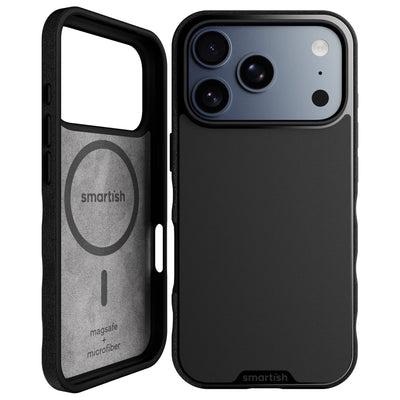
A quality phone case provides drop protection and corner cushioning through air-pocket technology and raised screen edges. A wrist strap prevents the drop from happening in the first place. Together, they're belt-and-suspenders protection: the case handles what happens if your phone hits the ground, and the strap keeps it from getting there.
This combination is particularly valuable during commutes, travel, or active use, situations where hands are full and distractions are high. Your case shouldn't be your only protection strategy.
Practical Scenarios: When Wrist Straps Genuinely Shine
The Commute
You're navigating a crowded train or bus platform. Wearing a cellphone wrist strap means your phone stays secure even when you're holding a coffee, balancing a bag, and reaching for a rail. No anxiety about pickpockets or accidental drops.
Travel and Navigation
Walking through airports, city streets, or unfamiliar areas while checking maps. A wrist strap keeps your phone readily accessible without constantly gripping it or fishing it out of a pocket.
Hiking and Active Outdoors
Your hands are occupied with trekking poles or climbing. A mobile wrist strap lets you check your GPS or take quick photos without removing gloves or fumbling with a backpack pocket. For more on the latest iPhone features that complement active lifestyles, read about what's popping in Apple's next drop.
Shopping and Errands
Both hands full of bags. Your phone is right there on your wrist, accessible without setting everything down.
Casual Hands-Free Moments
Watching content while cooking, video calling while tidying, or simply wanting to reference your phone without constantly holding it.
Maintenance and Longevity: Making Your Strap Last

A well-maintained wrist strap lasts years, not months. Here's how to maximize lifespan:
Regular Cleaning
Dirt and moisture accumulate at attachment points, weakening connections. Clean your strap weekly with appropriate methods based on material.
Inspect Attachment Points Monthly
Check eyelets for loosening, adhesive straps for peeling corners, and magnetic connections for debris. Small issues caught early prevent complete failure.
Rotate Between Multiple Straps
If you own several wrist straps, rotating between them extends the life of each by distributing wear. This also reduces odor buildup from daily skin contact.
Store Properly When Not in Use
Coil straps loosely, tight coiling stresses material and attachment points. Store in a dry place away from direct sunlight, which can fade colors and degrade certain materials over time.
Know When to Replace
Signs your strap needs replacing: visible tears or fraying, adhesive no longer sticking securely, attachment hardware feeling loose, or noticeable material degradation. Most quality wrist straps last 18-36 months with normal use, longer with rotation and care. For more on maximizing your phone's longevity, check out this guide from CNET.
Finding Your Ideal Wrist Strap: The Decision Framework
Start by asking yourself these questions:
What's your primary use case? Daily commute and travel require durability and comfort (nylon or silicone). Occasional use or fashion-focused carrying might prioritize style (leather or patterned options).
How attached is your phone currently? If you're someone who regularly carries your phone with one hand, an iPhone case wrist strap is an easy transition. If you barely notice your phone, the strap will feel foreign at first.
What's your comfort threshold for visible accessories? Some people love statement-making straps; others prefer minimal and barely-there.
Are you willing to adjust your strap length for different outfits/situations? Adjustable straps offer flexibility but add minimal complexity.
What's your material preference against skin? Silicone and nylon are forgiving; leather and fabric offer different tactile experiences. For the latest rumors and updates on iPhone models, see our iPhone 14 rumors roundup. You can also learn more about future charging options in this article from The Verge.
Frequently Asked Questions
What are the main benefits of using an iPhone wrist strap compared to other phone accessories?
An iPhone wrist strap offers a minimalist way to keep your phone secure and easily accessible without adding bulk. It acts as a safety net to prevent accidental drops while freeing up your hands for daily tasks, making it more convenient than larger straps or grips.
How do different attachment methods for iPhone wrist straps work, and which one is best for my phone case?
Most wrist straps attach through an eyelet or small hole in your phone case, looping securely to stay in place. The best method depends on your case design, cases with built-in eyelets are easiest, while others may require adapters or specific strap styles for a snug fit.
What materials are commonly used for iPhone wrist straps, and how do they affect comfort and durability?
Common materials include nylon and leather, chosen for their balance of durability and comfort. Nylon offers lightweight strength and adjustability, while leather adds style and a soft feel, both ensuring a secure grip without irritation during extended use.
Can iPhone wrist straps be used with any phone case, and how do I ensure compatibility?
Not all wrist straps fit every case; compatibility depends on whether your case has an attachment point like an eyelet. To ensure a good match, check your case’s design and choose a strap made for that style or one with adaptable attachment options.