





iPhone 17 screen protector case friendly
The 'Case-Friendly' Conundrum: What It Really Means for Your iPhone 17 Screen Protector
An iPhone 17 screen protector case friendly design is sized to work with most cases without peeling or bubbling. It's about precise edges that leave space for your case walls. Not just slapping any protector on the screen and hoping for the best.
Why Size Isn't Everything
A true iPhone 17 screen protector case friendly solution needs breathing room around its edges. About 1-2 mm of clearance prevents case lips from pushing against the glass, which kills protection faster than you can say "bubble city."
Your Case: The Screen Protector's Frenemy
Cases create pressure where their edges meet your protector. Daily gripping and pocket-sliding creates micro-movements that weaken the bond. Most failures happen in that first week after case installation. If your protector survives that break-in period, you're golden.
When Cases Attack: The Edge Tension Problem
Case pressure creates stress points that flex every time you grip your phone. The adhesive fails gradually, starting small but spreading until you've got corner lifts collecting dust and ruining touch sensitivity. Not fun.
What 'Case Friendly' Actually Looks Like
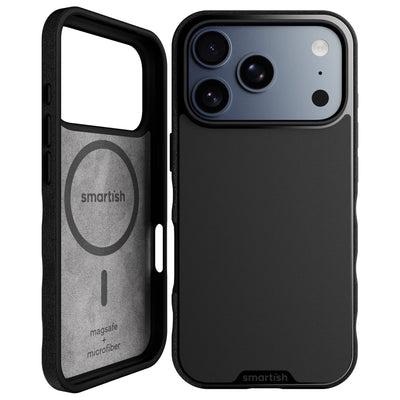
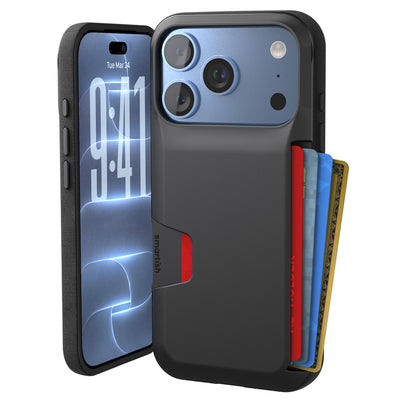
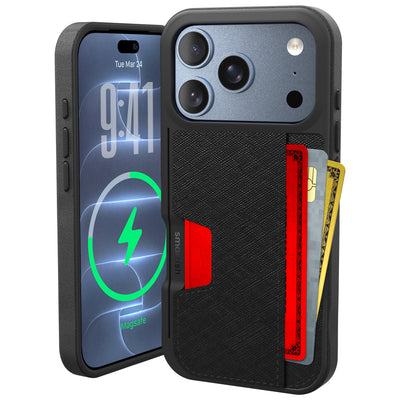
Proper design means rounded edges, precise cutouts, and enough space for case walls to settle without interference. The glass sits flush while keeping clearance for compatibility. Smartish cases like the Gripmunk Slim Case for iPhone 17 show how thoughtful internal design reduces compatibility headaches.
Material Matchup: Glass vs. Film for Case Compatibility
Glass or Film? The Compatibility Question
Tempered glass wins on durability and clarity, but it's picky about dimensions. Any measurement errors create instant compatibility issues. Film protectors flex around case edges better but sacrifice drop protection and can bubble under pressure.
Glass works best when it includes beveled edges and controlled thickness. Film can squeeze into tight-fitting cases, but you're trading protection for flexibility.
Edge Design That Actually Works
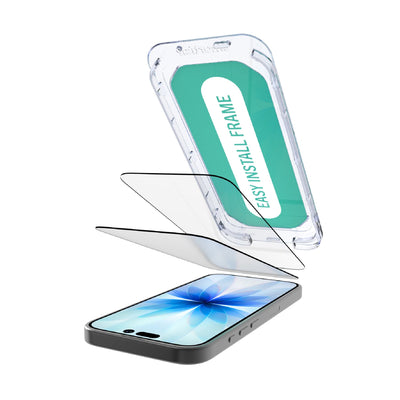
Quality protectors use 2.5D curved edges that taper from full thickness to thinner perimeters. This prevents sharp edges that cases can catch and lift. Smart adhesive placement also helps. Some designs reduce buildup near edges to handle normal case flex.
Installation 101: Do It Right the First Time
Start with a spotless surface in a controlled environment. Dust creates high spots that cases press against later. Use the cleaning kit thoroughly, and try installing in a bathroom after running hot water. It cuts down airborne dust.
Install the protector first, then test-fit your case gently. Any immediate resistance signals trouble. Don't force it.
Keeping Things Smooth and Clear
Your iPhone 17 screen protector case friendly setup should maintain touch response even when cases create small pressure points. Quality protectors use oleophobic coatings for smooth swiping and stay under 0.33 mm thick to avoid touch lag.
Cases with good internal clearance, like the Gripmunk with MagSafe Slim Case for iPhone 17, help prevent pressure-related visual artifacts.
Case Designs That Spell Trouble
When Cases Get Too Ambitious
Pronounced raised lips sound protective but create compatibility nightmares. Their tall bezels overlap protector edges, and constant pressure weakens adhesive bonds. Curved edges make it worse by concentrating stress at specific points.
Official vs. Third-Party: The Compatibility Dance
Official cases follow consistent tolerances that work predictably with protectors. Third-party manufacturers interpret iPhone measurements differently, leading to fits that range from too tight to too loose. Budget cases often use thicker walls to compensate for manufacturing variation.
Material Matters: Rigid vs. Flexible
Rigid cases hold their dimensions but transfer stress to protector edges. Flexible TPU cases absorb shock better but can shift during use, creating friction that loosens bonds. Internal texture counts too. Smooth interiors slide over protectors with less friction.
Red Flags to Watch For
Avoid cases with lip heights over 1.5 mm above screen surface. Check internal corner radius. Sharp corners create stress points that crack protectors. Cases with adjustable components may have mounting points that interfere with edge clearance.
For maximum protection without compromising protector fit, armor cases with MagSafe compatibility show how thoughtful design delivers both ruggedness and compatibility.
Your Cheat Sheet: Finding the Perfect Match
The 'Ish Test' for Protectors
The best iPhone 17 screen protector case friendly options pass three tests: they install without force, maintain touch sensitivity with cases on, and show no edge lifting after a week of normal use. Skip protectors that require case removal just to install cleanly.
Check that camera and speaker cutouts align with case openings. Misaligned cutouts create pressure points that lead to cracks.
When 'Good Enough' Isn't
Budget protectors use generic dimensions for "most" phones rather than precise iPhone 17 specs. That's compatibility roulette. Quality protectors reduce replacement cycles and prevent exposed edges that invite damage.
Be cautious with multi-packs unless you expect frequent replacements. A good protector should last. For protection insights, check our guide on choosing the best iPhone case to complement your protector.
Why We Design for Real Life
Phones get dropped, pockets get stuffed, screens get wiped on shirts. An iPhone 17 screen protector case friendly setup should handle daily friction, small impacts, and case pressure through accurate dimensions and smart edge design.
Details matter: coatings that stay smooth after weeks of pocket time, edges that don't catch when cases flex, and adhesive that holds steady through temperature swings.
Your Pre-Purchase Checklist
Confirm the protector lists iPhone 17 compatibility specifically. Check thickness stays under 0.33 mm for best touch feel. Look for beveled edges and oleophobic coating as standard.
Test installation with your case during the return window. If lifting starts within a week, return it rather than hoping it settles. Good fit works immediately. Understanding how MagSafe technology works helps you choose compatible accessories that won't interfere with your setup.
Frequently Asked Questions
Do you really need both a case and an iPhone 17 screen protector?
Absolutely! Think of your iPhone 17 like a tiny, expensive baby. A case guards the body from bumps and drops, while a screen protector is the clear shield for that gorgeous display. They team up to keep your phone looking fresh, which is smart-ish.
What makes an iPhone 17 screen protector truly 'case friendly'?
A truly 'case friendly' iPhone 17 screen protector is all about precision. It's sized and shaped to leave a tiny 1-2 mm gap around the edges, letting your case sit comfortably without pushing or lifting the protector. This thoughtful design, with features like beveled edges, prevents those annoying bubbles and peels.
What kind of screen protector is best for the iPhone 17, tempered glass or film?
For most iPhone 17 users, tempered glass is the smart choice. It brings superior durability and clarity, though it needs a precise, beveled edge design to play nice with cases. Film protectors are more flexible, but they don't offer the same level of impact protection against those 'oops' moments.
Can an iPhone 17 screen protector affect touch sensitivity or clarity?
A well-designed iPhone 17 screen protector shouldn't mess with your phone's snappy touch response or crystal-clear display. Quality protectors use oleophobic coatings for smooth swiping and are thin enough, usually under 0.33 mm, to avoid any lag. If your case has good internal clearance, it also helps prevent uneven pressure that can cause visual weirdness.
What happens if my iPhone 17 case isn't compatible with my screen protector?
If your iPhone 17 case and screen protector aren't playing nice, you're in for some trouble. The case's edges can press against the protector, creating stress points that gradually weaken the adhesive bond. This leads to frustrating corner lifts, annoying bubbles, and dust sneaking in, which is definitely not smart.
Any tips for installing an iPhone 17 screen protector to ensure case compatibility?
For a flawless fit, start with a super clean iPhone 17 screen, maybe even in a steamy bathroom to banish dust. Install the protector first, then gently test-fit your case without forcing it. Here's a pro tip: let the protector's adhesive set for about 24 hours before you put on the case, that little wait can make all the difference.