



Key Takeaways
- Your iPhone screen displays your most personal information, making privacy crucial.
- iPhone privacy screens prevent side-angle viewing to protect your display from prying eyes.
- These screens are essential when accessing sensitive information in public places.
- Visual hacking is more common and easier than many people realize.
Table of Contents
- Why iPhone Privacy Screens Matter More Than Ever
- How Privacy Screen Protectors Work: The Science Behind the Shield
- Types of iPhone Privacy Screen Protectors: What's Out There
- Choosing the Right Privacy Screen for Your iPhone
- Step-by-Step: How to Install a Privacy Screen Protector on iPhone
- Maintaining and Cleaning Your Privacy Screen Protector
- Common Problems & How to Fix Them
- Privacy Screen vs. Regular Screen Protector: What's the Difference?
- Tempered Glass vs. Plastic Privacy Screens: Which Is Better?
- Installing Your Privacy Screen
- Keeping Your Privacy Screen Clear
- Fixing Privacy Screen Problems
- Privacy Screens vs Standard Protection
- Using Privacy Screens with Phone Cases
- Privacy Technology Evolution
- Final Verdict on Privacy Protection
Why iPhone Privacy Screens Matter More Than Ever
Your iPhone screen is a window into your most personal information, and everyone around you can see right through it. iPhone privacy screens block side-angle viewing, making your display invisible to anyone not looking straight-on. Whether you're checking bank statements on the subway, reviewing confidential emails at a coffee shop, or scrolling through personal messages in a waiting room, visual hacking is easier than most people realize.
The average person checks their phone 96 times daily, often in public spaces where shoulder surfing is inevitable. Privacy screens use micro-louver technology to create a "privacy zone", your content stays crystal clear to you while appearing completely black to anyone viewing from 30 degrees or more to either side. It's like having digital blinds that only you can see through.
For those with the latest devices, iPhone 15 Pro privacy screens offer tailored protection that fits perfectly and maintains Face ID functionality.
How Privacy Screen Protectors Work: The Science Behind the Shield

Privacy screens rely on thousands of microscopic vertical blinds called micro-louvers embedded within the screen material. These tiny structures allow light to pass through when viewed straight-on but block light rays coming from side angles. Think of it like looking through a fence, stand directly in front and you see through clearly, but move to the side and your view gets blocked by the slats.
The magic happens through controlled light refraction. When someone tries to peek at your screen from the side, the micro-louvers redirect those angled light rays away from their eyes, creating a black or darkened appearance. Meanwhile, light traveling straight from the screen to your eyes passes through unobstructed, maintaining full brightness and clarity for normal use.
Quick Answer: How does a privacy screen actually work?
Micro-louvers act like thousands of tiny window blinds, allowing straight-on viewing while blocking side angles at 30+ degrees.
Types of iPhone Privacy Screen Protectors: What's Out There
Tempered glass privacy screens offer the gold standard for durability and optical clarity. These 9H-hardness protectors resist scratches, maintain touch sensitivity, and provide the same crystal-clear viewing experience as your original screen. They're thicker than film alternatives but deliver superior protection against both privacy breaches and physical damage. Installation requires more precision, but the result feels like a natural extension of your iPhone's display.
Plastic film privacy screens prioritize portability and easy installation over maximum durability. These ultra-thin protectors add virtually no bulk to your device and can be applied bubble-free in seconds. While they won't stop a key scratch like tempered glass, they're perfect for users who frequently swap cases or prefer minimal screen modification. The privacy filtering remains just as effective as glass versions.
Hybrid options combine privacy filtering with blue light reduction or anti-glare coatings. Blue light filtering privacy screens reduce eye strain during extended use, especially valuable for night-time browsing. Anti-glare privacy screens excel in bright outdoor conditions where standard screens become mirrors. These specialized versions typically cost 20-30% more but solve multiple problems simultaneously.
Which type is best for me?
Choose tempered glass for maximum durability, plastic film for minimal bulk, or hybrid versions for additional eye protection or outdoor visibility.
If you're interested in the latest device rumors and how privacy screens might adapt, check out what's popping in Apple's next drop for the iPhone 16.
Choosing the Right Privacy Screen for Your iPhone
Device compatibility extends beyond just matching your iPhone model, camera cutouts, speaker grilles, and button placement vary significantly between iPhone 13, 14, 15, 16, and the upcoming iPhone 17. Always verify the exact model year and storage capacity, as some manufacturers create different versions for Pro, Pro Max, and standard models. The wrong fit means exposed edges, covered sensors, or interference with Face ID functionality.
Privacy level selection depends on your specific threat model. Two-way filters block left and right viewing, perfect for airplane seats or subway commutes. Four-way filters add top and bottom protection, ideal for shared workspaces where people might look over your shoulder. Consider additional features like oleophobic coating for fingerprint resistance, or reinforced edges for better drop protection when paired with quality cases.
How do I know if a privacy screen fits my iPhone?
Match your exact iPhone model (including year and Pro/standard designation) and verify camera cutout alignment in product photos before purchasing.
For those with an iPhone 14 Pro Max, privacy screens designed for your device ensure a seamless fit and optimal protection.
Step-by-Step: How to Install a Privacy Screen Protector on iPhone

Proper preparation prevents 90% of installation problems. Power down your iPhone and work in a dust-free environment, bathrooms after hot showers create ideal conditions by settling airborne particles. Clean your screen with the included alcohol wipe, then use a lint-free cloth to remove any residue. Remove all dust specks with the provided dust removal stickers, as even microscopic particles create permanent bubbles under the protector.
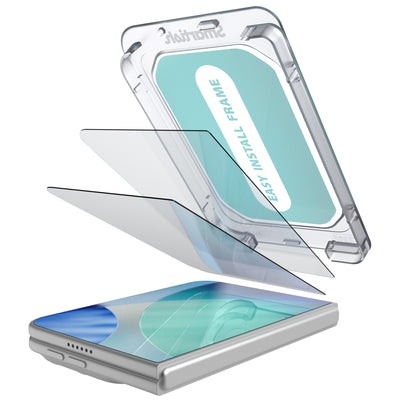
Alignment determines success or failure. Most quality privacy screens include alignment frames or guides, use them religiously. Peel back only the bottom third of the backing film, align with your home button or bottom edge, then slowly lower the protector while peeling away the remaining film. Press from the center outward using steady, even pressure. Work out any bubbles immediately with the included squeegee, pushing toward the nearest edge.
How do I avoid bubbles when installing?
Work in a steamy bathroom, use the alignment guide, and peel the backing film gradually while pressing from center to edges.
Maintaining and Cleaning Your Privacy Screen Protector
Daily maintenance requires only a microfiber cloth and gentle circular motions. The oleophobic coating on quality privacy screens repels fingerprints naturally, but accumulated oils still need regular removal. Avoid paper towels, tissues, or clothing, these materials can scratch the surface or leave lint residue that interferes with the micro-louver technology.
Deep cleaning should happen weekly for heavy users. Mix one drop of dish soap with distilled water, apply with a barely damp microfiber cloth, then dry immediately with a clean cloth. Never spray liquids directly onto the screen, as moisture can seep under edges and compromise adhesion. Harsh chemicals like ammonia or alcohol-based cleaners will damage the privacy coating permanently.
How do I clean my privacy screen without damaging it?
Use only microfiber cloths with distilled water and one drop of dish soap. Never spray directly on the screen.
For more on keeping your iPhone and accessories in top shape, see our guide on choosing the right iPhone and case combination.
Common Problems & How to Fix Them
Display dimness or blurriness typically indicates dirt buildup on the micro-louvers or improper installation. Clean thoroughly with the method above first, if problems persist, the protector may be installed upside down or backwards. Some privacy screens have directional orientation that affects viewing clarity. Face ID accuracy issues usually stem from protectors covering too much of the sensor array or creating light refraction that confuses the depth mapping system.
Peeling edges and persistent bubbles signal adhesive failure or contamination during installation. Small bubbles often disappear within 24-48 hours as air works its way out, but large bubbles require removal and reinstallation. Touchscreen responsiveness problems are rare with quality protectors but can occur if the screen is too thick or interferes with the iPhone's capacitive touch sensors. This typically only affects very cheap or incorrectly manufactured products.
Why is my Face ID not working with my privacy screen?
The protector may be covering part of the sensor array or creating light interference. Verify proper alignment with the camera cutout.
Privacy Screen vs. Regular Screen Protector: What's the Difference?

iPhone privacy screens serve dual purposes, physical protection plus visual security through micro-louver technology. Regular screen protectors focus solely on scratch resistance and impact protection, offering no defense against shoulder surfing or visual hacking. The privacy coating adds approximately 0.2mm thickness and can reduce maximum brightness by 10-15%, though this is barely noticeable in normal use.
Choose privacy screens when you frequently use your iPhone in public spaces, handle sensitive information, or work in open office environments. Regular protectors suffice for users who primarily use their phones privately and prioritize maximum screen brightness for outdoor visibility. You cannot effectively layer both types, the combined thickness interferes with touch sensitivity and Face ID functionality.
Do I need both a privacy screen and a regular protector?
No, privacy screens provide the same physical protection as regular protectors while adding visual security features.
For a deeper dive into the science behind privacy screens, visit the Wikipedia entry on privacy screens.
Tempered Glass vs. Plastic Privacy Screens: Which Is Better?
| Feature | Tempered Glass | Plastic Film |
|---|---|---|
| Durability | 9H hardness, scratch resistant | Moderate, prone to scratches |
| Optical Clarity | Crystal clear, no distortion | Good, slight texture visible |
| Installation | Precise alignment required | Forgiving, repositionable |
| Thickness | 0.3-0.4mm added bulk | 0.1mm, virtually unnoticeable |
| Price Range | $15-30 | $8-15 |
Tempered glass privacy screens deliver premium feel and maximum protection but require careful installation. Plastic film options are thinner and easier to apply, but trade off some durability and clarity. Choose based on your priorities, if you want the best protection and a glass-like feel, go tempered glass. If you want something ultra-slim and easy to swap, plastic film is your friend.
Installing Your Privacy Screen
Proper installation makes the difference between crystal-clear protection and a frustrating experience. Clean your screen with a lint-free cloth, removing every speck of dust, particles trapped underneath create permanent bubbles.
Most quality iPhone privacy screens include alignment frames. Position the frame, peel the backing slowly, and press from center outward using steady pressure. Remove the guide and smooth any remaining bubbles toward the edges with a credit card.
For iPhone 13 users, privacy screens designed for your device ensure a flawless fit and optimal clarity.
Keeping Your Privacy Screen Clear

Daily maintenance involves gentle cleaning with a microfiber cloth, avoid paper towels that scratch the surface. For deeper cleaning, use distilled water with a drop of mild soap, then dry completely.
Never use ammonia-based cleaners or abrasive materials. The privacy coating can degrade with harsh chemicals, reducing both clarity and side-view blocking effectiveness over time.
Fixing Privacy Screen Problems
Reduced Face ID accuracy often stems from misalignment during installation. The sensor area must remain perfectly clear, even slight overlap affects recognition. Reinstallation usually resolves this issue completely.
If your screen appears dimmer than expected, check for residue or improper cleaning. Some privacy screens naturally reduce brightness by 10-15% as part of the filtering process, but excessive dimming indicates installation problems or low-quality materials.
Privacy Screens vs Standard Protection
Standard screen protectors focus solely on scratch and impact resistance. Privacy screens add visual security through micro-louver technology while maintaining basic protection, you're getting two functions in one product.
Key Insight: Privacy screens typically offer 80% of standard protector durability while adding complete visual security, a worthwhile trade-off for most users.
The thickness difference is minimal, quality privacy screens add less than 0.5mm to your device profile while delivering comprehensive protection against both physical damage and visual hacking.
For those considering the next generation, iPhone 17 privacy screens will be available to keep your newest device secure from prying eyes.
case-compatibility">Using Privacy Screens with Phone Cases

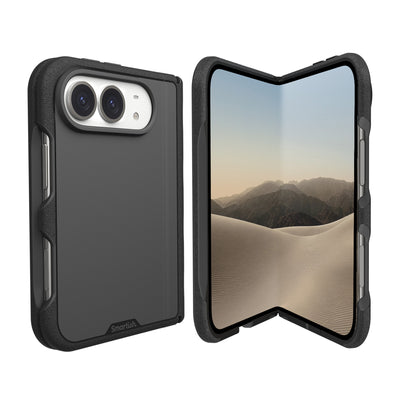
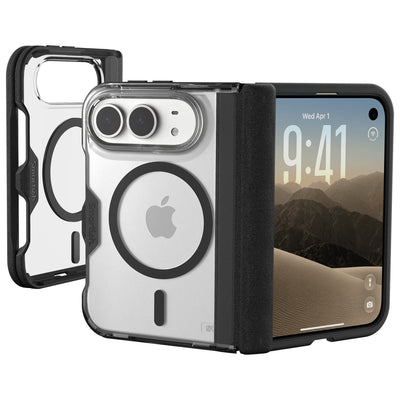
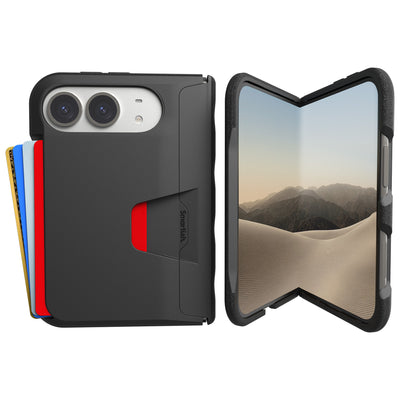
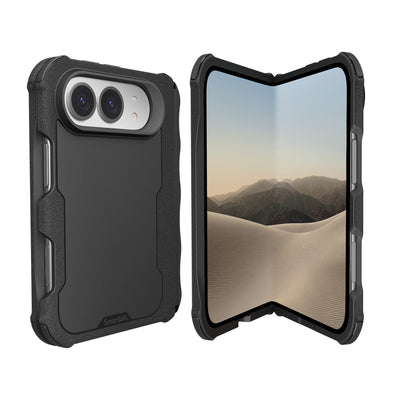
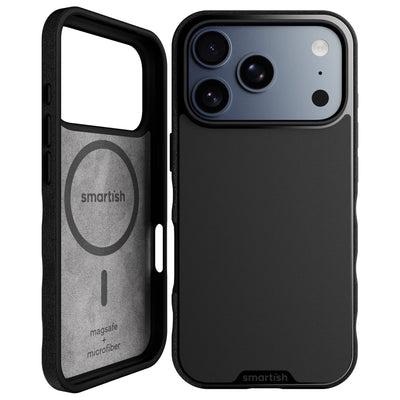
Most iPhone privacy screens work seamlessly with quality cases, but edge compatibility varies by brand. Smartish cases feature precise cutouts that accommodate screen protectors without lifting or interference.
Avoid cases with raised edges that press against screen protector borders. This pressure creates lift points where dust and moisture enter, eventually compromising the entire installation.
To learn more about the evolution of iPhone charging and accessories, check out this article on the iPhone 17 charger.
Privacy Technology Evolution
Emerging privacy screen technology includes dynamic opacity adjustment and smart detection of nearby viewers. These features may become standard as workplace privacy concerns continue growing.
Current iPhone privacy screens represent mature technology that balances effectiveness with affordability. Future iterations will likely integrate with iOS privacy settings for enhanced control over visual access to sensitive information.
For a scientific perspective on privacy and visual security, see this external research article on privacy screens.
Final Verdict on Privacy Protection
Privacy screens have evolved from niche accessories to essential protection for anyone using their iPhone in public spaces. The technology works reliably, installation is straightforward, and the security benefits far outweigh minor brightness reduction.
Choose tempered glass options for maximum durability, ensure proper device compatibility, and prioritize brands with proven track records. Your personal information deserves the same protection you give your device, privacy screens deliver both simultaneously.
If you're curious about what's coming next, read our iPhone 17 preview for the latest updates and features.
Frequently Asked Questions
How do iPhone privacy screens prevent others from viewing my screen from the side?
iPhone privacy screens use micro-louver technology, tiny vertical blinds embedded in the screen, that block light from side angles. This means your display stays clear when viewed straight-on but appears dark or black to anyone looking from 30 degrees or more to either side, keeping your screen content private in public.
What are the differences between tempered glass and plastic iPhone privacy screen protectors?
Tempered glass privacy screens offer stronger durability and a smoother feel, often with better scratch resistance and clarity. Plastic privacy screens are typically thinner and lighter but may scratch more easily and feel less premium. Both use micro-louvers for privacy, but tempered glass tends to provide a more solid, protective experience.
Can iPhone privacy screens affect the functionality of features like Face ID?
Quality iPhone privacy screens are designed to maintain full Face ID functionality. They fit precisely and use materials that don’t interfere with the sensors, ensuring your phone’s facial recognition works smoothly while keeping your screen private.
What is the best way to install and maintain an iPhone privacy screen protector?
To install, clean your screen thoroughly, align the privacy screen carefully, and apply it slowly to avoid bubbles. For maintenance, clean with a soft, lint-free cloth and avoid harsh chemicals to keep the privacy filter clear and effective over time.