



Key Takeaways
- The iPhone 17 Pro's Ceramic Shield offers strong drop protection but is not immune to everyday wear and tear.
- Common items like keys, coins, and sand can cause micro-scratches that degrade the screen's appearance over time.
- Despite its resistance to shattering, the screen is vulnerable to surface damage from materials rated 6-7 on the Mohs hardness scale.
- Objects harder than a fingernail can easily scratch the iPhone 17 Pro's display, emphasizing the need for additional screen protection.
Table of Contents
- Why Your iPhone 17 Pro Needs Screen Protection (Even With Advanced Glass)
- Material Matters: Understanding Screen Protector Technologies
- The Installation Difference: Bubble-Free Application Techniques
- Case Compatibility & Face ID: What Actually Works Together
- Matte vs. Clear vs. Privacy: Choosing Your Trade-Off
- Durability Testing: What Drop Tests Actually Tell You
- Maintenance & Lifespan: Making Your Protector Last
- Screen Protector + Camera Lens Protector: Do You Need Both?
- Troubleshooting: Common Issues & Fixes
- Your iPhone 17 Pro Deserves Smart Protection
- Future-Proofing Your Screen Protection Investment
- Making the Smart Choice for Your iPhone 17 Pro
Why Your iPhone 17 Pro Needs Screen Protection (Even With Advanced Glass)
Your iPhone 17 Pro's Ceramic Shield can survive most drops, but it's no match for the daily grind. Keys, coins, and sand particles create micro-scratches that accumulate over time, turning that pristine display into a dull, marked-up mess. While the glass resists shattering, it's surprisingly vulnerable to surface damage from objects rating 6-7 on the Mohs hardness scale, basically anything harder than your fingernail.
The math is simple: a quality screen protector costs $15-30, while Apple charges $329 for iPhone 17 Pro screen replacement. Even minor scratches can't be buffed out, meaning any visible damage requires a full display swap. The right iPhone 17 Pro screen protectors act as sacrificial barriers, absorbing the wear your actual screen would otherwise endure.
But not all protectors deliver equal value. The difference between a $5 film and a premium tempered glass option shows up in clarity, durability, and how well they play with your case and Face ID sensor.
For a deeper dive into the latest models, check out this best iPhone 17 screen protector guide.
Material Matters: Understanding Screen Protector Technologies

Tempered glass with 9H hardness rating resists scratches from most everyday objects, keys, coins, zippers. The "9H" refers to pencil hardness, meaning a 9H pencil can't scratch the surface. In practical terms, this handles 90% of what damages phone screens during normal use.
Lithium Aluminosilicate (LAS) glass takes protection further through double ion-exchange strengthening. This process swaps smaller sodium ions for larger potassium ions at the molecular level, creating compression stress that makes the glass significantly more impact-resistant than standard tempered options.
TPU film protectors offer flexibility and self-healing properties but sacrifice scratch resistance. They're ideal for curved edges but can't match tempered glass for surface protection. Most premium iPhone 17 Pro screen protectors combine tempered glass centers with TPU edge wrapping for comprehensive coverage.
Quick Selector: Active lifestyle or work outdoors? Choose LAS glass with 9H rating. Careful user who prioritizes touch sensitivity? Standard tempered glass works fine. Need flexibility around curved edges? TPU hybrid design.
If you're interested in how these materials compare for larger devices, see this best iPhone 17 Pro Max screen protectors roundup.
The Installation Difference: Bubble-Free Application Techniques
Dust particles cause 80% of installation bubbles. Before applying any protector, clean your screen with a microfiber cloth, then use the included alcohol wipe to remove oils. Run the microfiber cloth across the screen one final time to eliminate static that attracts dust particles.
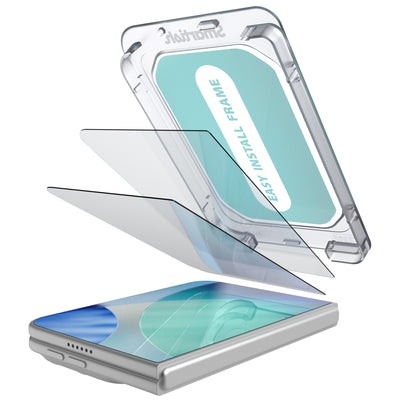
Alignment trays eliminate guesswork and reduce touch-time during application. If your protector doesn't include one, create alignment guides using tape strips along the phone's edges. This lets you position the protector correctly on the first attempt, critical since repositioning often traps air bubbles.
Small air bubbles can be worked out within 24 hours using gentle pressure from a microfiber cloth, moving from center toward edges. Larger bubbles or those containing dust require removal and reapplication. Professional installation at phone repair shops costs $10-15 but includes replacement if the first attempt fails.
Case Compatibility & Face ID: What Actually Works Together
Full-coverage screen protectors work with most cases, but thickness matters. Protectors over 0.3mm can create pressure points where case edges meet the screen, causing lifting or cracking. Quality iPhone 17 Pro screen protectors stay within the 0.25-0.29mm range for universal case compatibility.
Face ID requires precise sensor alignment, even 1mm off-center can cause recognition failures. Look for protectors with exact cutouts rather than full-coverage options that rely on transparency over the sensor area. The TrueDepth camera system works through clear materials, but any thickness variation affects accuracy.
Touch sensitivity depends on the oleophobic coating quality more than glass thickness. Cheap protectors feel sluggish because they lack proper surface treatment, not because they're too thick. Premium options maintain the same responsiveness as your bare screen.
For more details on device compatibility, you might also want to read about the iPhone 17 Pro and its accessory ecosystem.
Matte vs. Clear vs. Privacy: Choosing Your Trade-Off

Clear protectors maintain 100% display brightness and color accuracy but show every fingerprint and reflect glare in bright conditions. Matte options reduce glare through surface texturing but soften fine details slightly, noticeable when reading small text or editing photos.
Privacy filters create 4-way viewing angle protection but darken the screen by 20-30% even when viewed straight-on. They're valuable for commuters or office workers but impractical for outdoor use where you need maximum brightness.
| Type | Clarity | Glare Reduction | Fingerprint Visibility | Best For |
|---|---|---|---|---|
| Clear | 100% original | None | High | Photo editing, gaming |
| Matte | 95% original | Excellent | Low | Outdoor use, reading |
| Privacy | 70-80% original | Good | Medium | Commuting, office work |
Durability Testing: What Drop Tests Actually Tell You
Drop test ratings like "7.2-foot protection" measure controlled laboratory conditions, specific angles, surfaces, and impact points. Real-world drops involve variables like concrete texture, phone orientation, and impact distribution that tests can't replicate perfectly.
The 9H hardness rating provides measurable scratch resistance against objects rating 6 or lower on the Mohs scale. This covers keys (5.5), coins (3-4), and most pocket debris. However, sand particles can rate 7+ and will scratch any phone screen protector.
Quality iPhone 17 Pro screen protectors absorb impact energy through controlled fracturing, they crack to save your actual screen. Once you see spider web patterns or chips, replacement is necessary since the structural integrity is compromised. A damaged protector offers minimal protection against subsequent impacts.
For more on the science behind screen protectors, see this authoritative overview of screen protectors.
Maintenance & Lifespan: Making Your Protector Last
Clean your screen protector weekly using a microfiber cloth with light moisture, never chemical cleaners or abrasive materials. The oleophobic coating that repels fingerprints gradually wears away with use, typically lasting 6-8 months with regular cleaning.
Replace your protector when you notice hairline cracks, peeling edges, or reduced touch sensitivity. Heavy users who frequently pocket their phones alongside keys or coins may need replacement every 6 months, while careful users can extend lifespan to 12+ months.
Store backup protectors flat in their original packaging to prevent warping. Temperature fluctuations and humidity can affect adhesive quality, so avoid leaving spares in cars or humid environments.
Screen Protector + Camera Lens Protector: Do You Need Both?

Screen and camera lens protectors guard different zones of your iPhone 17 Pro. Screen protectors handle the display area, while lens protectors shield the camera system from scratches and impacts that could affect photo quality.
Active users benefit from both since the camera bump makes lens contact with surfaces inevitable when placing the phone down. The protectors work independently, no compatibility issues or added bulk when using quality options designed for the iPhone 17 Pro's dimensions.
To learn more about the differences between models, check out this iPhone 17 Pro Max comparison.
Troubleshooting: Common Issues & Fixes
Air bubbles after installation usually indicate trapped dust particles. Small bubbles can be worked out within 24 hours using gentle pressure from center to edges. Large bubbles or those containing visible debris require removal and reapplication with proper surface cleaning.
Reduced touch sensitivity typically stems from poor oleophobic coating rather than thickness. Test responsiveness in different screen areas, if some zones work better than others, the protector may be misaligned or damaged. Face ID failures often result from protector misalignment over the sensor cutout; even 1mm offset can cause recognition problems.
5-Minute Rule: If cleaning doesn't restore touch sensitivity or bubbles won't disappear after 24 hours, replace the protector. Continued use of damaged protection offers false security.
For additional research on screen protector effectiveness, see this peer-reviewed study on screen protector performance.
Your iPhone 17 Pro Deserves Smart Protection
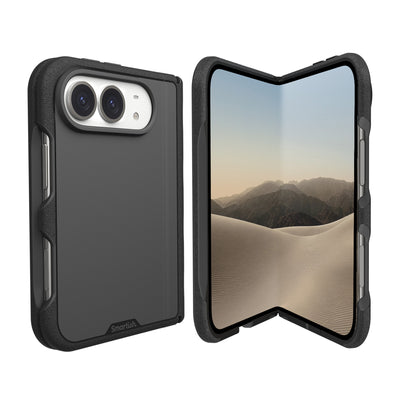
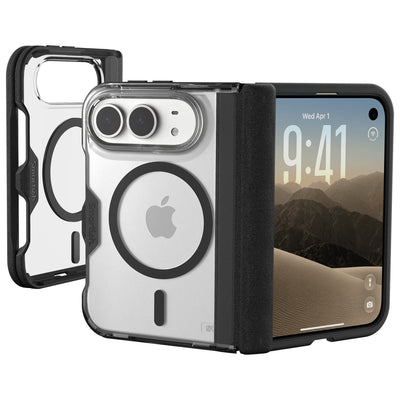
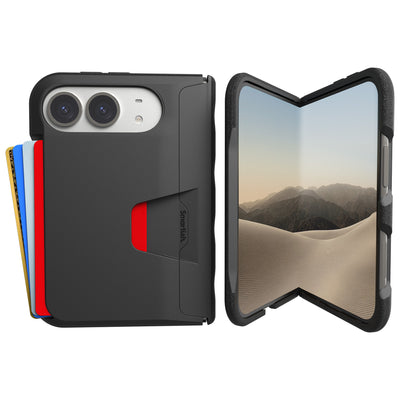
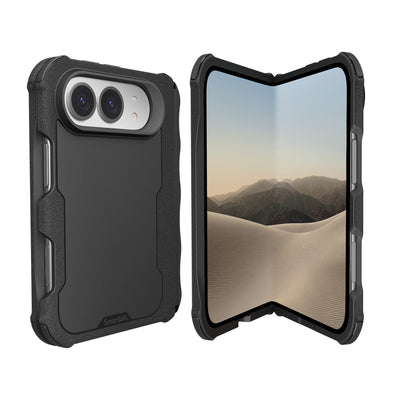
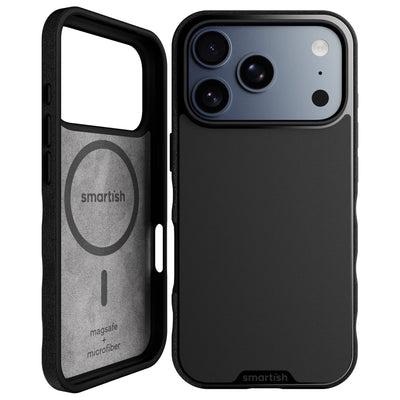
The best iPhone 17 Pro screen protectors work alongside quality cases for comprehensive device protection. Smartish cases feature raised screen edges that complement screen protectors, creating a protective barrier when your phone lands face-down. This layered approach handles impacts that single-point protection might miss.
Smart protection means choosing components that enhance rather than compromise each other. Quality screen protectors maintain Face ID accuracy, preserve touch sensitivity, and integrate seamlessly with well-designed cases. Your iPhone 17 Pro represents a significant investment, protect it with gear that matches that value.
For more on the iPhone 17 lineup, see this iPhone 17 overview.
Future-Proofing Your Screen Protection Investment

The iPhone 17 Pro's advanced display technology will evolve throughout its lifecycle with software updates that may introduce new touch gestures or sensitivity requirements. Premium iPhone 17 Pro screen protectors with precise thickness specifications (0.25-0.29mm) maintain compatibility with future iOS updates that rely on accurate touch response.
Consider your upgrade timeline when selecting protection quality. Users who keep iPhones for 3+ years benefit more from higher-grade tempered glass that maintains optical clarity and oleophobic coating longer. Annual upgraders can prioritize installation ease and basic scratch protection without compromising functionality.
Environmental factors like increased outdoor usage or workplace hazards may change over time. Choose protectors from manufacturers that offer consistent product availability, nothing worse than loving a specific protector only to find it discontinued when replacement time arrives.
Making the Smart Choice for Your iPhone 17 Pro
The best screen protector balances protection level with daily usability. Premium tempered glass with 9H hardness and oleophobic coating handles real-world scenarios while preserving the iPhone 17 Pro's responsive touch experience and Face ID accuracy.
Quality matters more than price when protecting a device worth hundreds of dollars. Investing in proper screen protection, combined with a well-designed case featuring raised edges, creates a comprehensive defense system that maintains your iPhone's functionality and resale value.
Smart Protection Philosophy: The right screen protector becomes invisible in daily use while providing visible peace of mind. When you forget it's there, it's doing its job perfectly.
Your iPhone 17 Pro deserves protection that matches its engineering quality. Choose screen protectors that complement rather than compromise the experience Apple designed, and pair them with cases that enhance the overall protection strategy.
Frequently Asked Questions
Why is it necessary to use a screen protector on the iPhone 17 Pro despite its Ceramic Shield glass?
The iPhone 17 Pro's Ceramic Shield offers strong drop protection but is vulnerable to everyday wear like micro-scratches from keys, coins, and sand. These small scratches accumulate over time, dulling the screen’s appearance, so a screen protector acts as a sacrificial barrier to keep your display looking fresh.
What are the differences between tempered glass, Lithium Aluminosilicate (LAS) glass, and TPU film screen protectors for the iPhone 17 Pro?
Tempered glass protectors offer high scratch resistance and clarity with a hard 9H surface, making them great for everyday protection. Lithium Aluminosilicate (LAS) glass is a newer, durable material that balances toughness and thinness. TPU film is flexible and thinner but less scratch-resistant, often chosen for minimal bulk rather than heavy-duty protection.
How do screen protectors affect Face ID functionality and case compatibility on the iPhone 17 Pro?
Quality tempered glass protectors with precise cutouts maintain Face ID accuracy and work seamlessly with most cases. Poorly designed protectors can interfere with Face ID sensors or cause lifting when paired with certain cases, so choosing a protector tested for compatibility is key.
What factors should I consider when choosing between matte, clear, and privacy screen protectors for my iPhone 17 Pro?
Clear protectors offer the best screen clarity and color accuracy, matte protectors reduce glare and fingerprints but may slightly soften the display, and privacy protectors limit viewing angles for security at the cost of brightness. Your choice depends on whether you prioritize sharp visuals, anti-glare, or privacy.