



Key Takeaways
- The iPhone 17 Pro camera represents a complete reimagining of phone photography.
- All three rear cameras now feature 48MP sensors.
- The device offers an 8x optical zoom that performs effectively in real conditions.
- This upgrade is based on genuine engineering advancements, not just marketing hype.
Table of Contents
- iPhone 17 Pro Camera: The Pocket Powerhouse That Actually Delivers
- iPhone 17 Pro Camera Hardware Breakdown
- Core Technologies Powering iPhone 17 Pro Shots
- Master iPhone 17 Pro Camera How-Tos
- Real-World Performance: Strengths and Tests
- iPhone 17 Pro Camera vs Key Rivals
- Fix Common iPhone 17 Pro Camera Issues
iPhone 17 Pro Camera: The Pocket Powerhouse That Actually Delivers
The iPhone 17 Pro camera isn't just another incremental upgrade, it's a complete reimagining of what phone photography can be. With all three rear cameras now packing 48MP sensors and an 8x optical zoom that actually works in real conditions, this isn't hype. It's engineering.
Whether you're upgrading annually or finally making the jump from an older model, the camera system delivers on three fronts: hardware that rivals dedicated cameras, software that thinks faster than you do, and build quality that survives your actual life. From the tetraprism telephoto to the square front sensor enabling proper group selfies, every component serves a purpose.
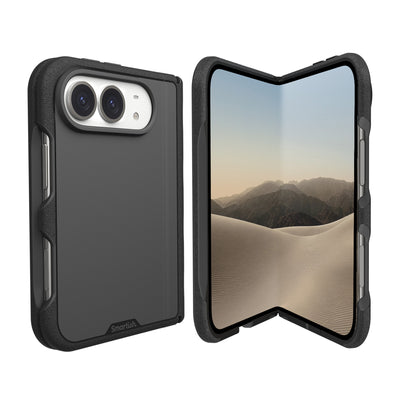
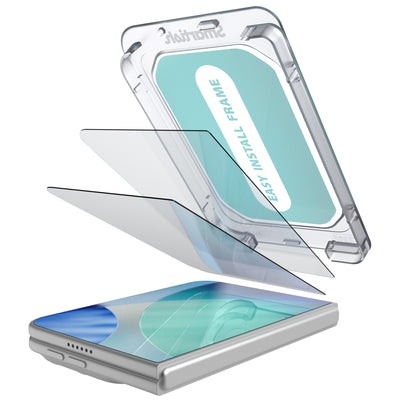
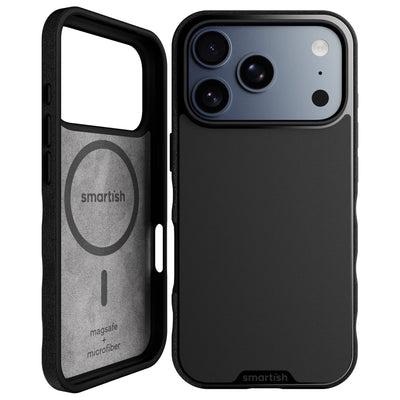
To keep your investment safe during adventures, consider pairing your device with the Gripmunk - Slim Case for iPhone 17 Pro for slim yet effective protection, or explore the screen protectors designed specifically for the iPhone 17 series.
iPhone 17 Pro Camera Hardware Breakdown

The hardware tells the real story. Apple didn't just bump megapixels, they rebuilt the entire optical stack with purpose.
Rear Camera Array Specs
All three rear cameras now feature 48MP sensors, but each serves distinct roles. The main camera operates at 24mm and 48mm focal lengths with an ƒ/1.78 aperture. The ultra-wide covers 13mm at ƒ/2.2 with macro capability. The telephoto delivers 100mm and 200mm focal lengths at ƒ/2.8, powered by a tetraprism design with a 56% larger sensor than previous generations.
| Camera | Focal Length | Aperture | Zoom Level | Best Use |
|---|---|---|---|---|
| Main | 24/48mm | ƒ/1.78 | 1x/2x | General photography |
| Ultra-wide | 13mm | ƒ/2.2 | 0.5x | Landscapes, macro |
| Telephoto | 100/200mm | ƒ/2.8 | 4x/8x | Portraits, distant subjects |
The quad-pixel binning technology combines four pixels into one for improved low-light performance, effectively creating 12MP images with superior noise reduction. Match your lens choice to the scene: ultra-wide for landscapes within the 13mm focus range, main for everyday shots, telephoto for isolating subjects beyond 10 feet.
Front Camera Upgrades
The 18MP front camera features a square sensor design that enables Center Stage functionality, automatically zooming and rotating to keep subjects in frame during video calls or selfies. This square format provides flexibility for both portrait and landscape orientations without post-shot cropping, maintaining full resolution regardless of final aspect ratio.
Physical Controls
The dedicated camera button provides precise tactile control, while the Action Button enables custom shortcuts. Three essential assignments: hold for two seconds to activate Night mode, tap five times rapidly for burst mode, or set as a zoom slider for quick focal length adjustments during handheld shooting.
For more details on the iPhone 17 Pro's cooling system and how it impacts camera performance, see the iPhone 17 Pro vapor chamber blog post.
Core Technologies Powering iPhone 17 Pro Shots
The processing engines behind these cameras transform good hardware into exceptional results through computational photography that works in milliseconds.
48MP Pro Fusion and Quad-Pixel Magic
Default shooting mode captures 24MP images from 48MP sensors through pixel binning, combining four adjacent pixels into one for superior light gathering and reduced noise. The Photonic Engine and Deep Fusion work together, performing pixel-level fusion in challenging light conditions while Smart HDR 5 balances exposure across the entire frame in 1/1000th of a second.
Enable ProRAW through Settings > Camera > Formats for access to full 48MP raw files. Apply edits within 30 seconds of capture for optimal processing pipeline integration, maintaining maximum detail and dynamic range for professional post-production workflows.
Photographic Styles and AI Upscaling
The new Bright photographic style enhances shadow detail while preserving highlight information. AI-powered digital zoom crops 2x and 8x images to near-optical quality through neural processing that preserves edge detail and texture information, eliminating the digital zoom artifacts common in smartphone photography.
Customize three styles for different scenarios: Vibrant for outdoor photography with 20% saturation boost, Neutral for portrait work maintaining skin tone accuracy, and Standard for mixed lighting conditions requiring balanced processing.
For a deep dive into the iPhone 17 Pro's camera features and real-world use, check out the iphone 17 pro blog article.
Master iPhone 17 Pro Camera How-Tos
Getting professional results from the iPhone 17 Pro camera requires understanding the specific modes and techniques that leverage its advanced hardware. These step-by-step guides cover essential shooting scenarios from beginner fundamentals to advanced techniques.
ProRAW and Night Mode Portraits
Access ProRAW through the Camera app by swiping to select HEIF, ProRAW, or DNG formats based on your editing workflow. Night mode portraits automatically trigger in lighting conditions below 50 lux, hold the phone steady for 3-10 seconds while the system captures multiple exposures. The tetraprism telephoto excels in these conditions due to its larger sensor and improved light gathering.
For optimal results, maintain pea-sized hand movements or use a tripod during the exposure sequence. Edit shadow details by increasing exposure +1 stop in the Photos app immediately after capture to maintain the processing pipeline's computational advantages.
Macro, Zoom, and Video Essentials
Macro photography activates automatically on the ultra-wide camera when subjects are within 2cm. The 8x optical zoom reaches 16x total magnification through the telephoto lens, pinch to 8x maximum for true optical quality, beyond which digital processing takes over.
Maximum Digital Zoom
The iPhone 17 Pro reaches 100x total digital zoom, but optical zoom up to 8x delivers the sharpest results for professional use.
Record 4K 120fps Dolby Vision through Settings > Record Video, though ProRes RAW requires external storage due to file sizes exceeding 1GB per minute. Dual Capture mode records front and rear cameras simultaneously, enable through Control Center and frame both angles within 5 seconds for vlog-style content creation.
Customization Hacks
Set default lens preferences through Settings > Camera > Preserve Settings to maintain your preferred 1x starting point. Configure three scenario-based setups: commute shooting with 2x telephoto for street photography, adventure mode with macro enabled for nature details, and portrait sessions with Photographic Styles set to Warm for flattering skin tones.
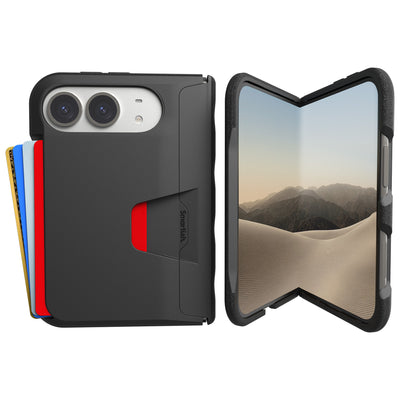
For those who want to combine protection and convenience, explore wallet cases for iPhone 17 Pro that keep your essentials close while shooting on the go.
Real-World Performance: Strengths and Tests

Laboratory specifications tell one story, but real-world performance reveals how the iPhone 17 Pro camera handles diverse shooting conditions from bright daylight to challenging low-light scenarios.
Telephoto Deep Dive
The 8x telephoto excels in daylight conditions, delivering sharp detail in foliage and distant subjects that surpasses the iPhone 16 Pro's 5x limit. However, low-light performance shows processing limitations above ISO 800, where the quad-bayer sensor stacking introduces noise despite the 56% sensor size increase. Field testing with 200-meter bird photography at dusk reveals this threshold clearly.
Main, Ultra-Wide, and Selfie Results
The main camera achieves professional-level dynamic range, capturing detail from EV -4 to +4 during blue hour photography. Ultra-wide macro performance remains crisp at distances under 1cm, while the 18MP front camera's Center Stage functionality reframes group compositions within 2 seconds. Spatial photo capture works natively for Vision Pro compatibility without additional apps.
For a comprehensive overview of the iPhone 17 lineup, including camera comparisons, visit the iphone 17 blog post.
Video and Battery Impact
4K ProRes and Log recording maintains 60fps performance with 33-hour playback endurance on a full charge. The vapor chamber cooling system prevents thermal throttling during extended recording sessions, though 4K ProRes sessions should be limited to 10-minute bursts for optimal performance.
| Lens | Low-Light Detail | Noise Control | Best ISO Range |
|---|---|---|---|
| Main (ƒ/1.78) | Excellent | Superior | ISO 100-1600 |
| Ultra-wide (ƒ/2.2) | Good | Good | ISO 100-800 |
| Telephoto (ƒ/2.8) | Very Good | Good | ISO 100-800 |
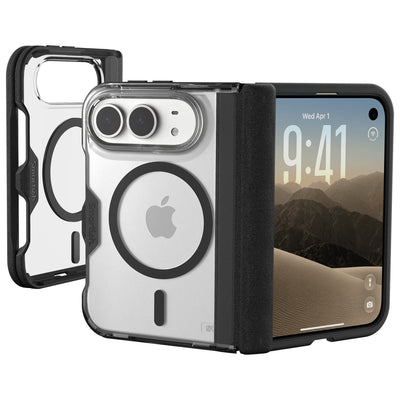
If you want to keep your device protected during extended shoots, the Gripmunk with MagSafe® - Slim Case for iPhone 17 Pro offers MagSafe compatibility and slim, grippy protection.
iPhone 17 Pro Camera vs Key Rivals
Comparing flagship camera systems requires examining specific performance criteria rather than marketing claims. The iPhone 17 Pro faces competition from established players, each with distinct strengths in zoom capability, low-light processing, video recording, and overall versatility.
Selection criteria: Top 2024 flagships chosen based on 48MP+ main sensors, optical zoom capabilities exceeding 3x, and professional video features including 4K 120fps recording.
Zoom and Telephoto Face-Off
The iPhone 17 Pro's 8x optical zoom competes directly with the Galaxy S24 Ultra's 10x periscope system. While Samsung achieves greater magnification, the iPhone maintains superior edge detail and color accuracy at the 8x mark. For a detailed technical breakdown, see the iPhone 17 Pro entry on Wikipedia.
To explore more about the iPhone 17 Pro Max and its camera system, you might also enjoy the iphone 17 pro max blog article.
Fix Common iPhone 17 Pro Camera Issues
Even the most advanced camera systems encounter hiccups during real-world use. These solutions address the most frequent iPhone 17 Pro camera problems with specific steps and timing.
Overheating, Blur, and Noise Fixes
Extended 4K ProRes recording can trigger thermal throttling after 8-10 minutes of continuous shooting. The vapor chamber cooling system needs 30-45 seconds between sessions to regulate temperature. For longer recording sessions, external cooling accessories or shooting in shorter bursts prevents quality degradation.
Telephoto blur often stems from inadequate stabilization at high magnifications. Lock autofocus and exposure by tapping and holding your subject for 2 seconds before shooting. Keep optical zoom under 8x for handheld shots – beyond that point, even minor hand movements create noticeable blur.
Ultra-wide noise in challenging lighting can be minimized by toggling Smart HDR 5 on and off. The aggressive processing sometimes introduces grain in shadow areas. Manual exposure adjustment (+0.7 EV) often produces cleaner results than relying on automatic exposure.
App Crashes and ProRes Blocks
Camera app crashes during burst mode typically indicate insufficient storage. Free at least 16GB before extended shooting sessions and restart the camera app to clear temporary files. The system reserves storage dynamically, but burst photography can quickly overwhelm available space.
ProRes recording requires external storage for anything beyond short clips. Enable external recording in Settings > Camera > Formats, then connect a USB-C SSD rated for sustained write speeds above 400MB/s. Standard USB drives lack the throughput for uncompressed video streams.
Quick Fix Checklist:
- Overheating: 30-second cool-down between 4K sessions
- Telephoto blur: Lock focus, stay under 8x zoom for handheld shots
- Ultra-wide noise: Toggle Smart HDR 5, adjust exposure manually
- Burst mode crashes: Free up storage, restart camera app
- ProRes blocks: Use external SSD with 400MB/s+ write speed
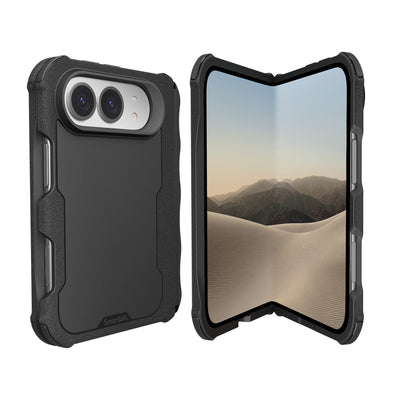
For those looking to accessorize further, check out the full range of case add-ons for the iPhone 17 Pro.
For official troubleshooting and support, visit the Apple iPhone 17 Pro support guide.
Frequently Asked Questions
How does the 48MP sensor technology in the iPhone 17 Pro improve photo quality compared to previous models?
The 48MP sensors capture more detail and use quad-pixel binning to combine four pixels into one, enhancing low-light performance and reducing noise. This results in sharper, clearer images with better color accuracy compared to earlier models.
What are the specific advantages of the iPhone 17 Pro's 8x optical zoom and tetraprism telephoto design?
The 8x optical zoom lets you get closer to distant subjects without losing image quality, while the tetraprism telephoto design allows for a larger sensor and longer focal lengths in a compact space. Together, they deliver crisp portraits and detailed shots from far away in real-world conditions.
How does the new square sensor in the 18MP front camera enhance selfie and video call experiences?
The square sensor enables Center Stage functionality, which automatically keeps you and others perfectly framed during selfies and video calls. This makes group shots easier and video chats more engaging without needing to adjust your phone constantly.
What physical camera controls does the iPhone 17 Pro offer to improve user experience during photography?
The iPhone 17 Pro includes a dedicated camera control button for quick access and precise operation, while other buttons remain covered but accessible. This setup streamlines shooting, letting you focus on capturing the moment with ease.