



Key Takeaways
- The iPhone 17 Air is Apple's thinnest iPhone to date, measuring just 5.55mm in thickness.
- It features a 6.6-inch display and a single 48MP Fusion camera for high-quality photos.
- The device is powered by the A19 Pro processor, offering enhanced performance.
- The iPhone 17 Air is expected to launch in September 2025 with pricing positioned between the standard and Pro models.
- This model replaces the Plus variant and is designed for users who prioritize portability without compromising essential features.
Table of Contents
- Meet the iPhone 17 Air, Redefining Thin and Light
- Ultra-Thin Construction, How Apple Engineered the Slenderest iPhone Ever
- Display Brilliance, What Sets the iPhone 17 Air Screen Apart
- Camera Innovations, All About the iPhone 17 Air's Imaging System
- iPhone 17 Air Hardware Under the Hood, Power, Performance, and Longevity
- Software Experience, iOS 26 and Next-Level Apple Intelligence
- All About Security, Privacy & Data on the iPhone 17 Air
- Environmental Impact, iPhone 17 Air's Sustainability Story
- iPhone 17 Air vs. The World, Comprehensive Comparison Section
- How to Pre-Order and Buy the iPhone 17 Air, Timelines and Pro Tips
- Setting Up Your New iPhone 17 Air, Day-One Success Guide
iPhone 17 Air, The Ultra-Thin Revolution
Meet the iPhone 17 Air, Redefining Thin and Light
The iPhone 17 Air represents Apple's boldest design gamble since the original iPhone X, measuring just 5.55mm thick, making it slimmer than the iPad Pro. This isn't just incremental improvement; it's a complete rethinking of what a flagship phone can be when portability becomes the primary design goal.
Positioned between the standard iPhone 17 and Pro models, the Air targets users who carry their phone constantly but don't need triple cameras or titanium construction. Think frequent travelers, minimalists, and anyone tired of bulky pockets. The 6.6-inch display hits the sweet spot, larger than standard, smaller than Pro Max.
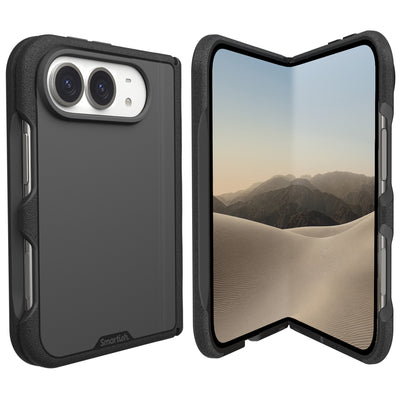
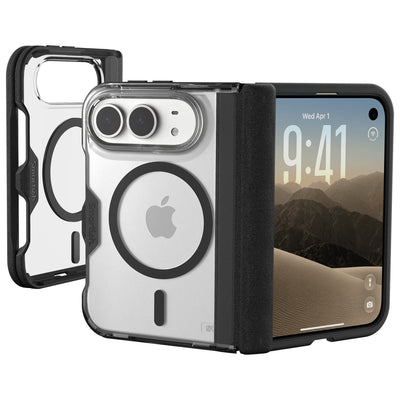
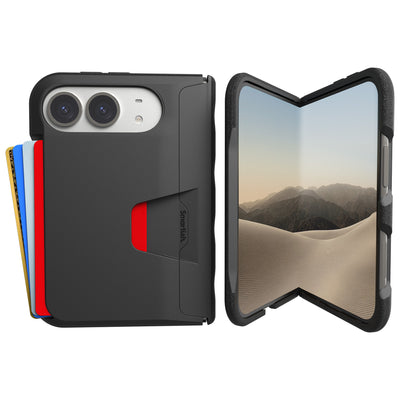
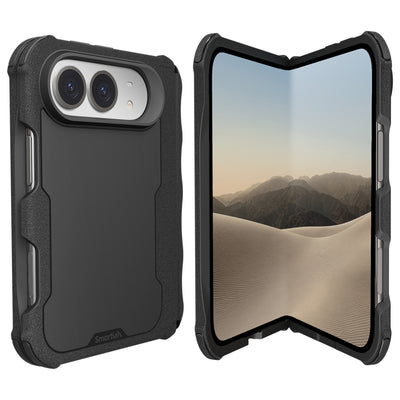
Expected launch follows Apple's traditional September timeline, with pre-orders likely starting the Friday after announcement. Four color options mirror the standard lineup, though specific shades remain unconfirmed. The Air essentially replaces the Plus model, which never gained significant traction despite its larger screen. For those who want to keep their ultra-thin device secure and hands-free, consider using a Case Clinger for added convenience.
Ultra-Thin Construction, How Apple Engineered the Slenderest iPhone Ever

Achieving 5.55mm thickness required fundamental engineering compromises. Apple redesigned the internal architecture, using a custom aluminum alloy frame that's both lighter and stronger than previous generations. The battery becomes the thickest internal component, forcing creative placement of circuits and sensors around its perimeter.
Compared to the iPhone 16 Pro's 8.25mm thickness, the Air feels dramatically different in hand, almost tablet-like in its profile. This creates new handling dynamics: easier one-handed use but potentially more fragile if dropped without protection. The reduced internal volume means every millimeter matters for component placement.
Materials focus on recycled aluminum and glass, maintaining Apple's sustainability goals without adding bulk. The challenge wasn't just making it thin, it was keeping it durable. Apple's solution involves strategic reinforcement points and improved drop-test algorithms that better predict real-world stress patterns.
Display Brilliance, What Sets the iPhone 17 Air Screen Apart
The 6.6-inch OLED display represents the Air's primary selling point beyond thinness. With 120Hz ProMotion refresh rates and Always-On capability, it matches Pro-level features in a more portable package. The screen-to-body ratio improves over previous generations, maximizing viewing area within the slim profile.
ProMotion dynamically adjusts refresh rates from 1Hz to 120Hz based on content, crucial for battery efficiency in such a thin device. Always-On display shows essential information without fully waking the phone, perfect for quick glances during meetings or commutes.
Brightness peaks at 2000 nits for outdoor visibility, while True Tone adjusts color temperature throughout the day. Content creators benefit from improved color accuracy, while mobile gamers appreciate the smooth scrolling and reduced input lag. The display essentially delivers Pro-level visual experience in a mid-tier package.
Camera Innovations, All About the iPhone 17 Air's Imaging System
The single 48MP "Fusion" camera represents Apple's bet that computational photography can replace multiple lenses for most users. This isn't a step backward, it's advanced sensor technology combined with AI processing to deliver professional-quality results from one lens. The Fusion system combines wide and ultra-wide functionality through sensor cropping and digital zoom.
Front-facing camera upgrades to 24MP, doubling resolution for video calls and selfies. This addresses the growing importance of front-camera quality for remote work and social media. iOS 26's enhanced Portrait mode works across both cameras, with improved edge detection and background blur.
The trade-off is zoom capability, no dedicated telephoto lens means relying on digital zoom beyond 2x. For users who primarily shoot standard photos and videos, this limitation rarely impacts daily use. The single-camera system also enables the Air's slim profile by eliminating the camera bump entirely.
iPhone 17 Air Hardware Under the Hood, Power, Performance, and Longevity

The A19 Pro processor powers the Air with one GPU core disabled, a strategic choice that reduces heat generation and power consumption while maintaining flagship performance. This configuration still outpaces most Android competitors while enabling the ultra-thin design through reduced thermal requirements.
Apple's custom C1 modem handles 5G connectivity with improved efficiency over previous Qualcomm chips. This in-house design better integrates with iOS power management, extending battery life during cellular data usage. Wi-Fi 7 support ensures future-proofing for next-generation home networks.
The A19 Pro processor delivers flagship-level performance while maintaining thermal efficiency in the ultra-thin chassis. With 8GB of unified memory and storage options from 128GB to 1TB, the Air handles demanding apps and multitasking seamlessly. Smart charging algorithms optimize battery health, while the device maintains cool operation even during intensive tasks.
For a deeper dive into the broader iPhone 17 lineup and what sets each model apart, check out this comprehensive iPhone 17 overview.
All About Security, Privacy & Data on the iPhone 17 Air
The iPhone 17 Air implements Private Cloud Compute, processing sensitive AI requests on Apple's own servers with the same privacy standards as on-device operations. Face ID data remains encrypted in the Secure Enclave, never leaving the device or backing up to iCloud. End-to-end encryption protects Messages, FaceTime calls, and Health data across all your devices.
Mail Privacy Protection prevents senders from tracking when you open emails or determining your location. Private Browsing in Safari now locks tabs behind Face ID and removes tracking parameters from URLs automatically. The Passwords app generates unique credentials and alerts you to compromised accounts in real-time.
If your Air is lost or stolen, Find My enables remote wipe while maintaining location tracking even when powered off. Activation Lock prevents unauthorized use, and encrypted backups ensure your data remains protected during device transitions. The ultra-thin design doesn't compromise security, all standard iPhone protections remain fully intact.
Maximize privacy from day one by reviewing Location Services settings, enabling Advanced Data Protection for iCloud, and setting up Screen Time restrictions for sensitive apps. These steps take under five minutes but significantly enhance your data security. For more on how Apple’s privacy features have evolved, you might also find this look at iPhone 16 rumors insightful.
Environmental Impact, iPhone 17 Air's Sustainability Story
The iPhone 17 Air contains 95% recycled lithium in its battery and 100% recycled rare earth elements in its magnets. The aluminum frame uses 75% recycled material, while the circuit boards incorporate recycled gold and tungsten. These improvements reduce mining impact while maintaining the premium build quality expected from flagship devices.
Packaging eliminates plastic entirely, using fiber-based materials that decompose naturally. The minimalist box design reduces shipping volume by 20% compared to previous generations, lowering transportation emissions. Apple's trade-in program accepts devices in any condition, ensuring proper recycling of components that can't be refurbished.
Prepare your old device for trade-in by backing up data to iCloud, signing out of all accounts, and removing the SIM card. Apple provides prepaid shipping labels and detailed instructions through the Trade-In portal. Even non-functional devices have value for component recycling, contributing to the circular economy that makes future iPhones more sustainable.
The Air's extended software support, typically 6-7 years of iOS updates, reduces electronic waste by keeping devices functional longer. This longevity, combined with recycled materials and carbon-neutral shipping, makes the Air one of the most environmentally responsible smartphones available. For a broader perspective on iPhone’s history and evolution, see the Wikipedia entry on iPhone.
iPhone 17 Air vs. The World, Comprehensive Comparison Section

The iPhone 17 Air occupies a unique position in the smartphone landscape, prioritizing portability without sacrificing essential features. At 5.55mm thick and weighing just 165 grams, it's significantly lighter than both standard and Pro models while maintaining flagship-level performance through the A19 Pro processor.
| Model | Thickness | Display | Weight | Camera | Battery | Best For |
|---|---|---|---|---|---|---|
| iPhone 17 Air | 5.55mm | 6.6" OLED 120Hz | 165g | 48MP single | All-day moderate use | Portability enthusiasts |
| iPhone 17 | 7.8mm | 6.1" OLED 60Hz | 194g | 48MP dual | Extended daily use | Balanced features |
| iPhone 17 Pro | 8.25mm | 6.3" OLED 120Hz | 221g | 48MP triple + LiDAR | Heavy usage | Professional workflows |
| Model | Thickness | Display | Camera | Processor | Best For |
|---|---|---|---|---|---|
| iPhone 17 Air | 5.55mm | 6.6" OLED, 120Hz | 48MP single + 24MP front | A19 Pro | Ultra-portability seekers |
| iPhone 17 Standard | 7.8mm | 6.1" OLED, 60Hz | 48MP dual + 12MP front | A19 | Balanced performance/price |
| iPhone 17 Pro | 8.25mm | 6.3" OLED, 120Hz | 48MP triple + 12MP front | A19 Pro | Photography enthusiasts |
| iPhone 17 Pro Max | 8.25mm | 6.9" OLED, 120Hz | 48MP triple + 12MP front | A19 Pro | Power users, content creators |
| Premium Android Slim | 6.8mm | 6.7" AMOLED, 120Hz | 50MP triple + 32MP front | Flagship chipset | Android ecosystem users |
Choose the iPhone 17 Air if you prioritize portability above all else and prefer iOS ecosystem integration. The single camera handles most photography needs while maintaining the thinnest profile available. Standard users wanting dual cameras should consider the regular iPhone 17, while photography professionals benefit from Pro models' advanced camera systems.
The Air excels for frequent travelers, minimalists, and users who value one-handed operation. Its 6.6-inch display provides more screen real estate than the standard model while remaining lighter than any Pro variant. Battery life matches other models despite the slim profile, thanks to A19 Pro efficiency.
Price positioning places the Air between standard and Pro models, justified by its unique engineering and premium materials. The ultra-thin construction requires specialized manufacturing processes that add value beyond typical thickness reductions. Users seeking maximum camera versatility should invest in Pro models, while budget-conscious buyers find better value in the standard iPhone 17. For more on the top-tier Pro Max, see this in-depth iPhone 17 Pro Max comparison.
How to Pre-Order and Buy the iPhone 17 Air, Timelines and Pro Tips
Pre-orders for the iPhone 17 Air begin Friday, September 12, 2025, at 8:00 AM EDT following the September 10 announcement event. Prepare by updating your payment methods in your account, confirming carrier compatibility, and having your trade-in device appraised through the online tool. Popular colors and storage configurations typically sell out within hours.
Set up Apple Store app notifications and bookmark the iPhone 17 Air product page for fastest access. Have your Apple ID credentials ready and consider using Apple Card for 3% Daily Cash back on purchases. Carrier stores often offer competitive trade-in bonuses, but delivery times may extend 2-3 weeks beyond Apple's direct timeline.
Launch day availability varies by location, with flagship Apple Stores receiving limited walk-in inventory. Reserve in-store pickup during pre-order for guaranteed availability, or expect 1-2 week shipping delays for popular configurations. Less common colors and higher storage tiers often ship sooner than base models.
Pre-Order Success Checklist: Verify carrier unlock status on current device, clear browser cache, use WiFi instead of cellular for checkout, and complete trade-in kit request immediately after ordering to avoid processing delays.
If you're curious about when the iPhone 17 Air and its siblings will hit the shelves, don't miss this detailed iPhone 17 release date guide.
Setting Up Your New iPhone 17 Air, Day-One Success Guide
Unbox your iPhone 17 Air carefully, the ultra-thin design requires gentle handling during initial setup. Remove the protective films, locate the SIM tool in the box, and power on by holding the side button. The Quick Start process detects nearby iOS devices automatically, streamlining data transfer from your previous iPhone.
Data migration offers three methods: iCloud restore (fastest for basic data), device-to-device transfer (preserves all settings), and cable connection (most reliable for large photo libraries). Device-to-device transfer takes 15-45 minutes depending on data volume, while iCloud restoration continues downloading apps and photos throughout the first day.
Activate Face ID early in setup for seamless authentication across apps and services. The Air's cameras capture facial data identically to other iPhone models despite the thinner profile. Configure the Action Button for your most-used function, Camera, Flashlight, or Voice Memos work well for daily tasks.
Customize your home screen with widgets that showcase the larger 6.6-inch display. Weather, Calendar, and Photos widgets take advantage of the increased screen space compared to standard models. Enable optimized battery charging in Settings > Battery > Battery Health to preserve long-term capacity.
Common setup issues include eSIM activation delays and Bluetooth pairing problems with older accessories. Restart both devices if Quick Start stalls, and contact your carrier directly for eSIM troubleshooting rather than relying on automated systems. For a technical perspective on smart device integration, see this NIST resource on IoT and smart devices.
Frequently Asked Questions
How does the iPhone 17 Air achieve its ultra-thin 5.55mm design without compromising durability?
The iPhone 17 Air uses a custom aluminum alloy frame that’s both lighter and stronger, allowing for a slim 5.55mm profile without sacrificing strength. Apple also redesigned the internal layout to optimize space, making the battery the thickest component while maintaining overall durability.
What are the key differences between the iPhone 17 Air and the standard iPhone 17 and Pro models?
The iPhone 17 Air is thinner and lighter than both the standard and Pro models, with a 6.6-inch display that sits between the standard and Pro Max sizes. It features a single 48MP Fusion camera instead of multiple lenses, uses an aluminum frame instead of titanium, and targets users who want portability without extra bulk or advanced camera setups.
What camera features does the iPhone 17 Air offer, and how does its single 48MP Fusion camera perform?
The iPhone 17 Air’s single 48MP Fusion camera delivers high-quality photos with sharp detail and vibrant colors. While it doesn’t have multiple lenses like the Pro models, it balances excellent imaging performance with a simpler, lighter design.
When will the iPhone 17 Air be available for pre-order and purchase, and what are the expected pricing details?
The iPhone 17 Air is expected to launch in September 2025, with pre-orders likely starting the Friday after the announcement. Pricing is positioned between the standard iPhone 17 and Pro models, offering a mid-range option for users prioritizing thinness and essential features.