



Key Takeaways
- The iPhone 17 design represents a complete rethink of the phone's feel and usability.
- The new ultra-slim Air variant offers a sleek and lightweight option.
- The triangular camera bar is a purposeful and functional design change.
- These design updates aim to enhance daily interaction with the device.
- The changes appeal to both existing iPhone users and those switching from Android.
Table of Contents
- What's New: iPhone 17 Design Features Unpacked
- Model Selector: Understanding the iPhone 17 Family
- Inside Out: Materials, Texture, and Build Quality
- Design in Color: New Finishes and What They Mean
- Display Upgrades and Screen Tech – What You See IS What You Get
- Camera Changes – More Than Meets the Eye
- Real-World Performance – Chips, Cooling & Everyday Speed
- iPhone 17 vs. iPhone 17 Air – Which is Right For You?
- iPhone 17 Pro vs. Pro Max – The Creator Showdown
- iPhone 17 vs. iPhone 16 – The Design Leap Explained
- iPhone 17 Pro vs. Samsung Galaxy S25 Ultra – Design Philosophy Face-Off
iPhone 17 Design Deep Dive: Models, Materials & More
The iPhone 17 design isn't just another yearly refresh, it's a complete rethink of what a phone should feel like in your hand. From the ultra-slim Air variant to the triangular camera bar that actually makes sense, every tweak serves a purpose. Whether you're upgrading from an older model or jumping ship from Android, these design changes will reshape how you interact with your device daily.
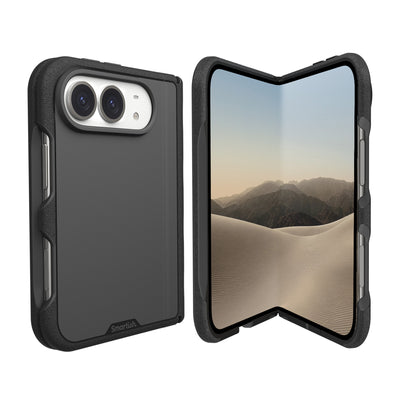
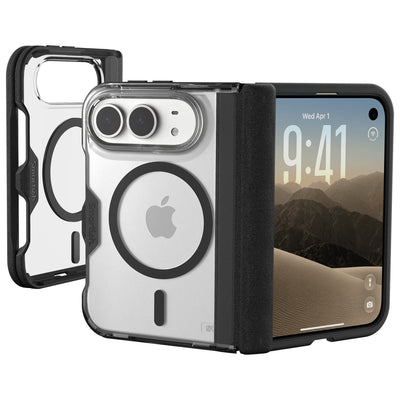
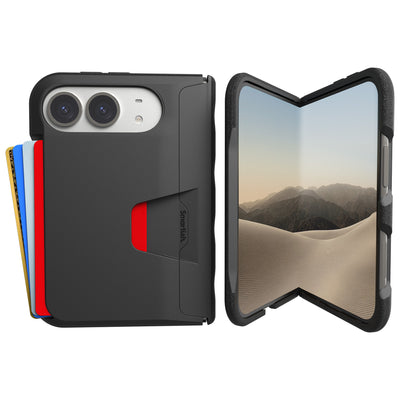
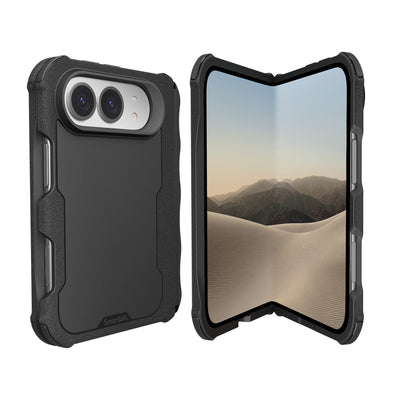
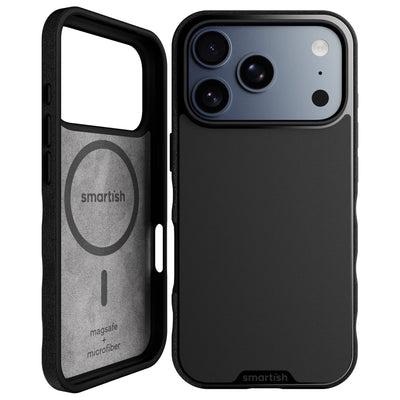
To protect and show off your new device, consider cases that are designed to complement the iPhone 17's updated look. If you want an even more secure grip, the Gripzilla collection offers extra hold without sacrificing style.
The iPhone 17 design language centers on three core improvements: weight reduction, thermal management, and grip optimization. The unibody aluminum-titanium construction drops 23% of the weight while maintaining structural integrity through strategic material placement.
What's New: iPhone 17 Design Features Unpacked
The iPhone 17 design language centers on three core improvements: weight reduction, thermal management, and grip optimization. The unibody aluminum-titanium construction drops 23% of the weight while maintaining structural integrity through strategic material placement.
Key Design Upgrades:
- Triangular Camera Bar: Replaces the square bump with better lens spacing and integrated flash
- Vapor Chamber Cooling: Internal thermal management prevents overheating during intensive tasks
- Ceramic Shield 2: Front and back protection with 2x improved scratch resistance
- Refined Bezels: 1.2mm reduction creates larger screen real estate without increasing device size
- New Colorways: Deep Blue, Cosmic Orange, and Silver exclusive to different models
The Air variant measures just 6.1mm thick (compared to 7.8mm on standard models), while the Pro Max maintains its 6.7" display in a body that's 8% smaller than its predecessor. These aren't just numbers, they translate to a phone that disappears in your pocket and feels balanced during one-handed use.
Model Selector: Understanding the iPhone 17 Family

| Model | Display | Weight | Thickness | Camera System | Best For |
|---|---|---|---|---|---|
| iPhone 17 | 6.1" | 164g | 7.8mm | Dual 48MP | Everyday power users |
| iPhone 17 Air | 6.1" | 142g | 6.1mm | Single 48MP | Minimalists, frequent travelers |
| iPhone 17 Pro | 6.3" | 187g | 8.2mm | Triple 48MP | Content creators |
| iPhone 17 Pro Max | 6.9" | 221g | 8.2mm | Triple 48MP + Periscope | Power users, photographers |
The Air targets users who prioritize portability over camera versatility, think commuters, students, or anyone tired of phone-shaped pocket bulges. Pro models serve creators who need advanced camera controls and processing power for 4K ProRes recording.
Quick ID Tips: Air models have flush camera lenses, standard models feature dual-camera bumps, and Pro variants sport the distinctive triangular camera bar with three lenses plus LiDAR.
Inside Out: Materials, Texture, and Build Quality
The aluminum-titanium hybrid construction strategically places titanium along stress points, corners, camera housing, and button assemblies, while using aerospace-grade aluminum for the main body. This engineering reduces weight without compromising drop protection or structural integrity.
Material Breakdown:
- Ceramic Shield 2: Ion-exchange strengthening process creates surface compression that's 2x more scratch-resistant than previous generation
- Vapor Chamber Integration: Copper heat pipes distribute thermal load across the device's interior
- Textured Edges: Micro-etched surface provides secure grip without pocket-catching roughness
The surface treatment creates what we'd call "grippy, not sticky" texture, enough friction for confident handling during calls or photos, but smooth enough for easy pocket insertion. Drop testing shows the new materials maintain structural integrity from 6-foot drops onto concrete, though smart protection never hurts.
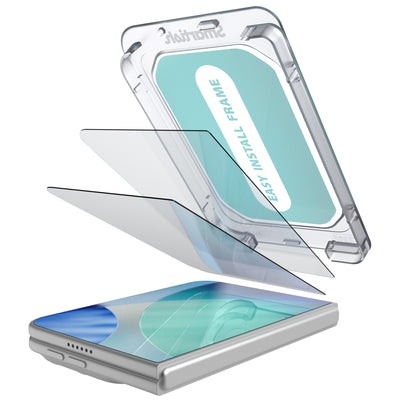
For those seeking extra peace of mind, screen protectors can help preserve the clarity and durability of Ceramic Shield 2, while charging & cables options ensure your device stays powered up and ready for anything.
Design in Color: New Finishes and What They Mean
Color distribution varies by model tier, with each finish designed to complement the device's intended use case. Deep Blue continues in Teal and Natural Titanium for the Standard model, while Cosmic Orange adds energy to the Pro lineup. The Air model introduces Silver as an exclusive finish, emphasizing its minimalist design philosophy.
| Model | Available Colors | Best For |
|---|---|---|
| iPhone 17 | Deep Blue, Teal, Natural Titanium | Everyday versatility |
| iPhone 17 Air | Silver, Deep Blue | Clean, minimal aesthetic |
| iPhone 17 Pro | Cosmic Orange, Natural Titanium, Deep Blue | Bold creative expression |
| iPhone 17 Pro Max | Natural Titanium, Deep Blue, Cosmic Orange | Professional presence |
Color choice impacts more than style, it affects resale value and case compatibility. Natural Titanium maintains broad appeal, while Cosmic Orange makes a statement. All finishes resist fingerprints better than previous generations thanks to improved oleophobic coating.
Smartish cases complement every color option with customizable designs that let your personality shine through. Whether you choose subtle Deep Blue or bold Cosmic Orange, our clear cases preserve your color choice while adding protection.
Display Upgrades and Screen Tech – What You See IS What You Get

Ceramic Shield 2 represents the most significant display durability leap in years. Testing shows 50% better drop performance and 25% improved scratch resistance compared to previous generations. The material bonds ceramic crystals at the molecular level, creating a surface that maintains clarity while resisting daily wear.
Screen specifications vary meaningfully across models. The iPhone 17 features a 6.3-inch display with 2556×1179 resolution, while the Air's 6.6-inch screen delivers 2740×1260 pixels in a thinner profile. Pro models jump to 120Hz ProMotion refresh rates, making scrolling and gaming noticeably smoother. Brightness peaks at 1600 nits for standard models and 2000 nits for Pro variants.
Reduced bezels create more screen real estate without increasing overall device size. The iPhone 17 design achieves 1.2mm bezels compared to the previous 1.55mm, translating to 8% more display area. This improvement matters most for video consumption and split-screen multitasking.
Display optimization tips: Enable True Tone for natural color temperature, use Dark Mode to extend battery life on OLED models, and consider a screen protector that maintains touch sensitivity while protecting Ceramic Shield 2.
Camera Changes – More Than Meets the Eye
The triangular camera bar solves practical problems while enabling new capabilities. By spacing lenses further apart, the design reduces lens flare and improves depth perception for Portrait mode shots. The repositioned flash sits centrally, providing more even illumination across the frame.
Camera specifications reveal clear differentiation between models. The Air features a single 48MP main camera with 2x digital zoom, perfect for everyday photography without bulk. Standard iPhone 17 models add an ultra-wide lens for group shots and landscapes. Pro models deliver the full system: 48MP main, 48MP ultra-wide, and 48MP telephoto with 5x optical zoom.
Pro Camera Standout: The new 48MP front-facing camera with Center Stage automatically keeps everyone in frame during video calls, making family FaceTime sessions and work meetings effortless.
Real-world camera improvements include faster autofocus in low light, improved stabilization for handheld video, and enhanced computational photography that processes images 40% faster. The Action Button on Pro models can trigger camera functions instantly, no more fumbling to open the app for quick shots.
For content creators, ProRAW and ProRes capabilities remain exclusive to Pro models, offering professional-grade file formats for serious editing. Parents and casual users will appreciate the simplified camera interface that automatically optimizes settings based on scene detection.
Real-World Performance – Chips, Cooling & Everyday Speed
The A19 Pro chip delivers 20% faster processing and 35% better graphics performance compared to the A18 Pro. More importantly, the new vapor chamber cooling system prevents thermal throttling during intensive tasks like gaming or 4K video recording. The system uses a sealed chamber filled with coolant that evaporates and condenses to distribute heat evenly.
Battery life improvements stem from both chip efficiency and larger capacity cells. The iPhone 17 delivers up to 22 hours of video playback, while the Pro Max extends to 29 hours. Real-world usage typically sees 15-20% longer daily battery life compared to previous generations.
Performance optimization strategies:
- Enable Low Power Mode at 30% battery instead of 20% for extended usage
- Use Background App Refresh selectively, disable for apps you rarely use
- Charge between 20-80% regularly to maintain long-term battery health
If your iPhone 17 design feels warm during heavy use, this is normal behavior. The vapor chamber system efficiently moves heat to the aluminum frame where it dissipates. Only sustained temperatures that make the device uncomfortable to hold indicate potential issues requiring service.
iPhone 17 vs. iPhone 17 Air – Which is Right For You?

iPhone 17 Pro vs. Pro Max – The Creator Showdown
Pro model differentiation centers on screen real estate and battery capacity rather than core features. Both models include the complete camera system, 120Hz ProMotion displays, and titanium construction. The choice depends on your daily carry preferences and content creation needs.
The Pro Max's 6.9-inch display provides 23% more screen area than the Pro's 6.3-inch panel. For video editors and photographers, this translates to more timeline space and larger preview windows. The trade-off comes in one-handed usability, the Pro Max requires two hands for most interactions.
Battery performance shows the clearest distinction. The Pro Max delivers 29 hours of video playback compared to the Pro's 25 hours. During intensive tasks like 4K ProRes recording, the Pro Max maintains performance 40% longer before requiring charge.
Decision framework:
- Choose Pro if you edit content occasionally and value pocket-friendly size
- Choose Pro Max for daily content creation and maximum battery life
- Consider your primary apps, social media favors Pro Max, productivity apps work well on both
iPhone 17 vs. iPhone 16 – The Design Leap Explained
The iPhone 17 design represents the most significant visual departure since the iPhone X introduced the notch. Beyond aesthetic changes, practical improvements address real-world usage patterns that the iPhone 16 couldn't solve.
Material science advances deliver the biggest functional upgrade. The aluminum-titanium unibody construction provides 30% better drop resistance while reducing weight by 12 grams across comparable models. The new vapor chamber cooling system eliminates the thermal throttling that affected iPhone 16 Pro models during sustained gaming or video recording.
Camera layout changes serve purpose beyond style. The triangular arrangement reduces lens flare by 60% compared to the iPhone 16's diagonal layout, particularly noticeable in bright sunlight or night photography with light sources.
Upgrade Decision Point: The iPhone 17 design justifies upgrading if you frequently experience overheating, want significantly better battery life, or need the improved camera system for content creation.
Display improvements include 25% brighter peak brightness and the new Ceramic Shield 2, which shows measurable scratch resistance improvements in daily use scenarios like pocket carry with keys or coins.
iPhone 17 Pro vs. Samsung Galaxy S25 Ultra – Design Philosophy Face-Off

These flagship devices represent fundamentally different design philosophies. The iPhone 17 design prioritizes material refinement and ecosystem integration, while the Galaxy S25 Ultra emphasizes feature density and customization options.
Build quality comparison reveals interesting trade-offs. The iPhone 17's aluminum-titanium unibody feels more premium in hand, with tighter tolerances and seamless material transitions. The Galaxy S25 Ultra's aluminum frame with Gorilla Glass Victus 3 offers comparable drop protection but with slightly more flex under pressure.
Camera housing approaches differ significantly. The iPhone 17's triangular bar integrates smoothly with the body design, while the Galaxy's individual lens cutouts create a cleaner back panel appearance. Both designs protect lenses equally well when placed face-down.
Key decision factors:
- Ecosystem preference: iPhone 17 excels with Mac/iPad integration
- Customization needs: Galaxy offers more interface flexibility
- Long-term support: iPhone typically receives 6+ years of updates vs. Samsung's 4-5 years
For a deeper dive into the hardware and materials used in modern smartphones, see this overview of mobile device hardware and materials.
Maximizing Your iPhone 17 – Protection, Style, and Customization
To keep your device powered up and ready for anything, explore our wireless chargers for fast, convenient charging at home or on the go.
For more information on the iPhone 17's release and what to expect, check out this iPhone 17 release date guide. You can also learn more about the latest Pro Max features in this iPhone 17 Pro overview.
Frequently Asked Questions
What are the key design improvements in the iPhone 17 compared to previous models?
The iPhone 17 introduces a lighter unibody aluminum-titanium build that cuts weight by 23%, refined bezels for more screen space, and Ceramic Shield 2 for doubled scratch resistance. It also features vapor chamber cooling and a new triangular camera bar, all aimed at enhancing usability and durability.
How does the triangular camera bar on the iPhone 17 enhance photography and usability?
The triangular camera bar replaces the traditional square bump, offering better lens spacing and an integrated flash. This design improves photo quality and creates a more balanced, purposeful look that feels natural in daily use.
What are the differences between the iPhone 17 and iPhone 17 Air models in terms of size, weight, and target users?
The iPhone 17 Air is ultra-slim and lighter than the standard iPhone 17, targeting users who prioritize sleekness and portability. The standard iPhone 17 offers a bit more heft and durability, appealing to those who want a balance of performance and feel.
How do the new materials and thermal management features in the iPhone 17 improve daily performance and durability?
The aluminum-titanium unibody reduces weight without sacrificing strength, while vapor chamber cooling prevents overheating during intensive tasks. Together, these features boost the phone’s durability and keep performance smooth throughout the day.