





how to protect a folding iPhone
A folding phone needs protection that respects the fold. Learning how to protect a folding iPhone starts with three priorities: keep grit away from the hinge, avoid treating the inner display like ordinary glass, and choose a case that helps you hold the phone during one-handed opening.
Key Takeaways
- Sand and pocket lint are the biggest threats to a folding hinge, so rinse the crease with a soft brush instead of blasting it with compressed air.
- The inner screen uses a flexible polymer layer that scratches far easier than standard glass, which means fingernails, earbuds, and keys should never share a pocket with it.
- A purpose-built film protector beats rigid tempered glass on a folding display, since stiff protectors can lift or crack when the screen bends.
- Because foldables are awkward to grip while opening, look for a slim case with textured edges that keeps the phone steady in one hand.
- Always close the phone fully before setting it down, since an open inner display resting face-up on a table is an accident waiting to happen.
The smart setup is simple: a fitted case for the outer shell, careful screen habits, and awareness around dust, pockets, and rough surfaces. The goal is useful defense for real life, not an accessory that makes opening the phone feel like operating a tiny garage door.
The Folding iPhone Survival Kit: What You Actually Need (and Don't)
Why Folding Phones Need a Different Kind of Love
A foldable has more moving territory than a standard slab phone. The inner display bends, the hinge collects pocket debris, and the two halves meet at a precise angle every time you close it. Apple supply chain data describes dual-layer UTG, or ultra-thin glass, and UFG, or ultra-flexible glass, screen materials engineered for more than 200,000 fold cycles. The design can handle regular use, but careless pressure, grit, and sharp objects still deserve caution.
Look for secure case fit, grippy sides, raised screen and camera edges, and a profile that lets the phone sit flat when closed. A case should help during one-handed opening, not make that transition harder.
The “Armor” Trap: Dodging Overpriced Gimmicks
Early foldable accessories made “more protection” sound like a reason to charge $130 for two pieces of flimsy plastic. A massive hinge cover can add table wobble, while finger loops, thin kickstands, and other moving parts may become useless after repeated folding. Focus on grip, alignment, edge coverage, hinge clearance, and whether the case stays attached.
Ask practical questions before buying. Does the shell shift when the phone opens? Can lint collect beneath a loose edge? Will the folded device rest steadily on a desk? Does the case preserve access to buttons, cameras, and wireless charging?
Smartish Philosophy: Protection That Just Works
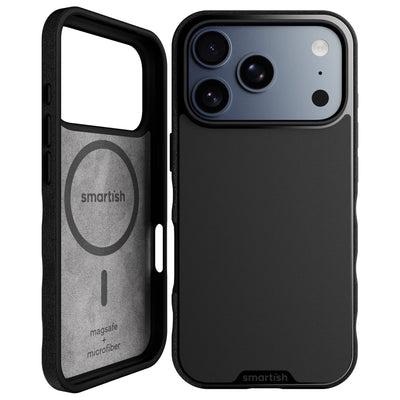
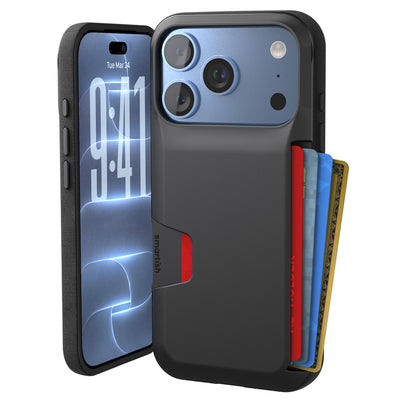
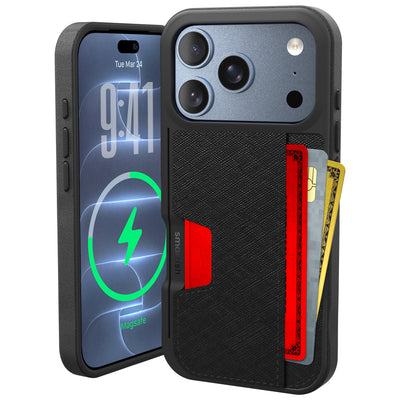
The Gripmunk with MagSafe® - Slim Case for iPhone 16 Pro follows a useful-stuff-first plan. Its sides have a textured grip that prevents slipping without being sticky, and the back is smooth for easy pocket use. The interior has a soft microfiber lining to protect the phone from scratches and dings. Protective air-pocket corners cushion and protect the phone from drops.
To protect a folding iPhone, use a fitted two-piece case with dependable grip and edge coverage, keep the inner display free from pressure and sharp debris, and inspect the hinge area regularly. Do not install a rigid tempered-glass protector over the flexible inner screen unless the phone maker specifically approves it. The case should stay secure while opening, preserve a flat resting position, and avoid delicate add-ons that can snap, loosen, or catch on a pocket.
Inner Screen & Hinge: The Delicate Dance of Folding
Why Rigid Glass Is a No-Go for the Flexible Display
The inner display is not the same surface as the cover screen. A tempered-glass protector designed for a flat phone can resist bending, interfere with the fold, trap air near the crease, or stress the display layers. The answer to “Can you put tempered glass on the inner folding screen?” is generally no unless the manufacturer explicitly says it is compatible. The factory film is part of the display system. Do not peel it up to chase a bubble or install a rigid replacement.
The Gentle Touch: Best Practices for the Inner Screen
Keep keys, coins, fingernails, and pen tips away from the inside panel. Open the phone with clean hands, use a light touch, and never press the crease to flatten it. If you spot dust, lift it away with a clean microfiber cloth rather than rubbing in circles. A soft cloth works better than paper towels or rough clothing.
Keeping the Hinge Grit-Free: Practical Defense Strategies
Debris is a bigger concern than everyday folding fatigue. First-generation foldable return issues were heavily tied to debris entering beneath display panels through hinge gaps, which makes pocket grit worth taking seriously. Keep the phone away from sand, sawdust, crumbs, and loose cosmetic powder. Before closing it, check that nothing is sitting on the inner screen. Never force the halves shut over a particle.
The Crease Care Checklist: Daily Habits for Longevity
- Wash or wipe your hands before handling the inner display after dusty activities.
- Close the phone gently, without squeezing the crease or pressing the screen together.
- Keep it in a dedicated pocket, away from keys, coins, sand, and loose debris.
- Inspect the hinge and screen edges weekly for lint, lifting film, or case movement.
- Use a dry microfiber cloth for fingerprints and surface dust.
- Contact the manufacturer if the display film lifts, the hinge feels rough, or the screen develops unusual lines.
Inner Screen and Hinge Protection: Pros and Cons
Pros
- Avoiding rigid glass protects normal folding movement.
- Clean handling reduces scratches and debris-related trouble.
- Regular checks can catch loose film or case shifting early.
Cons
- The factory display film needs more patience than a replaceable protector.
- Hinge cleaning requires restraint, not poking tools or compressed debris.
- A case cannot replace careful handling around sand and pocket lint.
The Gripmunk with MagSafe® - Slim Case for iPhone 16 Pro focuses on the parts you handle most: textured sides for a steadier grip and a snug exterior shell that helps reduce accidental slips. It is drop-tested 50 times from 6 feet with successful protection results, though no case can promise immunity from every drop. The sensible formula is a capable case plus clean, gentle habits.
Outer Screen & Frame: Ruggedizing the Everyday Exterior
Shielding the Cover Display: Simple Screen Protectors That Stick
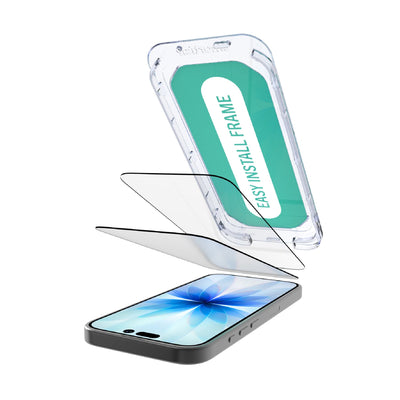
Learning how to protect a folding iPhone includes the screen you see when the phone is closed. The cover display behaves more like a standard phone screen, so a compatible film or tempered-glass protector can help guard against scratches from pockets, counters, and daily thumb traffic. Check the protector’s model fit, clean the surface carefully, and line up the edges without covering sensors or the front camera. Replace it when dust starts collecting beneath the adhesive.
Raised case edges can keep the outer screen from making direct contact with a desk or sidewalk during a face-down drop. Pair a protector that sits flat with a case that leaves enough clearance around the display. Too much overlap can cause bubbling or edge lift, while too little leaves the glass exposed.
Two-Piece Case Security: How They Stay Put (and How to Keep Them That Way)
A folding phone case usually has separate front and back shells because the device must open and close. What matters is whether each piece stays aligned during movement. Look for a snug fit, clean button cutouts, secure adhesive or retention points, and enough hinge clearance for a full opening. Open and close the phone several times while checking for shell shift, rubbing, or peeling edges.
Keep the case clean where it meets the phone. Pocket lint, skin oil, and crumbs can reduce grip between the shell and device. If an edge loosens, remove the case, wipe both contact surfaces with a dry microfiber cloth, and reinstall it according to the maker’s instructions.
The Drop-Proof Grip: Textured Sides and Finger-Friendly Design
Grip is part of drop prevention, especially during one-handed opening. Research found that more than 70% of foldable device drop damage occurs during opening transitions linked to poor chassis grip. A textured side rail gives your fingers a better contact point without requiring a death grip. Look for a surface that feels secure but does not cling to every pocket seam.
The Gripmunk with MagSafe® - Slim Case for iPhone 16 Pro uses textured sides to help prevent slipping without a sticky feel, while its smooth back is easier to pocket. Protective air-pocket corners act like small airbags during drops, and raised edges help keep the screen and camera away from rough surfaces. It has also been drop-tested 50 times from 6 feet with successful protection results. That is useful evidence, not a promise that physics has retired.
Desk Stability: Ensuring Your Foldable Lays Flat
Test the closed phone on a hard, level surface before committing to a case. A large hinge bump, uneven corner, or protruding kickstand can make the device rock when you tap the cover display. A case should keep the folded phone steady without blocking the hinge or forcing one side higher than the other.
| Case detail | What to check | Why it matters |
|---|---|---|
| Front shell | Secure fit and screen clearance | Helps prevent shifting and edge contact |
| Back shell | Raised camera rim and smooth pocket surface | Protects lenses without creating pocket drag |
| Side rails | Textured, finger-friendly coverage | Supports control during one-handed opening |
| Closed profile | Even contact on a desk | Reduces table wobble and accidental tipping |
MagSafe, Pockets, and Beyond: Everyday Annoyances Solved
MagSafe on a Split: Reliable Alignment Through the Case
MagSafe accessories need more than a magnetic circle printed on a box. A two-piece folding case must keep its rear shell aligned so the magnet ring sits in the right place for a charger, wallet, or mount. Weak magnets or a shifting back can cause a charger to slide, interrupt wireless charging, or leave a mount holding the case at an awkward angle. Test the connection with the phone closed, then check charging while the phone rests undisturbed.
The Gripmunk with MagSafe® - Slim Case for iPhone 16 Pro has built-in strong magnets compatible with MagSafe, allowing secure attachment to MagSafe accessories and high-speed wireless charging. Its precise fit also leaves access to the iPhone 16 Pro Camera Control button. Confirm the charger and mount combination in your own setup, since alignment, accessory design, and placement can affect results.
Pocket Lint & Dust: The Unseen Enemies of Your Hinge
Lint prevention starts with where you carry the phone. Give it a dedicated pocket rather than sharing space with coins, keys, makeup powder, or snack debris. Keep the hinge away from sandy surfaces, and close the phone only after checking that the inner display is clear. A soft pocket sleeve can help during beach trips, workshops, or dusty projects, but it should stay clean itself.
Cleaning & Maintenance: Keeping It Fresh Without Fussy Gadgets
Use a dry microfiber cloth for fingerprints and surface dust. Wipe the case separately when needed, following its care instructions, and let every surface dry before reassembly. Avoid poking the hinge with a toothpick, brush, blade, or cotton swab that can shed fibers. Skip aggressive sprays and compressed air aimed into gaps.
When (and How) to Upgrade Your Protection
Upgrade when the case shifts, the adhesive loses hold, a corner splits, the screen protector lifts, or the phone no longer rests flat. You may also need a change if a new charger or mount cannot maintain a dependable connection. Replace one weak part rather than buying the most expensive shell available by default.
- Check the case edges and hinge clearance once a week.
- Keep coins, keys, sand, and crumbs away from the folding phone.
- Test MagSafe alignment after installing or replacing the case.
- Clean the exterior with a dry microfiber cloth.
- Replace loose, cracked, or lifting protection before the next drop.
Your Folding iPhone's Best Life: The Pragmatic Wrap-Up
Recap: The Smartest Way to Protect Your Foldable
Knowing how to protect a folding iPhone is less about building a plastic bunker and more about making a few smart choices consistently. Keep the inner display free from pressure and debris, give the hinge room to move, and choose an outer case with a secure grip, raised edges, and a stable closed profile. The Gripmunk with MagSafe® - Slim Case for iPhone 16 Pro fits that practical brief with textured sides, air-pocket corners, a smooth back, and a microfiber-lined interior.
Beyond the Case: Lifestyle Habits for Durability
Give the phone its own pocket, keep it away from sand and loose hardware, and open it with two hands when the situation feels awkward. Check the case fit after travel, a drop, or extended time in a crowded bag. A little inspection can catch a lifting edge or shifting shell before it becomes a bigger nuisance. Future foldables may bring tougher materials and smarter hinge designs, but clean habits will still be excellent technology.
Final Thoughts: Smart Protection, Smarter Price
The Gripmunk with MagSafe® - Slim Case for iPhone 16 Pro keeps protection focused on useful details instead of fragile gadgets that need their own babysitter. It retails for $19.99 to $24.99, comes in multiple colors and patterns, and pairs with MagSafe gear. No case can erase every risk, but a dependable fit, comfortable grip, and sensible care can make foldable ownership feel far less precious.
Frequently Asked Questions
How do you protect a folding iPhone?
How to protect a folding iPhone is simple: use a fitted case, keep grit away from the hinge, and handle the inner screen with clean hands. Choose secure grip and raised edges, store the phone away from keys and sand, and inspect the hinge and case fit regularly. No case replaces careful handling.
Is there a screen protector for folding phones?
Folding phones usually come with a factory-applied inner display film, and that film should stay in place unless the manufacturer approves a replacement. Rigid tempered glass can interfere with folding and stress the flexible display. For everyday cleaning, use a dry microfiber cloth and avoid fingernails, pens, coins, and sharp debris.
What is the three-finger trick on iPhone?
The three-finger trick on iPhone uses gestures for editing text: pinch with three fingers to copy, spread three fingers to paste, and swipe left or right with three fingers to undo or redo. These gestures can make one-handed use easier, but they do not replace a case that improves grip while opening a folding phone.
Will there be cases for the iPhone fold?
Cases for a folding iPhone are likely to be designed around its two-part body, hinge clearance, and flexible inner display. A useful case should stay aligned during opening, protect the outer shell, preserve button and camera access, and avoid loose edges that collect lint. Skip add-ons that add moving parts without solving a real problem.
Is a foldable iPhone worth it?
A foldable iPhone may be worth it for people who want a larger inner display in a phone that closes into a smaller shape. The tradeoff is more careful cleaning, hinge awareness, and accessory selection than a standard iPhone requires. If carefree pocket use matters most, a conventional iPhone may be the saner choice.
What should you look for in a folding iPhone case?
A folding iPhone case should provide secure alignment, dependable grip, raised screen and camera edges, hinge clearance, and a stable resting position when closed. A two-piece design can protect the outer shell without fighting the fold. The Gripmunk with MagSafe case is verified for iPhone 16 Pro and adds grippy sides, microfiber lining, and air-pocket corners.