



How much does a quality slim phone case cost?
How much does a quality slim phone case cost? Judge the case by its fit, corner coverage, raised edges, materials, and features you’ll use. Not the price tag alone.
Key Takeaways
- Fit matters most: a case made for your exact iPhone model protects better than any generic one at any price.
- Look for air-pocket corners, a raised screen edge, and a lifted camera ring as your baseline features.
- Grippy sides are worth paying for, since a case that stays in your hand is the cheapest insurance there is.
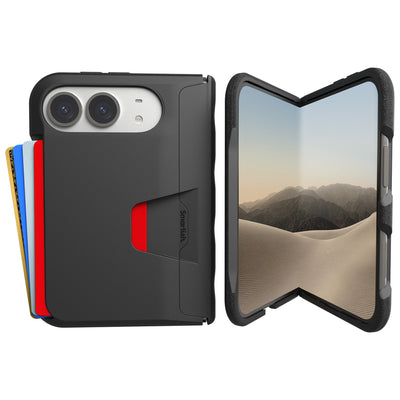
- Extra features like MagSafe compatibility or card storage can justify a higher price, but only if you'll actually use them.
A slim case should be easy to carry without leaving your phone feeling bare. Here’s what different price tiers may offer and how to tell whether extra cost buys useful features or a fancier finish.
The Short Version: $15-$40 Is the Sweet Spot
A well-designed case in the middle of the range can offer a slim profile, comfortable grip, and practical protection without charging extra for a luxury label.
Why Price Alone Tells You Almost Nothing
A high price does not tell you whether a case has covered buttons, protective corners, or a camera ring above the lenses. A low price does not automatically mean poor quality, either. A case can feel sturdy at first and still split when removed, while a simpler design may hold up through everyday handling. Check construction and fit before treating price as a quality score.
The Four Slim Case Price Tiers, Broken Down

Price tiers are a shopping guide, not a quality rating. Published prices vary by retailer, phone model, materials, and included features. According to Burga’s market overview, some clear or silicone cases cost around $50, and leather cases around $60. A higher price may reflect finish or material rather than better everyday protection. Compare the build with your needs before deciding.
| What you may find | What to check |
|---|---|
| Basic slim shape and simple materials | Secure fit, edge coverage, button access |
| More attention to grip, fit, and useful protection details | Raised edges, corner design, finish quality |
| Premium materials, finishes, or added features | Whether those extras improve daily use |
| Specialty materials or style-led design | Material durability and value beyond appearance |
Under $20: The Budget Tier (What Gets Cut)
Lower-priced cases can cover the basics, but inspect the details rather than assuming every feature is included. Look for consistent molding, a snug fit, and edges that rise above the screen and camera. A thin shell with loose corners may feel fine in your hand yet shift during use. A low price is a good find only if the case fits properly.
$20-$40: The Fair-Price Tier (Where Quality Lives)
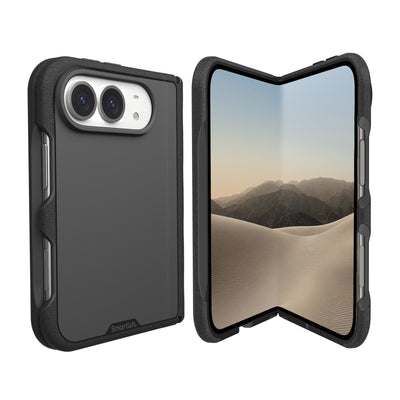
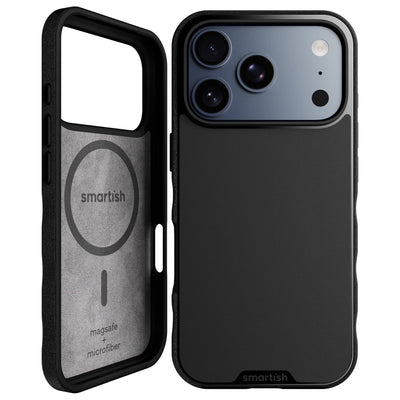
This range often suits shoppers who want a slim profile with practical features, not a bare shell. Gripmunk - Slim Case for iPhone 16 Pro is one example from Smartish’s lineup. It is made specifically for iPhone 16 Pro; check exact model compatibility before choosing a case for another iPhone. The fair-price test is simple: do the fit, protection details, and feel justify the cost?
$40-$60: The Premium Tier (What You're Actually Paying For)
At this level, the extra cost may go toward materials, finishes, or features such as MagSafe compatibility. Research summarized by ZDNET puts a notably thin iPhone case near $59. That price alone does not show how long the case will last. A premium-feeling case can still wear poorly if its edges loosen or its material cracks during removal. Consider which extras matter to you.
$60+: The Luxury Tier (Style Over Substance?)
Leather and other premium materials can have their own care needs and signs of wear. If appearance is your priority, that trade-off may suit you. If you mainly want a slim case for daily handling, check whether the added expense buys a feature you’ll use.
Material Costs 101: TPU, Polycarbonate, Aramid Fiber, and Leather
TPU is a flexible plastic often used for grippy edges, while polycarbonate is a firmer plastic commonly used in rigid shells. Aramid fiber is valued for its thin, woven construction, and leather brings a different texture and finish. Material names do not tell the whole story: thickness, build quality, and how parts are joined also affect feel and wear. Assess Gripmunk - Slim Case for iPhone 16 Pro by its fit and features, not price alone.
What Separates a Quality Slim Case From a Bad One
A quality slim case covers parts of your phone exposed to everyday bumps without making it feel like a brick. Look for covered edges, a secure fit, usable buttons, and materials that can handle being removed and replaced. A thin profile alone says little about how thoughtfully a case is made. Loose corners can shift, exposed buttons can pick up scratches, and a case that splits during removal may not stay in service long enough to earn its price.
Air-Pocket Corners and Raised Edges: The Protection Basics
Air-pocket corners add cushioning at points that may meet the ground during an everyday drop. A raised screen edge helps keep the display off a flat surface when the phone rests face down. A raised camera ring helps keep the lenses from touching a table when the phone rests on its back. These features add coverage without requiring a bulky case. Check that the edges sit above the screen and camera and that the corners fit snugly.
Grippy Sides and Button Coverage
Textured sides and finger grooves can make a slim phone easier to hold while still letting it slide into a pocket. Covered buttons should press cleanly and remain easy to find by touch. Exposed side buttons leave those areas more open to scuffs, while a poorly fitted cover can make presses stiff. Inspect the button cutouts and case seam. Uneven flex or splitting during removal points to a fit or construction concern, not a benefit of being slim.
MagSafe: Does It Add Cost or Bulk?
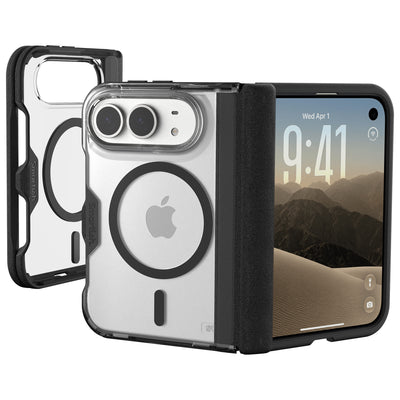
MagSafe compatibility adds built-in magnetic functionality for use with compatible chargers or accessories. It does not automatically mean more drop protection or a thicker feel. Compare the full design: edge coverage, grip, fit, and the features you plan to use. Gripmunk - Slim Case for iPhone 16 Pro is a slim Smartish option marketed as MagSafe compatible. It is made for iPhone 16 Pro, so confirm the exact phone model before buying.
Drop Protection Claims vs. Real-World Durability
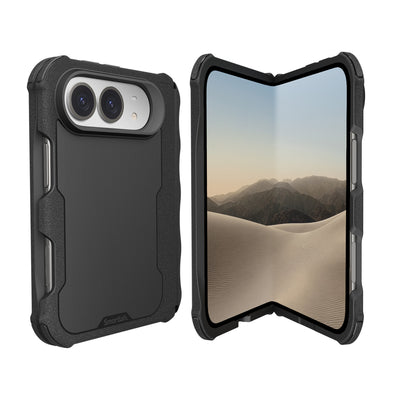
A drop-test claim is one piece of information, not a full picture of everyday durability. Ask what the test covers, then check corners, edges, buttons, and the fit around the phone. A case can pass a drop test and still disappoint if its finish wears quickly or its shell cracks during removal. I look at protection as a combination of coverage and construction, not a dramatic phrase on a box. Smartish Gripmunk cases are drop tested and have air-pocket corners and raised screen edges.
The Thin vs. Protective Trade-Off: Pros and Cons
A slim case keeps the phone comfortable to carry while adding practical coverage. It cannot make a phone immune to damage, and a thinner design may put less material between the phone and a hard surface than a thicker case. Choose a balance that fits your routine, not a case that wins a thickness contest.
Pros
- Light, pocket-friendly feel
- Less added bulk for everyday carry
- Protection features can fit a slim profile
Cons
- Less material than a thicker protective case
- Fit and corner design matter a great deal
The Real Math: Cost Per Year (and What a Bad Case Costs You Later)
The case price is only part of its value. Consider how long it stays usable, whether it keeps a secure fit, and whether its features suit your routine. A case that lasts longer can cost less per year than one you replace sooner. Lifespan varies by handling, material, and wear, so the examples below are price calculations, not predictions about how long a case will last.
Cost-Per-Year: Why a $30 Case Can Beat a $60 Case You Replace Twice
That does not prove the lower-priced case will last longer. It shows why replacement frequency belongs in the value calculation alongside finish, fit, and features.
The Hidden Costs of Skimping: Scratched Rails and Screen Repairs
A loose or poorly fitted case can let grit reach the phone’s sides, where it may leave marks as the phone shifts. Weak screen coverage also leaves the display more exposed when the phone lands face down. Repair costs depend on model, damage, service provider, and warranty coverage, so there is no single reliable repair total to add to a case budget. Check edge coverage and fit before purchase. A sensible case can reduce some everyday exposure, but no case prevents every kind of damage.
Slim Case Buying Checklist
Check each point against your exact iPhone model and how you use your phone:
- Confirm the case is made for your specific iPhone model.
- Look for secure corner coverage and edges raised above the screen.
- Check that the camera ring sits above the lenses.
- Make sure buttons are covered and still press comfortably.
- Review whether MagSafe compatibility matters for your accessories.
- Look for clear information about materials, fit, and drop testing.
- Consider how often you expect to remove the case and inspect its construction.
Slim Case Price FAQs

How much does a quality slim phone case cost? Remember that a case must match your exact iPhone model.
Is a $50 Phone Case Worth It Compared to a $12 Case?
It can be, if the added cost buys a material, finish, or feature you value. Price alone does not show how well a case fits, how its edges are built, or how it holds up to removal. Check construction and fit before deciding the higher price is worth paying.
Do Thin Cases Actually Protect Your Phone From Drops?
Yes, a thin case can add useful protection, though no case prevents every kind of damage. Look for corner coverage, raised edges, and a snug fit that does not shift during use. A slim case has less material than a thicker protective design, so consider your routine and comfort with that trade-off. Gripmunk - Slim Case for iPhone 16 Pro has air-pocket corners and raised screen edges, and Smartish drop tests it. It is designed for iPhone 16 Pro only.
Why Do Some Expensive Cases Break While Cheaper Ones Last?
A higher price does not mean a longer-lasting case. Material, molding, fit, and how the case flexes during removal all affect wear. A case may crack if forced off repeatedly or if its construction does not handle that flex well. A lower-priced case may last longer through gentler handling or a simpler design. Inspect the seams and corners, and follow removal instructions when available.
How Much Should You Spend on a Case for a $1,199 iPhone 18 Pro?
The iPhone 18 Pro starts at $1,199 in the U.S., according to Apple. That price does not set a required case budget. Choose based on secure fit, edge coverage, and features you will use, rather than spending a fixed share of the phone’s cost. Check that the case is explicitly made for iPhone 18 Pro; a case for another generation may not fit.
Does MagSafe Compatibility Cost More?
It can affect a case’s price, but MagSafe compatibility alone does not tell you whether the case offers better protection or feels thicker. Compare the complete design and decide whether you use compatible chargers or accessories. Gripmunk - Slim Case for iPhone 16 Pro is a slim MagSafe-compatible option for that exact phone model. If you have a different iPhone, choose a case listed for that model rather than assuming the fit carries over.
Frequently Asked Questions
How much should you pay for a phone case?
Price alone doesn't tell you much, so judge a case by its fit, materials, corner coverage, and raised edges. Pay for useful design, not a fancy label.
What is the difference between a slim case and a tough case?
A slim case prioritizes a thin profile and easy pocketability while still covering the basics like raised edges and cushioned corners. A tough case adds more bulk and layering for heavier protection. Both can protect well if the fit and construction are solid.
What do you actually get with a more expensive phone case?
A premium-feeling case can still wear poorly if edges loosen or material cracks during removal. Check whether the extras improve daily use.
Are budget phone cases under $20 worth buying?
Some are, if the details hold up. Look for consistent molding, a snug fit, edges that rise above the screen and camera, and buttons that press cleanly. A low price is only a good find if the case fits your phone properly.
What features should a quality slim phone case have?
Look for air-pocket corners that cushion drops, raised edges above the screen, a raised camera ring that keeps lenses off tables, and grippy sides. Covered buttons should press cleanly, and the case should survive being removed without splitting.
Does the case material affect the price of a phone case?
Material is one factor. TPU and polycarbonate are common plastics found across price tiers, while aramid fiber and leather push prices into premium territory. Thickness, build quality, and how parts are joined matter just as much as the material name.