


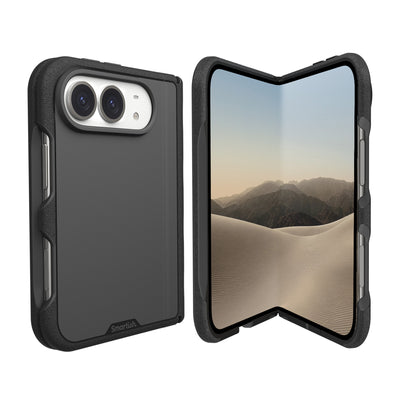
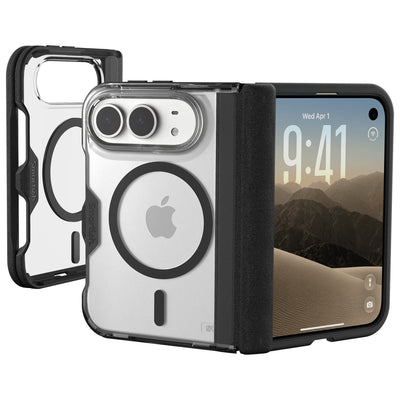
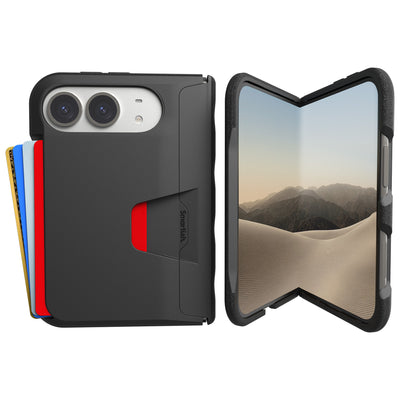
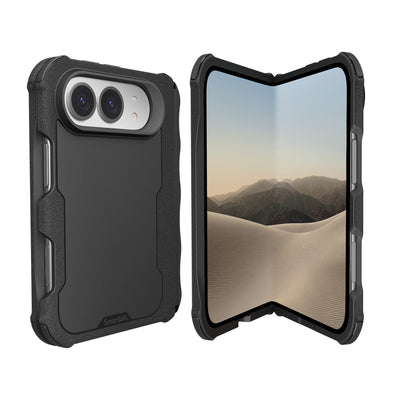

Key Takeaways
- The best green iPhone 17 cases combine device protection with environmental sustainability.
- Eco-friendly cases are made from recycled materials, plant-based polymers, and natural fibers.
- These cases offer the same level of drop protection as traditional plastic cases.
- Features include air-pocket corners, raised screen edges, and MIL-STD drop test certification.
Table of Contents
- Green iPhone 17 Case: Complete Protection & Care Guide
- What Makes an iPhone 17 Case Actually Green?
- Protection That Doesn't Cost the Earth
- Breaking Down Green Case Materials
- MagSafe, Wireless Charging & Green Cases
- Cleaning & Care: Making Your Green Case Last
- What Happens When Your Case Reaches End of Life?
- Choosing Your Perfect Green Case
- Top Green iPhone 17 Cases Compared
- Making the Switch to Sustainable Protection
- Future of Green Case Technology
Green iPhone 17 Case: Complete Protection & Care Guide
The best green iPhone 17 case doesn't force you to choose between protecting your device and protecting the planet. Today's eco-friendly cases use recycled materials, plant-based polymers, and natural fibers while delivering the same drop protection as traditional plastic cases, air-pocket corners, raised screen edges, and MIL-STD drop test performance included.
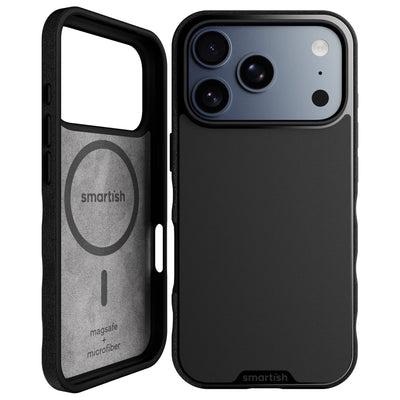
If you're looking for a sustainable yet protective option, the Gripmunk with MagSafe® - Slim Case for iPhone 17 is a standout choice. The challenge isn't finding sustainable options; it's cutting through greenwashing to identify cases that actually biodegrade in 18-24 months instead of lingering for centuries. Real eco-friendly protection starts with understanding which materials deliver on both durability promises and end-of-life disposal claims.
From woven fabric construction to bamboo fiber composites, this guide breaks down what makes a case genuinely sustainable, how different green materials handle daily wear, and which options work best with MagSafe and wireless charging.
What Makes an iPhone 17 Case Actually Green?

A truly eco-friendly green iPhone 17 case contains at least 50% recycled or renewable materials, not just a single recycled component mixed with virgin plastic. Look for specific percentages, "made with recycled materials" without numbers usually means less than 10% recycled content.
Biodegradability timeline matters more than marketing claims. Genuine plant-based cases break down in 12-24 months under proper composting conditions, while "biodegradable" petroleum-based plastics can take decades. Check for third-party certifications like ASTM D6400 for compostability or FSC certification for natural materials.
True Green Case Checklist
- Specific recycled content percentage (50%+ minimum)
- Certified compostable or recyclable through local programs
- Carbon-neutral manufacturing or B-Corp certification
- Clear disposal instructions from manufacturer
- No vague "eco-friendly" claims without supporting details
Manufacturing transparency separates legitimate green cases from greenwashing. Companies serious about sustainability publish carbon footprint data, use renewable energy in production, or offer take-back programs for end-of-life disposal. For a deeper dive into eco-friendly case standards, see this iphone 17 green case blog post.
Protection That Doesn't Cost the Earth
Sustainable materials match petroleum plastic protection through identical engineering principles. Air-pocket corner technology disperses impact energy whether the case uses recycled TPU or plant-based bioplastic. The 1mm raised screen edge and camera ring protection function the same regardless of material composition.
Modern plant-based polymers derived from corn starch or sugarcane pass the same 6-foot drop tests as conventional cases. Bamboo fiber composites actually excel at impact absorption due to their natural grain structure, while cork's cellular composition creates built-in shock dampening.
Material science advances mean eco-friendly cases now match traditional durability expectations. Reinforced natural fiber composites handle daily scratches and drops for 2-3 years before beginning biodegradation. The key difference: they break down safely afterward instead of accumulating in landfills.
Real-world testing shows plant-based TPU maintains grip performance in wet conditions and resists UV yellowing comparably to petroleum-based alternatives. The protection timeline remains identical, what changes is what happens when you're ready to upgrade. For more on choosing the right protection, check out this best iphone 17 protective case guide.
Breaking Down Green Case Materials
Recycled Plastics & Technical Woven Fabrics
Post-consumer recycled plastic cases use bottles and packaging diverted from waste streams, while technical woven fabrics like Jacquard construction create textured grip surfaces that improve with use. These materials offer familiar feel and cleaning simplicity, soap and water every two weeks maintains appearance and function.
Plant-Based Bioplastics
PLA and PHA polymers from corn starch or algae provide traditional case flexibility with compostable end-of-life disposal. Industrial composting breaks them down in 90-180 days, though they require temperatures above 140°F that home compost piles rarely reach. These cases handle daily use identically to conventional plastic but soften slightly in extreme heat.
Natural Materials: Bamboo, Cork & Hemp
Bamboo's natural grain structure creates impact-dispersing channels while providing antimicrobial properties that resist odor and bacteria. Cork's cellular composition, millions of air-filled chambers, offers unique shock absorption. Hemp fiber reinforcement adds tensile strength while maintaining biodegradability. All three materials develop attractive patina over 6-12 months of use.
| Material | Drop Protection | Biodegradation Timeline | Grip Quality | Care Difficulty |
|---|---|---|---|---|
| Recycled Plastic | 6-foot tested | Recyclable only | Consistent texture | Low |
| Plant Bioplastic | 6-foot tested | 90-180 days (industrial) | Smooth, may soften | Low |
| Bamboo/Cork | Natural shock absorption | 18-24 months | Natural texture | Medium |
What About "Eco" Silicone and Leather?
Bio-based silicone from rice husks or sugarcane offers familiar flexibility with reduced petroleum dependence, though it still requires specialized recycling. Vegetable-tanned leather ages beautifully and biodegrades naturally, unlike chrome-tanned alternatives that contain heavy metals. These options work best when you prioritize natural aging characteristics over rapid biodegradability.
| Material Type | Durability Timeline | Biodegradation | Grip Characteristics | Care Difficulty |
|---|---|---|---|---|
| Woven Fabric | 2-3 years | Recyclable | Textured, improves with use | Low |
| Plant Bioplastic | 2-3 years | 90-180 days (industrial) | Smooth, consistent | Low |
| Bamboo/Cork | 3-4 years | 18-24 months | Natural texture, develops patina | Medium |
| Bio-Silicone | 3-5 years | Specialized recycling only | High grip, dust-attracting | Medium |
MagSafe, Wireless Charging & Green Cases

MagSafe compatibility requires precise magnet alignment and material thickness under 3mm for reliable 15W charging. Woven fabric and thin bioplastic cases handle this easily, while thicker bamboo or cork cases may need embedded metal rings to maintain magnetic strength.
Heat dissipation during wireless charging varies by material density. Natural materials like cork actually excel at heat management due to their cellular structure, while solid bioplastics may warm slightly more than petroleum alternatives. All certified MagSafe cases handle normal charging temperatures safely.
Wallet-style green iPhone 17 cases typically sacrifice MagSafe functionality due to card interference with magnetic fields. If you carry 1-3 cards daily, this trade-off might outweigh wireless charging convenience, just verify the case specifies "MagSafe compatible" rather than generic "wireless charging" support.
Test MagSafe strength with your full accessory ecosystem before committing. Natural material cases may require slightly firmer attachment pressure initially but maintain connection reliability once properly seated. For more on MagSafe and wireless charging, see this MagSafe case guide.
Cleaning & Care: Making Your Green Case Last
Woven Fabric Cases: Weekly dry brushing removes debris from textile fibers, while monthly cleaning with damp microfiber cloth and gentle soap maintains appearance. Never submerge fabric cases or use oil-based products that create permanent stains.
Bioplastic & Recycled Materials: Standard soap and water cleaning every two weeks prevents buildup without damaging plant-based polymers. Avoid alcohol-based cleaners that cause brittleness, and pat dry immediately to prevent water spots on recycled plastic surfaces.
Natural Wood & Cork: Monthly conditioning with food-safe mineral oil maintains flexibility and appearance. Light sanding with 400-grit paper removes deep scratches from bamboo, while cork naturally resists most damage. Expect attractive patina development over 6-12 months of regular use.
Troubleshooting Common Issues
- Yellowing: UV exposure solution, rotate case position monthly
- Warping: Store flat when not in use, avoid extreme temperatures
- Loose fit: Natural material expansion, normal after 12-18 months
Silicone: Weekly cleaning prevents dust attraction that makes bio-silicone cases slippery. Baking soda paste removes stubborn stains, while monthly case removal allows thorough cleaning of both phone and case interior.
What Happens When Your Case Reaches End of Life?
Disposal pathway depends on your local infrastructure and case material composition. Industrial composting facilities accept certified compostable cases and break them down in 90-180 days, though you'll need to locate facilities through municipal waste programs since most curbside composting excludes mixed materials. For more information on mobile phone accessories and recycling, see this overview of mobile phone accessories.
Home composting works for bamboo and cork cases if you break them into small pieces first, expect 18-24 months for complete biodegradation. Pure plant-based bioplastics require industrial composting temperatures above 140°F that backyard piles rarely reach consistently.
Brand take-back programs offer the most reliable disposal option when available. Companies like Smartish are developing circular programs where old cases return for proper recycling or composting. Before disposal, consider creative reuse: cord organizers, coasters, or drawer liners extend utility.
Choosing Your Perfect Green Case

For the Minimalist: Slim woven fabric or thin bioplastic with essential protection, air-pocket corners and raised edges without bulk. Prioritize lightweight daily carry comfort while maintaining drop protection standards. If you want a slim, eco-friendly case, check out the Gripmunk - Slim Case for iPhone 17.
For the Adventurer: Reinforced bamboo or cork with maximum corner protection. Look for cases passing 6-foot drop tests. Slightly thicker profile justified by outdoor durability needs. For those needing extra protection, the Gripmunk - Slim Case for iPhone 17 Pro is a great fit.
For the Wallet-Ditcher: Understand the trade-off, wallet cases add thickness and typically sacrifice MagSafe. If carrying 1-3 cards daily, this functionality might outweigh wireless charging convenience. You might also want to explore wallet cases for iPhone 17 for added versatility.
Selection Criteria Checklist
- Protection level needed (basic scratch defense vs. rugged drop protection)
- MagSafe requirement (yes/no based on accessory ecosystem)
- Material preference (natural texture vs. smooth grip)
- Disposal plan alignment (access to composting vs. recycling)
- Budget range (quality green cases: $30-60)
Avoid choosing based solely on green claims, protection and daily usability must come first for the case to actually replace, not supplement, less sustainable options.
Top Green iPhone 17 Cases Compared
gripmunk-woven">Smartish Gripmunk - Woven Fabric Innovation
Best for: Daily carry with sustainable style and full MagSafe compatibility
The Gripmunk's technical woven fabric construction delivers the perfect balance of protection and environmental responsibility. Air-pocket corners and raised camera ring provide reliable drop protection, while the Jacquard loom texture offers superior grip without bulk. The recycled polyester content meets genuine sustainability standards, and the precise cutouts accommodate all iPhone 17 features including the new camera control button.
MagSafe alignment remains flawless through the fabric weave, maintaining full 15W charging speeds. The material resists daily wear while developing a subtle patina that enhances rather than detracts from appearance. For more on the latest iPhone 17 lineup, see all iPhone 17 cases and accessories.
Smartish Gripzilla - Maximum Protection, Minimal Impact
Best for: Rugged protection with eco-conscious materials
When your green iPhone 17 case needs serious protection credentials, Gripzilla's reinforced construction uses recycled materials without compromising drop-test performance. The rigid backplate disperses impact energy while maintaining MagSafe compatibility. Air-pocket corners handle repeated drops, and the raised screen edges provide face-down protection on any surface.
The textured grip surface performs consistently in wet conditions, crucial for outdoor adventures where sustainable gear matters most.
Making the Switch to Sustainable Protection
Transitioning to a green iPhone 17 case requires recalibrating expectations around longevity and disposal. Unlike traditional cases designed to last indefinitely, eco-friendly options embrace planned obsolescence, but on your terms, not the landfill's.
The key insight: sustainable cases protect your device for 2-3 years of active use, then break down safely rather than persisting for centuries. This timeline aligns perfectly with typical phone upgrade cycles, making environmental responsibility practically seamless.
Start by assessing your actual protection needs. Most users overestimate drop frequency and underestimate the effectiveness of modern eco-materials. A slim woven case with air-pocket corners handles 90% of real-world scenarios while maintaining the environmental benefits you're seeking. For more about the iPhone 17 and its features, see this iPhone 17 overview.
Future of Green Case Technology

Emerging material science points toward even better green iPhone 17 case options. Mushroom-based mycelium leather offers leather-like texture with complete biodegradability. Algae-based bioplastics promise petroleum-equivalent strength with ocean-positive sourcing.
Manufacturing improvements focus on carbon-neutral production and closed-loop recycling systems. Within two years, expect cases made entirely from previous-generation case materials, true circular economy protection.
The integration challenge remains wireless charging efficiency. Next-generation bio-materials aim for zero thickness penalty while maintaining full MagSafe performance, eliminating the last technical compromise in sustainable protection. For official Apple guidance on case compatibility, see Apple's support resource.
Frequently Asked Questions
What materials are used to make a truly eco-friendly green iPhone 17 case?
Truly eco-friendly green iPhone 17 cases use at least 50% recycled or renewable materials such as recycled plastics, plant-based polymers, bamboo fiber composites, and natural fibers. These materials are chosen for their durability and biodegradability under proper composting conditions.
How do green iPhone 17 cases provide the same level of protection as traditional plastic cases?
Green iPhone 17 cases deliver reliable protection with features like air-pocket corners, raised screen edges, and raised camera rings. Many meet MIL-STD drop test standards, ensuring they protect your device just as well as traditional plastic cases.
Are green iPhone 17 cases compatible with MagSafe and wireless charging?
Yes, many green iPhone 17 cases, including slim and protective styles, support MagSafe and wireless charging without compromising protection or adding bulk.
What should I look for to avoid greenwashing when choosing a sustainable iPhone 17 case?
Avoid vague claims by checking for specific recycled content percentages (at least 50%), third-party certifications like ASTM D6400 for compostability or FSC for natural materials, and clear biodegradability timelines. Genuine cases break down within 12-24 months under proper conditions, unlike misleading 'biodegradable' plastics that last decades.