





do i need a case for iPhone 18 Pro
Wondering, “do i need a case for iPhone 18 Pro”? If you’re careful, mostly use your phone at home, and can live with the risk of a cracked screen, going caseless is a personal choice. For most people, a slim case is a sensible buffer against everyday drops, not a requirement for enjoying the phone.
Key Takeaways
- Going caseless with the iPhone 18 Pro is a reasonable choice if you handle your phone carefully and mostly use it in low-risk settings like your home.
- The main downside of skipping a case is the financial risk of a cracked screen or damaged body if the phone takes an unexpected fall.
- A slim case offers a practical middle ground, adding everyday drop protection without completely hiding the phone's design.
- The iPhone 18 Pro sits at the top of Apple's current lineup, so protecting its premium build makes extra sense for most owners.
- Ultimately, the decision comes down to your personal risk tolerance and how much you value the phone's bare aesthetics over added security.
The iPhone 18 Pro starts at $1,199, so even one unlucky meeting with a sidewalk can make protection feel less optional. Here’s how to weigh the built-in durability, your habits, and the potential repair bill.
Do You Really Need a Case for iPhone 18 Pro? The Short Answer
A case isn’t mandatory, but it can reduce the chance that a routine drop turns into an expensive repair. Go caseless only if you’re comfortable accepting that risk and take care with where and how you use your phone.
Who Can Skip the Case (And Who Can't)
You may be comfortable without a case if your phone spends most of its time on stable surfaces, you rarely use it while walking, and you can afford a repair without a financial headache. A case makes more sense if you often juggle your phone alongside bags, groceries, kids, or a coffee that has already tested your coordination.
What Apple Built In: Ceramic Shield, Aluminum Frame, and Water Resistance
Apple equips iPhone 18 Pro with Ceramic Shield on the front and back, an aluminum frame, and IP68 water resistance. Those features offer durability and help protect against certain everyday hazards, but they don’t make the phone drop-proof or immune to scratches. Water resistance also isn’t a promise that every spill or swim ends happily.
The One-Minute Checklist Before You Go Caseless
Think about the places you use your phone, how often it slips from your hand, and whether you’d tolerate paying for a repair. If your routine includes hard floors, crowded commutes, or frequent one-handed scrolling, protection is the practical call. If you choose to go without a case, keep the phone away from table edges and avoid handling it over concrete, tile, or pavement.
The Real Cost of Dropping a $1,199 Phone
iPhone 18 Pro Repair Costs: Screen, Back Glass, and Camera
The exact amount depends on the damage and service details, so check Apple’s current estimate before making a decision. Back glass or camera damage can also require service; don’t assume a cracked panel is the only possible repair bill after a fall.
Case vs. Repair vs. AppleCare+ vs. Nothing: A Cost Comparison
A case has an upfront cost that varies by model and style, while going without either option leaves you responsible for the full repair charge. These choices manage different risks: a case helps prevent damage, while coverage can reduce the bill if damage happens.
| Choice | What you pay | What it means |
|---|---|---|
| Case | Purchase price | Added physical protection; repair costs may still apply after damage. |
| AppleCare+ | Coverage can lower eligible repair costs; review current terms for details. | |
| Neither | Full repair charge if damage occurs | No case barrier or AppleCare+ coverage to offset an eligible repair. |
When AppleCare+ Is Enough (And When It Isn't)
AppleCare+ may suit careful owners who prefer coverage over a case and are comfortable paying the deductible for an eligible repair. It doesn’t prevent a drop, keep the phone in your hand, or remove every cost. If your daily routine makes drops likely, pairing coverage with a slim case can address both prevention and repair risk. The decision behind “do i need a case for iPhone 18 Pro” comes down to how much you value the phone’s bare feel against the cost and hassle of damage.
Case vs. Caseless: The Honest Trade-Offs
A case changes more than the look of your iPhone 18 Pro. It can give your fingers a steadier hold and add a buffer between the phone and a hard floor. Going caseless keeps the phone’s original shape and materials in your hand, with no extra layer to catch on a pocket. Neither choice makes drops impossible or damage inevitable. The better fit depends on your routine: where you use your phone, how often it slips, and whether a repair would be a minor annoyance or a budget problem.
What You Gain With a Case: Grip, Drop Protection, and Resale Value
Textured sides can make a slippery phone easier to hold while you’re walking, taking a photo, or reaching for it with full hands. A case can also absorb some impact and help keep the phone’s corners and back from taking the first hit. That’s a buffer, not a force field: a hard fall can still damage a screen or camera. Keeping the exterior in better shape may help when you sell or trade in your phone, though resale value depends on condition and other factors.
What You Give Up: Design, Feel, and Everyday Bulk
A case covers some of the finish you paid for and changes how the phone feels in your palm. Even a slim one adds material around the edges, which can matter if you prefer a bare phone or keep it in a fitted pocket. Caseless use preserves the original feel and avoids that added bulk, but leaves the phone more exposed to scratches, scuffs, and impact. The trade-off is straightforward: less between you and the phone, and less between the phone and the floor.
Middle-Ground Alternatives: Sleeves, Skins, and Minimalist Cases
A sleeve can protect your phone inside a bag or pocket, but it offers no cushion while you’re using the phone. A skin changes the finish and may help with surface scuffs, but it is not a drop-protection substitute. A minimalist case is the practical compromise for people who want to see and feel the phone’s design without carrying it completely unprotected.
The Trade-Off at a Glance
Pros
- Added grip can help reduce everyday slips.
- A protective layer can limit some impact and surface wear.
- A slim style preserves more of the phone’s original feel.
Cons
- Cases add material and cover part of the phone’s design.
- Sleeves protect mainly during storage; skins offer little impact cushioning.
- No case guarantees that a drop won’t cause damage.
If You Want Protection Without the Brick: Slim Cases That Respect the Design
Protection doesn’t have to turn a phone into a pocket-sized paving stone. Look for a close fit, grip where your fingers land, and raised edges that help keep the screen and camera surfaces off a tabletop. Corner cushioning can add another buffer for common drops. These features won’t make a case indestructible, but they address the ordinary fumbles that happen while getting out of the car or juggling a drink and your phone.
Slim Pick: Gripmunk for Everyday Grip and MagSafe
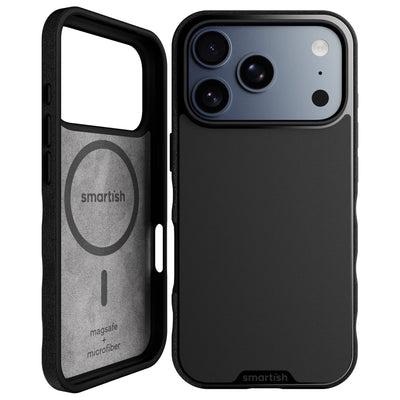
Smartish designs such as Gripmunk use textured sides to help your hand hang on, with air-pocket corners intended to cushion everyday bumps. If MagSafe matters to you, check the product listing for the exact iPhone model and MagSafe compatibility before buying. The listed Gripmunk - Slim Case for iPhone 16 Pro is specifically for iPhone 16 Pro. It is not an iPhone 18 Pro case, so don’t order it for the newer phone. Select a Gripmunk listing only when it explicitly names iPhone 18 Pro.
Extra Insurance: Gripzilla for Active Lifestyles
If your phone travels through workouts, busy commutes, or outdoor errands, a more protective case may suit your routine better than the thinnest option. Prioritize a secure grip, reinforced corners, and a raised lip around the display and camera. Smartish’s Gripzilla is another case style to consider, but confirm the exact model fit on its listing before purchase. A case made for a different iPhone may have misaligned buttons, camera openings, or charging access, even when the phones look similar.
Carry More: Wallet Slayer Vol. 1 and Vol. 2
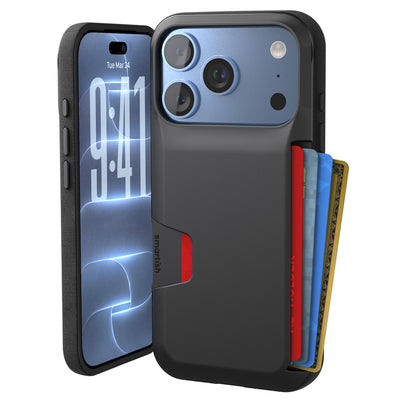
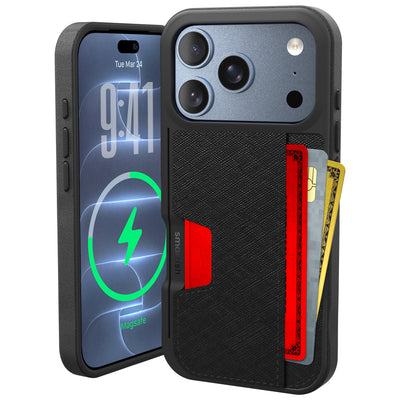
Wallet Slayer Vol. 1 and Vol. 2 combine phone protection with card storage, which can reduce the need to carry a separate wallet. That convenience comes with a trade-off: cards add bulk, and the case may feel less streamlined than a standard slim shell. Choose this style if combining essentials makes your daily carry easier. Check the listing for your exact iPhone model and the card capacity before ordering, since fit and features are specific to each version.
Don't Forget the Screen: Why a Screen Protector Still Earns Its Spot
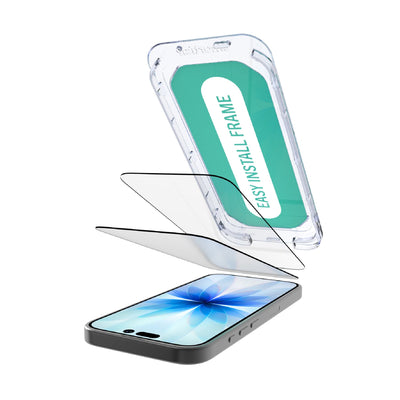
A case and screen protector handle different risks. A raised case edge helps keep the display from touching flat surfaces, while a screen protector adds a sacrificial layer against scratches and some impacts. Neither guarantees a crack-free screen, especially after a hard fall, but the two can work together without covering the phone’s finish. For the iPhone 18 Pro, choose a protector labeled for that exact model so its edges and openings align properly.
Case Compatibility and Common Questions
Case fit depends on precise dimensions and the placement of the camera opening, buttons, and ports. A familiar-looking phone is not enough to confirm compatibility. Before ordering, check that the product listing names iPhone 18 Pro specifically. That quick check helps avoid a case that blocks a button or leaves part of the camera exposed.
Will My iPhone 17 Pro Case Fit the iPhone 18 Pro?
Don’t assume an iPhone 17 Pro case fits iPhone 18 Pro. Even small changes to the phone’s dimensions or camera layout can affect alignment and coverage. The Gripmunk - Slim Case for iPhone 16 Pro is made for iPhone 16 Pro, not iPhone 18 Pro. Check the listing for the exact model before buying, and don’t try to make a different-generation case work by force. The Gripmunk - Slim Case for iPhone 16 Pro is an example of a model-specific fit, not a recommendation for iPhone 18 Pro.
Do MagSafe Accessories Still Work Through a Case?
MagSafe accessories work through cases designed to support MagSafe. Check the case listing for that compatibility, especially if you use a wireless charger, car mount, or magnetic wallet. A case without the right magnetic setup may weaken the connection or affect how securely an accessory attaches.
FAQs: Bulk, Water Resistance, and Lens Protection
Will a case feel bulky? Slim cases add a protective layer while keeping added bulk modest; the feel still depends on the design and your pocket or grip preferences. Does a case make the phone waterproof? No. Apple’s IP68 rating describes the phone’s water-resistance performance under specific conditions, not a guarantee against liquid damage. Will a case protect the camera? A raised edge can help keep camera lenses from touching flat surfaces, but it cannot prevent every scratch or impact.
Frequently Asked Questions
Do I need a case for iPhone 18 Pro?
A case for iPhone 18 Pro is not required, but it is a sensible way to reduce the chance a routine drop becomes an expensive repair. If you are careful, mostly use your phone on stable surfaces, and can accept the risk, going caseless is a personal choice.
How much does it cost to repair an iPhone 18 Pro screen without AppleCare+?
Is AppleCare+ worth it if I don't use a case?
AppleCare+ can make sense for careful owners who prefer coverage over a case and are comfortable paying the deductible on an eligible repair. It does not prevent drops, though, so pairing coverage with a slim case addresses both prevention and repair risk.
What durability features does the iPhone 18 Pro have built in?
The iPhone 18 Pro includes Ceramic Shield on the front and back, an aluminum frame, and IP68 water resistance. These features help with everyday hazards, but they do not make the phone drop-proof or immune to scratches, and water resistance is not a promise every spill ends well.
Can I use my iPhone 17 Pro case on the iPhone 18 Pro?
You should not assume an iPhone 17 Pro case will fit the iPhone 18 Pro without checking compatibility. Case sizing is model-specific, so always confirm the case is listed for your exact phone before buying or reusing one.
What are the trade-offs of using an iPhone 18 Pro without a case?
Going caseless keeps the original feel and finish of your iPhone 18 Pro in hand, with no extra layer catching on pockets. The trade-off is more exposure to scratches, scuffs, and impact, since nothing sits between the phone and the floor.
What is a good middle-ground option between a full case and going caseless?
A minimalist case is the practical compromise for people who want protection without much added material. A sleeve helps inside a bag or pocket but offers no cushion during use, and a skin changes the finish without acting as drop protection.