




do iphone use usb c
Let's face it, your phone is practically an extension of your brain these days. It’s your camera, your map, your music player, your connection to everyone you know. But when it comes to charging and connecting, things have felt a bit… tangled. For years, Apple stuck with its proprietary Lightning port. But the winds of change, and a little nudge from some regulators, have finally blown the iPhone into the USB-C era. So, do iPhones use USB-C? The short answer is: yes, but not all of them. We're here to break down which models have made the switch and what it really means for you.
Key Takeaways
- You get USB-C on the iPhone 15 series but older models still rely on your trusty Lightning cable.
- The switch to USB-C means one fewer cable to carry around since it matches what most laptops and Android buddies already use.
- This change didn't happen by magic: new rules from the European Union pushed Apple to finally ditch the Lightning port.
- With USB-C you'll notice faster data transfers on Pro models, making it easier to move your big video files.
This isn't just about swapping one cable for another; it's about simplifying your tech life. Whether you're upgrading soon or just curious about the future of your favorite device, understanding the move to USB-C is key. We'll dive into which iPhones sport the new connector, what the practical differences are compared to Lightning, and how this shift might just make your everyday carry a whole lot less cluttered. Get ready to untangle your life, one port at a time.
Which iPhones Have USB-C? (The Complete List)
Alright, let's get straight to the point. The big question on everyone's mind is which iPhones actually ditched the Lightning port for the universally recognized USB-C. If you’re holding onto an iPhone 14 or older, you’re still rocking Lightning. But Apple officially made the leap with the iPhone 15 lineup. This means all models released from that point forward are equipped with a USB-C connector, bringing them in line with many other modern devices like iPads, MacBooks, and an increasing number of Android smartphones.
Looking ahead, the USB-C trend is here to stay for Apple's flagship phone. The upcoming iPhone 16 series is expected to continue this transition, and subsequent models, including the much-anticipated iPhone 17 series, will undoubtedly feature USB-C ports. This standardization aims to simplify charging and connectivity across your entire tech ecosystem. So, if you're eyeing a new iPhone or planning an upgrade in the next couple of years, you can bet your bottom dollar it’ll come with USB-C. This move ensures that the latest iPhones are ready for the future of universal charging standards.
| iPhone Model Series | Connector Type |
|---|---|
| iPhone 14 and earlier models | Lightning |
| iPhone 15, 15 Plus, 15 Pro, 15 Pro Max | USB-C |
| iPhone 16, 16 Plus, 16 Pro, 16 Pro Max (Expected) | USB-C |
| iPhone 17, 17 Plus, 17 Pro, 17 Pro Max (Expected) | USB-C |
Now, let’s tackle a common point of confusion head-on. When people ask, "Does iPhone 13 use USB-C?" the answer is a definitive no. The iPhone 13, along with the 12, 11, SE (2nd and 3rd gen), and all models prior, exclusively use the Lightning connector. This distinction is important because it dictates which cables and accessories you'll need. While older iPhones remain loyal to Lightning, the entire iPhone 15 line and beyond have embraced USB-C, marking a significant shift in Apple's hardware strategy.
No, the iPhone 13 does not use USB-C. It utilizes the Lightning port, just like previous iPhone models. The transition to USB-C began with the iPhone 15 series.
USB-C vs Lightning: What Actually Changes for You?

So, your new iPhone has a USB-C port. Awesome. But what does that actually mean for your daily life beyond just plugging in a different cable? For starters, it means you're stepping into a world of better compatibility. The biggest win? You can likely use the same USB-C cable you use for your laptop, tablet, or even some Android phones to charge your iPhone. This is a game-changer for reducing cable clutter and simplifying travel. No more digging for that one specific Lightning cable when your battery is hovering near red.
When it comes to charging speed, the switch to USB-C opens the door for faster power delivery. While older iPhones were limited by Lightning's capabilities, USB-C supports higher wattage standards. For fast charging, you’ll still need a compatible USB-C power adapter (Apple recommends a 20W or higher adapter to achieve 50% charge in about 30 minutes, as noted by Apple Support). The iPhone 15 Pro and Pro Max models also gain a significant boost in data transfer speeds, jumping from the slow USB 2.0 speeds (480 Mbps) of Lightning to USB 3.0 speeds, which can reach up to 10 Gbps. This makes transferring large files, like videos or photos, dramatically faster. Think minutes instead of hours.
Pros
- Universal compatibility: Use one cable for multiple devices (phone, laptop, tablet).
- Faster data transfer speeds on Pro models (up to 10 Gbps with USB 3.0).
- Supports higher charging wattages for potentially quicker charging with the right adapter.
- Reduced electronic waste by standardizing ports across devices.
- Easier to find replacement or extra cables and chargers.
Cons
- Older Lightning accessories (cables, docks, some car chargers) will no longer work directly with new iPhones.
- Standard iPhone 15 models are still limited to USB 2.0 data transfer speeds, similar to Lightning.
- Requires purchasing new USB-C cables and potentially new power adapters if you don't already own them.
- Some users report pickiness with third-party USB-C cables, with only certain cables (like the one included with the phone) working reliably for all functions, according to user reports on platforms like Reddit regarding the iPhone 17.
The EU played a significant role in pushing this change. Driven by a desire to reduce e-waste and simplify consumer electronics, the European Union mandated that most portable electronic devices, including smartphones, must adopt a common charging port. USB-C. By the end of 2024. This regulation compelled Apple to align its iPhones with this standard. While Apple initially expressed concerns, the move is ultimately beneficial for consumers, creating a more interoperable ecosystem. This means fewer proprietary cables cluttering drawers and a much smoother experience when you need to borrow a charger or connect your phone to a friend's computer.
Beyond charging, USB-C on iPhones opens up new possibilities for audio and video output. You can now connect external displays more directly, use USB-C headphones, or utilize docking stations without needing a specific Lightning adapter. While the standard iPhone 15 models stick to USB 2.0 speeds for data, the Pro models' USB 3.0 capabilities are a boon for professionals and content creators who regularly transfer large video files or use external storage. This shift means your iPhone is becoming even more versatile, acting as a central hub for more of your digital life, much like a computer. It’s a step towards a more unified and less frustrating tech experience.
How to Transition from Lightning to USB-C Without Losing Your Mind
Alright, so you know your shiny new iPhone has that universal USB-C port. Sweet! But then you look at your drawer overflowing with Lightning cables, charging bricks, and all sorts of dongles, and a little panic might set in. "What do I keep? What do I toss? Do I need a whole new setup?" It’s a fair question. Making the switch from Lightning to USB-C doesn't have to be a chaotic scavenger hunt. Think of it as a smart decluttering session, where we identify what’s still useful and what’s ready for retirement.
The good news is, not everything needs to go. Many of your existing accessories might play nicely with your new USB-C iPhone, especially if you have newer gear. For instance, if you've already invested in USB-C chargers for your laptop or tablet, you're likely in good shape. Apple's MagSafe accessories, which connect magnetically, are also designed to work seamlessly with new iPhones, regardless of the port type. Even some cases can be reused, provided they don't have specific cutouts or features tied exclusively to the Lightning port's location or size. It’s about finding that sweet spot where old tech meets new, saving you money and hassle.
What to Keep: Chargers, Cases, MagSafe Accessories
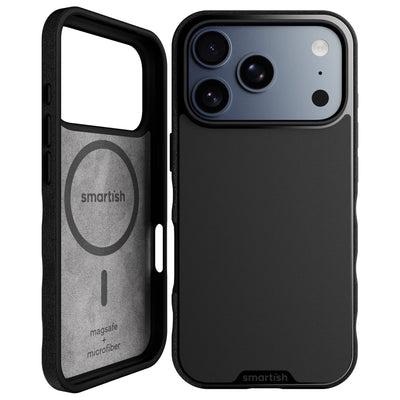
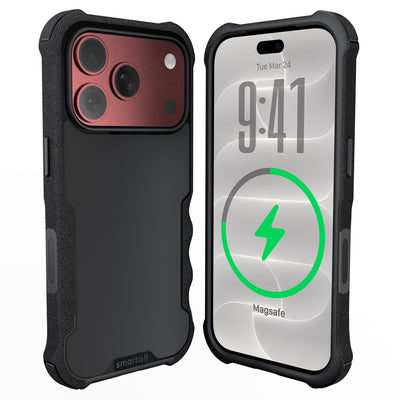
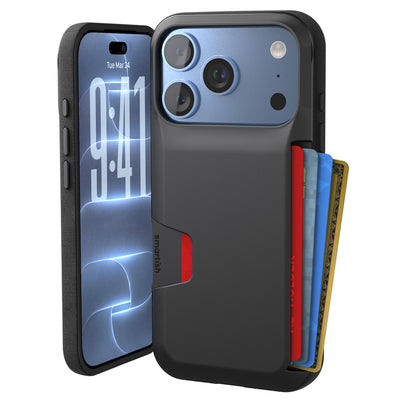
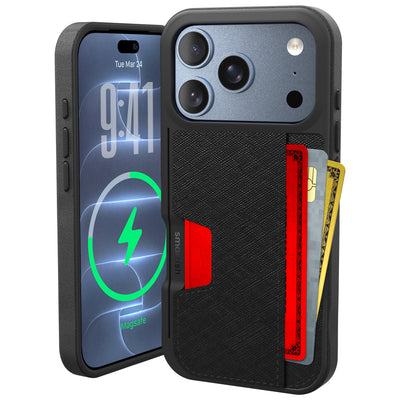
Let’s talk about the keepers. If you have a USB-C power adapter rated at 20W or higher, you're golden for fast charging your new iPhone. These are the same bricks you probably use for your iPad or modern laptop, making them super convenient. MagSafe chargers and accessories, like wallets or car mounts, will continue to function perfectly because they connect wirelessly to the back of the phone. Cases are a bit more nuanced: if your current case doesn't specifically interfere with the USB-C port itself or rely on Lightning for any functionality (which is rare), it might still fit and protect your device. Many Smartish cases, for example, are designed with generous port openings that accommodate various cable types, so your old favorite might just have some new life.
What to Replace: Cables, Car Chargers, Older Power Banks
Now for the swaps. The most obvious thing you'll need to replace is your collection of Lightning-to-USB-A or Lightning-to-USB-C cables. These are now obsolete for your new iPhone. Similarly, older car chargers that use a Lightning connector will need an upgrade to a USB-C version. If you have portable power banks that only feature a Lightning input or output port, it’s time to consider a USB-C compatible model. This ensures you can actually charge your new device. Don't forget about wired headphones; if you have older earbuds with a Lightning connector, you'll need a USB-C adapter or a new pair.
The iPhone 17 Cable Pickiness Issue (and how Smartish cables solve it)
As we look towards the future, like with the expected iPhone 17 series, users have reported some peculiar behavior with third-party USB-C cables. Some discussions on platforms like Reddit mention that certain cables, even if they physically fit, don't always enable all functions or might charge slower. It seems Apple is, shall we say, particular about what it plays with. This is where quality, tested accessories make a world of difference. Smartish cables, for instance, are built and tested to ensure reliable performance, charging, and data transfer with USB-C iPhones. We engineer our cables to meet or exceed performance standards, so you don't end up with a fancy paperweight that only works with one specific, often expensive, brand of cable. Our goal is to make the transition smooth, not frustrating.
USB-C Readiness Checklist: Keep, Replace, Buy
To make this transition as painless as possible, here’s a quick checklist:
-
Keep:
- USB-C Power Adapters (20W+ recommended)
- MagSafe Chargers & Accessories
- Cases (if compatible with port access)
- USB-C Headphones or Adapters
- Any existing USB-C cables you use for other devices
-
Replace:
- All Lightning Cables (iPhone to USB-A or USB-C)
- Lightning Car Chargers
- Older Power Banks with only Lightning ports
- Lightning Wired Headphones/Earbuds
-
Buy (Smartish Recommended):
- A reliable, high-quality USB-C to USB-C cable (like our Smartish Charge It Up USB-C Cable)
- A compact USB-C wall charger (if you don't have one)
- Consider a Smartish case designed for your new iPhone model for guaranteed fit and protection.
By sorting through your current tech and strategically picking up a few key items, you can master the USB-C shift with minimal fuss. It’s all about being prepared and choosing accessories that just work, like the Dancing Queen - Crossbody Wallet Case for iPhone 11 Pro Max, which, while designed for an older model, exemplifies our approach to functional, everyday solutions. For your new iPhone, look for cases that offer similar practicality and protection.
USB-C Charging Speeds and Data Transfer: What the Specs Mean for Real Life
Okay, let's dive a little deeper into what those USB-C numbers actually mean for you. It's not just a different plug; it's about potential performance gains. When it comes to charging, the USB-C port itself is just one piece of the puzzle. To get that speedy 50% charge in about 30 minutes that Apple touts, you need a USB-C power adapter pushing at least 20 watts of power, as confirmed by Apple Support. Using a lower-wattage adapter will still charge your phone, but it'll be a slower, more leisurely process. Think of it like trying to fill a big bucket with a tiny garden hose. It gets the job done eventually, but it takes ages.
The real magic happens when you look at data transfer speeds, and this is where the iPhone 15 Pro models really shine compared to their standard counterparts and older Lightning iPhones. While Lightning and the standard iPhone 15 models are stuck in the past with USB 2.0 speeds (a glacial 480 Mbps), the Pro models, starting with the iPhone 15 Pro and 15 Pro Max, embrace USB 3.0. This means they can theoretically hit speeds up to 10 Gbps. For context, that's roughly 20 times faster. This significant difference becomes apparent when you're moving large files, like 4K video footage from a shoot or huge photo libraries, off your phone and onto a computer or external drive. What used to take many minutes could now take mere seconds.
Fast Charging Requirements (Wattage and Cable Type)
To unlock fast charging on your USB-C iPhone, two things are key: a compatible power adapter and a suitable cable. As mentioned, Apple recommends a 20W or higher USB-C power adapter for optimal speed. You can often find these bundled with MacBooks or iPads, or purchase them separately. The cable also needs to support the power delivery protocol. While most modern USB-C cables will work, using a high-quality cable designed for higher wattages ensures you're getting the most efficient charge. Cheap, flimsy cables might not be rated for the necessary power, leading to slower charging or even failure to fast charge. It’s worth investing in a reputable USB-C cable, like those from Smartish, to guarantee performance.
Why Standard Models Are Stuck at USB 2.0 Speeds
It's a bit of a head-scratcher for some: why do the standard iPhone 15, 15 Plus, and future standard models continue to use USB 2.0 speeds for data transfer when they have a USB-C port? The primary reason is likely cost-saving and differentiation. By equipping the Pro models with the faster USB 3.0 controllers and ports, Apple creates a clearer distinction between its premium and base offerings. For the average user who primarily charges their phone and occasionally transfers photos, USB 2.0 speeds are often sufficient and don't present a noticeable bottleneck. However, for content creators, photographers, or anyone frequently moving large files, this limitation on standard models can be a significant drawback.
Pro Models Get USB 3.0 (up to 10 Gbps). When Does It Matter?
The jump to USB 3.0 (up to 10 Gbps) on iPhone Pro models is a game-changer for specific use cases. Imagine shooting a full day of high-resolution video on your iPhone Pro. Transferring those multi-gigabyte files to your computer for editing could take an hour or more with USB 2.0. With USB 3.0, that same transfer could be done in a matter of minutes. This speed is also beneficial if you plan to use external SSDs for recording video directly from your iPhone (a feature available on some Pro models) or for backing up large amounts of data quickly. Essentially, if your workflow involves moving significant amounts of data to or from your iPhone, the Pro model’s USB 3.0 capability makes a tangible, time-saving difference.
Using USB-C for External Storage, Displays, and Audio
The versatility of USB-C extends beyond just charging and basic data transfer. On your iPhone Pro, you can plug in external hard drives or SSDs to expand storage or directly record video files. This is incredibly useful for managing large media libraries on the go. Connecting to external displays is also streamlined; you can output your iPhone's screen to a monitor or TV using a USB-C to HDMI cable or adapter, turning your phone into a more capable presentation or entertainment device. For audio, while many opt for wireless earbuds, USB-C headphones offer a direct, high-fidelity connection without relying on Bluetooth. This broader connectivity means your iPhone can integrate more seamlessly into a professional setup or serve as a more powerful media hub.
| Feature | Standard iPhone 15 / 16 / 17 | iPhone 15 Pro / 16 Pro / 17 Pro (and Max) |
|---|---|---|
| Charging Port | USB-C | USB-C |
| Fast Charging Support (with 20W+ adapter) | Yes (up to 50% in ~30 mins) | Yes (up to 50% in ~30 mins) |
| Data Transfer Speed | USB 2.0 (up to 480 Mbps) | USB 3.0 (up to 10 Gbps) |
| External Storage Support | Limited (slow transfers) | Yes (fast transfers, direct recording for video) |
| External Display Output | Yes (via adapter/cable) | Yes (via adapter/cable, better for high-res/frame rates) |
Choosing the right cable and understanding these speed differences ensures you're getting the most out of your iPhone. Whether you're just topping up your battery or transferring gigabytes of data, knowing the specs helps you avoid frustration and appreciate the technology. This is where Smartish aims to simplify things; our accessories are built to handle these demands reliably, so you can focus on what matters, not on whether your cable will cooperate.
Why USB-C Is a Win for Your Everyday Carry (And Your Sanity)

Let's be honest, the quest for the perfect pocket or bag setup can feel like a never-ending battle against clutter. We juggle phones, wallets, keys, and a tangled mess of charging cables. But what if a simple change could streamline your essentials and bring a sigh of relief to your daily routine? The shift to USB-C on newer iPhones isn't just about a new port; it's a chance to simplify your life, declutter your tech, and bring a little more peace to your everyday carry. It’s about making your most-used device work smarter, not just harder.
One Cable to Rule Them All: Charging Your Phone, Laptop, Tablet, and More
The dream of a single cable for all your devices is finally within reach, thanks to USB-C. If you've upgraded your laptop or tablet recently, chances are it already uses USB-C. This means that same cable you use to power up your MacBook or iPad can now juice up your iPhone 15 and beyond. No more hunting for specific chargers when you're packing for a trip or just heading to the coffee shop. This universal standard simplifies things immensely, reducing the number of different cables you need to keep track of. It’s the kind of practical innovation that makes you wonder why it took so long, but hey, better late than never, right?
This move answers the question: do iPhones use USB-C? Yes, and it’s a huge win for compatibility. Imagine a world where your phone, tablet, laptop, and even some headphones all share the same charging connector. That's the promise of USB-C. For travelers, this means one less cable to pack. For students, it means less weight in their backpack. For anyone tired of the cable chaos, it's a breath of fresh air. This standardization isn't just a convenience; it’s a step towards a more integrated and less frustrating tech experience.
Less Clutter, Fewer Cords to Lose
Think about that drawer where all your charging cables live. It's probably a tangled nest of Lightning connectors, USB-A cords, and maybe a stray USB-C cable or two. With the iPhone embracing USB-C, you can finally start consolidating. The days of having to own a distinct cable just for your iPhone are fading. This means fewer cables cluttering your desk, your nightstand, and your travel bag. It’s a simple change, but the impact on your daily organization can be surprisingly significant. Less clutter equals less mental overhead, and frankly, that’s a win in our book.
Losing a specific charger can be a major annoyance. When everything uses the same USB-C connector, borrowing a cable from a friend or grabbing one from a public charging station becomes a much simpler affair. You’re not limited to finding someone with a Lightning cable; you just need a USB-C one, which is becoming increasingly common. This universality means less stress when you're on the go and your battery is low. It’s about making your tech work *for* you, not against you.
Reducing E-Waste with a Universal Standard
Beyond personal convenience, the widespread adoption of USB-C is a win for the planet. The European Union's push for a common charging port, which significantly influenced Apple's decision, aims to reduce electronic waste. Think about all the old chargers and cables that become obsolete when devices change. By standardizing on USB-C, we generate less e-waste over time. This is a smart, sustainable move that benefits everyone in the long run. It’s about making responsible choices that contribute to a healthier environment, one less proprietary cable at a time.
This transition to a universal standard means fewer unique charging bricks and cables manufactured and eventually discarded. While the initial transition might require purchasing some new accessories, the long-term benefit of a single charging standard across most of your devices is substantial. It encourages manufacturers to focus on quality and durability rather than proprietary connectors, promoting a more sustainable approach to consumer electronics. It’s a practical step towards a greener future, aligning with the kind of thoughtful design Smartish champions.
Smartish Solves the USB-C Switch
Making the jump to USB-C should be seamless, not stressful. That’s where Smartish comes in. We design accessories that anticipate your needs and simplify your tech life. Whether it's a durable USB-C cable built to last, a compact wall charger that fits anywhere, or a protective case designed for your specific iPhone model, we've got you covered. Our accessories are made to work reliably, ensuring you get the most out of your USB-C iPhone without any fuss. For instance, our cables are engineered for optimal charging and data transfer, so you can ditch the worry about compatibility issues, especially as newer models like the iPhone 17 series emerge. We believe your tech gear should be as functional and stylish as you are, without the unnecessary complications.
Smartish Accessories That Make the Switch Seamless (MagSafe Cases, Cable Organizers, Chargers)
At Smartish, we get it. You want your tech to work, and you want it to look good doing it. That’s why we create accessories designed to make the transition to USB-C smooth sailing. Our range of cases, like the Dancing Queen - Crossbody Wallet Case for iPhone 11 Pro Max (though specific to an older model, it embodies our spirit of practical style), are built with thoughtful details. For current USB-C iPhones, we offer cases that provide robust protection and easy access to the USB-C port. Plus, our high-quality USB-C cables and power adapters are rigorously tested to ensure they deliver reliable charging and fast data transfer speeds, so you’re not left guessing if your accessory will perform.
We also know that managing cables is part of the everyday carry puzzle. While we don't have specific "cable organizers" in the same way we have cases, the philosophy is the same: create products that reduce daily friction. Our focus is on durable, dependable charging solutions. When you grab a Smartish USB-C cable or charger, you’re choosing an accessory that’s been designed with the user’s experience in mind, ensuring your new USB-C iPhone setup is as hassle-free and functional as possible. Say goodbye to cable clutter and hello to a smarter, simpler way to stay connected.
References
Frequently Asked Questions
Which iPhones use USB-C now?
The iPhone 15, iPhone 15 Plus, iPhone 15 Pro, and iPhone 15 Pro Max all use USB-C. All models from the iPhone 15 lineup onward, including the expected iPhone 16 and iPhone 17 series, will have USB-C ports. Earlier models like the iPhone 14 and older still use the Lightning connector.
Can the iPhone 13 use Type-C?
No, the iPhone 13 does not use USB-C. It uses Apple's Lightning port, just like the iPhone 12, iPhone 11, and earlier models. The switch to USB-C started with the iPhone 15 series, so if you have an iPhone 13, you will still need Lightning cables.
Can the iPhone 14 use USB-C?
No, the iPhone 14 does not use USB-C. All iPhone 14 models, including the iPhone 14, 14 Plus, 14 Pro, and 14 Pro Max, still feature the Lightning connector. The transition to USB-C began with the iPhone 15 lineup.
Does an iPhone 11 use a USB-C?
No, the iPhone 11 does not use USB-C. It uses the Lightning connector, same as all iPhones from the iPhone 5 through the iPhone 14 series. USB-C is only found on the iPhone 15 and later models.
What are the benefits of USB-C on iPhone?
USB-C on iPhone means you can use the same cable to charge your phone, laptop, and tablet, cutting down on cable clutter. It also supports faster data transfer speeds on Pro models, up to 10 Gbps, and allows for higher charging wattages with a compatible adapter. Older Lightning accessories won't work directly, but the trade-off is a more universal standard.
Why did Apple switch to USB-C?
Apple switched to USB-C mainly because of a European Union mandate requiring a common charging port for most portable electronics by the end of 2024. This move reduces electronic waste and makes it easier for consumers to share chargers across devices. While Apple initially resisted, the change simplifies your tech life and aligns iPhones with iPads and MacBooks.