


Cost comparison of phone case brands
Decoding Phone Case Costs: What Really Drives the Price Tag?
A cost comparison of phone case brands reveals materials are the main budget driver. Basic TPU and plastic cases start around $5-$15, while premium leather or aluminum can hit $50-$100. But here's the thing. Price doesn't always match protection.
Materials That Actually Matter
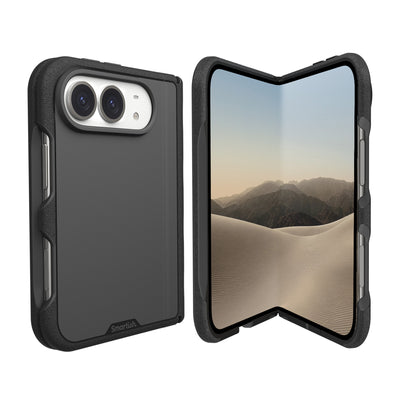
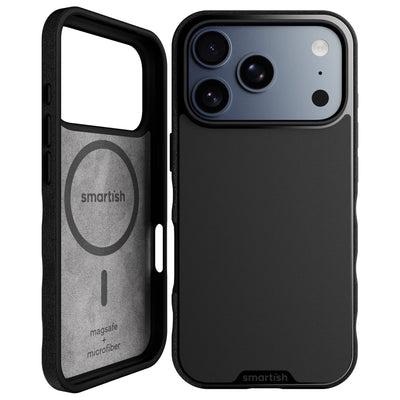
Polycarbonate shells with TPU bumpers hit the protection sweet spot without the sticker shock. Smartish uses this combo for solid drop protection at reasonable prices. Many premium brands charge double for similar materials, banking on logo recognition over engineering.
Protection Features: Standard or Premium?
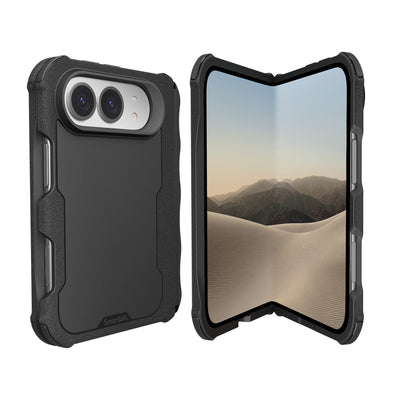
Drop-tested cases range $15-$40, but the price gap often reflects marketing budgets more than actual protection. Air-pocket corners, raised screen edges, and camera rings should be standard, not upcharge features. Our Gripzilla delivers heavy-duty protection without the military-spec markup.
Smart Spending Insight
Multi-function cases offer better bang for your buck. Why pay separately for a wallet, crossbody strap, and case when one product can handle all three? It's math that makes sense.
Function Over Flash
Wallet cases span $20-$80, with designer options charging premiums for basic card slots. Smart designs combine storage, protection, and convenience without the luxury tax.
The Brand Name Tax
Designer cases can cost 300% more for identical function. You're paying for logo placement, not better engineering. Focus on features, materials, and real-world durability instead of brand clout.
Smartish vs. The Field: Where Your Money Actually Goes
The No-Nonsense Approach
We price based on function, not hype. While competitors charge $40-$60 for basic wallet cases, Smartish multi-function designs start around $30. And actually solve multiple problems. Drop protection, precise cutouts, and grippy edges come standard, not as premium add-ons.
Take the Dancing Queen Crossbody Wallet Case. Card storage for five, crossbody convenience, solid protection, and lipgloss loops for $29.99-$34.99. Try finding a standalone crossbody wallet that does less for the same price.
What You Get vs. What You Pay
Every Smartish case includes air-pocket corners, raised screen edges, and camera ring protection. No upcharges for basic safety features. Premium brands market these as "advanced technologies" to justify higher prices for standard protection.
| Feature | Smartish Approach | Premium Brand Approach |
|---|---|---|
| Drop Protection | Standard in all cases | Marketed as premium feature |
| Material Quality | TPU/polycarbonate blend | Similar materials, higher markup |
| Wallet Functionality | Up to 5 cards plus cash | Often 2-3 cards, same price |
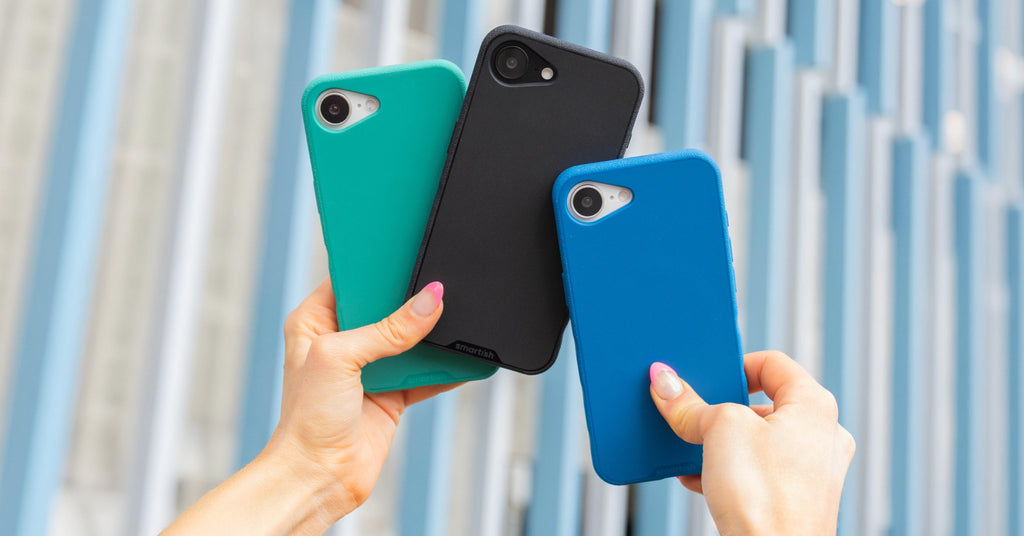
| Design Options | Multiple colorways | Limited colors, premium pricing |
Built to Last (Because Replacing Stuff Sucks)
Cheap cases lose their grip, crack, and need constant replacement. That $5 case becomes a $30 problem when you're buying it monthly. Smartish cases maintain their fit and protection through daily wear because we engineer for real use, not just initial sale.
A case that still fits properly and protects effectively after months of pocket slides and table drops? That's not luck. That's design that works.
Why "Cheap" Cases Cost More in the End
The $3 Gas Station Case Trap
That bargain case cracks in two weeks, forcing another purchase. And another. Budget cases requiring monthly replacement can cost more than quality options that last years. Plus, poor-fitting cases create daily headaches: lint buildup, dead buttons, blocked charging ports.
Nobody has time for cases that don't work.
When "Saving Money" Becomes Expensive
Screen repairs run $200-$400. Back glass replacement hits $500-$600. One drop with a flimsy case can cost more than several quality cases combined. Budget options often skip corner reinforcement and raised edges. Exactly where protection matters most.
Protection Reality Check
A $30 case that prevents one screen crack pays for itself several times over. The math stays simple: protection either works when you need it, or it doesn't.
The Mental Tax of Bad Cases
Flimsy protection changes how you use your phone. Constant worry about drops, overcautious handling, avoiding situations where your phone might take a hit. Quality cases eliminate that mental overhead. Just use your phone and get on with life.
Your time has value too. Stop researching replacement cases every month and simplify your carry with designs that actually work.
Specialty Cases: Where the Extra Money Goes
MagSafe: Premium Feature or Table Stakes?
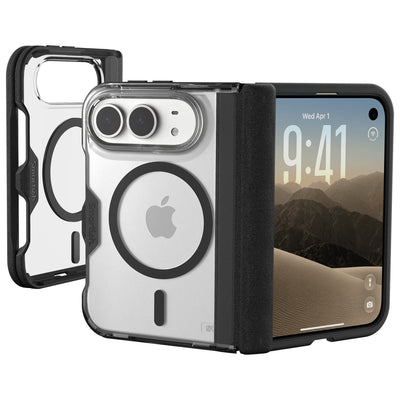
Some brands charge extra for magnetic compatibility. Others include it standard. Watch for tradeoffs. Added thickness or reduced protection aren't worth magnetic alignment if you don't use accessories. Check specific model details before paying a MagSafe premium.
Wallet Cases: Smart Consolidation
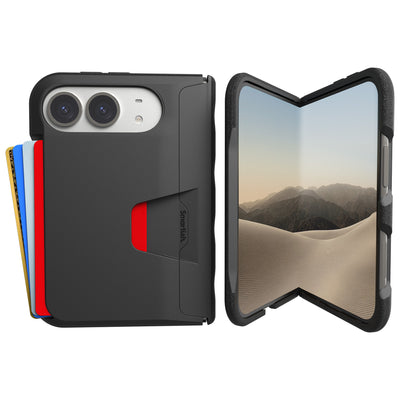
Wallet cases span $20-$80 based on card capacity and build quality. Good ones reduce pocket bulk by replacing separate accessories. The Dancing Queen handles 5 cards, cash, crossbody function, and protection for under $35. Competing with standalone wallets that do less.
Bad wallet designs force compromises between protection and access. Good ones make both seamless.
Heavy-Duty Protection Without the Hype
Rugged cases cost $25-$70, but price often reflects marketing drama over actual engineering. Gripzilla offers drop-tested protection with reinforced corners minus the "military-grade" theater most people never need.
Real protection comes from design, not price tags or extreme-condition marketing. Focus on corner reinforcement and credible testing over dramatic stories about conditions you'll never face.
Frequently Asked Questions
When looking at a cost comparison of phone case brands, what truly matters?
For me, it boils down to materials, protection, and the clever features that solve real problems. You'll find basic plastic cases for $5-$15, but premium options with genuine leather or aluminum can hit $50-$100. The trick is finding that sweet spot where durability meets an affordable price.
Can a phone case offer strong protection without a premium price tag?
Absolutely. We believe you shouldn't have to pay a fortune for peace of mind. Cases like our Gripzilla deliver mighty protective design, with air-pocket corners and raised edges, without the military-spec price tag. It's about smart engineering, not just brand recognition.
What factors really drive the price of phone cases?
The biggest drivers are materials, protection levels, and extra features. Premium materials like leather cost more, and drop-tested cases add to the price. Sometimes, a big chunk of the cost is just for a brand name, not superior design or materials.
Are wallet cases and multi-function designs a good value?
I think multi-function designs offer fantastic value. Take our Dancing Queen, a Crossbody Wallet Case designed specifically for the iPhone 11 Pro Max. It secures 5 cards plus cash, has lipgloss loops, and includes an adjustable crossbody strap and removable wristlet. It combines several accessories into one smart package.
Is paying a lot for a brand name phone case always worth it?
Often, no. Designer cases can cost 300% more than similar options. You're frequently paying for a logo, not better materials or engineering. Smart shoppers focus on practical features, real-world durability, and how a case holds up daily, rather than just brand prestige.
What is the hidden cost of choosing a very cheap phone case?
A very cheap phone case can be expensive in the long run. They often crack quickly, needing frequent replacements, which adds up. Worse, a flimsy case that fails during a drop can lead to costly screen repairs, sometimes hundreds of dollars. That initial 'saving' can backfire big time.
How does Smartish balance features and affordability in its phone cases?
We focus on solving real problems with practical features, making them accessible. Things like air-pocket corners, raised screen edges, and camera ring protection come standard across our lineup. These aren't premium add-ons; they're baseline expectations, keeping quality high and costs reasonable for daily use.