




best wireless charging
# Best Wireless Charging Pads & Stands for 2026What Makes Wireless Charging Actually Fast in 2026
Fast wireless charging in 2026 runs on Qi2 or Qi2.2, delivering 15W to 25W with magnetic alignment that keeps your phone locked in position. No more nudging your phone around to find the sweet spot.
Understanding Qi2 and the 15W Standard
Qi2 became the baseline in late 2023, guaranteeing 15W output across compatible devices. Older Qi chargers maxed out at 7.5W or 10W depending on your phone. The built-in magnetic ring locks your device into position automatically.
Qi2.2: The Next Leap to 25W Charging
Qi2.2 arrived in early 2026, bumping maximum output to 25W for supported devices. Flagship models are starting to adopt it. If your device supports 25W, expect a full charge in roughly 60 to 75 minutes instead of 90-plus.
How Magnetic Alignment Fixes the Old Guessing Game
Pre-Qi2 chargers made you guess the right spot. Miss by a centimeter and you'd wake up to a dead battery. Magnets snap your phone into alignment, matching up the coils and keeping heat manageable.
Real-World Speeds: What You'll Actually See
A 15W Qi2 pad typically delivers 0% to 50% charge in about 45 minutes. Qi2.2 at 25W cuts that time further. After 80%, speeds taper to protect battery health, so the final 20% always drags regardless of wattage.
| Standard | Max Output | 0-50% Time | Magnetic Alignment |
|---|---|---|---|
| Legacy Qi | 7.5-10W | ~70 min | No |
| Qi2 | 15W | ~45 min | Yes |
| Qi2.2 | 25W | ~30 min | Yes |
Wireless Charging That Works With Your Phone Case
How Qi2 Solves the Thick Case Problem
Thick cases used to kill wireless charging speeds or block it entirely. Qi2's magnetic alignment keeps the coils locked in position even through protective layers. Cases up to 5 mm thick work well with Qi2 chargers, so you don't sacrifice drop protection to power up.
MagSafe Compatibility: What It Means for Protective Cases
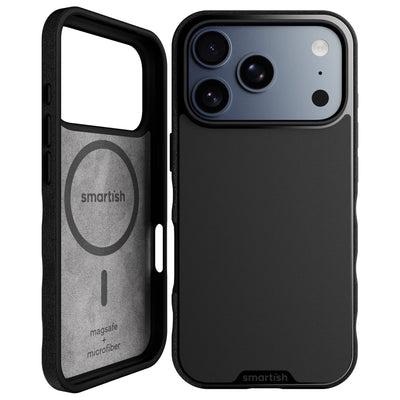
MagSafe compatibility means your case has magnets built into the back that align with Qi2 chargers. Gripmunk and Gripzilla both pack MagSafe rings, so they snap onto charging pads and hold tight. You get full 15W charging speed without removing your case.
Why Magnets Keep Things Fast
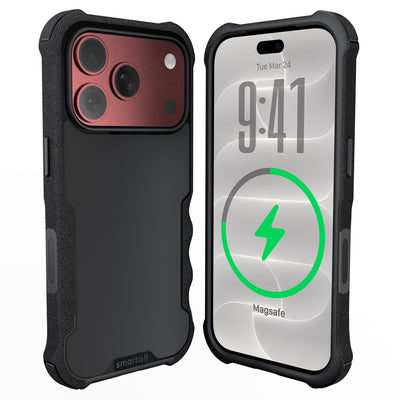
The magnets align the charging coils, reducing energy loss and heat buildup. A MagSafe-compatible case like Gripzilla charges as fast as a bare phone, despite added thickness from air-pocket corners and raised edges.
Real Talk: Not all "MagSafe-compatible" cases are equal. Look for cases with embedded magnet rings, not magnetic stickers. The difference shows up in charging consistency and how well your phone stays put on vertical stands.
Testing Wireless Chargers With Real Protective Gear
We tested chargers with Gripmunk (slim profile) and Gripzilla (thicker, protective build). Both cases maintained full 15W charging speed on Qi2 pads. The raised camera ring and air-pocket corners didn't interfere with magnetic hold or heat dissipation. Vertical stands worked without slipping during notifications or alarms.
Best Wireless Chargers for Every Setup
Single-Device Chargers: Compact and Travel-Friendly
Flat pads work well for nightstands and desks where you want minimal footprint. Look for models with non-slip bases and LED indicators that dim or turn off after connection. Qi2 certification ensures 15W output. Pack one in your bag for reliable charging anywhere with a USB-C port.
Multi-Device Stations: Phone, Earbuds, and Watch in One Spot
Three-in-one stands consolidate charging into a single hub. Your phone snaps vertically into the main pad, earbuds drop onto a secondary flat spot, and your watch wraps around a side arm. Make sure the station delivers enough total wattage to charge all three devices simultaneously without throttling.
Car Chargers: Charging on the Commute
Magnetic car mounts with built-in Qi2 charging attach to your vent or dashboard. Your phone clicks into place one-handed, starts charging immediately, and stays put through turns and bumps. Pair with a MagSafe case like Gripzilla or Gripmunk for the strongest hold. Check that your car's USB port or 12V adapter supplies enough power to reach 15W, or you'll get slower trickle charging.
Portable Pads: Power Without Outlets
Battery-powered wireless chargers combine a power bank with a Qi2 pad. Snap your phone onto the back and keep using it while it charges. Capacity ranges from 5,000 mAh (about one full charge) to 10,000 mAh (two or more charges).
| Charger Type | Best For | Key Feature |
|---|---|---|
| Flat Pad | Desk, nightstand, travel | Compact, easy to pack |
| Multi-Device Station | Bedside charging hub | Charges phone, watch, earbuds |
| Car Mount | Commutes, road trips | One-handed attachment |
| Portable Pack | Travel, outdoor use | No outlet needed |
Wireless vs. Wired: What Actually Matters for Your Routine
Speed Comparison: When Wired Still Wins
Wired charging delivers higher wattage and faster speeds. A 30W USB-C cable can charge many phones to 80% in under 30 minutes, while even Qi2.2 at 25W takes longer. Need a quick top-up before heading out? Plug in. Wireless shines when you charge overnight or at your desk.
Convenience Factor: Where Wireless Earns Its Place
Wireless charging means you drop your phone and walk away. No cable to unplug when a call comes in, less wear on your charging port, and no hunting for the right cord. For desk setups and nightstands, that simplicity adds up. Pair it with a MagSafe case and your phone stays put even on a wobbly bedside table.
Heat Management and Battery Health
Wireless charging generates more heat than wired charging because of energy loss during transfer. Modern Qi2 and Qi2.2 chargers manage this with thermal sensors that throttle output when temperatures climb. Your phone also slows charging after 80% to protect battery longevity. If you use certified chargers and keep your phone uncovered while it charges, the impact on battery health is minimal.
The Hybrid Approach: Best of Both Worlds
Keep a wired charger for emergency top-ups and a wireless pad for everyday use. Charge wirelessly overnight and at your desk, then grab a cable when you need 50% in 20 minutes.
Bottom Line: Wireless charging works best when convenience beats speed. Wired still wins for rapid charging, but Qi2's magnetic alignment makes wireless practical for daily routines without cable mess.
Smart Gear for a Wireless Setup That Actually Works
Pairing Chargers With Cases That Won't Slide Off
Gripmunk and Gripzilla feature textured edges that are grippy, not sticky, so your phone stays put on angled stands and vertical mounts. The magnetic ring locks into Qi2 chargers while air-pocket corners and raised screen edges protect against nightstand fumbles.
MagSafe Mounts and Straps That Complement Wireless Charging
Magnetic mounts stick to dashboards, gym equipment, and kitchen backsplashes. Wrist straps with built-in magnets let you charge while keeping your phone accessible during workouts or commutes. Look for mounts rated to hold at least 1,000 grams so your phone doesn't peel off when you hit a pothole.
Cable Organizers to Keep Your Desk Uncluttered
Even wireless setups need one cable to power the pad. Cable clips and weighted hubs keep that cord from disappearing behind your desk. Route your charger's USB-C cable through a desktop organizer and you'll stop fishing under furniture.
Building a Modular Charging Station
Start with a multi-device stand that charges your phone, earbuds, and watch in one spot. Add a portable Qi2 pack for days away from outlets. Keep a flat pad in your bag for hotel rooms. This modular approach means you're never stuck with a dead battery because you forgot the right charger at home.
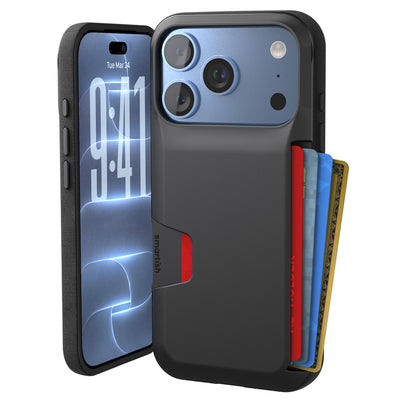
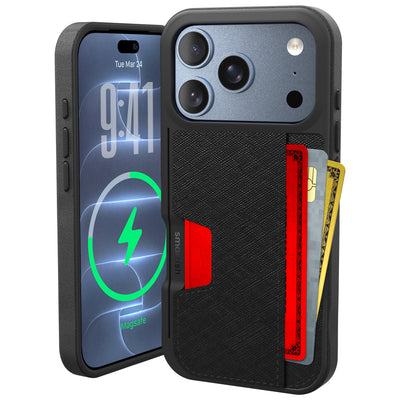
Pro Move: Pair a MagSafe wallet with your wireless charging routine. Wallet Slayer Vol. 2 detaches in seconds, so you can charge wirelessly without removing cards or cash. Stick it back on when your phone hits 100%.
Making Wireless Charging Work for Your Actual Life
The best wireless charging in 2026 combines Qi2 or Qi2.2 certification with magnetic alignment and a case that doesn't fight the technology. Choose chargers based on where you spend time: flat pads for nightstands, multi-device stations for bedside hubs, car mounts for commutes, and portable packs for travel. Pair them with MagSafe-compatible cases like Gripmunk or Gripzilla to maintain full charging speed while protecting your phone from drops, scratches, and daily chaos.
Wireless won't replace wired charging when you need a rapid top-up before running out the door, but it reduces cable wear, limits port stress, and removes the nightly hunt for the right cord. Magnetic alignment means your phone charges correctly every time, even when you're half-asleep or juggling groceries.
Build a setup that adapts to your routine instead of forcing your routine to adapt to your gear. Keep a wired cable for emergencies, use wireless for convenience, and trust that a good case won't slow down either method. Your phone is the most-used device in your life. Charging it shouldn't require thought, precision, or sacrifice.
For more detailed information about wireless technology safety regulations, visit the FCC's wireless charging page. Staying informed ensures you choose certified and safe products for your setup.
Frequently Asked Questions
What makes a wireless charger great in 2026?
If you're looking for something truly smart, you'll want a charger that runs on the Qi2 standard, or even the newer Qi2.2. These deliver 15W to 25W of power and, here's the kicker, they have magnetic alignment. That means your phone snaps right into place for fast, efficient charging every single time. It's about less fuss and more juice.
What's the difference between Qi and MagSafe for wireless charging?
Think of Qi2 as the smart foundation for fast wireless charging, guaranteeing 15W with magnetic alignment. MagSafe is Apple's specific brand that uses this Qi2 magnetic alignment technology. So, when you see "MagSafe compatible," it means your case or device has those magnets to line up perfectly with a Qi2 charger. It's all about that magnetic snap for ideal coil alignment.
How fast is 25W wireless charging compared to other options?
The latest Qi2.2 wireless chargers can hit 25W, which is pretty speedy, potentially getting your phone to a full charge in about 60 to 75 minutes. For even faster top-ups, wired charging still often wins, with a 30W USB-C cable getting many phones to 80% in under 30 minutes. It's about what fits your routine, a quick cable blast or a convenient wireless overnight charge.
What's the core technology behind MagSafe-like magnetic wireless charging?
The real smarts behind MagSafe-like charging is the Qi2 standard, which includes magnetic alignment. This means any Qi2 certified charger will magnetically snap your phone into the ideal charging spot, just like MagSafe does. It's the universal standard that brings that perfect, no-guesswork connection to your wireless charging experience.
What should I look for when choosing a new wireless charger?
When you're picking a wireless charger, definitely look for Qi2 or Qi2.2 certification to make sure you're getting 15W or 25W speeds and that sweet magnetic alignment. Think about your setup, too: a flat pad for your desk, a multi-device station for the nightstand, or a car mount for your commute. And don't forget to check if it works with your phone case, because those magnets are pretty smart about charging through protection.
Can I use a wireless charger with my phone case on?
Absolutely, and this is where Qi2 really shines. Its magnetic alignment keeps your phone's coils perfectly matched with the charger, even through cases up to 5 mm thick. If your case has built-in magnets, it'll snap on even tighter for full 15W charging speed without needing to take it off. It's all about keeping your phone protected and powered up.
How much faster is Qi2.2 wireless charging compared to older methods?
The new Qi2.2 standard delivers up to 25W, which is a big jump from older Qi chargers that often maxed out at 7.5W or 10W. With Qi2.2, you might see your phone go from 0% to a full charge in about 60 to 75 minutes. Compare that to legacy Qi, which could take over 90 minutes for a full charge, and you'll really feel the speed difference.