



best wireless charging android
Best Wireless Charging for Android: What Actually Works
Wireless charging makes life easier, but not all pads work with Android. The right setup pairs Qi or Qi2 tech with your phone's wattage ceiling, charges through your case, and skips the overheating mess. Whether you rock a Samsung Galaxy, Google Pixel, or another flagship, here's what you need to know.
For most Android users, a Qi2-certified 15W pad hits the speed-compatibility balance. Pair it with a slim, MagSafe-compatible case like Gripmunk or Gripzilla to keep protection and charging seamless.
What Makes the Best Wireless Charger for Android Phones
Qi vs Qi2: Why Magnets Matter
Qi2 adds magnetic alignment borrowed from MagSafe, snapping your device into place every time. Fewer failed charges, better heat management. If your phone supports Qi2 or you use a compatible case, charging becomes reliable without guesswork.
Charging Speeds Across Top Android Brands
Samsung Galaxy flagships charge at 15W. Google Pixel maxes around 12W. OnePlus and other brands vary. Check your phone's spec sheet. A higher-wattage charger won't hurt, but your device caps the speed.
Common Pain Points and How to Spot Them
Overheating, slow trickle charging, and misalignment plague cheap pads. Look for chargers with built-in fans or heat dissipation, Qi or Qi2 certification, and grippy surfaces. If your case is thicker than 3 mm or has metal parts, you may need to swap it out.
Do Phone Cases Mess with Wireless Charging?
Thick vs Slim Cases: What Actually Works
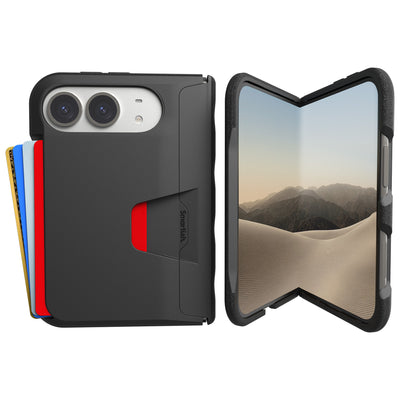
Cases under 3 mm charge fine. Wallet cases or ultra-protective shells can block the coil connection. Slim cases with air-pocket corners and raised edges deliver protection without forcing you to remove your case every charge.
MagSafe-Compatible Cases for Seamless Charging
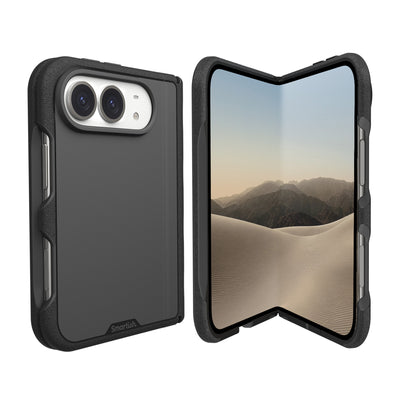
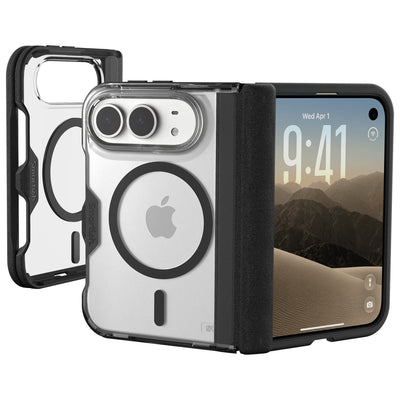
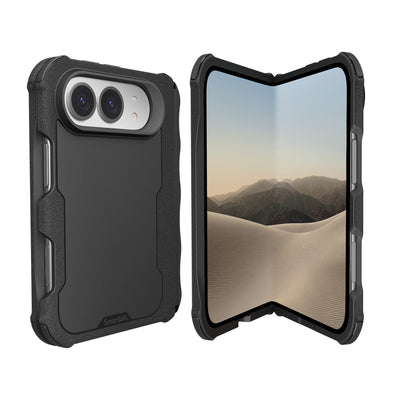
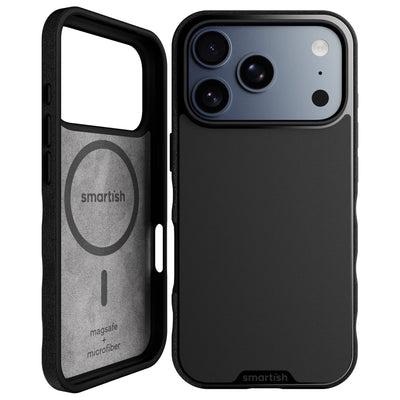
Gripmunk (slim) and Gripzilla (protective) both work with MagSafe and Qi2 chargers, snapping into place for consistent alignment. Protective air-pocket corners act like airbags for your phone. Raised screen edges keep your phone safe face-down. The raised camera ring guards your lenses on the back.
Pro Tip: MagSafe compatibility doesn't add bulk or reduce protection. Gripmunk and Gripzilla are both drop-tested.
Tips for Seamless Charging with Protection
Center your phone on the pad or let magnets do the work with Qi2. Remove metal rings, PopSockets, or thick wallet attachments before charging. If your case is customizable, skip metallic designs that interfere with the coil.
Pick Your Perfect Wireless Charger Setup
What to Look for in a Charger
Match the wattage to your phone. Galaxy users should aim for 15W pads, Pixel users for 12W. Grab a Qi2 pad if you want magnetic alignment. Pair it with a slim case that won't block the signal.
Value Picks That Actually Perform
Look for certified chargers with heat management and solid reviews. Skip the flashy brands charging extra for the same internals. Well-designed pads at fair prices beat overpriced options every time.
Future-Proofing Your Setup
Qi2 is the new standard, so investing now means your setup works with future phones. Pair it with Gripmunk or Gripzilla for a case that adapts as you upgrade.
Top Wireless Chargers for Android in 2026
Best Qi2 Pads for Samsung Galaxy and Google Pixel
Qi2-certified pads with magnetic alignment deliver consistent charging. Look for models with active cooling fans to prevent throttling during long sessions. Magnetic snapping eliminates alignment frustration that wastes time and battery cycles.
Standout Stands and Multi-Device Options
Angled stands let you see notifications while charging, perfect for desk setups or bedside tables. Multi-device pads charge your phone, earbuds, and smartwatch simultaneously. Choose stands with adjustable viewing angles and non-slip bases that keep devices stable during video calls or alarm dismissals.
Pros
- Magnetic Qi2 pads eliminate misalignment errors
- Active cooling helps prevent heat-related slowdowns
- Multi-device charging consolidates your setup
- Adjustable stands adapt to different viewing needs
Cons
- Qi2 pads cost more than basic Qi models
- Multi-device chargers require higher-wattage adapters
- Stands take up more desk space than flat pads
Budget Picks That Don't Overheat
Certified Qi pads at accessible price points still hit 10W to 15W speeds. Skip bells and whistles like LED rings or fabric covers that add cost without improving function. A simple, well-engineered pad with proper certification beats flashy designs that overheat or charge inconsistently.
Car and Portable Chargers for Android on the Go
Mounts and Pads for Commutes and Road Trips
Car mounts with wireless charging clip to vents or dashboards, keeping your phone visible for navigation while topping up the battery. Qi2 versions with magnetic grips hold tight through bumps and sharp turns. Pair with a slim case like Gripmunk to maintain MagSafe compatibility without bulk that blocks air vents or charging coils.
Power Banks with Wireless Charging
Portable batteries with built-in Qi pads let you charge on park benches, airport lounges, or hiking trails without hunting for outlets. Look for 10,000 mAh or higher capacity to refill your phone multiple times. Models with pass-through charging let you recharge the bank and your phone simultaneously when you find a wall socket.
Pairing Chargers with Grips and Straps
Phone grips and straps can interfere with wireless charging if they sit over the coil zone. Position accessories near the bottom edge or use detachable options that pop off before charging. Smartish cases with finger grooves keep a secure hold without blocking the charging surface.
Wireless Charging Myths Busted
Does Wireless Charging Damage Your Battery?
Wireless charging generates more heat than wired, but modern phones throttle power to protect battery health. Qi- and Qi2-certified chargers include temperature sensors that pause charging when things get too hot. Using a quality pad with active cooling and a case that doesn't trap heat keeps your battery safe through thousands of charge cycles.
Speed vs Convenience: The Real Tradeoff
Wired charging still beats wireless for raw speed, hitting 25W or higher on many Android flagships. Wireless maxes around 15W, adding 30 to 60 minutes to a full charge. The convenience of dropping your phone on a pad without fumbling with cables makes up for the slower speed during overnight charging or desk work sessions.
Alignment Beats Wattage Every Time
A perfectly centered phone on a 10W pad charges faster than a misaligned device on a 15W charger. Qi2 magnetic snapping solves this by locking your phone into the optimal position. If you're sticking with standard Qi, look for pads with larger coil areas or visual alignment guides.
Building a Complete Charging Ecosystem
Bedroom, Office, and Car Strategy
Place a Qi2 pad on your nightstand for overnight charging, a stand on your desk for notifications, and a car mount for navigation. This three-point setup keeps your phone topped up throughout the day. Consistent placement builds muscle memory.
Case Rotation and Charging Compatibility
If you swap cases for different occasions, stick with MagSafe-compatible options like Gripmunk and Gripzilla. Both cases work with the same chargers, so you skip the frustration of cases that block coils or force you to remove protection before charging.
Travel with a Minimal Charging Kit
Pack a compact Qi2 pad and a USB-C cable for hotel rooms and airport lounges. A slim case keeps your phone protected without taking up luggage space. Power banks with wireless charging eliminate the need for extra cables, letting you charge on planes or long bus rides.
Smart Move: A single Qi2 pad paired with MagSafe-compatible cases covers home, office, and travel charging needs without carrying multiple adapters or swapping cases.
Your Wireless Charging Game Plan
Grab a Qi2-certified pad for magnetic alignment that eliminates charging fails. Pair it with Gripmunk or Gripzilla for drop-tested protection that doesn't block the coil. Both cases work with Qi2 chargers and feature air-pocket corners, raised screen edges, and raised camera rings.
Build your ecosystem: nightstand pad for overnight charging, desk stand for notifications, car mount for navigation. Your phone stays topped up without cable hunting.
Qi2 works with future phones, so you're set for the next upgrade cycle.
Frequently Asked Questions
Is 10W or 15W better for wireless charging?
For most Android phones, 15W is faster, but your phone sets the speed limit. Samsung Galaxy flagships can hit 15W, while Google Pixel phones usually max out around 12W. So, a 15W pad is great for Samsung, but a Pixel won't use all those extra watts. No need to pay for speed your phone can't handle, right?
Is Qi or MagSafe better?
Qi is the original standard, but Qi2 is the new hotness. Qi2 brings magnetic alignment, a trick borrowed from MagSafe tech, which means your Android phone snaps into the charging sweet spot every single time. This magnetic magic means more reliable charging and less overheating drama. It's about charging smarter, not harder.
Can I leave my phone on a wireless charger overnight?
Absolutely, you can leave your phone on a good wireless charger overnight. The best Android chargers have built-in heat dissipation or fans to keep things cool. Just make sure your charger is Qi or Qi2 certified to avoid any overheating issues and ensure a consistent charge.
What's the fastest wireless charger for Samsung?
For Samsung Galaxy flagships, a 15W wireless charger is the fastest you'll get. Pairing it with a Qi2-certified pad is a smart move because the magnetic alignment ensures your phone always hits that 15W sweet spot. This means quicker, more reliable top-ups for your Samsung device.
How do phone cases affect wireless charging?
Thick phone cases, especially those over 3 mm or with metal bits, can definitely mess with wireless charging. They can block the coil connection, leading to slow charging or no charge at all. Slim cases are the way to go, offering protection without getting in the way of your power-up.
What are common issues with wireless charging for Android?
Common headaches with wireless charging for Android include overheating, super slow trickle charging, and misalignment. You can usually spot a cheap pad by these issues. Look for chargers with built-in heat management and grippy surfaces to keep your phone happy and charging efficiently.
Why should I consider a Qi2 charger for my Android phone?
Investing in a Qi2 charger for your Android phone is a pretty smart move. It brings magnetic alignment, which means your phone always snaps into the perfect charging position, preventing those annoying failed charges. Plus, Qi2 is the new standard, so your setup will be ready for future Android phones.