




Best protective phone case
Your phone can survive a lot, but the sidewalk remains undefeated. The best protective phone case isn’t necessarily the thickest one on the shelf. Look for dependable grip, covered corners, a raised screen edge, camera clearance, and a fit that feels good enough to use every day.
Key Takeaways
- Thickness tells you nothing about how well a case will actually perform when your phone hits the pavement.
- A dependable grip does more for drop prevention than any amount of bulky armor ever could.
- Covered corners, raised screen edges, and proper camera clearance are the quiet design details that earn your trust over time.
- The right case should feel like a natural extension of your phone, not a brick you tolerate for the sake of protection.
That’s the approach behind this guide. We’re focusing on the details that matter during commutes, errands, travel, and outdoor adventures: handling, coverage, pocket comfort, card storage, and MagSafe compatibility. For iPhone 17 shoppers, check the exact product listing for the right fit and camera layout.
What Makes a Phone Case Protective?
A protective case should cover the areas most likely to meet the floor: corners, edges, the screen area, and the cameras. It should also fit your exact phone model, stay comfortable in your hand, and leave buttons and ports usable.
The Details That Matter
A raised screen edge helps keep the display away from many flat surfaces during a face-down landing. A raised camera ring helps keep lenses off tables, desks, and that mysterious crumb colony near your laptop.
Grip matters just as much. Textured sides and finger grooves can give you more control while texting, taking photos, or carrying too many grocery bags at once. A grippy case that isn’t sticky is easier to live with than a slippery shell or a pocket-catching rubbery case.
Why “Military-Grade” Doesn’t Tell the Whole Story
“Military-grade” can describe a specific test, such as a particular drop height, angle, surface, or number of impacts. The phrase alone doesn’t tell you whether the case fits comfortably, protects the camera bump, works with your charger, or helps prevent the first drop through better grip.
For everyday use, compare coverage, handling, fit, and compatibility before chasing a dramatic number on a package. Gravity stays undefeated, but your case doesn’t need to be a padded lunchbox.
Which Protective Phone Case Fits Your Routine?
The right case depends on the job. Gripzilla is the protective pick, Gripmunk keeps things slimmer, and Wallet Slayer Vol. 1 or Vol. 2 adds card storage. Check the listing for your exact device before ordering; camera layouts, button details, and available features can vary by model.
| Pick | Case | Best for | Standout features | Device compatibility |
|---|---|---|---|---|
| 1 | Smartish Gripzilla with MagSafe | Protective everyday carry | See the Gripzilla with MagSafe product listing for details | Check the product listing for your device |
| 2 | Smartish Gripmunk with MagSafe | Slimmer everyday carry | See the Gripmunk with MagSafe product listing for details | Check the product listing for your device |
| 3 | Smartish Wallet Slayer Vol. 2 | Phone-and-wallet carry | See the product listing for details | Check the product listing for your device |
Gripzilla With MagSafe
Best for: Protective everyday carry.
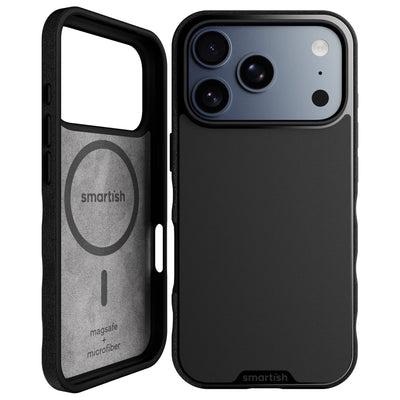
Gripzilla has a rigid backplate, textured sides, air-pocket corners, a raised screen edge, and a raised camera ring. It’s drop tested and compatible with MagSafe accessories. Choose it when coverage matters more than the thinnest possible profile.
Gripmunk With MagSafe
Best for: Slim protection.
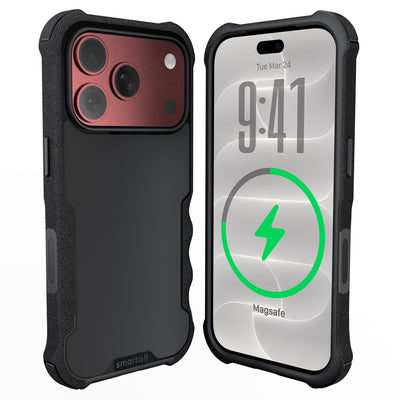
Gripmunk offers a lower-profile design with textured sides, air-pocket corners, a raised screen edge, and a raised camera ring. It’s drop tested and compatible with MagSafe accessories. A good fit for commuters, desk workers, and anyone who wants protection without extra pocket drama.
Wallet Slayer Vol. 2
Best for: Carrying cards with your phone.
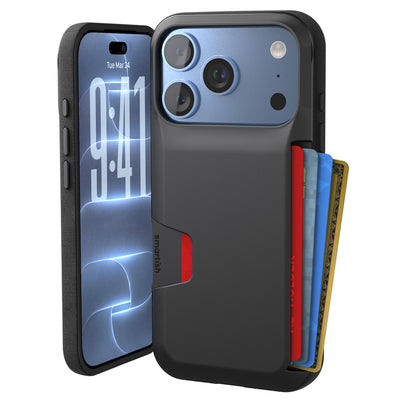
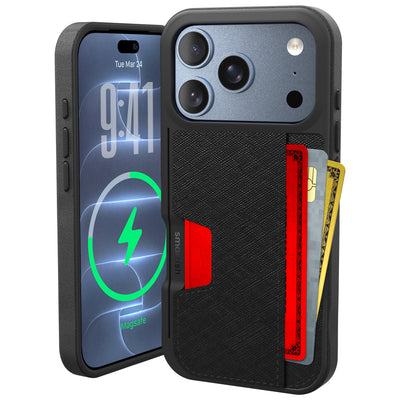
Wallet Slayer Vol. 2 combines phone protection with card storage and includes a kickstand. It is thicker than a slim case, so compare the added storage with your usual pocket or bag setup. Confirm the exact phone model and available features before ordering.
For iPhone 17, Samsung Galaxy, and Google Pixel shoppers, the precise device listing matters. Check the camera layout, button placement, port access, and charging compatibility. The best protective phone case is the one you’ll keep on your phone because it fits your routine. Not just the one with the loudest claim.
Choose Features, Not a Top-10 List
A “top 10 phone case brands” list can be a useful starting point, but name recognition doesn’t replace fit. Compare the features that affect your day: grip, camera coverage, card access, kickstand use, and charging compatibility.
Pros
- Gripzilla, Gripmunk, and Wallet Slayer Vol. 2 serve different routines.
- Air-pocket corners, raised screen edges, and camera rings address everyday contact points.
- Gripmunk and Gripzilla are MagSafe compatible.
Cons
- Features and fit vary by phone model.
- Wallet cases are thicker than slim cases.
- A wallet case isn’t ideal if you prefer carrying your phone and wallet separately.
How Do Case Coverage and Grip Help?
Case protection comes from a mix of coverage, materials, fit, and handling. Air-pocket corners and impact-absorbing edges help manage everyday bumps, while a raised screen edge and camera ring help keep vulnerable surfaces away from tables and floors.
The Physics of a Butterfingers Moment
A drop is a short physics lesson nobody requested. When a phone hits the floor, its downward motion has to stop somewhere. Coverage around the corners and edges gives the case more material to handle that contact during ordinary drops from a pocket, counter, or waist height.
Grip can help before impact. Textured sides and finger grooves give your hand more control while scrolling, taking photos, or juggling daily errands. The best texture feels secure without catching on your pocket.
Grippy, Not Sticky: The Pocket Test
Slide the case into jeans, a jacket pocket, or a purse. Then remove it with one hand. If it stays stable in your hand without tugging at the fabric, it’s better suited to everyday carry.
Does a Thicker Case Protect Better?
Not automatically. More material can add coverage, but thickness is only one part of the decision. Look at corner protection, screen and camera clearance, grip, fit, and whether you’ll actually keep the case on your phone.
How Does MagSafe Compatibility Work?
MagSafe compatibility means the case is designed to work with compatible magnetic chargers, mounts, wallets, or stands. Gripmunk and Gripzilla are marketed as MagSafe-compatible options. Wallet Slayer Vol. 1 and Vol. 2 are not MagSafe cases, so confirm your charging setup before ordering.
Magnetic alignment and wireless charging are related but separate features. Check the case and accessory listings for your exact phone model. A case can protect well without supporting magnetic accessories.
Can a Slim Case Still Offer Protection?
Yes. A slim case can protect well if it covers the corners, edges, screen area, and cameras while giving you a steady grip. Gripmunk is the slimmer option; Gripzilla offers a more protective profile with a rigid backplate. Both are MagSafe compatible and drop tested.
Pros
- Gripmunk offers a lower-profile option for everyday carry.
- Gripzilla adds a more protective design with a rigid backplate.
- Both options include MagSafe compatibility.
Cons
- Magnetic accessories need a compatible phone, case, and charger or mount.
- Maximum pocket slimness and maximum coverage are different priorities.
- Wallet cases trade a slimmer profile for card storage.
Frequently Asked Questions About Protective Cases
Good case selection considers fit, screen coverage, camera clearance, grip, and charging setup.
| Question | Short answer |
|---|---|
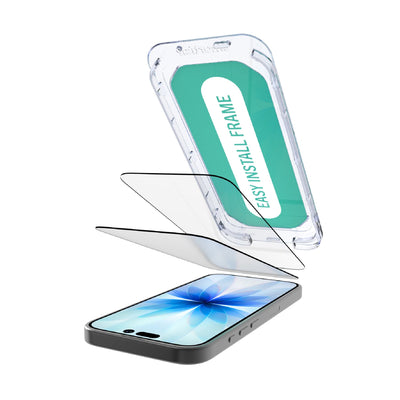
| Do I need a screen protector if my case has a raised lip? | A raised lip helps keep the display away from many flat surfaces, yet it cannot address every scratch or face-down drop. A properly fitted screen protector is a separate accessory to consider. Make sure it does not interfere with the case edge or touch sensitivity. |
| Do protective cases work with MagSafe chargers and mounts? | Some do. A case must have compatible magnetic alignment and enough clearance for the charger or mount to connect securely. Confirm the product listing for your specific phone model. A case without MagSafe support may still protect well, but it should not be expected to work with magnetic accessories. |
The Best protective phone case is the one that matches your actual routine, from pocket carry and one-handed grip to charging habits and screen protection. Choose the features you will use every day, not just the loudest promise on the box.
Frequently Asked Questions
Is anything better than OtterBox?
The best protective phone case depends on your daily routine, not just brand recognition. A case that offers textured grip, raised screen edges, camera ring protection, and corner coverage can outperform bulky options if it matches how you actually use your phone. Smartish options like Gripzilla and Gripmunk balance real-world protection without turning your phone into a padded lunchbox.
What is the #1 phone case?
No single case earns the top spot because the best protective phone case varies by person. A commuter might want slim edges and secure grip, while someone working around concrete needs more coverage. The right pick covers your screen, cameras, corners, and buttons while staying comfortable enough to actually carry every day.
What is the most protective type of case?
The most protective phone cases prioritize full coverage of corners, edges, screen, and camera areas with textured sides for dependable grip. A raised screen edge prevents face-first landings, and a raised camera ring keeps lenses off dirty surfaces. Cases that help prevent the first drop through better handling matter more than ones built for theatrical lab stunts.
What phone case has the highest drop protection?
Drop protection claims like "military-grade" sound impressive but tell you little about real-world safety. A test label may describe a controlled drop height and angle but does not explain whether the case stays pocket-friendly or protects your camera bump. Coverage, handling, and fit serve as more practical buying criteria than a giant number printed on a package.
What makes a phone case actually protective?
A genuinely protective phone case starts with coverage where your phone meets the floor: edges, back, screen, and camera. Textured sides provide grip so the case does not cause the drop it claims to prevent. A raised screen edge and raised camera ring keep vulnerable areas from making direct contact with surfaces during everyday fumbles.
Are thick phone cases more protective?
Thicker does not automatically mean more protective when shopping for the best protective phone case. A case so bulky that you avoid carrying it has already missed the point, no matter what the spec sheet promises. Practical coverage, pocket comfort, and grip that helps prevent drops before they happen matter far more than raw thickness.
What should I look for in a protective phone case?
Look for a case that covers the screen, cameras, corners, and buttons while remaining comfortable to hold every day. Compare fit, camera coverage, card access, and charging compatibility based on how you actually use your phone. Textured sides, a raised screen edge, and a raised camera ring are practical details that matter more than marketing labels.