




Key Takeaways
- The iPhone 17 is considered the best iPhone model for most buyers in 2026.
- It offers a balanced combination of features, performance, and price.
- The iPhone 17 is priced at $799.
- It includes the A19 chip and 8GB RAM found in the entire 16/17 series.
- The model delivers smooth Apple Intelligence features without the higher cost of Pro versions.
Table of Contents
- Best iPhone Model Overall in 2026 – iPhone 17 Wins for Balance
- Full iPhone Lineup Breakdown – 7 Models from $599 to $1,199+
- Key Specs Decoded – What Makes an iPhone "Best" for You
- How to Pick Your Perfect iPhone – Step-by-Step Decision Framework
- Head-to-Head Comparisons – 4 Key Matchups with Criteria
- Best iPhones for Specific Needs – Top Picks by Use Case
Best iPhone Model Overall in 2026 – iPhone 17 Wins for Balance
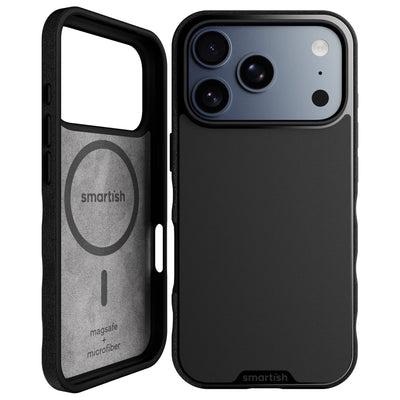
The iPhone 17 emerges as the best iPhone model for most buyers in 2026, striking the perfect balance between features, performance, and price. At $799, it packs the same A19 chip and 8GB RAM found across the entire 16/17 series, ensuring smooth Apple Intelligence features without the bulk or cost of Pro models. For those seeking a case that complements the iPhone 17's sleek design, Gripmunk offers slim, grippy protection that doesn't add unnecessary bulk.
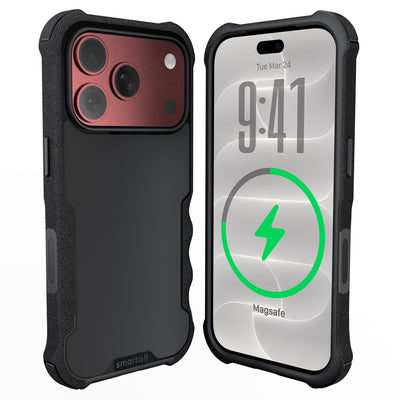
Compare your current phone's dimensions using Apple's online size tool before deciding. The iPhone 17's balanced approach means you're not sacrificing essential features for portability or overpaying for professional tools you won't use. If you prefer a more rugged option, Gripzilla provides extra durability for those who need added drop protection.
Why iPhone 17 Tops the Lineup
The 6.1" screen size hits the sweet spot for one-handed use while maintaining excellent readability. Test this in-store by holding the device for 30 seconds, your thumb should comfortably reach the top corners. The A19 chip delivers identical performance to the Pro Max for everyday tasks, from gaming to video streaming.
Compare your current phone's dimensions using Apple's online size tool before deciding. The iPhone 17's balanced approach means you're not sacrificing essential features for portability or overpaying for professional tools you won't use.
Quick Model Rankings
| Category | Model | Price | Key Strength |
|---|---|---|---|
| Overall Best | iPhone 17 | $799 | Perfect balance |
| Longest Battery | iPhone 16 Pro Max | $1,199 | 33-hour video |
| Budget Pick | iPhone 16e | $599 | Essential features |
| Thinnest | iPhone 17 Air | $999 | 6mm profile |
Real-World Scenario: Daily Driver for Tech Enthusiast Ted
Upgrading from an iPhone 14 to the iPhone 17 unlocks Apple Intelligence capabilities, real-time transcription, Genmoji, and Visual Intelligence, without the Pro model's added bulk. The performance jump from A15 to A19 delivers noticeably faster app launches and smoother multitasking for power users who demand reliability.
Full iPhone Lineup Breakdown – 7 Models from $599 to $1,199+

Apple's 2026 lineup spans seven models across two generations, offering clear upgrade paths for every budget and use case. Understanding the positioning helps you identify the best iPhone model for your specific needs without overspending on unused features.
iPhone 17 Series (2025 Flagships)
The iPhone 17 ($799, 6.1") leads as the best overall choice, while the 17 Pro ($1,099, 6.3") and Pro Max (6.9") cater to professionals needing advanced cameras and larger screens. The new iPhone 17 Air ($999) delivers the thinnest profile at roughly 6mm, targeting users prioritizing portability over battery life.
Measure your pocket depth before choosing the Pro Max, aim for at least 170mm to ensure comfortable carrying. The 6.9" screen excels for media consumption but challenges one-handed operation. For a deep dive into the latest features and design, read this iPhone 17 blog post for expert insights.
iPhone 16 Series Holdovers (Still Relevant in 2026)
The iPhone 16e ($599) serves budget-conscious buyers with essential features, while the iPhone 16 and 16 Plus ($699+) occupy the midrange with A18 chips. All 16-series models maintain feature parity on core performance, making them viable alternatives when the latest generation exceeds your budget. If you're considering the iPhone 16e, check out cases designed for iPhone 16e to protect your investment.
Generations Explained: Naming, Release Cycles
Apple releases new iPhones every September with five-year software support timelines. The iPhone 17 receives iOS updates through 2032, while the iPhone 16 extends to 2031. Check your current model's support status on Apple's website to plan upgrade timing around security updates ending.
Key Specs Decoded – What Makes an iPhone "Best" for You
Understanding core specifications helps you identify which features justify higher prices versus marketing hype. Focus on processors, displays, cameras, and battery life as the primary differentiators across models.
Processors and RAM: A18/A19 Tiers
All iPhone 16 and 17 models include 8GB RAM, ensuring smooth multitasking and Apple Intelligence compatibility. The A18 and A19 chips deliver identical performance for everyday tasks, web browsing, social media, and streaming show no practical differences between generations.
Benchmark your current phone using the Geekbench app. Single-core scores above 7,000 indicate sufficient performance for the next 3-4 years, while scores below 4,000 suggest immediate upgrade benefits.
Displays: Size, Brightness, ProMotion (120Hz on Pros)
The iPhone 17 Pro delivers 2000 nits peak brightness versus 1000 nits on standard models, making outdoor visibility significantly better in direct sunlight. ProMotion's 120Hz refresh rate on Pro models creates smoother scrolling and gaming, though most users adapt quickly to 60Hz on standard iPhones.
| Model | Screen Size | Refresh Rate | Peak Brightness |
|---|---|---|---|
| iPhone 17 | 6.1" | 60Hz | 1000 nits |
| iPhone 17 Pro | 6.3" | 120Hz | 2000 nits |
| iPhone 17 Air | 6.1" | 60Hz | 1000 nits |
Cameras: From 48MP Main to Pro LiDAR
All current iPhones feature 48MP main cameras with identical image quality for daylight photography. Pro models add telephoto lenses and LiDAR for faster autofocus in low light. Test camera performance by shooting in dim conditions, look for ISO values below 1000 for the cleanest results.
The practical difference emerges in zoom capability and professional video features like ProRes recording, which most casual photographers won't utilize regularly. For more on camera advancements, see this iPhone 17 Pro blog post covering photography features in depth.
Battery Standards: Up to 33 Hours Video (Pro Max)
Battery life varies dramatically across models, from 20 hours on the iPhone 17 Air to 33 hours on the Pro Max. Conduct a personal drain test by streaming 4K video for one hour and noting the percentage drop, this reveals real-world usage patterns better than manufacturer claims. If battery life is your top priority, explore cases for iPhone 16 Pro Max to keep your device protected during long days.
Factor in wireless charging habits and daily screen time when choosing between standard and Max models for optimal battery performance.
Pricing Tiers: $599 Budget to $1,199+ Premium
Set a firm budget ceiling before shopping, then subtract your trade-in value, iPhone 13 models typically fetch $200-300 on secondary markets. Apple's financing spreads costs over 24 months at 0% interest, making premium models more accessible without upfront payment shock.
How to Pick Your Perfect iPhone – Step-by-Step Decision Framework
Choosing the best iPhone model requires matching your specific needs to available features rather than defaulting to the newest or most expensive option. This systematic approach prevents overspending while ensuring you get essential capabilities.
Step 1: Nail Your Budget and Trade-In Value
Check your current iPhone's resale value on Swappa before visiting stores, this realistic quote helps set your actual upgrade budget. Back up your data first, then factory reset after transferring to maximize trade-in value and protect personal information.
Apple's Upgrade Program costs $66 monthly for the iPhone 17 over 24 months, while carrier deals often include hidden activation fees. Buy unlocked directly from Apple for maximum flexibility with SIM swaps and carrier changes.
Step 2: Match Size to Lifestyle (6.1" Compact vs. 6.9" Max)
Weight matters for daily carry, the iPhone 17 weighs 6 ounces versus 8 ounces for Pro Max models. Request a dummy model from Apple Store staff and carry it for a full day to test pocket comfort and one-handed usability before committing.
Consider your primary use cases: media consumption favors larger screens, while active lifestyles benefit from compact, secure grip options. For more advice on choosing the right protection, see this guide to the best case for iPhone models.
Step 3: Assess Performance Needs (Gaming? AI?)
Run demanding games like PUBG at 60FPS settings, all current iPhone models handle this smoothly, indicating sufficient power for 3-4 years. Apple Intelligence features work identically across the entire 16/17 lineup, eliminating performance-based upgrade pressure.
Focus budget on storage and camera features rather than processor upgrades within the same generation.
Step 4: Storage Math – 128GB Minimum, Calculate Yours
Calculate your storage needs using this formula: (photo count × 5MB) + (4K video hours × 400MB) = baseline requirements. Most users benefit from 256GB for photo-heavy usage, while 128GB suits minimal media storage with iCloud backup.
Enable iCloud's 50GB plan ($0.99 monthly) to offload older photos automatically, reducing local storage pressure without losing access to memories.
Step 5: Pro vs. Standard – Do You Need 120Hz or LiDAR?
Choose Pro models only if you regularly shoot professional video or require telephoto zoom for photography work. The $300 price difference between iPhone 17 and 17 Pro buys significant storage upgrades or quality accessories for most users.
Standard models deliver identical core performance for social media, web browsing, and casual photography that dominates typical smartphone usage.
Head-to-Head Comparisons – 4 Key Matchups with Criteria

Direct model comparisons reveal which best iPhone model fits specific priorities, from battery longevity to budget constraints. These matchups focus on practical differences that impact daily usage rather than minor spec variations.
iPhone 17 Pro Max vs. iPhone 17 – Flagship vs. Balanced
| Aspect | 17 Pro Max | 17 | Winner |
|---|---|---|---|
| Battery Life | 33 hours video | 27 hours video | Pro Max |
| Camera System | 48MP telephoto + LiDAR | 48MP main only | Pro Max |
| Price Point | $1,199 | $799 | 17 |
| Portability | 6.9" screen, 8oz | 6.1" screen, 6oz | 17 |
Choose Pro Max for outdoor adventures requiring telephoto zoom and all-day battery without charging breaks. The iPhone 17 wins for balanced daily use where the $400 savings buys quality accessories and extended AppleCare coverage. For more on the Pro Max, read this iPhone 17 Pro Max blog post for a detailed comparison.
iPhone 17 vs. iPhone 16 – Worth the Upgrade?
The A19 chip delivers 10% faster performance than A18, with improved battery efficiency extending usage by 2-3 hours daily. Both models support identical Apple Intelligence features, making the upgrade valuable primarily for users keeping phones 4+ years. If you're considering the iPhone 16, explore cases for iPhone 16 to keep your device protected.
iPhone 16 remains excellent for immediate needs at $100 less, while iPhone 17 provides better long-term value through extended software support and refined thermal management.
iPhone 17 Pro vs. iPhone Air – Power vs. Portability
iPhone Air's 6mm thickness makes it notably more comfortable for extended holding, while the Pro's additional RAM handles intensive video editing smoothly. At $999, the Air splits the difference between standard and Pro pricing while delivering flagship performance. If portability is your top concern, check out cases for iPhone 17 Air for slim, lightweight protection.
Choose Air for maximum portability without sacrificing core capabilities, or Pro for professional creative workflows requiring sustained performance under load.
iPhone 16e vs. iPhone 16 – Budget Showdown
iPhone 16e lacks MagSafe compatibility and offers shorter battery life, but includes the same A18 processor for identical app performance. Test battery endurance during an 8-hour workday to determine if the $100 savings justifies reduced wireless charging convenience. For those who rely on wireless charging, explore MagSafe accessories to enhance your experience.
The standard iPhone 16 provides better long-term value through MagSafe accessory compatibility and extended battery longevity for moderate usage patterns. For a comprehensive list of iPhone models and their specs, see this external resource.
Best iPhones for Specific Needs – Top Picks by Use Case
Matching the best iPhone model to specific workflows prevents overspending on unused features while ensuring optimal performance for priority tasks. These targeted recommendations address real-world usage scenarios.
Best for Photography: iPhone 17 Pro (LiDAR Focus)
LiDAR enables faster autofocus in challenging lighting, while telephoto zoom captures distant subjects without quality loss. Use Night mode with 3-second handheld stability for optimal low-light results, and test 5x optical zoom at maximum distance for event photography.
The Pro's ProRAW format provides professional editing flexibility that standard models cannot match for serious photography work.
Best for Gaming: iPhone 17 (A19, Consistent 60FPS)
The A19 chip maintains steady frame rates during extended gaming sessions while generating less heat than previous generations. On-the-go Owen benefits from the balanced 6.1" screen size that doesn't strain hands during mobile gaming marathons.
Standard models avoid the Pro's unnecessary features while delivering identical gaming performance at $300 less cost.
Best Battery: iPhone 16 Pro Max (33hrs Video)
Pro Max models consistently deliver 25-30% longer battery life than standard sizes across all usage patterns. The larger battery capacity handles heavy usage without midday charging, making it ideal for travel and outdoor activities. For more technical details on iPhone hardware, visit GSMArena's Apple phones page.
Best Budget: iPhone 16e ($599 Essentials)
iPhone 16e delivers core iPhone experience with A18 performance at the lowest price point. Missing MagSafe and reduced battery life represent acceptable compromises for users prioritizing affordability over convenience features.
Best for Business/Students: iPhone 17 (AI Transcription)
Apple Intelligence features like real-time transcription and enhanced Siri capabilities streamline productivity workflows. The balanced price point fits educational and professional budgets while providing 5+ years of software support.
Frequently Asked Questions
What makes the iPhone 17 the best overall iPhone model for most buyers in 2026?
The iPhone 17 strikes the perfect balance of features, performance, and price at $799. It offers a 6.1" display, the powerful A19 chip, and 8GB RAM, delivering smooth Apple Intelligence without the higher cost or bulk of Pro models.
How does the iPhone 17's performance compare to the Pro and Pro Max models?
The iPhone 17 shares the same A19 chip and 8GB RAM as the Pro and Pro Max models, providing nearly identical performance for everyday tasks like gaming and streaming. It offers top-tier speed without the extra features or price of the Pro versions.
What are the key differences between the iPhone 17 and other models in the 2026 lineup?
Compared to other 2026 models, the iPhone 17 balances size, price, and features with its 6.1" screen and $799 price point. Budget models like the iPhone 16e offer fewer features at a lower price, while Pro models add advanced camera and battery options at a premium cost.
Which iPhone model is best suited for users looking for a budget-friendly option without sacrificing essential features?
The iPhone 16e is the best budget-friendly choice, priced at $599. It covers essential features and performance for everyday use without the higher price tag of newer or Pro models.
2026 Update: What to Recheck Before Acting on best iphone for students 2026
This refresh adds a current decision framework for readers comparing options around best iphone for students 2026. Recheck the offer, implementation requirements, pricing model, support expectations, and proof points before choosing a provider or product.
For the best result, compare practical fit instead of relying on feature lists alone: how quickly the solution can be implemented, what data or integrations it needs, where it creates measurable value, and whether it fits the workflow your team will actually use.