




Key Takeaways
- Using both wired and MagSafe charging methods properly can help extend your iPhone's battery life.
- Understanding iOS's built-in battery protection features is essential for effective charging.
- Working with iOS's protections, rather than against them, optimizes your charging experience.
Table of Contents
- Types of iPhone Chargers – Match Yours to Real Life
- Key Features That Make Chargers Actually Useful
- How to Fast Charge Any iPhone Model Right Now
- MagSafe Chargers vs Wired – Speed, Convenience, Battery Impact
- Best Chargers for 2026 iPhones – By Lifestyle and Model
- iPhone Battery Optimization – Charge Smarter, Last Longer
- Troubleshooting: Fix Slow, Wonky, or No-Charge Issues Fast
Types of iPhone Chargers – Match Yours to Real Life
USB-C chargers rule daily hustles because they're fast, universal, and work with everything from laptops to earbuds. iPhone 15, 16, and 17 models all use USB-C ports, making cable management finally simple. Older iPhones still need Lightning cables, but the charging speed depends on your adapter's wattage, not the connector type.
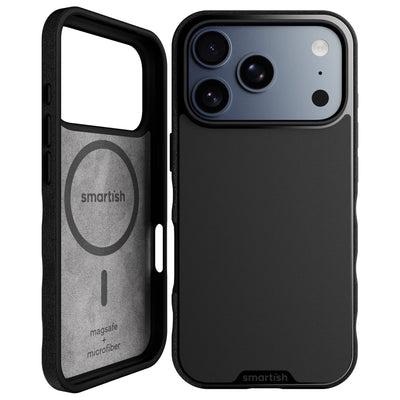
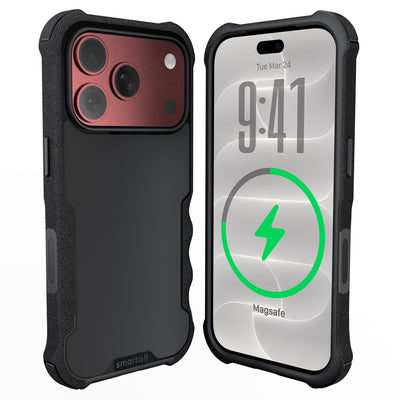
MagSafe snaps into perfect alignment every time, eliminating the wireless charging guesswork. Standard Qi delivers up to 7.5W for iPhones, while Qi2 (the new standard) pushes 15W for noticeably faster wireless speeds. The magnetic connection works flawlessly with MagSafe-compatible cases like Gripmunk and Gripzilla.
Multi-port chargers let you power your iPhone, Apple Watch, and AirPods simultaneously without outlet juggling. Car chargers with 65W output can fast-charge your phone while running GPS navigation. Look for models that split power intelligently, your phone gets priority wattage when it needs it most.
A 10,000mAh power bank provides roughly 2.5 full iPhone 16 charges and weighs about as much as the phone itself. Choose models with both USB-C and wireless charging options for maximum flexibility. Power Delivery (PD) support ensures you get the same fast-charging speeds as wall adapters. For more on choosing the right cord, see this guide to the best iPhone charger cords.
| Type | Connector | Best For | Speed Example |
|---|---|---|---|
| USB-C Wired | USB-C to USB-C | Daily fast charging | 0-50% in 30 mins |
| MagSafe Wireless | Magnetic alignment | Desk/nightstand use | 0-50% in 60 mins |
| Multi-Port Hub | Multiple USB-C/A | Charging multiple devices | Shared 65W total |
| Power Bank | USB-C + Wireless | Travel/outdoor activities | 2-3 full phone charges |
Key Features That Make Chargers Actually Useful

Wattage Breakdown – 20W vs 30W+ for iPhone 17 Pro Max
20W hits the sweet spot for all current iPhones, delivering 50% battery in 30 minutes without excessive heat. The iPhone 17 Pro Max can accept up to 27W, so a 30W charger shaves off about 5-8 minutes from a full charge. Beyond 30W offers diminishing returns, your phone simply can't use the extra power.
Higher wattage doesn't mean better. iPhones have built-in charging curves that slow down as the battery fills, regardless of your charger's maximum output. A 65W laptop charger won't hurt your phone, but it won't charge faster than a proper 20W model. If you're curious about the latest charging capabilities, check out this iPhone 17 charger breakdown.
MFi Certification Explained
MFi (Made for iPhone) certification ensures your charger meets strict safety and performance standards. Spot fakes quickly: look for the hologram sticker on packaging and verify the manufacturer through the MFi database. Certified accessories prevent overheating, voltage spikes, and the dreaded "accessory not supported" message.
Uncertified chargers might work initially but often fail within months or deliver inconsistent power that can stress your battery. The few dollars saved aren't worth potential damage to a $1,000+ device.
GaN Tech for Cool, Compact Power
Gallium Nitride (GaN) chargers stay significantly cooler than traditional silicon-based adapters, typically under 104°F (40°C) during intensive 2-hour charging sessions. This newer technology also allows for much smaller form factors without sacrificing power output. A 30W GaN charger can be half the size of older 18W models.
Cooler operation means better longevity for both your charger and phone battery. Heat is the enemy of lithium-ion cells, so GaN's efficiency translates to better long-term battery health.
Port Types and Multi-Device Magic
The magic happens when your charger can handle your entire tech ecosystem. Modern USB-C chargers use intelligent power distribution, plug in your iPhone and AirPods simultaneously, and the charger automatically allocates the right wattage to each device without slowdowns. A 30W dual-port charger typically delivers 20W to your phone and 10W to accessories, maintaining optimal charging speeds for both.
Look for chargers with at least one USB-C port and one USB-A port for maximum compatibility. This combo lets you charge newer devices at full speed while supporting older accessories. The best iphone charger setups include foldable prongs and multiple ports, turning one wall outlet into a complete charging station for your daily carry.
How to Fast Charge Any iPhone Model Right Now
Fast charging isn't just about buying the right adapter, it's about matching your setup to your iPhone's capabilities and your daily routine. Every iPhone from the 8 onward supports fast charging, but the sweet spot varies by model and generation.
Step 1 – Pick Your iPhone's Sweet Spot (15/16/17)
iPhone 15 and newer models hit their stride with a 20W USB-C adapter and USB-C to USB-C cable. This combination delivers 0-50% charge in roughly 28 minutes, perfect for those "forgot to charge overnight" moments. The 30W option shaves off about 5-8 minutes but costs significantly more for minimal real-world gain.
Your iPhone 16 Pro Max can handle up to 27W, but a 20W charger covers 95% of daily needs. Save the premium 30W+ chargers for situations where every minute counts, like airport layovers or back-to-back meetings. For more on the latest iPhone, see this iPhone 17 overview.
Lightning Hacks for iPhone 14 and Older
Lightning-equipped iPhones (14 and earlier) fast charge with a USB-C to Lightning cable plus 20W adapter. The adapter swap takes 10 seconds, keep your existing Lightning cable and upgrade just the wall plug for instant speed improvements.
Pro tip: Your old 5W adapter works fine for overnight charging, but switching to 20W transforms those rushed morning charges from stressful to manageable.
MagSafe Setup for Hands-Free Wins
MagSafe charging hits 15W with Qi2-certified chargers, about half the speed of wired, but the convenience factor is unmatched. Center your iPhone on the charging pad within 3 seconds; proper alignment clicks into place with a satisfying magnetic snap.
The best iphone charger strategy combines both: MagSafe for desk work and calls, wired for rapid top-ups. Cases like Gripmunk and Gripzilla maintain full MagSafe compatibility while adding drop protection for those inevitable desk-edge tumbles. For more on keeping your iPhone protected, check out this best case iPhone guide.
MagSafe Chargers vs Wired – Speed, Convenience, Battery Impact
The wired versus wireless debate comes down to your priorities: maximum speed or seamless convenience. Both methods are safe for your battery when used properly, but they excel in different scenarios.
| Factor | Wired USB-C | MagSafe Wireless | Winner |
|---|---|---|---|
| Peak Speed | 27W (iPhone 16 Pro Max) | 15W (Qi2 certified) | Wired |
| Heat Generation | Minimal with GaN | Moderate, needs airflow | Wired |
| Case Compatibility | Works with any case | Needs MagSafe-compatible | Wired |
| Convenience | Requires plugging in | Drop and charge | MagSafe |
Why Wired Wins for Speed Demons
Wired charging delivers nearly double the power of MagSafe, 27W peak versus 15W wireless maximum. This translates to 50% battery in 30 minutes wired versus 45-50 minutes wireless. For Tech Enthusiast Ted upgrading to the iPhone 17, wired charging future-proofs against even higher power demands.
Cable fatigue is the main wired drawback, but quality USB-C cables handle thousands of plug cycles. Rotate between two cables to extend lifespan and always have a backup ready.
MagSafe Perks for Busy Days
MagSafe transforms your desk into a charging station, prop your phone for video calls while maintaining power. The magnetic alignment works flawlessly with MagSafe-compatible cases like Gripmunk and Gripzilla, adding protection without sacrificing charging convenience.
Night charging becomes effortless: drop your phone on the pad without fumbling for cables in the dark. The magnetic connection is strong enough to hold through notification vibrations but gentle enough for easy one-handed removal.
Battery Health Truth – Neither Hurts If Smart
Both wired and MagSafe charging can extend your iPhone's battery life when used correctly. The key is understanding iOS's built-in protections and working with them, not against them.
Your iPhone automatically stops charging at 100% and switches to a trickle charge to maintain that level. The real battery killer isn't the charging method, it's heat and constant 100% storage. Keep your phone between 20-80% for daily use, and let Optimized Battery Charging do its thing overnight. For official Apple guidance, see this Apple support article.
MagSafe generates slightly more heat due to energy transfer inefficiencies, but modern iPhones throttle charging speed when temperatures rise. Wired charging stays cooler but can still overheat if you're using intensive apps while plugged in.
Best Chargers for 2026 iPhones – By Lifestyle and Model

The best iPhone charger depends on how you actually live with your phone. Here's the breakdown by real-world needs, not marketing hype. For more general advice, see this overview of iPhone chargers.
Anker 20W Nano Pro – Compact Powerhouse
Best for: Tech Enthusiast Ted upgrading to iPhone 17
This tiny charger delivers full-speed 20W charging in a package 50% smaller than the standard brick. GaN technology keeps it cool during intensive charging sessions, and the foldable prongs make it perfect for travel. Pair it with Gripmunk for daily protection that won't interfere with charging speeds.
Belkin 3-in-1 Wireless Stand – Desk Command Center
Best for: Everyman Millennial with multiple devices
Charges iPhone, AirPods, and Apple Watch simultaneously. The stand angle is perfect for video calls while charging, and MagSafe alignment works flawlessly with our MagSafe-compatible cases. No more cable juggling on your desk.
Scosche 65W Car Charger – Highway Ready
Best for: On-the-go Owen's road trips
Two USB-C ports split 65W intelligently, your iPhone gets 30W while a laptop pulls the remaining 35W. The low-profile design fits flush in most car outlets, and the LED indicator is visible but not distracting during night drives. Essential when paired with Gripzilla for bumpy roads.
Apple 20W USB-C Adapter – Simple and Sure
Best for: Reliable charging under $25
Sometimes the original is still the best. Apple's own 20W charger delivers consistent performance, works with every iPhone from 8 to 17, and has the build quality to last years. MFi certification is built-in, obviously. If you're considering the latest models, see this iPhone 17 Pro Max review for more details.
iPhone Battery Optimization – Charge Smarter, Last Longer
Your iPhone's battery health depends more on charging habits than the charger itself. iOS gives you the tools, here's how to use them.
Optimized Charging Deep Dive
This feature learns your routine and delays charging past 80% until you need it. If you wake up at 7 AM, it'll hit 100% right at 6:45 AM instead of staying there all night. This reduces the time your battery spends at maximum charge, extending its lifespan by roughly 20%.
Charge Limits on iPhone 15+
Set your daily limit to 80% or 85% in Settings > Battery > Charging. Your phone will stop there and only resume if the battery drops 5% below your limit. Perfect for Mommy Blogger's all-day use without the anxiety of battery degradation.
Heat and Habits That Kill Batteries
Avoid charging in direct sunlight, hot cars, or while running intensive apps. If your phone gets warm during charging, remove the case temporarily or move it to a cooler spot. Our cases are designed with air-pocket corners that actually help with heat dissipation. For official safety tips, see Apple's important safety information.
| Charging Habit | Battery Impact | Quick Fix |
|---|---|---|
| Overnight at 100% | Moderate wear | Use 80% limit |
| Gaming while charging | High heat stress | Charge first, play later |
| Frequent 0-100% cycles | Minimal impact | No change needed |
| Hot car charging | Severe damage | Wait for cool-down |
Troubleshooting: Fix Slow, Wonky, or No-Charge Issues Fast
When your best iPhone charger suddenly isn't working, try these quick fixes:
- Check the cable: Swap in a known-good cable. Frayed or bent cables are the #1 culprit.
- Inspect the port: Use a flashlight to check for lint or debris in your iPhone’s charging port. A toothpick or soft brush can clear it out (gently!).
- Test the adapter: Plug into a different wall outlet or try a different adapter to rule out power issues.
- Restart your iPhone: Sometimes a quick reboot resets charging logic.
- Update iOS: Outdated software can cause charging quirks. Check for updates in Settings > General > Software Update.
- Try wireless: If wired charging fails, see if MagSafe or Qi charging works. If so, your port may need professional cleaning or repair.
If none of these work, it might be time for a visit to your local repair shop or Genius Bar. For more tips and product updates, check out Our Thoughts.
Frequently Asked Questions
What are the differences between USB-C wired charging and MagSafe wireless charging for iPhones?
USB-C wired charging offers faster speeds, typically reaching 50% battery in about 30 minutes, making it ideal for quick top-ups. MagSafe wireless charging is more convenient with magnetic alignment and works well for desk or nightstand use, but it charges slower, usually taking around 60 minutes to reach 50%. Both methods protect your battery when used properly.
How does iOS's built-in battery protection affect the charging speed and battery health of my iPhone?
iOS manages charging to reduce battery wear by slowing down charging at higher levels and optimizing overnight charging. This means your iPhone might charge slower at times, but it helps extend overall battery lifespan by preventing overheating and overcharging.
Why is using a 20W charger recommended for fast charging iPhones, and does using a higher wattage charger improve charging speed?
A 20W charger hits the sweet spot for fast charging, delivering about 50% battery in 30 minutes without generating excess heat. Using a higher wattage charger doesn’t significantly speed up charging because iPhones regulate power intake to protect battery health.
How can I identify genuine MFi-certified chargers and why is certification important for safe and effective iPhone charging?
Look for the "Made for iPhone" (MFi) logo on packaging or product descriptions to ensure certification. MFi-certified chargers meet Apple’s standards for safety and compatibility, reducing risks like overheating and ensuring reliable, efficient charging.