


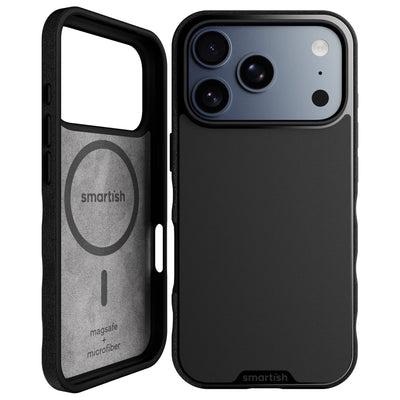


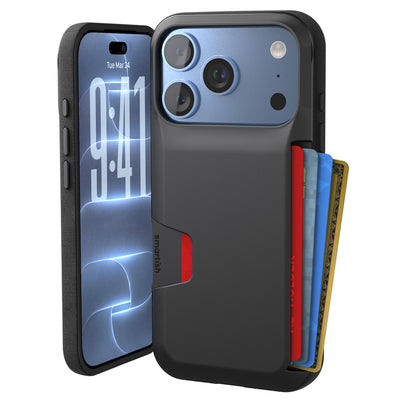
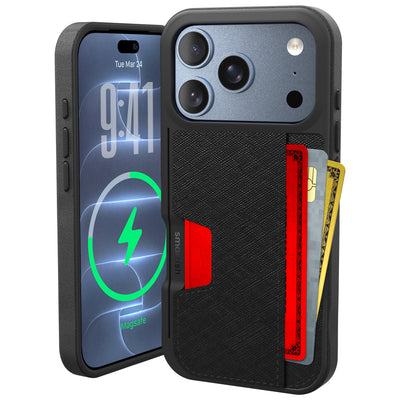
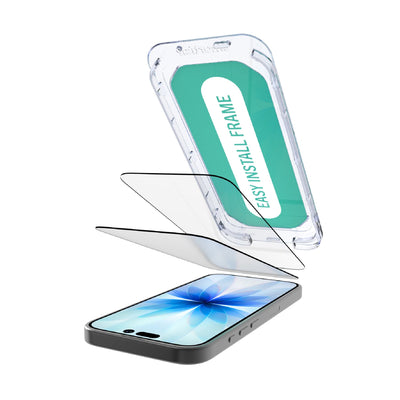

iPhone 18 Pro slim case
Choosing an iPhone 18 Pro slim case shouldn’t mean picking between a phone that feels good in your pocket and one that can handle a clumsy moment. Look for practical corner protection, useful camera and screen clearance, easy-to-press buttons, and a grip that won’t snag pocket lining.
One fit note before you shop: the Gripmunk - Slim Case for iPhone 16 Pro is made for iPhone 16 Pro, not iPhone 18 Pro. Case fit is model-specific, so don’t treat those names as interchangeable. The checklist below focuses on what to assess in a case made for your exact phone.
iPhone 18 Pro Slim Case: The Pocket-Friendly Protection Showdown
Why Slim Cases Get a Bad Rap (and Why They Don't Have To)
A case can be thin and still be thoughtfully built. The trouble starts when “slim” means skipping corner cushioning, leaving the screen nearly flush with a table, or using a shell that flexes at the edges. Those shortcuts make a case feel light, right up until a drop turns the phone into an expensive lesson.
The Smartish Philosophy: Protection Without the Bulk
Smartish designs aim to keep everyday protection practical: a manageable profile, grip where your fingers need it, and raised edges around vulnerable surfaces. You shouldn’t need a large pocket to add some drop defense, or accept a slippery shell just because it’s thin.
What to Expect from This Guide: Real-World Testing, Not Just Specs
Specs are only part of the story. Check whether corner construction gives an impact somewhere to go, whether the camera clears a flat tabletop, and whether the buttons still press cleanly. For MagSafe, look for consistent alignment and a secure hold with your actual charger and accessories. A product photo can’t tell you how a case feels in a pocket or behaves during an everyday fumble.
A slim case can handle ordinary drops when its design provides meaningful corner protection, a protective screen lip, and camera clearance without making the sides awkward to grip. Prioritize those details over a dramatic label or an impressively thin profile alone.
The Slim Case Checklist: What REALLY Matters for Your iPhone 18 Pro
Use this checklist to judge protection by the places a case can make a real difference: corners, camera surround, screen edge, side controls, charging alignment, and grip. The best iPhone 18 Pro slim case for your routine should feel easy to carry while accounting for those everyday contact points. Don’t rely on a single claim to answer all six questions.
Drop Defense Audit: Beyond 'Military-Grade' Nonsense
Look closely at the corners and the way the case walls meet them. Corner air pockets or other impact-conscious shaping can help soften a hit; a uniformly thin shell may offer less edge rigidity. Check for a snug fit, solid seams, and no obvious gaps that could let the phone shift inside the case. A broad drop-test label tells you little by itself unless the test conditions and protection design are clear.
Camera Clearance: No More Table Wobble
The camera surround should sit high enough to keep the lenses from resting directly on a desk or countertop. Set the cased phone on a flat surface and check whether the camera glass stays clear, whether the phone rocks during a tap, and whether the raised border leaves room for a camera protector if you use one. A protective bezel is useful; a giant ridge that catches on everything is not.
Screen Lip Depth: Saving Your Display from Flat Falls
A raised front edge can create a small buffer when a phone lands screen-first on a flat surface. Check that the lip sits above the display without crowding the screen or interfering with a screen protector. A case that looks sleek from the side may leave the glass almost level with the edge, so inspect the profile rather than trusting the word “protective.”
Button Bliss vs. Button Blunder: Cutouts vs. Covered
Covered buttons can keep dust away while preserving easy presses, provided they are responsive and clearly shaped. Deep cutouts can make side controls harder to reach, especially with a thumb or while holding the phone one-handed. Test volume and side-button access before committing: you want a positive click, not a fingernail workout.
MagSafe Magic: How to Ensure Reliable Charging
Confirm that the case is designed for MagSafe and that its magnets align with your charger. Check whether the charger attaches securely, stays centered, and begins charging without repeated repositioning. Case fit and magnetic alignment matter more than a vague compatibility badge. If charging cuts out, test the phone and charger without the case to help isolate the cause.
Grip That Won't Stick: Pocket-Friendly Texture
Texture should help your fingers hang on without turning the case into a fabric magnet. Look for grip on the sides or in targeted contact areas, with a finish that slides into a pocket instead of grabbing its lining. A very smooth shell can feel slippery; an overly tacky surface can drag on jeans. Aim for controlled friction, not a tug-of-war every time your phone comes out.
A Quick Trade-Off Check
Pros
- A slim profile is easier to carry than a bulky shell.
- Raised edges and considered corner construction address common impact points.
- Responsive covered buttons can protect controls without making them hard to use.
Cons
- Thin walls without thoughtful corner design may sacrifice edge rigidity.
- A shallow screen lip leaves less clearance for face-down contact.
- Excessive texture can catch on pocket fabric, while a slick finish can be hard to hold.
For reference, Gripmunk - Slim Case for iPhone 16 Pro is a Smartish slim-case example for that specific model only. It is not an iPhone 18 Pro recommendation or a substitute for checking exact device compatibility. Whatever case you consider, verify the model name before ordering, then assess the fit, edge coverage, button feel, grip, and charging behavior on the phone it was made for.
MagSafe Reality Check: Why Your Slim Case Might Be Killing Your Charge
A slim case should not turn setting your phone on a charger into a nightly game of “find the spot.” If an iPhone 18 Pro slim case blocks reliable MagSafe charging, the issue may be poor alignment, weak magnetic attachment, or a charger and case that do not work well together. Check that the case is designed for MagSafe, then see whether the charger attaches flat and stays put. Compatibility claims matter less if the connection drops as soon as the phone gets nudged.
The Alignment Algorithm: Finding the Sweet Spot
MagSafe works best when the charger’s magnetic ring lines up with the phone’s charging coil. A case with misplaced or poorly aligned magnets can leave the charger slightly off-center, even if it seems attached. Set the phone down and check that the puck sits flat rather than hanging at an angle. If charging starts only after repeated repositioning, that is a practical warning sign. The charger should find its place without a bedtime treasure hunt.
Magnet Strength vs. Case Thickness: The Delicate Balance
Case thickness can affect how strongly the charger holds, while magnet placement influences whether it stays centered. A slim shell is not automatically MagSafe-friendly, and a strong snap alone does not prove charging is steady. Look for clear MagSafe compatibility information and test the case with the charger and accessories you use. If the phone slides off a stand or the connection cuts out when the cable shifts, check alignment and attachment before blaming the phone.
Thermal Throttling: When Cases Get Too Hot to Handle
Wireless charging creates heat, and a warm phone can slow charging to manage its temperature. If charging repeatedly pauses, remove any extra accessory, move the phone to a cool, open surface, and check whether the problem continues. A warm device alone does not prove the case is at fault. Persistent heat, frequent interruptions, or a charger that feels unusually hot call for a closer look at the charger, phone, and case together.
Testing Your MagSafe Setup: Simple Overnight Checks
Before relying on a new setup overnight, place the phone on the charger, confirm that charging begins, and check that the connection stays steady after a gentle cable adjustment. Try the same charger without the case if charging cuts out; that helps narrow down the cause. Keep the phone on a hard, clear surface, not under bedding. Give the setup a few ordinary evenings before trusting it with a full night’s charge.
The 'Good Enough' Factor: Finding Value in Slim iPhone 18 Pro Cases
Paying more does not automatically buy better drop protection, easier buttons, or a nicer grip. A useful purchase fits the exact phone model and performs well in daily use, without charging extra for a name or glossy product page. For an iPhone 18 Pro slim case, judge the construction, seams, corner coverage, and finish before the price tag gets the final word. Smartish’s Gripmunk - Slim Case for iPhone 16 Pro is made for iPhone 16 Pro only, so it is an example of a specific model fit, not a recommendation for iPhone 18 Pro.
The $70 Flop: Why Price Doesn't Equal Protection
A high price can reflect materials, design, branding, or retail costs. It does not tell you whether a case cushions corners, keeps its seams intact, or leaves a helpful screen edge above a flat surface. Look for specific construction details and a clear return or warranty policy rather than treating a premium price as proof. If a case feels slippery, has hard-to-press controls, or shows weak seams, the price cannot fix the everyday annoyance.
Material Matters: Durability Without the 'Premium' Sticker Shock
Judge a case by how its shell, edges, and corners work together. A thin wall may feel sleek but can be less rigid unless the corners are shaped to help manage impact. Check that the case holds its form, the edges fit snugly, and the seams do not split when you install or remove it. Adhesive-dependent construction deserves extra scrutiny: peeling or separation can turn a tidy-looking case into a loose fit. The goal is dependable everyday handling, not a material name that sounds expensive.
Smartish vs. The Rest: A Practical Comparison
Skip brand-versus-brand noise and compare the features you can inspect. This table helps separate useful details from marketing language. The Gripmunk - Slim Case for iPhone 16 Pro remains limited to that named model; confirm compatibility before buying any case for a different iPhone.
| What to assess | Useful sign | Warning sign |
|---|---|---|
| Corner construction | Shaped corners and a secure fit | Thin, flexible edges with gaps |
| Controls | Buttons press with a clear response | Deep cutouts that slow access |
| MagSafe | Charger centers and stays attached | Repeated repositioning or charging drops |
| Finish | Fingers hold on while the case slides into a pocket | Slick handling or fabric-catching texture |
Color, Finish, and Feel: Express Yourself (Without Sacrificing Function)
Choose a color and surface you will still enjoy after weeks of daily use, then check that the finish supports a steady hold. A very smooth shell can slip in your hand; an overly tacky texture may cling to pocket lining. If you are considering the Gripmunk - Slim Case for iPhone 16 Pro, remember that its name specifies iPhone 16 Pro, not iPhone 18 Pro. For any model, style works best when the case feels comfortable to hold, easy to pocket, and straightforward to use.
Your Next Slim Case: Making the Smart Choice for Your iPhone 18 Pro
Choosing an iPhone 18 Pro slim case comes down to fit, useful protection, comfortable controls, and dependable charging. Check those details before you buy, then confirm the case is made for your exact model. The Gripmunk - Slim Case for iPhone 16 Pro fits iPhone 16 Pro only, so it is not the right fit for iPhone 18 Pro.
Recap: The Slim Case Features You Can't Live Without
Prioritize a secure fit, considered corner coverage, raised screen and camera edges, buttons that press comfortably, and a finish that feels steady in hand without snagging your pocket. Those everyday details matter more than a thinness claim alone.
Common Gripes Solved: Answering Your Burning Questions
Can a slim case handle everyday drops? It can offer practical defense, though no case guarantees a phone will survive every impact. If MagSafe charging cuts out, check alignment and test the charger without the case. Choose easy-to-press buttons and textured grip that doesn’t catch fabric.
The Smartish Difference: Built for Everyday Hustle
Smartish focuses on practical features for pockets, busy hands, and the occasional fumble. The Gripmunk - Slim Case for iPhone 16 Pro is a model-specific example, not an iPhone 18 Pro option. Check current product compatibility before ordering.
Final Verdict: Protection and Pocketability, Together At Last
Choose the iPhone 18 Pro slim case that fits properly and feels easy to use, not simply the thinnest or priciest one. Confirm the exact model before checkout, then enjoy a pocket-friendly setup that suits your daily routine.
Frequently Asked Questions
What is the best case for the iPhone 18 Pro?
The best iPhone 18 Pro case is one made specifically for that model, with practical corner protection, raised screen and camera edges, responsive buttons, and a pocket-friendly grip. Compare those features rather than choosing by thinness alone. The Gripmunk Slim Case discussed here is for iPhone 16 Pro, not iPhone 18 Pro.
What is the slimmest iPhone case available?
There is no single verified answer for the slimmest iPhone case, since thickness depends on the model and case design. For an iPhone 18 Pro slim case, check whether a thin profile still leaves room for corner cushioning and raised screen and camera edges. Confirm the case is made for your exact phone.
Will the iPhone 18 Pro be thinner?
Whether the iPhone 18 Pro will be thinner cannot be confirmed from the information available here. Check official Apple specifications once they are published before choosing a case. A case should match the phone’s exact model, since even small differences in dimensions, buttons, or camera placement can affect fit.
Will the iPhone 17 Pro case fit the iPhone 18 Pro?
An iPhone 17 Pro case should not be assumed to fit an iPhone 18 Pro. Case openings and dimensions are model-specific, so wait for a case explicitly labeled for iPhone 18 Pro or confirm compatibility with the manufacturer before ordering.
Is the iPhone 18 Pro the same size as the iPhone 17 Pro?
The available information does not confirm whether the iPhone 18 Pro and iPhone 17 Pro have the same dimensions. Even if their overall sizes are similar, camera layouts and button positions can differ. Choose a case labeled for your exact iPhone model rather than relying on a size comparison.