




Key Takeaways
- The iPhone 14 remains widely used despite being two generations old.
- Protecting your iPhone 14 is essential due to its high value and daily use.
- The best iPhone 14 case should provide practical protection tailored to your lifestyle.
- Choosing a case is more about functionality than flashy marketing claims.
Table of Contents
- The Ultimate Guide to Choosing the Best iPhone 14 Case in 2025
- Understanding iPhone 14 Case Materials: What Actually Matters
- Decoding Case Protection: What "Military-Grade" Really Means
- MagSafe Compatibility: Separating Marketing From Magnet Strength
- The Five Essential iPhone 14 Case Categories
- iPhone 14 Model Compatibility: The Differences That Matter
- How to Choose Your iPhone 14 Case: A Decision Framework
- Installing and Maintaining Your iPhone 14 Case
The Ultimate Guide to Choosing the Best iPhone 14 Case in 2025
Your iPhone 14 isn't just another phone, it's a $800+ investment that handles everything from work calls to capturing memories. Despite being two generations old, millions of iPhone 14 devices remain in active use, making smart protection more crucial than ever. The best iPhone 14 case isn't about flashy marketing claims; it's about matching real protection to your actual lifestyle.
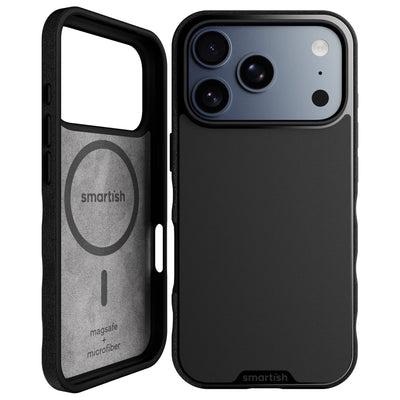
Case technology has evolved significantly since the iPhone 14's 2022 launch. Today's options balance drop protection with MagSafe compatibility, wallet functionality with wireless charging, and slim profiles with serious durability. This guide cuts through the noise to deliver honest comparisons and actionable advice, no fluff, just the insights you need to protect your device properly. Gripmunk with MagSafe® - Slim Case for iPhone 14 is a standout for those seeking a slim, protective option with full MagSafe support.
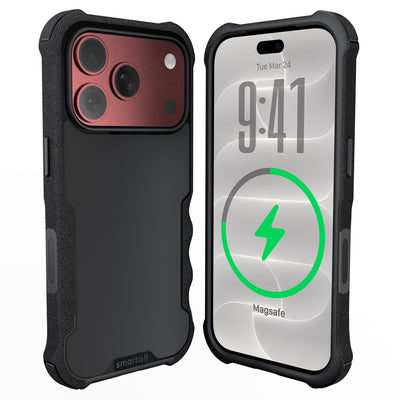
We'll decode material science, explain what drop test ratings actually mean, and match specific cases to real-world scenarios. Whether you're a daily commuter, active parent, or minimalist professional, you'll find the protection that fits your pocket and your life. For those needing extra durability, the Gripzilla with MagSafe® - Armor Case for iPhone 14 offers rugged protection without sacrificing modern features.
Understanding iPhone 14 Case Materials: What Actually Matters

The Material Science Behind Drop Protection
TPU (Thermoplastic Polyurethane) dominates quality cases for good reason, it flexes on impact to absorb shock while maintaining shape over time. Expect clear TPU cases to show yellowing within 6-12 months of UV exposure, but the trade-off delivers superior corner protection where drops typically occur.
Polycarbonate provides rigid scratch resistance and works best in dual-layer designs. The hard shell distributes impact force while inner TPU absorbs shock. This combination appears in protective cases like Gripzilla, where the rigid backplate prevents flex damage during severe impacts.
Silicone offers unmatched grip but attracts lint constantly. Daily microfiber cloth maintenance becomes necessary, though the superior handling security reduces drop frequency. Consider this material if you prioritize grip over convenience.
How Materials Age: The 6-Month Reality Check
Clear cases yellow inevitably, anti-yellowing coatings slow the process but don't prevent it. Plan for annual replacement if aesthetics matter. Silicone texture smooths over 6-8 months of use, reducing grip effectiveness and signaling replacement time.
Polycarbonate develops micro-scratches that cloud transparency but maintains structural integrity. Leather cases require monthly conditioning to prevent cracking, developing character patina within 3-6 months of regular use.
Replace any case showing corner cracks, loose button response, or stretched fit, compromised protection defeats the entire purpose.
Decoding Case Protection: What "Military-Grade" Really Means
Understanding Drop Test Standards
MIL-STD-810G testing drops cases from 6 feet onto concrete in multiple orientations, corner impacts, face-down, and back-down. This "military-grade" standard has real meaning but doesn't tell the complete story. Most daily drops occur from pocket height (3-4 feet), making 6-foot testing somewhat excessive for typical use.
Drop tests evaluate single impacts, not repeated drops or real-world scenarios like concrete stairs or gravel parking lots. The test also doesn't cover water damage, lens protection, or long-term durability after multiple minor impacts.
Corner construction determines survival more than overall bulk. Cases with air-pocket corners create crumple zones that absorb impact energy, protecting your phone's vulnerable edges where screens typically crack.
The Anatomy of Protection: Air-Pocket Corners and Raised Edges
Raised screen edges require minimum 1mm height for face-down protection on flat surfaces. This measurement ensures your screen never contacts tables, counters, or pavement when dropped face-first. Quality cases like Gripmunk and Gripzilla exceed this standard.
Air-pocket corners function as engineered crumple zones, compressing on impact to absorb energy before it reaches your phone's frame. This design proves more effective than solid corners, which transfer impact force directly to the device.
Raised camera rings (typically 2-3mm) protect lens glass when phones rest on their backs. This feature becomes critical for iPhone 14 Pro models with prominent camera systems that otherwise contact surfaces directly.
MagSafe Compatibility: Separating Marketing From Magnet Strength
What MagSafe Actually Does (And Doesn't)
MagSafe delivers 15W wireless charging when properly aligned, compared to 7.5W for standard Qi charging. The magnetic ring ensures consistent positioning but doesn't dramatically improve charging speed over quality cable charging (20W+). Accessory attachment strength supports wallets and stands but fails with heavier items over 4-5 ounces.
Magnet ring placement requires precise alignment, cases with off-center magnets cause charging interruptions and weak accessory connections. Quality MagSafe cases embed magnets within the case structure without adding noticeable bulk.
The myth that MagSafe cases add thickness is false, the magnetic array measures less than 0.5mm. Case bulk comes from protection design, not MagSafe compatibility.
Cases That Block MagSafe: The Wallet Exception
Card-holding cases like Wallet Slayer Vol. 1 and Vol. 2 cannot support MagSafe or wireless charging due to magnetic stripe interference. Credit cards contain ferromagnetic materials that disrupt wireless charging fields and can damage magnetic stripes. This is physics, not a design limitation. The trade-off is intentional: comprehensive card storage means cable charging only.
For users who prioritize wireless charging, Gripmunk and Gripzilla deliver full MagSafe compatibility without compromising protection levels. Both pass identical drop tests while maintaining strong magnetic connections for accessories and charging pads. If you want to explore more about case selection for different iPhone generations, check out this best case iphone blog post.
The Five Essential iPhone 14 Case Categories

Slim & Minimalist: Protection Without the Pocket Bulge
The best iPhone 14 case for daily carry balances protection with pocketability. Smartish Gripmunk delivers this equilibrium through precise engineering: air-pocket corners absorb impacts while maintaining a slim profile that disappears in your pocket. For iPhone 14 Pro users, the Gripmunk with MagSafe® - Slim Case for iPhone 14 Pro is a top choice for minimalist protection.
The pebbled texture provides secure grip without the lint-magnet properties of silicone. Finger grooves along the sides create natural hold points for one-handed use. At just 2mm additional thickness, Gripmunk preserves the iPhone 14's sleek feel while adding essential drop protection through 6-foot tested corners.
MagSafe compatibility remains uncompromised, magnets align perfectly for 15W wireless charging and secure accessory attachment. Button covers maintain tactile response for volume and power controls, while precise cutouts ensure full port accessibility.
Best for: Office workers, students, anyone prioritizing daily comfort with reliable protection.
Rugged & Heavy-Duty: Built for Chaos
Smartish Gripzilla addresses the misconception that thicker automatically means more protected. While Gripzilla and Gripmunk pass identical 6-foot drop tests, the extra bulk serves repeated impact scenarios and extreme conditions where phones face multiple drops daily. If you have the iPhone 14 Pro Max, the Gripzilla with MagSafe® - Armor Case for iPhone 14 Pro Max is engineered for maximum durability.
The rigid backplate distributes impact force across the entire surface, while enhanced corner reinforcement handles concrete, gravel, and metal surface impacts. Despite increased thickness, Gripzilla maintains full MagSafe functionality, proving bulk doesn't compromise modern features.
The aggressive grip texture works with gloved hands, essential for construction workers, outdoor enthusiasts, and parents chasing toddlers. Weight increase is noticeable but justified for high-risk environments where phone replacement isn't an option.
Best for: Construction workers, outdoor enthusiasts, parents, anyone with documented clumsiness.
wallet-cases-pocket-minimalism">Wallet Cases: Ditch the Pocket Clutter
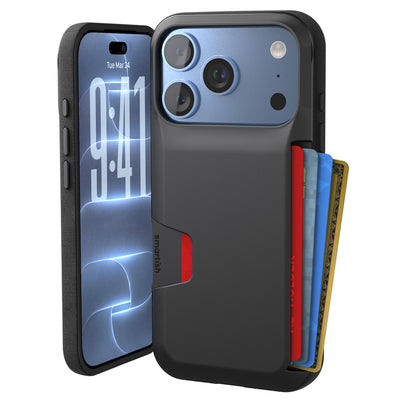
Wallet Slayer Vol. 1 eliminates the two-pocket problem through spring-loaded card storage accommodating three cards plus folded cash. The side-notch ejection system provides quick access without fumbling through multiple slots. For those who want to streamline their carry, Wallet Slayer Vol. 1 is a practical solution.
Thickness increases significantly, this isn't a slim case pretending to hold cards. The bulk serves function: robust corner protection rivals dedicated protective cases while maintaining secure card retention through daily use.
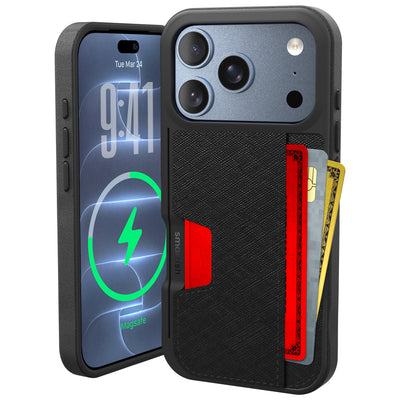
Wallet Slayer Vol. 2 offers a sleeker profile with fabric sleeve card storage and integrated kickstand functionality. The credit card kickstand creates stable landscape viewing angles, while the refined design appeals to style-conscious minimalists.
Both models sacrifice wireless charging for comprehensive carry reduction. Cable charging becomes faster anyway, 15W wired beats 7.5W MagSafe speeds for actual daily use.
Best for: Gym-goers, concert attendees, students needing ID access, travel minimalists.
Clear Cases: Show Off Your iPhone Color
Clear cases serve one primary purpose: showcasing your iPhone 14's color while providing basic protection. Anti-yellowing technology slows UV discoloration but doesn't prevent it, expect visible yellowing within 6-12 months depending on sun exposure.
Smartish clear options maintain the same air-pocket corner protection as colored variants. Customization possibilities expand dramatically, uploaded designs appear crisp against the iPhone's natural color backdrop.
The trade-off is aesthetic maintenance. Clear cases require frequent cleaning to maintain transparency and show wear more obviously than textured alternatives.
Best for: New iPhone 14 owners wanting to display their color choice, users prioritizing customization visibility.
Leather Cases: The Patina Question
Leather cases deliver premium tactile experience and develop character through use. Patina development begins within 3-6 months, creating unique wear patterns that reflect individual usage.
Protection levels decrease compared to engineered plastics, leather absorbs some impact but lacks the precise corner engineering of TPU designs. The appeal centers on aesthetics and feel rather than maximum drop protection.
Maintenance requirements include regular conditioning and moisture avoidance. Leather cases suit lower-risk environments where style outweighs maximum protection needs.
Best for: Professional environments, users prioritizing premium materials, collectors appreciating patina development.
iPhone 14 Model Compatibility: The Differences That Matter
Camera Layout and Button Placement Changes
iPhone 13 cases cannot fit iPhone 14 models due to specific dimensional changes. Camera bump positioning shifted slightly, button placements moved, and speaker grille configurations changed between generations.
Within the iPhone 14 lineup, compatibility follows camera configuration: standard models (14/14 Plus) share diagonal dual-camera layout but require different sizes. Pro models (14 Pro/14 Pro Max) share square triple-camera design with size variations. For a full overview of compatible cases and accessories, browse the iPhone 14 collection.
| Model | Screen Size | Camera Configuration | Compatible With |
|---|---|---|---|
| iPhone 14 | 6.1" | Dual diagonal | iPhone 14 only |
| iPhone 14 Plus | 6.7" | Dual diagonal | iPhone 14 Plus only |
| iPhone 14 Pro | 6.1" | Triple square | iPhone 14 Pro only |
| iPhone 14 Pro Max | 6.7" | Triple square | iPhone 14 Pro Max only |
Measuring Your Current Case: Future-Proofing Your Purchase
Measure your existing case thickness with calipers or a ruler at the thickest point, typically corners where protection layers stack. Cases under 3mm work with most wireless charging pads, while anything over 4mm may require pad removal for reliable charging.
Check camera ring height by placing the case face-down on a flat surface. The camera ring should prevent lens contact, gaps under 1mm indicate insufficient protection. Port cutout precision matters for cable fit and accessory compatibility. For more on the latest iPhone case trends, see this best iphone 17 pro max case guide.
How to Choose Your iPhone 14 Case: A Decision Framework
Step 1: Assess Your Drop Risk Profile
Low Risk: Desk-based work, careful handling habits, primarily indoor use. Gripmunk provides adequate protection without bulk penalties. Occasional drops from pocket height won't exceed the 6-foot drop test rating.
Moderate Risk: Active commuting, outdoor activities, 1-2 documented drops annually. Gripzilla offers repeated impact resilience while maintaining daily usability. The extra thickness pays dividends for hiking, cycling, or parenting scenarios.
High Risk: Construction work, documented clumsiness, extreme sports participation. Maximum protection becomes essential, Gripzilla or Wallet Slayer Vol. 1's thick corners handle concrete impacts and repeated abuse.
Step 2: Define Your Pocket Real Estate
Skinny jeans accommodate slim cases only, Gripmunk disappears while wallet cases create obvious bulk. Cargo pants or loose fits handle any thickness without retrieval complications.
Purse or bag carry eliminates pocket constraints entirely. Wallet cases excel here by reducing overall item count, one object replaces phone plus wallet carry.
Step 3: Prioritize Your Must-Have Features
Deal-breakers eliminate entire categories: Need MagSafe? Wallet cases are out. Require card storage? Slim cases won't work. Want wireless charging? Cable-only options disappear.
Nice-to-have features refine within categories: Kickstand functionality, specific grip textures, customization options, or color preferences guide final selection among compatible options.
Step 4: Set Your Budget Reality Check
The $20-$35 range delivers optimal value, premium materials, solid engineering, reasonable longevity. Spending less typically means shorter lifespan and inferior materials. Spending more rarely improves protection beyond diminishing returns.
Smartish pricing reflects this sweet spot: quality materials and engineering without luxury brand premiums. The best iPhone 14 case balances cost with performance rather than chasing maximum price points. For a deep dive into protective options, you might also like this best iphone 17 protective case article.
Installing and Maintaining Your iPhone 14 Case

Proper Installation: The 30-Second Process That Prevents Damage
Install snap-on cases corner-first to prevent screen pressure. Start with the camera corner, work around the perimeter, then snap the final corner. Forcing cases straight-on can crack screens or damage buttons.
Two-piece designs require inner liner installation first, followed by outer shell alignment. Wallet cases need card insertion before phone installation, adding cards afterward stresses the mechanism.
Material-Specific Cleaning Methods
TPU/Polycarbonate: Weekly microfiber wipe-downs handle daily grime. Monthly soap and water cleaning removes accumulated oils, dish soap works better than harsh detergents. Avoid alcohol-based cleaners that cause clouding.
Silicone: Daily lint removal with adhesive rollers prevents texture degradation. Bi-weekly deep cleaning with dish soap maintains grip properties. Accept lint attraction as the trade-off for superior grip.
Clear Cases: Minimize UV exposure when possible, car dashboards and direct sunlight accelerate yellowing. Clean without abrasive materials that scratch the surface and worsen discoloration visibility.
When to Replace Your Case: The Warning Signs
Corner cracks compromise protection entirely, impact absorption fails when structural integrity breaks. Button response degradation affects emergency functionality and daily usability.
Clear case yellowing beyond personal tolerance varies by user. Texture smoothing on grip cases increases drop risk when secure handling fails. Loose fit from repeated removal means protection no longer stays properly positioned. For more information on MagSafe-compatible options, explore the MagSafe Cases collection.
Frequently Asked Questions
What materials are best for iPhone 14 cases in terms of durability and protection?
TPU (Thermoplastic Polyurethane) is ideal for absorbing shocks and maintaining shape after drops, especially around corners. Polycarbonate adds rigid scratch resistance and works well in dual-layer cases for extra durability.
How does MagSafe compatibility affect the choice of an iPhone 14 case?
MagSafe compatibility ensures your case works seamlessly with magnetic accessories like chargers and wallets. Both slim and protective cases can support MagSafe without compromising drop protection or adding unnecessary bulk.
What does "military-grade" protection really mean for iPhone 14 cases?
"Military-grade" is often a marketing term that refers to passing certain drop tests, but it doesn’t guarantee superior protection in everyday use. Look for cases with proven drop-tested designs and features like air-pocket corners and raised edges instead.
How often should I replace my iPhone 14 case based on material wear and aging?
Replace your case when you notice visible wear like cracks, stretched edges, or yellowing in clear TPU cases, typically after 6-12 months. Regular inspection ensures your phone stays protected without surprises.