






best desk accessories
What are the best desk accessories?
The best desk accessories solve real problems without cluttering your space. Phone stands that hold your device at eye level. Cable organizers that stop the tangle. Storage that keeps essentials within arm's reach. Not decorative tchotchkes--tools that make your workday smoother.
Start with what bugs you most. Cords everywhere? Grab a cable management solution. Phone sliding off your desk? A solid stand fixes that. Your desk setup should work as hard as you do, turning chaos into calm whether you're grinding through spreadsheets, gaming late, or juggling video calls.
One killer accessory that nails its job beats five mediocre ones collecting dust. Build from there.
Benefits of the best desk accessories
Smart desk accessories free up mental bandwidth. When your phone has a designated spot and your cables stay put, you stop wasting energy on tiny frustrations. That adds up over eight-hour days.
They protect your gear, too. Phone stands keep devices off hard surfaces. Cable clips stop charging cords from fraying at bend points. Small investments now beat replacing expensive tech later.
Productivity boost: Some studies suggest organized workspaces reduce task completion time by up to 30%. Your desk accessories impact your output.
Ergonomic accessories reduce strain during long work sessions. Monitor stands bring screens to proper eye level. Wrist rests cut typing fatigue. Your body notices, even if your brain doesn't.
How to choose the best desk accessories
Audit your actual needs, not Pinterest boards. What slows you down daily? What makes you curse under your breath? Those pain points tell you where to invest first.
Material quality separates keepers from landfill fodder. Check for sturdy construction--no wobbly joints, no flimsy plastic that'll crack in a month. Weight matters. Lightweight organizers slide around; proper heft keeps things anchored.
Key features to prioritize
| Feature | Why It Matters | What to Look For |
|---|---|---|
| Stability | Prevents tipping and sliding | Weighted base, grippy bottom surface |
| Adjustability | Fits different setups and postures | Multiple angle options, height ranges |
| Cable Management | Reduces clutter and tangling | Built-in routing channels, clip systems |
| Footprint | Maximizes usable desk space | Compact design, vertical storage |
Match accessories to your space constraints. Measure your desk depth before buying monitor stands. Check drawer dimensions if you're adding organizers. Beautiful accessories that don't fit? Useless.
Ergonomics and comfort considerations
Your neck and wrists take a beating during long desk sessions. Accessories that address posture help prevent chronic pain. Monitor risers bring screens to eye level, reducing forward head tilt. Phone stands do the same for mobile devices during video calls.
Wrist position matters. Keyboard trays and mouse pads with wrist support help maintain neutral joint angles, reducing repetitive strain over time. Your hands should float naturally, not bend upward or downward while typing.
Posture reality check: Some ergonomics guidance suggests that for every inch your head tilts forward, your neck supports about 10 additional pounds of load. Proper desk accessories correct that angle before strain builds.
Temperature control affects comfort, too. Laptop stands improve airflow, keeping devices cooler during intensive tasks. USB-powered desk fans provide personal climate control without fighting over office thermostats.
Storage and organization strategies
Vertical space solves most desk clutter problems. Tiered organizers stack supplies upward instead of spreading across your work surface. Desktop shelves create zones: writing tools in one spot, charging station in another, reference materials up top. Everything stays visible.
Drawer dividers transform junk drawers into functional storage. Assign specific slots for adapters, cables, small electronics. When items have designated homes, you stop digging through piles mid-workflow.
| Storage Type | Best For | Space Efficiency |
|---|---|---|
| Vertical Shelving | Frequently accessed items | High: uses unused air space |
| Drawer Organizers | Small electronics and cables | Medium: maximizes existing drawers |
| Wall-Mounted Racks | Headphones, bags, jackets | High: frees the desk surface |
| Desktop Caddies | Daily essentials within reach | Low: occupies prime desk real estate |
Cable management deserves its own strategy. Adhesive clips route cords along desk edges. Cable sleeves bundle multiple wires into single runs. Under-desk trays hide power strips and excess length. Clean routing prevents accidental disconnects and makes cleaning possible. The Cable Wrangler magnetic cord organizer keeps charging cables tidy.
Tech-specific accessory needs
Gamers need fast-access storage for controllers, headsets, charging docks. RGB lighting strips might seem frivolous, but proper backlighting reduces perceived eye strain during night sessions. Headphone stands with USB hubs combine storage with function, keeping gear ready between matches.
Remote workers prioritize video call quality. Ring lights reduce harsh shadows. Laptop stands position webcams at more flattering angles instead of up-the-nose shots. Microphone arms keep audio gear off-camera while improving sound consistency.
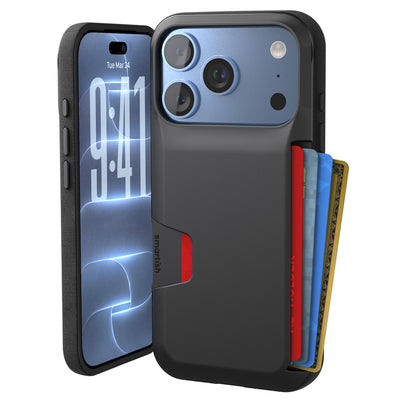
Creative professionals juggle multiple devices simultaneously. Tablet stands hold reference images at eye level. Stylus holders prevent expensive pens from rolling off desks. Multi-device charging stations power phones, tablets, smartwatches from single outlets. For portable phone storage, the Dancing Queen Side Piece stick on wallet works anywhere.
Aesthetic and personalization options
Your desk reflects how you work, not just what you do. Minimalist setups favor neutral tones and clean lines. Creative spaces lean into bold colors and unconventional shapes. Professional environments demand subdued elegance.
Customizable elements let you shift aesthetics without replacing entire setups. Swappable organizer inserts, modular shelving configurations, adjustable lighting create flexibility. Wood finishes warm up sterile tech environments. Metal accents add industrial edge to traditional spaces.
Color psychology at work: Blue tones promote focus and calm. Green reduces eye strain during screen-heavy tasks. Warm neutrals create approachable professional environments. Choose accessory colors that support your work style.
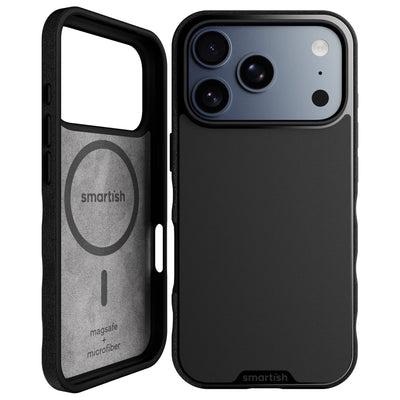
Personalization extends beyond looks. Magnetic boards display rotating inspiration. Cork tiles pin project timelines and reference sheets. Desktop planters add life without maintenance headaches if you choose hardy succulents. Check out styles like the Alpine Chill phone case to complement your desk vibe.
Maintenance and longevity factors
Quality accessories outlast cheap alternatives by years, not months. Check construction methods before buying. Welded joints beat glued seams. Solid materials beat hollow shells. A desk organizer that collapses under normal use wastes money twice: once at purchase, again at replacement.
Surface treatments determine how accessories age. Powder-coated finishes resist scratches and fingerprints. Untreated wood requires periodic conditioning. Matte plastics hide wear better than glossy ones. Consider cleaning requirements--accessories with crevices collect dust; smooth surfaces wipe clean in seconds.
| Material | Durability | Maintenance Needs |
|---|---|---|
| Aluminum | Excellent: resists dents and corrosion | Low: occasional wipe-down |
| Bamboo | Good: sustainable and sturdy | Medium: may need conditioning every few months |
| Plastic (quality) | Good: impact-resistant | Low: can attract static dust |
| Steel | Excellent: handles heavy loads | Low: check for rust in humid environments |
Replaceable components extend product life. Cable management systems with removable clips let you adjust as tech changes. Organizers with swappable dividers adapt to new workflows.
For more detailed scientific insights into ergonomics, see this research article on workplace ergonomics and comfort.
Budget-conscious desk optimization
Smart spending beats blanket upgrades. Identify your top three desk frustrations and address those first. A $20 cable organizer that stops daily aggravation delivers more value than $100 of decorative items you barely notice.
Modular systems offer better long-term value than all-in-one solutions. Start with a base organizer and add components as needs become clearer. This prevents buying redundant pieces or accessories that don't match your actual workflow. Build gradually, buy deliberately.
Well-made accessories pay for themselves through durability. A solid phone stand lasts years. A flimsy one breaks in months, forcing repurchase. Calculate cost per year of use, not just sticker price.
Future-proofing your desk setup
Tech evolves faster than furniture. Choose accessories with universal compatibility instead of device-specific designs. Adjustable phone stands accommodate different device sizes. USB hubs with multiple port types adapt to changing cable standards.
Wireless charging integration becomes standard across more devices each year. Desk accessories with built-in charging pads reduce cable clutter for compatible phones and earbuds. Even if your current device lacks wireless charging, your next one might include it.
Remote work patterns shift workspace needs. Accessories that support hybrid setups add value: portable organizers that move between home and office, collapsible stands that pack flat, battery-powered lighting that works anywhere.
Sustainability considerations matter as replacement cycles accelerate. Recyclable materials, repairable designs, timeless aesthetics reduce waste. Accessories built to last five years beat trendy pieces that feel dated in twelve months.
Frequently Asked Questions
Why should I even care about desk accessories?
You know, sometimes the little things bug you most. Desk accessories aren't just for show; they're about fixing those tiny frustrations that steal your focus. The right ones free up your mental energy by giving everything a spot, so you stop wasting time on small annoyances. It's about making your workspace work as hard as you do.
What kind of common desk problems can accessories solve?
Think about what makes you sigh at your desk. Is your phone always playing hide-and-seek? Are your charging cords doing a spaghetti dance? Desk accessories are designed to solve those everyday annoyances, keeping your devices secure and your cables tidy. Our Cable Wrangler magnetic cord organizer, for example, is a smart way to stop that cord tangle.
How do I choose desk accessories that actually fit my workflow?
It's not about what looks cool on a Pinterest board, it's about what actually helps you get stuff done. Start by figuring out your biggest pain points, like cords everywhere or a phone that keeps sliding. Quality matters more than quantity, so pick one great accessory that nails its job over five mediocre ones that just collect dust. Function always comes before style, though the best options do both.
Can desk accessories really make my work more comfortable?
Absolutely. Your neck and wrists take a beating, even if you don't notice it right away, but smart accessories can make a big difference for your body. Ergonomic desk accessories reduce strain during long sessions. Monitor stands bring your screen to eye level, cutting down on neck tilt, and wrist rests help keep your hands in a neutral position while typing. Small adjustments, big comfort.
What are some smart ways to organize cables on my desk?
Cables are the wild west of any desk, right? But they don't have to be. Cable management is key to a clean desk, preventing accidental disconnects and making cleaning a breeze. Adhesive clips can route cords along desk edges, keeping them out of sight, or cable sleeves can bundle multiple wires into a single, neat run. Under-desk trays also hide power strips and excess length, making things tidy, smartly.
Is vertical storage a good idea for small desks?
When you're short on horizontal space, you gotta think up! Vertical storage is a game-changer for maximizing usable desk space, especially on smaller desks. Tiered organizers stack supplies upwards, keeping your essentials visible and within reach without spreading out. Desktop shelves create zones for different tasks, making sure nothing gets buried. It's a clever way to turn clutter into calm.