




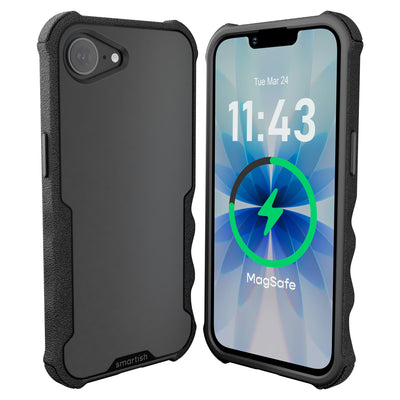


9H hardness screen protector review
Decoding “9H Hardness”: What It Really Means for Your Phone Screen
You have likely seen bold claims while hunting for a reliable shield for your device. Every brand promises ultimate protection, but this 9H hardness screen protector review cuts through the marketing noise to explain what the numbers actually signify. That shiny sticker on the packaging does not refer to the Mohs hardness scale of minerals, which would place your phone glass near the strength of a diamond. Instead, it refers to the pencil hardness test, a standardized lab method used to evaluate the scratch resistance of coatings and materials.
The “9H” rating means the tempered glass can resist scratches from a standard 9H drafting pencil, the hardest lead available. It helps against everyday pocket clutter like keys and coins, but it can still be scratched by harder materials like sand, and it can crack during high-impact drops.
The Pencil Hardness Test: A Lab Measure, Not a Magic Shield
In a controlled testing facility, technicians scrape pencils of increasing hardness across a surface at a forty-five-degree angle under a defined amount of pressure. The hardest pencil that fails to leave a permanent mark becomes the official score. When a manufacturer references a 9H hardness screen protector review, the claim is that the surface can withstand scrapes from a hard drafting pencil. This test is helpful for estimating resistance against fingernails, plastic toys, and copper keys, but it does not mean a phone is indestructible.
The Hardness Reality Check
A 9H pencil rating is not equivalent to a 9 on the Mohs scale. On the Mohs scale, tempered glass typically sits around 6 or 7, meaning quartz and sand can still scratch it with little effort.
Why 9H Is the Go-To for Scratch Resistance (and Its Limits)
Tempered glass is a popular defense layer because it offers a smooth, glass-like feel that plastic film rarely matches. It can keep a display looking clean when a phone slides into a pocket with loose change or lands face-down on a desk. The tradeoff is brittleness. Tempered glass is rigid and scratch-resistant, but it lacks flexibility, so a direct impact on a hard surface can cause cracking or shattering even when the surface shows no scratches.
Beyond the Pencil: Real-World Scratches vs. Lab Tests
Real life is messier than a lab. While pencil lead can glide across the surface without damage, a single grain of silica sand from a beach trip can leave a deep gouge. That happens because silica and quartz rank higher on the mineral hardness scale than tempered glass. Knowing the difference helps set realistic expectations, so a phone is treated with care even when it has a protective layer on top.
Beyond 9H: What Makes a Screen Protector Actually Work (and Last)
A high hardness rating is only one part of the equation. A great protector should feel nearly invisible, stay clean, and keep a consistent bond to the screen. Any thorough 9H hardness screen protector review will show that the small details often shape day-to-day satisfaction more than the hardness number alone.
The Oleophobic Coating: Your Fingerprint’s Worst Nightmare
An oleophobic coating is an oil-repellent layer bonded to the glass surface. It helps reduce smudges from skin oils, sweat, and makeup, so the display wipes clean with a quick swipe. Over months of heavy use, this coating can wear down. Higher-quality protectors tend to focus on coating durability so the screen keeps its smooth feel and stays easier to clean.
Thickness Matters: Balancing Protection and Touch Sensitivity
Most glass protectors fall between 0.2 millimeters and 0.33 millimeters thick. Thicker glass can provide slightly better impact buffering, but it may create a more noticeable edge and can affect how some swipe gestures feel. A good middle ground keeps taps and swipes responsive while still adding a real barrier between the screen and everyday accidents.
Edge Fit and Installation: The Unsung Heroes of a Seamless Experience
The best protective glass is the kind you forget is there. Precision-cut edges (often with subtle curves) help prevent fingers from catching on the border during gestures. Also, an easy alignment frame can make bubble-free installation much more likely. Even one tiny speck of dust can break the adhesive seal and create a stubborn bubble near the center of the screen.
The Smartish Approach: Practical Protection Without the Hype
I started Smartish because I like solving everyday annoyances with clean, practical design, not big promises. The goal with our tempered glass is straightforward: a smooth feel, solid scratch defense, and install tools that make it easier to get a clean fit, so your phone stays easy to use without the marketing noise.
Evaluating Tempered Glass Protectors
Pros
- Good scratch resistance against many common metal objects
- Preserves touch sensitivity and screen clarity
- Smooth glass texture feels close to the original screen
Cons
- Can chip or crack during direct, high-velocity impacts
- Adds a small amount of thickness to the front of the phone
- Can still scratch from fine sand and other hard grit
9H vs. Other Options: Comparing Screen Protector Materials
Choosing the right protector material means balancing clarity, feel, impact behavior, and price. When you read a 9H hardness screen protector review with a critical eye, one point stands out: materials fit different needs, even when they seem similar on a product page.
Tempered Glass: Popular for a Reason
Tempered glass is popular because it feels like the phone screen itself. During manufacturing, it is heated and rapidly cooled, creating internal tension that makes it stronger than standard glass. When it fails, it usually breaks into small, blunt pieces instead of sharp shards, which can be safer for fingers and can help keep broken glass from spreading across the display.
Plastic Protectors: When They Make Sense (and When They Do Not)
Plastic films such as TPU and PET are thin and flexible. They work well on curved displays and will not shatter. The downside is that they tend to scratch more easily and can develop a hazy look over time, which can reduce screen clarity and make the phone feel less premium to use.
Ceramic Hybrids: A Middle Ground
Ceramic hybrid protectors aim to blend some flexibility with better scratch resistance than many basic plastic films. They can bend without cracking as easily as glass, which may help with edge chips. Depending on the product, they may not feel as slick as true tempered glass, and optical clarity can vary by brand and coating quality.
| Material Type | Scratch Resistance | Impact Protection | Touch Feel | Longevity |
|---|---|---|---|---|
| Tempered Glass (9H) | High | Moderate (may crack to absorb energy) | Excellent (smooth glass) | Moderate (can chip with wear) |
| TPU Plastic Film | Low | Low (mostly scratch defense) | Rubbery / grippy | Low (scuffs easily) |
| Ceramic Hybrid | Moderate to high | High (typically does not shatter) | Good | High |
Real-World Scenarios: Putting “9H Hardness” to the Test
To understand how a protector holds up day to day, it helps to look beyond lab specs. A practical 9H hardness screen protector review should consider what happens with pockets, sand, and the kinds of drops that happen in real life.
The Pocket Test: Keys, Coins, and Everyday Annoyances
Pockets can be rough on a bare display. Coins, keys, and zippers can rub against the glass as you move. Many common metals are softer than tempered glass, so a good protector should prevent most everyday scuffs that would otherwise show up quickly on an unprotected screen.
The Beach Test: Sand, Dust, and the True Hardness Scale
The beach is a tough test. Natural sand often contains quartz, which sits at about a 7 on the Mohs hardness scale. Since tempered glass is often around a 6, dragging sand across the surface can cause visible scratching. If you spend time outdoors, a protector helps because the accessory is cheaper and easier to replace than the phone display.
Drop Protection: Why 9H Is Not the Whole Story
Scratch rating and drop behavior are different. Hardness helps with scuffs, but it does not guarantee crack prevention during a fall. When a phone hits pavement, a glass protector may crack as it absorbs some energy, which can help reduce the chance of damage to the screen underneath. For better overall protection, use a protector with a protective case that has raised edges.
Frequently Asked Questions
So, is a 9H hardness screen protector actually good?
When we talk about 9H hardness, we're referring to the pencil hardness test, which means the screen protector can stand up to scratches from a 9H drafting pencil. This is pretty good for keeping your phone safe from everyday pocket items like keys and coins. It's a solid layer of defense, but it's not a magic shield against everything.
What's the difference between 9H hardness and the Mohs scale?
It's easy to get these mixed up, but 9H hardness refers to the pencil hardness test, a lab method for scratch resistance. It doesn't mean your screen protector is as hard as a diamond, which would be a 9 on the Mohs scale. Tempered glass usually rates around 6 or 7 on the Mohs scale, so things like sand can still cause scratches.
What kind of hardness rating should I look for in a screen protector?
A 9H hardness rating is a good starting point for scratch resistance against common daily items. But honestly, it's just one piece of the puzzle. I always look for a protector that feels smooth, keeps your screen clear, and bonds well to your phone, so you almost forget it's there.
Is 9H hardness the same as tempered glass?
Not exactly, but they often go hand-in-hand. 9H hardness is a rating that tells you how scratch-resistant a material is, based on the pencil hardness test. Tempered glass is the material itself, which often achieves that 9H rating because of how it's made, offering a smooth, clear layer of defense.
What are the real-world limits of a 9H screen protector?
While a 9H screen protector handles keys and coins well, real life is a bit tougher than the lab. Materials harder than tempered glass, like silica sand or quartz, can still scratch it. Also, even with great scratch resistance, a direct, high-impact drop can still cause the tempered glass to crack or shatter.
What's an oleophobic coating and why does it matter?
An oleophobic coating is a super thin, oil-repellent layer on your screen protector that helps keep smudges from fingerprints, oils, and makeup at bay. It makes your screen easier to wipe clean and keeps it feeling smooth. Good quality protectors focus on making this coating last, which means your screen stays cleaner for longer.
Does thickness matter for screen protector protection?
Thickness plays a part in protection, but it's a balancing act. Thicker glass, usually around 0.33 millimeters, can offer a bit more impact buffering. However, it might feel a little clunky or affect your touch sensitivity, so finding a good middle ground is key for a smooth experience and solid defense.