





desk cable organizer for iPhone and laptop
Tired of the Cable Chaos? Why Your Desk Needs an iPhone & Laptop Organizer
A dedicated desk cable organizer for iPhone and laptop setups stops cords from slipping behind your desk, reduces physical clutter, and helps protect expensive power accessories from damage. Managing these cables keeps your workspace functional and can extend the lifespan of your charging cords.
The Daily Desk Drama: When Cables Rule Your Life
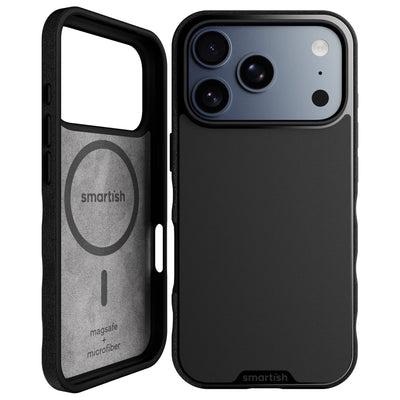
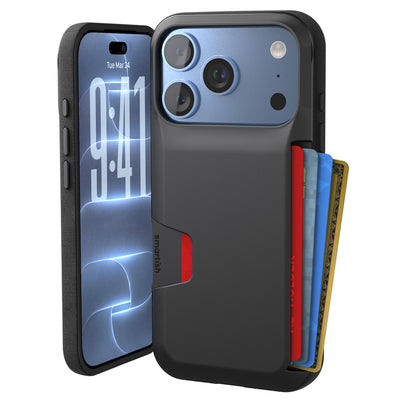
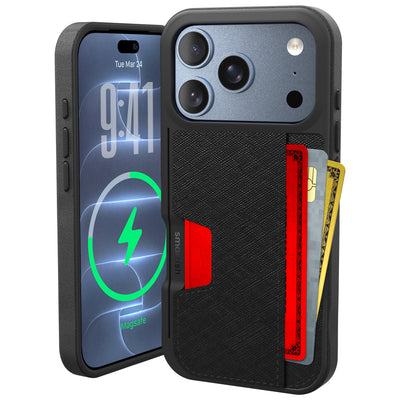
Your desk should be a launchpad for productivity, not a tangled nest of plastic cords. Every morning, the same routine unfolds. You sit down, reach for your phone charger, and realize it slid off the edge of the table. You crawl under the desk, bump your head, and emerge dusty but victorious. A dedicated Dancing Queen - Crossbody Wallet Case for iPhone 11 Pro Max keeps your phone protected on the move, but when you sit down to work, your desk needs a system that keeps charging cords in place. When your workspace is dominated by loose cords, you waste time and energy just trying to power your devices.
What's the Big Deal? The Hidden Costs of a Messy Desk
A cluttered workspace does more than look bad. It actively drains your mental energy. Loose cords suffer from constant bending, pulling, and stepping, which can ruin internal wiring. Replacing premium cords gets expensive fast. When you use a reliable desk cable organizer for iPhone and laptop setups, you help protect your tech investment. Keeping your workspace tidy prevents a computer power brick from dragging down a phone cord, saving you from recurring clutter and broken accessories.
Smartish Insight: A tidy desk saves mental energy. By securing charging cords in fixed positions, you eliminate daily frustration and help protect expensive power cords from fraying.
Smartish's Take: Solving Annoyances Before You Even Notice Them
At Smartish, we obsess over the tiny details that make your day run smoother. We believe your everyday accessories should work beautifully without requiring a manual. Just like our Dancing Queen - Crossbody Wallet Case for iPhone 11 Pro Max solves the problem of carrying cards and your phone together, your workspace accessories should solve cord clutter problems. We design solutions for real life, keeping essentials accessible and your workspace clean.
Your Desk's New Best Friends: Types of Cable Organizers for iPhone & Laptop
There is no single “right” organizer for every desk. Most people get the best results by combining a couple of tools: one to keep daily-use cables within reach, and one to manage the longer runs that drop toward the floor.
The Humble Cable Clip: Small but Mighty Helpers
Cable clips are a simple way to keep individual cords exactly where you want them. These small silicone cable clips stick to your desktop, holding a phone charger or computer power cord at the edge of your workspace. They keep cords from falling to the floor when unplugged. Using a desk cable organizer for iPhone and laptop setups keeps primary charging cords within arm's reach.
Sleeves & Wraps: Taming the Snake Pit
When multiple cords run from a computer to a monitor or power strip, they quickly turn into a messy bundle. Fabric sleeves and plastic spiral wraps group individual cords into a single, cleaner line. This approach works well for thicker runs that go from a docking station down to an outlet, keeping the under-desk area tidy and less likely to catch a foot or chair wheel.
Boxes & Bins: The Ultimate Hide-and-Seek Champions
If you cannot stand the sight of power strips and bulky adapters, a cable management box is a solid option. These boxes hold a power strip and excess cord length inside a clean container. You route phone and computer cords out through side slots, keeping messy power bricks out of sight.
Trays & Mounts: Keeping Things Off the Surface
Under-desk trays mount to the underside of a desktop, keeping power strips and heavier adapters off the floor. This setup makes vacuuming easier and helps prevent feet from tangling in cords. Many standing desk users prefer trays because the power source can move with the desktop while the cord path stays controlled.
| Organizer Type | Best For | Main Benefit | Setup Effort |
|---|---|---|---|
| Silicone Clips | Phone & accessory cords | Prevents cords from falling | Very Low |
| Neoprene Sleeves | Thick monitor & power bundles | Combines multiple cords | Low |
| Under-Desk Trays | Power strips & laptop bricks | Clears floor clutter completely | Medium |
| Cable Boxes | Hiding messy power outlets | Keeps power bricks out of sight | Very Low |
The 'Zone Defense' Strategy: Organizing Your iPhone & Laptop Cables Like a Pro
Think of your desk like a small workspace map. When each cable has an assigned zone, you spend less time hunting for a connector, and you put less stress on cords that bend and snag during the day.
Zone 1: The 'Grab & Go' Desk Edge (for your iPhone)
The edge of your desk is prime real estate. This is where quick, one-handed access to a phone charger matters most. By placing a weighted magnetic cable organizer for daily-use cords on the edge, you can plug in a phone quickly. This zone keeps the cable where you left it, instead of letting it slide behind the desk when you unplug to take a call.
Zone 2: The 'Active Workspace' Desktop (for your laptop & short runs)
Your active workspace is where the computer sits. This area needs to stay clear so you have room to type, write, and move a mouse. Run the computer power cord straight back behind the machine and secure it with desktop clips. That route keeps the surface cleaner while still keeping the laptop powered during long work sessions.
Zone 3: The 'Stealth Mode' Under-Desk (for permanent fixtures)
The under-desk area is the right place for power strips, docking stations, and thicker monitor cords. Mounting these items to the underside of the desktop helps keep them away from dust buildup on the floor and reduces accidental kicks. The payoff is a cleaner look from any angle and fewer cords dragging around chair legs.
Evaluating the Zone Defense Method
Pros
- Keeps your primary desk surface clearer for writing and typing
- Reduces the chance that power cords fall behind heavy furniture
- Separates portable daily cables from permanent computer connections
Cons
- Requires initial setup time to route cords neatly
- Some adhesive clips can be hard to reposition
Making It Work for You: Remote vs. Office Life
Your setup depends on your routine. Remote workers can build a more permanent system with under-desk trays and sleeves, since the hardware rarely moves. That stability makes it easier to keep a consistent cable path and avoid gradual drift into a cord pile.
Hybrid workers need fast setup and teardown. If you carry a power brick in a backpack, permanent under-desk mounting is not always a fit. Instead, prioritize desktop clips and weighted cable holders so your cords stay put between work sessions and are ready when you return.
The 'Shared Family Desk' Dilemma: Color-Coding for Harmony
When multiple people share one workspace, cord confusion follows. Someone unplugs the wrong device, and a battery dies at the wrong time. A color-coded system using silicone bands or colored clips reduces mix-ups. Give each person a color, or assign colors by device type so the right cable goes to the right gear.
Color-coding also helps when connection types look similar. One color can mark a laptop power cable, another can mark an iPhone charging cable, and a third can mark accessories. That visual cue prevents you from tracing cords back to the power strip.
Beyond the Basics: Smart Features & Considerations for Your Setup
Wireless Charging Setups: Organizing the Cords That Still Exist
Wireless charging stands can clean up the way your phone docks (check out our wireless charging guide for more details), but the stand still needs a power cable. The cord simply moves from the phone to the charging pad. Securing the cable behind the stand keeps the setup looking neat and helps prevent the stand from being tugged off position during daily use.
Keep in mind that some wallet-style cases are not compatible with wireless chargers due to their thickness and storage features. For example, the Dancing Queen - Crossbody Wallet Case for iPhone 11 Pro Max is not compatible with wireless chargers. In that situation, a wired iPhone charging cable secured with a desktop clip is the simplest way to keep charging easy without removing the case.
The Identical Cable Conundrum: How to Tell Your iPhone Charger from Your Other One
Many modern devices use similar-looking cables, which makes it easy to grab the wrong one. When plugs and cable colors look the same from above, you get stuck with trial and error. Labeling cable ends with small tags, grip wraps, or clip-on markers solves the problem quickly.
Texture cues help, too. A braided cable feels different than a smooth one, so you can identify the right connector by touch. Pair that with a simple cable holder, and you can grab the correct line on the first try.
DIY vs. Buy: When to Get Crafty and When to Go Pro
Binder clips and twist ties are common budget options for cable management. They can work in a pinch, but they are not ideal for long-term use. Metal binder clips can scratch wooden desks, and tight twists can pinch thinner cords. DIY options make the most sense for temporary setups and travel.
Purpose-built tools usually look cleaner and treat cables more gently. Silicone clips, weighted bases, and channels are designed to hold cords without sharp bends. If you use adhesives, choose options meant for desks and test placement before committing.
Material Matters: Bamboo, Silicone, and What Works Best
Materials affect durability, grip, and how “finished” your desk looks. Silicone is popular for desktop clips because it flexes and holds cords without pinching. It also tends to stay put on smooth surfaces such as glass, laminate, or sealed wood.
Wood and bamboo organizers can blend nicely with modern furniture and can feel more like a desk accessory than a gadget. Plastic options are typically cheaper and can still work well, especially for under-desk areas where looks matter less than function.
Smartish Solutions: Cleverly Designed for Your Everyday
Why Smartish Gets It: Our Philosophy on Solving Small Annoyances
At Smartish, we believe everyday tools should solve problems, not create them. We spend our days analyzing tiny frustrations, from dropped phones to tangled cords. Our design approach focuses on making products that feel obvious to use and dependable in real life. The goal is simple: fewer little annoyances, more momentum during the day.
Featured Smartish Organizers
We bring the same design mindset to workspace accessories that we bring to phone protection. Our Dancing Queen - Crossbody Wallet Case for iPhone 11 Pro Max keeps essentials together when you are on the move. At your desk, a desk cable organizer for iPhone and laptop setups keeps charging cords in reach, so you are not dealing with the daily scavenger hunt for power.
The 'Ish Test': What Makes a Smartish Organizer a Winner
Every product we create has to pass the “Ish Test.” It has to be useful, durable, and not precious about itself. We are not chasing buzzwords or features that look good on a box but do not help on a Tuesday afternoon. If an organizer keeps cords where you want them and holds up to daily use, it earns the Smartish stamp.
Frequently Asked Questions
Why do I need a desk cable organizer for my iPhone and laptop?
We've all been there, crawling under the desk for a rogue charger. A good desk cable organizer for your iPhone and laptop isn't just about looking tidy, it's about saving your mental energy and protecting your expensive tech from daily wear and tear. It keeps cords from slipping away and reduces physical clutter, making your workspace a launchpad for productivity.
What types of desk cable organizers are available?
We've found that the best desk cable organizer for iPhone and laptop setups often uses a mix of tools. You've got simple cable clips for keeping daily-use cords within reach, sleeves and wraps for taming cord bundles, and even boxes or under-desk trays for hiding power strips and bulkier adapters. It's about finding the right tools to solve your specific cord annoyances.
How does a messy desk impact my productivity?
A messy desk isn't just an eyesore, it's a productivity vampire. Every minute you spend untangling cords or hunting for a charger is mental energy wasted, keeping you from the stuff that actually matters. We believe your workspace should be a launchpad, not a tangled nest of plastic cords.
How do cable clips help organize iPhone and laptop cords?
Cable clips are those little heroes that keep your iPhone and laptop charging cords from doing the 'slippery slide' off your desk. They stick right to your desktop, holding those essential cords exactly where you want them. This keeps your primary charging cords within arm's reach, so you're not constantly searching for them.
What is the 'Zone Defense' strategy for organizing desk cables?
The 'Zone Defense' strategy is our smart-ish way of tackling cable clutter, treating your desk like a map. It's about giving every iPhone and laptop cord an assigned spot, from the 'Grab & Go' desk edge for your phone charger to the 'Stealth Mode' under-desk area for power strips. This way, everything stays in its lane, reducing frustration and keeping your workspace clean.
Can desk cable organizers protect my charging cords?
Absolutely! Loose cords suffer from constant bending, pulling, and accidental stepping, which can quickly ruin their internal wiring. A proper desk cable organizer for your iPhone and laptop keeps those cords secure in fixed positions, helping them last longer and saving you from costly replacements. It's a smart investment to protect your tech.
What are cable management boxes used for?
Cable management boxes are like secret agents for your power strips and bulky adapters. They tuck all that messy stuff inside a clean container, letting you route your iPhone and laptop cords neatly out through side slots. This keeps messy power bricks out of sight, making your desk look a whole lot smarter and tidier.