



Key Takeaways
- Your iPhone has water resistance, but a waterproof case offers extra protection against accidents.
- A dedicated waterproof case transforms water-related worries into confidence.
- Choosing the right waterproof case is essential for safeguarding your device.
- Proper use and trust in your waterproof case enhance your iPhone's durability.
Table of Contents
- Why Go Waterproof? Protecting Your iPhone From Life's Splash Attacks
- The Anatomy of a Waterproof Case: What Makes It Tick (and Not Leak)
- How to Choose the Best Waterproof Case for Your iPhone
- Installing and Testing Your Waterproof Case Like a Pro
- Waterproof vs. Water-Resistant: Reading the Fine Print
- Comparing Different Types of Waterproof Cases: What Fits You?
- Brand Highlights: Catalyst, OtterBox, Ghostek, and the Competition
- Best Waterproof iPhone Cases by Use Case: From Pool Days to Underwater Selfies
- Maintenance & Troubleshooting: Making Your Waterproof Case Last
- Smartish POV: When You Don't Need Waterproof, but You Do Need Smart Protection
- The Verdict: Choosing Your Waterproof iPhone Protection Strategy
- Looking Ahead: The Evolution of iPhone Water Protection
The Only Guide You'll Ever Need for a Waterproof Case iPhone
Your iPhone claims water resistance, but life has bigger splash plans. From poolside mishaps to sudden downpours, a dedicated waterproof case iPhone solution turns water anxiety into water confidence. Here's everything you need to know about choosing, using, and trusting the right case for your device.
Modern iPhones boast IP68 ratings, but that protection has limits, and Apple's warranty doesn't cover water damage. A quality protective case extends that protection into real-world scenarios where you actually want to use your phone around water, not just survive accidental encounters.
For those seeking both style and function, slim & stylish cases offer a balance between water resistance and everyday usability, making them a smart choice for daily protection.
Why Go Waterproof? Protecting Your iPhone From Life's Splash Attacks
Your iPhone's built-in water resistance handles coffee spills and light rain, but it wasn't designed for active water exposure. Pool parties, beach days, kayaking trips, and even aggressive dishwashing can push your device beyond its IP68 comfort zone.
A dedicated waterproof case for iPhone models like the 15, 16, and upcoming 17 series provides peace of mind for underwater photography, beach volleyball, or simply texting during a thunderstorm. The case creates a barrier that doesn't rely on your phone's aging gaskets or pristine port conditions.
The Anatomy of a Waterproof Case: What Makes It Tick (and Not Leak)

Effective waterproof cases combine multiple sealing systems: rubber gaskets around the perimeter, O-ring seals at closure points, and reinforced port covers. The best designs use dual-layer protection, an inner soft layer that cushions your phone and an outer hard shell that maintains structural integrity underwater.
Essential features to verify:
- Full-perimeter sealing system with visible gaskets
- Integrated screen protector (usually built into the front panel)
- Secure latching mechanism (twist-lock or snap-close)
- Raised camera ring protection
- Audio membrane technology for clear sound transmission
Quality cases maintain touchscreen sensitivity through thin, flexible front panels while ensuring complete water exclusion. The seal integrity depends on precise manufacturing tolerances, cheap alternatives often fail at the junction points where different materials meet.
How to Choose the Best Waterproof Case for Your iPhone
Start with exact model compatibility. An iPhone 15 waterproof case won't properly seal on an iPhone 16 due to camera placement and dimensional differences. Universal cases sacrifice precise fit for broad compatibility, avoid them for serious water protection.
| Depth Rating | Best For | Typical Use Cases |
|---|---|---|
| 3-6 feet | Pool/lake activities | Swimming, shallow snorkeling, water sports |
| 10-15 feet | Serious underwater photography | Diving, deep snorkeling, marine exploration |
| Splash-proof only | Daily weather protection | Rain, kitchen use, outdoor work |
Test your case before trusting it. Seal the case empty, submerge it in water for 30 minutes, then check for internal moisture. This simple verification prevents expensive disappointments during actual use.
For more tips on finding the ideal fit, see our guide on the best case for iPhone.
Installing and Testing Your Waterproof Case Like a Pro
Proper installation determines whether your case protects or floods. Clean your iPhone completely, dust particles can prevent proper sealing. Align the phone carefully within the case, ensuring no cables or debris interfere with gasket contact.
4-step verification process:
- Visual inspection: Check all seals for complete contact
- Closure test: Ensure latches engage fully without forcing
- Empty submersion: Test sealed case underwater for 10 minutes
- Functionality check: Verify touchscreen, camera, and audio work properly
Most failures occur during rushed installation. Take time to position everything correctly, waterproof cases require precision, not speed. If condensation appears inside, remove your phone immediately and restart the sealing process.
Waterproof vs. Water-Resistant: Reading the Fine Print

Marketing language blurs these distinctions, but the difference matters for your phone's survival. Water-resistant means your device can handle incidental exposure, splashes, brief rain, accidental drops in shallow water. Waterproof implies active submersion capability with depth and time specifications.
Your iPhone's native IP68 rating covers water resistance, not waterproof performance. Apple explicitly states that water damage voids warranties, regardless of IP ratings. Chlorinated pools, saltwater, and soapy water can all compromise those factory seals over time.
To better understand these ratings, you can read more about the IP Code and what it means for your device's protection.
Comparing Different Types of Waterproof Cases: What Fits You?
Waterproof cases fall into distinct categories, each optimized for different protection levels and daily use patterns. Hard-shell cases offer maximum depth protection but add bulk, while flexible designs prioritize everyday comfort with lighter water resistance.
| Case Type | Water Depth | Drop Protection | MagSafe Compatible | Best For |
|---|---|---|---|---|
| Hard-Shell Waterproof | 15+ feet | Military-grade | No | Diving, marine work |
| Flexible Waterproof | 6-10 feet | 6-8 feet drops | Limited | Pool days, beach trips |
| Hybrid Protection | 3-6 feet | 6+ feet drops | Yes | Active lifestyles |
| Splash-Resistant | Surface only | 4-6 feet drops | Yes | Daily weather protection |
Hard-shell cases excel underwater but sacrifice daily usability, thick profiles, complex installation, and limited wireless charging compatibility. Flexible options balance protection with convenience, though they typically max out around 10 feet of submersion depth.
Consider your actual usage patterns. Most users need splash protection and occasional submersion capability rather than deep-dive certification. A quality hybrid case handles pool photography and rainstorms without the bulk of professional dive equipment.
Brand Highlights: Catalyst, OtterBox, Ghostek, and the Competition
Catalyst dominates the serious waterproof market with cases rated for 33 feet of submersion. Their iPhone 15 and 16 models feature rotating mute switches and precise camera access, though the bulky design makes daily pocket carry challenging. The audio quality underwater sets Catalyst apart from thinner alternatives.
OtterBox approaches waterproof protection through their Defender series, focusing on rugged daily use rather than extreme depth ratings. Compatible with iPhone 14 through 17 models, these cases handle 6 feet of water submersion while maintaining relatively normal thickness. The trade-off comes in touchscreen sensitivity, wet finger navigation proves frustrating.
Ghostek targets the style-conscious waterproof market with clear-back designs that showcase your iPhone while providing 6-foot depth protection. Their Nautical series works across iPhone 15, 16, and 17 models with maintained MagSafe compatibility. However, the clear materials show wear faster than solid alternatives, especially after saltwater exposure.
For more on the latest iPhone models and their compatibility with waterproof cases, check out our article on the iPhone 17.
Best Waterproof iPhone Cases by Use Case: From Pool Days to Underwater Selfies

Best for Deep-Water Activities: Catalyst Waterproof Case handles serious submersion with 33-foot depth rating and full iPhone 16/17 compatibility. The rotating controls work underwater, making it ideal for marine photography and diving documentation.
Best for Daily Protection: OtterBox Defender maintains water resistance without extreme bulk. Perfect for construction workers, outdoor enthusiasts, and parents who need reliable protection from spills, rain, and occasional pool encounters with iPhone 15 Pro and newer models.
Best Slim Design: Ghostek Nautical offers 6-foot water protection in a profile barely thicker than standard cases. Ideal for users who want waterproof capability without sacrificing pocket comfort or wireless charging speed on iPhone 16 Pro Max.
Best MagSafe Integration: Limited options exist for true waterproof MagSafe compatibility. Most waterproof cases require removing MagSafe accessories before water exposure, as magnetic connections create potential seal failure points.
Best Budget Option: Generic waterproof pouches provide basic submersion protection for under $20, though they sacrifice camera quality and touchscreen precision. Suitable for occasional pool use but not reliable for important underwater photography.
If you want a case that's both tough and practical for everyday use, explore our tough cases collection.
Maintenance & Troubleshooting: Making Your Waterproof Case Last
Rinse your waterproof case iPhone setup with fresh water after every saltwater or chlorinated pool exposure. Salt crystals and chemical residue degrade rubber seals over time, creating microscopic gaps that compromise protection. Use mild soap monthly for deeper cleaning, avoiding harsh chemicals that can stiffen gasket materials.
Common issues have straightforward fixes. Internal fogging indicates moisture entry, remove your phone immediately and dry both case and device thoroughly. Muffled audio usually results from water blocking speaker membranes; gentle shaking and port cover manipulation typically restores normal sound transmission.
Replace your waterproof case annually with heavy use, or when you notice seal discoloration, permanent deformation, or difficulty achieving secure closure. These signs indicate material fatigue that compromises water protection, regardless of visible damage.
For a deeper dive into how your iPhone and case interact, read our post on iPhone and case.
Smartish POV: When You Don't Need Waterproof, but You Do Need Smart Protection
Most people don't spend weekends freediving or documenting coral reefs. They spill coffee during morning commutes, drop phones while juggling groceries, and face Austin thunderstorms that turn sidewalks into temporary rivers. That's where smart protection beats waterproof overkill.
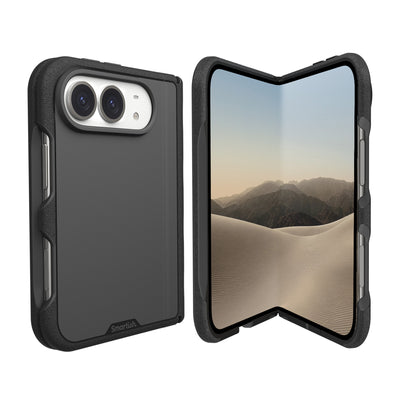
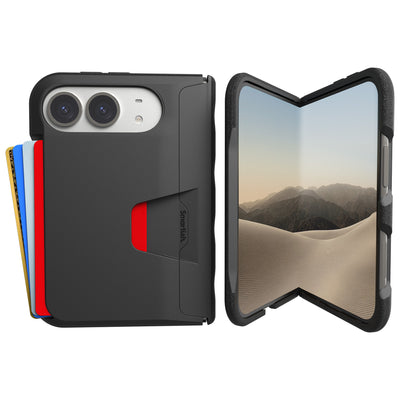
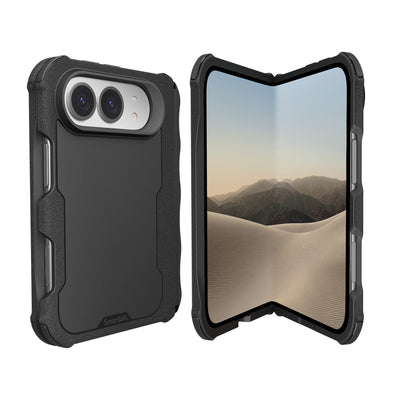
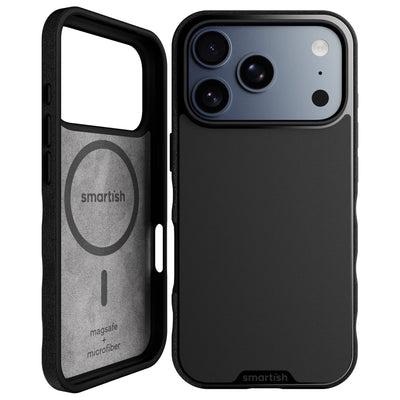
Smartish cases focus on real-world chaos management. Our Gripmunk and Gripzilla models feature air-pocket corners that absorb 6-foot drops, raised camera rings that protect lenses during face-down encounters, and grippy (not sticky) sides that prevent slips in the first place. No bulky latches, no complex sealing rituals, just reliable protection that fits your actual lifestyle.
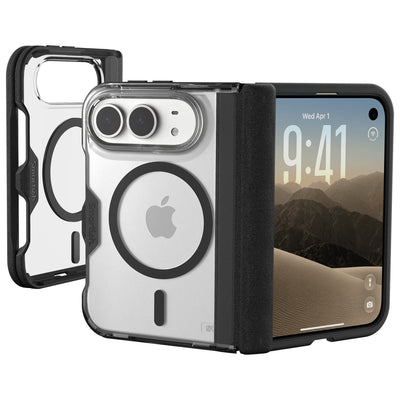
The waterproof case iPhone market often pushes extreme specs most users never need. Instead, we engineer for the daily hazards that actually threaten your device: pocket fumbles, countertop slides, and those inevitable moments when gravity wins. Our cases pass rigorous drop tests while maintaining MagSafe compatibility and precise port access.
Why choose smart protection over waterproof bulk? Because your phone spends more time in pockets, purses, and car cup holders than underwater. Explore our approach to clever case engineering in Our Thoughts and discover how we outsmart life's everyday obstacles.
The Verdict: Choosing Your Waterproof iPhone Protection Strategy

Your waterproof case iPhone decision hinges on honest usage assessment. If you regularly swim, snorkel, or work around water, invest in dedicated waterproof protection like Catalyst's 33-foot rated cases. For occasional pool days and weather protection, hybrid cases from OtterBox or Ghostek provide adequate submersion capability without daily bulk penalties.
Consider the hidden costs of waterproof cases: reduced touchscreen sensitivity, muffled audio, wireless charging limitations, and installation complexity. Many users discover they prefer reliable drop protection with occasional water resistance over full waterproof capability they rarely utilize.
The iPhone's built-in IP68 rating handles most real-world water encounters, rain, spills, brief submersion. Adding a quality protective case like Smartish's Gripzilla provides drop protection and enhanced water resistance without the bulk and limitations of dedicated waterproof designs.
Match your protection to your reality. Weekend warriors need different solutions than daily commuters. Choose based on your actual water exposure patterns, not worst-case scenarios that may never materialize.
For more on phone and water safety, see the FCC's phone and water damage fact sheet.
Looking Ahead: The Evolution of iPhone Water Protection
Apple continues improving native water resistance with each iPhone generation. The iPhone 17 series promises enhanced IP ratings and better seal technology, potentially reducing dependence on external waterproof cases for casual water exposure.
Emerging materials like graphene-enhanced polymers and self-healing rubber compounds may revolutionize waterproof case design. Future cases could maintain current protection levels while dramatically reducing bulk and improving touchscreen responsiveness underwater.
MagSafe integration presents ongoing challenges for waterproof case manufacturers. Magnetic connections inherently create potential seal failure points, though innovative magnetic-compatible waterproof designs continue emerging from specialty manufacturers.
The trend toward modular protection systems allows users to add waterproof capability when needed rather than carrying permanent bulk. Snap-on waterproof shells and magnetic waterproof attachments offer flexibility for users who occasionally need submersion protection without daily compromise.
Consider your upgrade timeline when selecting a waterproof case iPhone solution. Annual iPhone upgraders may prefer universal waterproof pouches over model-specific cases, while users who keep devices multiple years benefit from precision-fitted protection that maximizes both water resistance and daily usability.
If you're looking for the latest options for your device, browse our iPhone 16 cases for up-to-date protection.
Frequently Asked Questions
How does a waterproof case provide better protection than the iPhone's built-in water resistance?
A waterproof case fully seals your iPhone, protecting it from water exposure beyond the device’s built-in resistance. While the iPhone’s IP68 rating handles brief submersion in controlled conditions, a waterproof case guards against real-world factors like salt, chlorine, and movement that can compromise seals over time.
What key features should I look for when choosing a waterproof case for my iPhone?
Look for a case with a secure full seal, precise port and button coverage, and a raised camera ring for lens protection. It should be rated for submersion depth and time that fits your needs, and offer easy installation with reliable materials that won’t degrade quickly.
Can I use my iPhone underwater safely with a waterproof case, and how do I test the case before use?
Yes, a quality waterproof case allows underwater use within its rated limits. Before using it with your phone, test the case by submerging it empty in water for the recommended time to check for leaks and ensure the seals hold tight.
What maintenance steps are necessary to ensure my waterproof case remains effective over time?
Regularly clean the seals and case to remove dirt and debris that can break the waterproof barrier. Inspect for damage or wear before each use, and store the case dry and away from extreme temperatures to keep materials in good shape.