





thinnest iPhone 17 Pro case
Your iPhone 17 Pro is a marvel of engineering. It's also a slippery slab of glass and titanium with a death wish. You want to keep it slim, but gravity stays undefeated. Finding the thinnest iPhone 17 Pro case means balancing that naked-phone feel with real protection. Most ultra-thin cases are just scratch shields. We think you deserve better.
Key Takeaways
- The thinnest iPhone 17 Pro case often sacrifices drop protection for a barely-there feel, leaving your phone vulnerable to more than just scratches.
- A smart case balances slimness with real impact absorption, using features like raised edges and corner air pockets instead of just a thin layer of plastic.
- You don't have to choose between a naked-phone experience and keeping your glass-and-titanium slab alive after a tumble.
- Look for a case that disappears in your pocket but still passes the sidewalk test, because gravity doesn't care about your design preferences.
- The best protection comes from thoughtful engineering, not just the smallest millimeter measurement on the spec sheet.
What "Thinnest" Really Means for the iPhone 17 Pro
The thinnest iPhone 17 Pro case typically adds 0.3mm to 1.5mm of bulk. But thinness without impact protection is just a sticker. A 0.3mm skin might stop scratches, but it won't save your phone from a pocket-height drop. Real thinness means air-cushion corners and a raised camera ring. Features that absorb shock without adding bulk. We measure thickness at the corners and camera ring, not the thinnest side panel. That's where it counts.
| Case Type | Typical Thickness | Protection Level | Best For |
|---|---|---|---|
| Ultra-Thin Skin | 0.3mm - 0.5mm | Scratch protection only | Minimalists who never drop phones |
| Slim Protective | 1.0mm - 1.5mm | Daily drop protection | Most users wanting a slim feel |
| Rugged/Heavy Duty | 2.5mm+ | Maximum impact survival | Construction sites and extreme sports |
The Real Trade-Offs: Protection, Grip, and Everyday Use
The thinnest case often sacrifices grip and screen protection. Many ultra-slim cases use hard, smooth plastics that are just as slippery as the phone itself. A case that's too smooth is more likely to slip. And a flush screen lip means micro-scratches from table grit. We focus on tactile textures and contoured sides that help you keep a firm hold. Grippy, not sticky. A smart design adds a fraction of a millimeter of height to the screen and camera edges, so your expensive OLED and lenses never touch the surface.
Slim Case Architecture
Pros
- Maintains original phone ergonomics
- Fits easily into tight pockets and small bags
- Less weight for long scrolling sessions
- Better thermal dissipation for heavy tasks
Cons
- Limited shock absorption on hard drops
- Small screen lips offer less glass protection
- Often lacks space for high-strength magnets
MagSafe and Thin Cases: The Hidden Engineering Challenge
Ultra-thin cases can weaken MagSafe connections. Magnets need space to create a secure lock. A case under 0.5mm may cause your phone to slide off mounts or charge slowly. We refuse to make you choose between a slim profile and a strong connection. Our engineering team uses high-grade neodymium rings and precise placement to deliver maximum pull force without adding bulk. The result: a case that snaps onto chargers with a satisfying click and stays put on bumpy roads.
Why magnet strength matters more than you think
A weak magnetic connection turns your "snap-and-go" lifestyle into a "hold-it-in-place-and-pray" situation. Poor alignment slows charging and can even cause overheating. For anyone who relies on MagSafe wallets, battery packs, or car mounts, a case that sacrifices magnet strength for thinness is a compromise you'll feel every day. Understanding how MagSafe works helps you choose a case that won't leave you disconnected.
How Smartish keeps MagSafe strong without adding bulk
We integrate magnets directly into the case structure, maintaining a low profile that still holds your phone steady. We test with real accessories. Wireless chargers, magnetic wallets, car mounts. To ensure reliability. If a case claims to support magnetic features, it should handle the weight of the phone plus a few cards. Anything less is just plastic pretending to be high-tech.
- Precise Alignment: Ensures your phone snaps into the perfect charging position every time.
- High-Grade Magnets: Strong enough to hold your phone steady on vertical surfaces or mounts.
- Integrated Design: No bulky rings or add-on plates that ruin the smooth lines of your device.
- Accessory Compatibility: Works with a wide range of magnetic wallets and chargers without slipping.
Thin Case Materials: What Actually Works?
The best thin cases use a hybrid of polycarbonate and TPU. Polycarbonate provides rigidity and scratch resistance; TPU absorbs shock. Aramid fiber is strong but offers little shock absorption and can be slippery. For most people, a PC/TPU hybrid gives the best balance of protection, grip, and price. Clear cases can yellow over time due to UV and skin oils, but UV-resistant materials slow it down significantly. We use high-grade coatings that keep your case clear longer. No promises of forever, just honest performance.
Polycarbonate, TPU, aramid fiber. Who wins?
Aramid fiber is often marketed as the ultimate thin material, but it's expensive, hard to mold, and provides minimal drop protection. A smart mix of flexible and rigid materials is the way to go for real-world survival.
Clear case yellowing: separating fact from scare tactics
All clear plastics show some wear over time. But the idea that every clear case is doomed is overblown. We use UV-resistant materials that stay clear longer than generic stuff. If you change cases often, yellowing might not matter. For a "set it and forget it" accessory, material choice matters. We focus on clarity and structural integrity through months of daily use.
| Material | Flexibility | Clarity Retention | Drop Protection | Best Use Case |
|---|---|---|---|---|
| Polycarbonate | Low (Rigid) | High | Medium | Scratch protection and style |
| TPU | High (Flexible) | Medium (Can cloud) | High | Shock absorption and grip |
| Aramid Fiber | None (Stiff) | N/A (Usually colored) | Low (Rigid impact) | Extreme thinness and style |
| Hybrid (PC/TPU) | Medium | High (With coatings) | High | Overall daily protection |
How to Pick Your Perfect Thin iPhone 17 Pro Case
Your perfect thin case depends on your lifestyle. Minimalists want a barely-there feel. Commuters need grip. Pragmatists want to ditch the wallet. Match the case architecture to your daily risks without adding unnecessary weight.
For the minimalist who wants barely-there feel
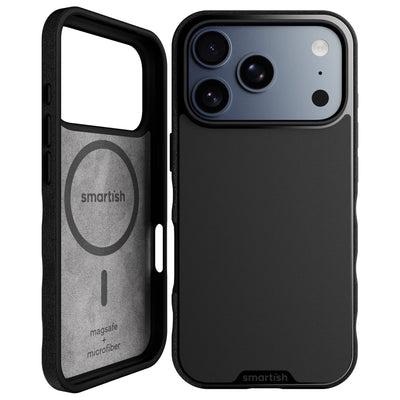
If your primary goal is to maintain the original ergonomics, the Gripmunk with MagSafe® - Slim Case for iPhone 17 Pro is the ultimate solution. It's designed to be the thinnest iPhone 17 Pro case that still offers legitimate protection. Air-pocket corners act like tiny airbags, keeping side walls thin while meeting drop-test standards. Subtle finger grooves provide a natural grip without changing the phone's shape in your pocket.
For the active lifestyle that still wants slim
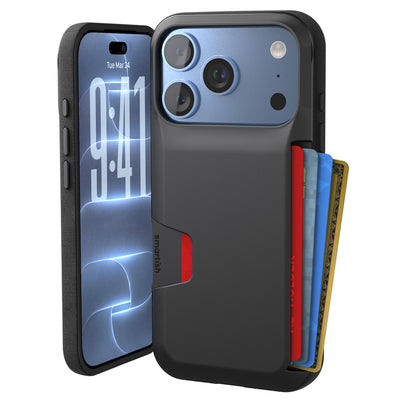
Need more "oomph" without the bulk? The Gripzilla with MagSafe® - Armor Case for iPhone 17 Pro offers reinforced dual-material construction in a surprisingly lean package. It's for the person whose phone might take a tumble on a hiking trail or gym floor. You get rugged peace of mind without feeling like you're carrying construction equipment.
For the wallet carrier (yes, thin can hold cards)
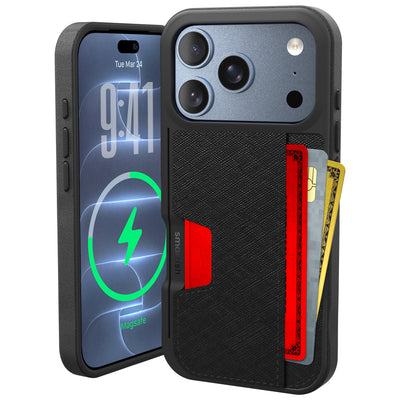
Many people assume carrying cards requires a bulky folio. The Wallet Slayer Vol. 2 proves otherwise. It holds up to three cards and some cash in a profile only slightly thicker than a standard protective case. A built-in kickstand adds hands-free viewing. It's about consolidating your essentials into one streamlined tool.
When you evaluate the thinnest iPhone 17 Pro case options, remember that the best choice solves your specific frustrations. Whether that's a slippery phone, lack of pocket space, or fear of a cracked screen. Smart materials and intentional geometry mean you never have to compromise on style to get the reliability you need.
Frequently Asked Questions
What does "thinnest" actually mean for an iPhone 17 Pro case?
The thinnest iPhone 17 Pro case is defined by how much bulk it adds to the phone's dimensions, but real thinness has to be functional. A 0.3mm skin offers scratch protection only, while a well-engineered 1mm to 1.5mm case provides daily drop protection with a minimalist feel. The thickness at the corners and camera ring matters most when the phone hits the ground.
How does a slim case affect drop protection?
A slim case trades shock absorption for a low profile, so the thinnest iPhone 17 Pro case may not survive a drop from pocket height. Cases with air-cushion corners and a thickness around 1mm to 1.5mm balance thinness with enough impact protection for daily use. For heavy duty protection you need a much bulkier case.
Why do some ultra-thin cases feel slippery?
Many ultra-slim cases use hard, smooth plastics that are just as slippery as the phone itself, which defeats the purpose of grip. The thinnest iPhone 17 Pro case should have a tactile texture and contoured sides to help you hold it securely without that sticky, lint-attracting feel. A case that stays in your hand is always more protective than one that relies solely on impact materials after a fall.
What is the screen lip on a thin case and why does it matter?
The screen lip is a raised edge around the display that keeps it off surfaces when you set the phone face down. Some ultra-thin cases sit flush, leaving the glass exposed to grit and crumbs. A smart design adds a fraction of a millimeter of height to protect your screen from micro-scratches that dull clarity over time.
Does the thinnest iPhone 17 Pro case work well with wireless charging?
Wireless charging and MagSafe performance can be affected by an ultra-thin case because the magnets and coils need proper alignment. A case that is too thin may cause weak connections or inconsistent charging. Look for a design that incorporates extra-strength magnets to maintain a secure hold without adding bulk.
Should I choose a super thin case or a more protective one for my iPhone 17 Pro?
It depends on your daily routine. If you work in an office with carpeted floors, a super thin skin might be enough for scratch protection. But if you commute on trains or chase kids, the thinnest iPhone 17 Pro case with air-pocket corners and a grippy texture offers better fall protection without turning your pocket into a cargo hold.