





Should I wait for the iPhone Ultra?
Should I wait for the iPhone Ultra? If your current phone still works, waiting is the sensible move. Reports suggest a first-generation foldable iPhone could bring a larger inner display, new hardware, and a starting price around $2,300. That’s not an impulse purchase. That’s a “please don’t drop it in the sink” purchase.
Key Takeaways
- If your current phone still works fine, hold off on buying a new one until the iPhone Ultra arrives.
- The rumored $2,300 price tag means this phone is a major investment, not a casual upgrade.
- A foldable iPhone could give you a much larger screen without making your pocket bulge, which changes how you carry your daily gear.
- Waiting makes sense if you can handle your current phone for another year or two until the Ultra proves its worth.
- Think about whether you really need a bigger display and advanced hardware before you commit to that kind of expense.
The choice comes down to what you need from your phone. A foldable could make reading, multitasking, travel planning, and photo editing more comfortable. It could also bring a hinge, flexible inner display, dust concerns, and unfamiliar case designs. If you want predictable durability and value, waiting for a later generation may be the better call.
Should you wait for the iPhone Ultra?
Wait if reliability, value, and proven hardware matter most. Buy at launch only if the folding design solves a regular problem, such as reading, multitasking, or carrying a tablet-sized display in your pocket. Reports point to a premium foldable, but the camera layout, Face ID approach, hinge durability, and inner display remain unconfirmed.
First-generation hardware often gives later models a useful head start. The original iPhone, iPad, AirPods, and Apple Watch all gained meaningful refinement in later generations, as documented by Macworld. That doesn’t mean the first Ultra will be bad. Early buyers may simply pay more to experience the product’s learning curve. Supply could add another wrinkle, with reports of “significant supply constraints” for new products.
What are the benefits of waiting?
Waiting gives the manufacturer time to learn from real-world use. A later model could bring a thinner hinge, better dust resistance, a less noticeable crease, improved battery efficiency, and more reliable accessories. It may also make camera tradeoffs clearer. Early reports raise the possibility of losing a telephoto camera compared with a large traditional phone. If zoom photography matters to you, patience deserves a seat at the table.
There’s a financial benefit, too. Reports place the launch price above $2,000, and a later generation may offer better value after the novelty wears off. A Reddit discussion about the first iPhone Ultra found that many participants planned to wait for a second generation. That isn’t a scientific poll, but it shows that caution is part of the conversation.
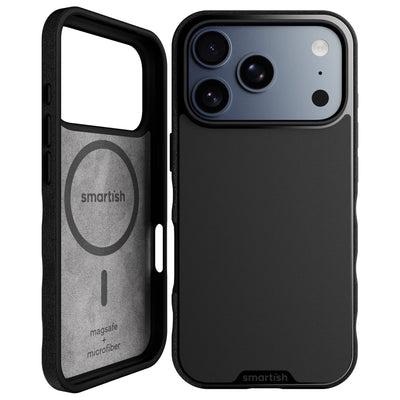
Waiting may also make protection easier. New dimensions, button placements, hinge movement, and delicate display areas can create fitment headaches for accessory makers. Until final specifications arrive, be wary of generic protection based on rumors. For an existing iPhone 16 Pro, the Gripmunk with MagSafe® - Slim Case for iPhone 16 Pro offers air-pocket corners, raised screen and camera edges, a textured grip, microfiber lining, and precise Camera Control access. It’s drop-tested 50 times from 6 feet and retails from $19.99 to $24.99. A little less suspense while you decide.
That same logic applies if you’re considering the iPhone 17. A current, established phone gives you known dimensions, a wider range of cases, and fewer unanswered questions than a first-generation foldable.
How should you decide whether to wait?
Start with your actual phone habits, not the shiny-object siren song of a folding display. List the tasks you want a foldable to improve: reading, split-screen work, photo editing, gaming, or travel planning. If your phone mostly handles messages, maps, music, and the occasional cat video, the extra display may not earn its keep.
- Set a first-generation budget. Include the phone, protection, insurance, and possible repair costs.
- Check the hardware tradeoffs. Look closely at the hinge, inner-screen material, crease, battery, dust protection, and camera layout.
- Wait for real reviews. Early battery reports, hinge feedback, software fixes, and case availability will tell you more than a launch video.
- Match the phone to your routine. Buy early only if the folding screen solves a problem you face every week.
A foldable phone has more parts to evaluate than a standard handset. Flexible display layers can scratch more easily than glass, and fine particles may affect moving components. Ask about repair pricing, warranty coverage, screen replacement, water resistance, and hinge service before placing a deposit. One reported dust-damage statistic from third-party research deserves careful source checking rather than blind acceptance.
Camera shoppers should wait for confirmed specifications. If you regularly shoot distant subjects, pets in motion, concerts, travel scenes, or portraits, telephoto performance matters. Check the complete camera layout, stabilization, low-light results, and video features. A giant display can’t rescue a camera system that misses the shots you care about.
References
Frequently Asked Questions
Should I buy the first iPhone Ultra or wait for the second generation?
Should I wait for the iPhone Ultra? For most shoppers, yes, especially if your current phone works well. A second generation may benefit from user feedback about hinge wear, inner-screen scratches, battery life, camera performance, software behavior, and case fit. Buy the first model only if the foldable screen solves a regular need and you are comfortable with early-adopter uncertainty.
How much will the iPhone Ultra cost?
Research from ESRtech estimates a starting price around $2,300. Apple has not confirmed final pricing, storage tiers, taxes, or carrier offers. Treat that figure as a planning estimate, not a price tag carved into a tablet. A case, screen protection, insurance, and possible repair costs belong in the real budget.
When will the iPhone Ultra be released?
Reports point toward a 2026 launch window, though Apple has not confirmed a final release date. Timing may vary by region and available inventory. New hardware can also face limited stock, preorder delays, and longer repair wait times. Check Apple’s official announcement and product page before making travel plans around a preorder button.
What are the biggest compromises of the iPhone Ultra?
The likely tradeoffs are physical rather than flashy: a more delicate inner display, hinge maintenance, dust exposure, crease visibility, and a larger repair bill. Early reports also raise questions about telephoto photography and Face ID. A foldable phone may offer more screen space while giving up some camera hardware, water-resistance confidence, pocket simplicity, or battery capacity. Those details deserve more attention than a dramatic launch video.
Is the iPhone Ultra worth $2,300?
It may be worth that price for someone who reads, multitasks, edits photos, or uses a large display every day. It is harder to justify if your routine centers on calls, messages, maps, streaming, and quick snapshots. Ask whether the folding format saves time or replaces another device. If the answer is mostly “it looks fun,” waiting is probably the kinder choice for your budget.