





Key Takeaways
- A phone lanyard is a strap-based accessory designed to secure your device around your neck, wrist, or across your body.
- It allows you to keep your phone accessible while freeing up your hands during daily activities.
- A phone lanyard helps prevent drops and pocket fumbles.
- It is especially useful when juggling multiple items like coffee, keys, and a ringing phone.
Table of Contents
- What Is a Phone Lanyard?
- Why Use a Phone Lanyard?
- Types of Phone Lanyards & How to Choose
- Key Features That Matter
- How to Attach and Use a Phone Lanyard
- Phone Lanyard vs. Other Carry Solutions
- Common Phone Lanyard Issues & Quick Fixes
- Best Phone Lanyards for Every Scenario
- Cleaning, Care & Customization Tips
- The Bottom Line: Choosing Your Perfect Phone Lanyard
- What's Next for Phone Lanyard Technology
What Is a Phone Lanyard?
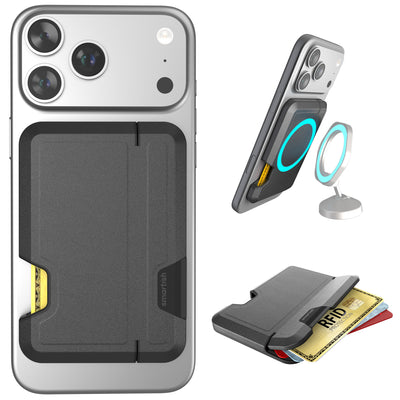
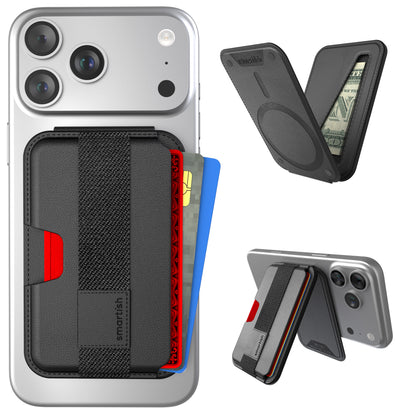
If you're looking for a practical way to keep your device secure and accessible, a universal cross body stick on wallet is a great example of a phone lanyard that combines convenience with extra storage.
Why Use a Phone Lanyard?
Hands-free convenience tops the list, perfect for commutes, concerts, grocery runs, or keeping up with busy schedules. No more phone fumbles means no sidewalk scrapes, and your device stays accessible for quick pics, calls, or directions without pocket gymnastics.
Real-world scenarios where phone lanyards shine: traveling abroad (security and quick access), running errands with full hands, work environments requiring ID access, festival adventures, or stroller walks where every hand counts. The lanyard transforms your phone from a liability into a seamless extension of your daily routine.
For those who want to explore more about the benefits and styles available, check out this guide to crossbody lanyards for iPhone for additional inspiration.
Drop Protection Reality: Most phone drops happen during transitions, pulling devices from pockets, bags, or while multitasking. A lanyard eliminates the most common drop scenarios by keeping your phone tethered and accessible.
Types of Phone Lanyards & How to Choose
Neck lanyards offer classic eye-level access, ideal for events or quick interactions. Wrist lanyards stay snug for text-and-go types, perfect for shopping or when you need frequent one-handed access. Crossbody lanyards provide bag-level security, excellent for travel or crowded environments.
| Type | Best For | Security Level | Comfort | Quick Access |
|---|---|---|---|---|
| Neck | Events, everyday use | Good | High | Excellent |
| Wrist | Errands, kids | Moderate | Very High | Good |
| Crossbody | Travel, festivals | Excellent | High | Good |
| Retractable | Work, ID access | Good | Good | Excellent |
Retractable lanyards offer the best of both worlds, extend your phone for use, then let it retract for security. Choose based on your primary use case: neck for general convenience, wrist for active scenarios, crossbody for security, and retractable for professional environments.
Key Features That Matter
Material quality determines longevity. Woven polyester and nylon offer the best durability with reinforced stitching, while silicone provides grip and flexibility. Leather adds style but requires more care. Most reliable lanyards feature adjustable straps (15-30 inch range) with lightweight hardware that won't weigh you down.
Attachment systems vary widely. Universal connectors slip between your phone and case, no tools required. Adhesive patches stick directly but may interfere with wireless charging. Built-in loops offer the most security but require compatible cases. Look for smooth strap edges to prevent neck irritation during extended wear.
Style options range from basic black to custom patterns and co-branded designs. The key is finding the sweet spot between function and personal expression, your phone lanyard becomes part of your daily carry aesthetic, so choose something that reflects your vibe while delivering reliable performance.
How to Attach and Use a Phone Lanyard
Universal tab method: Slip the connector between your phone and case, no tools needed, works with most setups. Adhesive patches: Peel, stick, and press for 30 seconds to cure; ideal for naked phones but may interfere with wireless charging. Built-in loops: Thread the lanyard through compatible case openings and snap to hardware for maximum security.
Adjust the strap length for comfort, slide the adjuster until it sits snug but not tight. Test different lengths to find your sweet spot for quick access. Always perform a gentle tug test after attachment; if there's any doubt, reattach for maximum safety.
For more on pairing your device with the right case and lanyard, see this helpful overview on iPhone and case compatibility and tips.
Pro Tip: If your phone lanyard interferes with charging ports, choose low-profile connector tabs or detach during charging sessions. Most quality lanyards reattach in under 30 seconds.
Phone Lanyard vs. Other Carry Solutions
Phone lanyards excel at true hands-free carry, while grips and loops require active holding. Crossbody lanyards offer superior security compared to wrist straps but sacrifice some quick-access convenience. Wallet cases with straps combine storage and tethering but add bulk that dedicated lanyards avoid.
| Solution | Hands-Free | Drop Protection | Bulk Added | Best Use Case |
|---|---|---|---|---|
| Phone Lanyard | Complete | High | Minimal | Active lifestyles |
| Phone Grip | None | Moderate | Low | One-handed use |
| Crossbody Strap | Complete | Very High | Minimal | Travel, events |
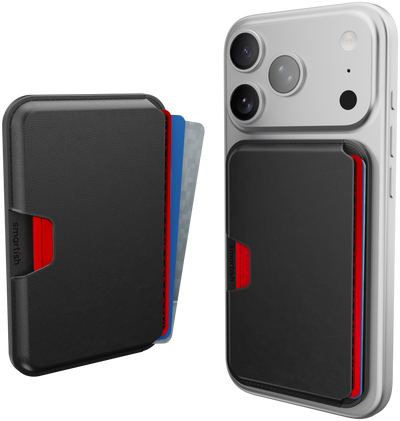
| Wallet Case + Strap | Complete | High | High | Minimal carry |
The choice depends on your primary need: pure convenience (standard lanyard), maximum security (crossbody), or consolidated carry (wallet case). Many users adopt a combo approach, lanyard for daily activities, grip for content creation.
Common Phone Lanyard Issues & Quick Fixes
Lanyard keeps detaching? Check for worn connectors and upgrade to reinforced patches or metal hardware. Strap feels uncomfortable? Switch to padded or rounded straps and adjust for a looser fit around your neck or wrist.
Charging interference? Use low-profile connector tabs or detach during charging, quality lanyards reattach quickly. Phone slipping out? Add anti-slip patches or upgrade to molded tabs that grip your device more securely.
Most attachment failures stem from worn hardware rather than design flaws. Inspect connection points monthly and replace components early, universal replacement kits typically install in under five minutes and cost less than a single phone repair.
Best Phone Lanyards for Every Scenario
For Latest Devices (iPhone 17, Android)
Best for: Ultra-thin cases, MagSafe compatibility, camera ring clearance
Look for lanyards with minimal connector profiles that won't interfere with wireless charging or camera functionality. Universal tabs work best with newer device geometries.
For more insights into the latest devices, read about the iPhone 17 and how phone lanyards can complement new phone designs.
For Travel & Outdoor Adventures
Best for: Security, weather resistance, active use
Crossbody styles with water-resistant materials and reinforced stitching handle outdoor conditions. Choose adjustable lengths that work over jackets or gear.
For Kids & Seniors
Best for: Easy attachment, lightweight comfort, security
Padded neck straps with simple clip mechanisms reduce complexity while providing reliable phone security during daily activities.
For Personal Expression
Best for: Custom patterns, brand coordination, aesthetic appeal
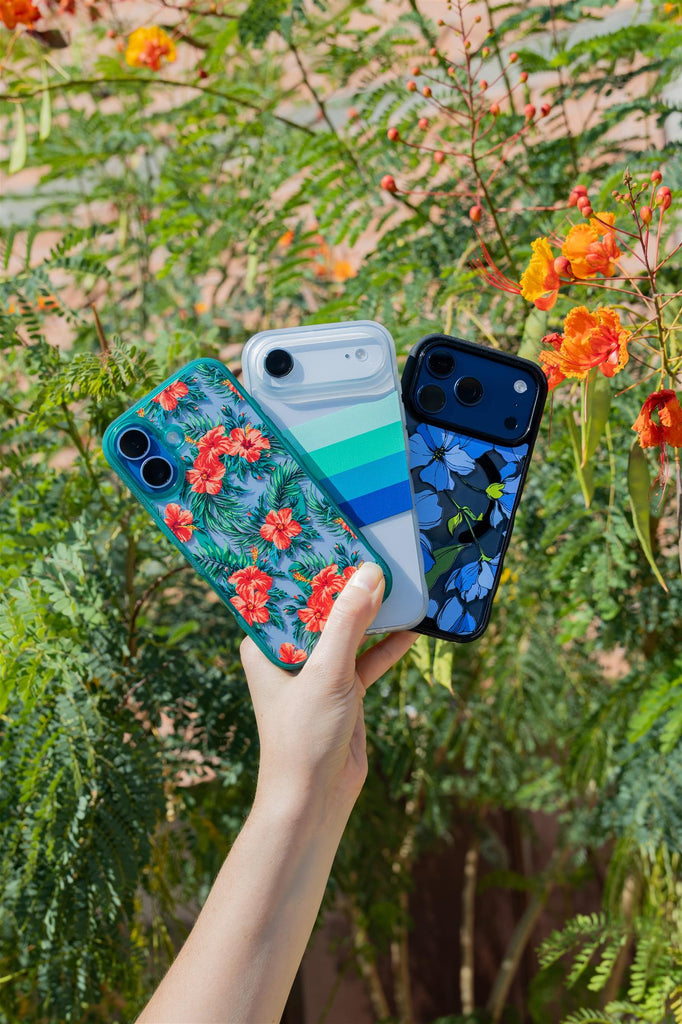
Vibrant fabrics, limited editions, and customizable options let your phone lanyard reflect your personality while delivering reliable performance.
Cleaning, Care & Customization Tips
Hand wash lanyard straps with gentle soap and let air dry, machine washing can weaken stitching over time. Wipe metal hardware with a damp cloth to prevent buildup that could affect attachment security.
Customize with charms, swap out straps seasonally, or choose limited-edition designs that match your style. Custom-printed lanyards work great for events, team branding, or family identification. Many manufacturers offer color-matching services for specific phone cases or accessories.
If you're interested in adding a personal touch, discover creative ideas for charm for phones to make your lanyard uniquely yours.
Longevity Hack: Inspect attachment points every month and replace worn components early. A $5 replacement tab beats a $200 phone repair every time.
The Bottom Line: Choosing Your Perfect Phone Lanyard
Phone lanyards solve the universal challenge of secure, accessible device carry without sacrificing style or functionality. The best choice depends on your lifestyle, neck lanyards for quick access, crossbody for security, wrist straps for active use.
Focus on quality materials and secure attachment methods rather than trendy features that won't last. Universal connector tabs offer the most versatility across different phones and cases, while reinforced stitching ensures your phone lanyard keeps up with daily wear.
At Smartish, we've spent years perfecting the balance between protection and convenience. Our phone lanyard solutions integrate seamlessly with our grippy cases, offering customizable style without compromising on the reliability you need for life on the go. Check out more of our clever solutions at Our Thoughts.
For a broader perspective on lanyards and their history, see the Wikipedia entry on lanyards.
What's Next for Phone Lanyard Technology
Emerging materials like recycled ocean plastic and bio-based polymers are making phone lanyards more sustainable without sacrificing durability. Smart integration with wireless charging systems continues improving, with low-profile connectors that don't interfere with power delivery.
Modular designs are gaining popularity, lanyards that transform from neck to crossbody to wrist configurations with quick-release mechanisms. As phones get lighter and more durable, expect phone lanyard designs to follow suit with ultra-minimal profiles that prioritize comfort during extended wear.
The future points toward seamless integration where your phone lanyard becomes as essential and invisible as your case, there when you need it, unnoticed when you don't, and stylish enough to complement rather than compromise your daily look.
For a scientific look at device-related injuries and prevention, review this medical study on mobile device safety.
Frequently Asked Questions
What are the main types of phone lanyards and how do I choose the best one for my needs?
The main types of phone lanyards are neck, wrist, crossbody, and retractable. Choose neck lanyards for easy eye-level access at events, wrist lanyards for quick one-handed use during errands, crossbody lanyards for secure, hands-free travel, and retractable lanyards for work environments needing ID access.
How does using a phone lanyard help prevent drops and improve phone accessibility during daily activities?
A phone lanyard keeps your device tethered to you, reducing drops during transitions like pulling your phone from pockets or bags. It frees your hands while keeping your phone within easy reach for quick calls, photos, or directions, making multitasking smoother and safer.
What key features should I look for to ensure durability and comfort in a phone lanyard?
Look for adjustable lengths, sturdy materials, and comfortable straps that won’t irritate your skin. Quick-release clips add convenience, while compatibility with your phone case ensures a secure fit without sacrificing comfort.
How do different attachment systems for phone lanyards affect compatibility with phone cases and wireless charging?
Attachment systems vary from stick-on mounts to case loops; some work better with slim or wallet-style cases. Choose a lanyard that attaches securely without blocking wireless charging or ports, ensuring your phone stays protected and fully functional.