


Key Takeaways
- A minimalist phone case is designed to protect without adding bulk.
- Raised screen edges help prevent scratches when the phone is face down.
- Air-pocket corners absorb impact at vulnerable points.
- Textured sides provide grip without sticking to pockets.
- The design avoids unnecessary padding, flashy elements, and moving parts while ensuring essential protection.
Table of Contents
- What Makes a Phone Case Minimalist (And Why It Matters)
- Minimalist vs. Other Phone Case Styles: Key Differences
- Materials That Define Quality Minimalist Cases
- Protection Without Bulk: How Minimalist Engineering Works
- Top Minimalist Phone Cases for 2024
- Feature-by-Feature Comparison
- Top Minimalist Phone Case Recommendations
- Future Considerations for Minimalist Phone Cases
What Makes a Phone Case Minimalist (And Why It Matters)
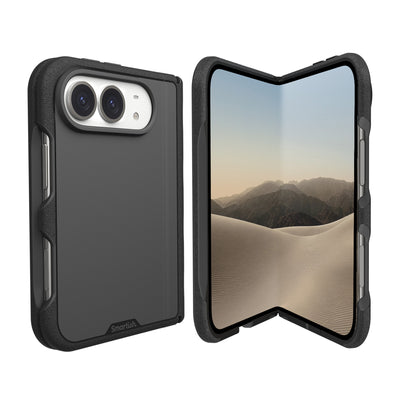
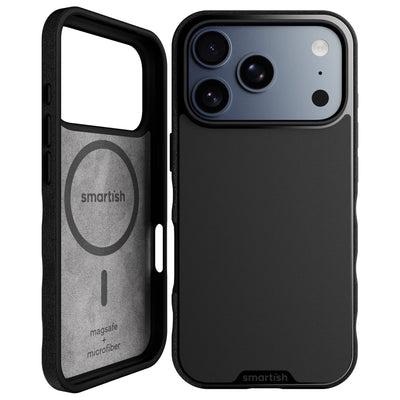
A true minimalist phone case isn't just thin, it's intentionally engineered to protect without bulk. Every design choice serves a purpose: raised screen edges prevent face-down scratches, air-pocket corners absorb impact at vulnerable points, and textured sides provide grip without sticking to your pocket. This philosophy strips away unnecessary padding, flashy designs, and moving parts while maintaining essential protection.
The appeal lies in preserving your phone's original feel while adding a protective layer that's barely noticeable. Quality minimalist cases achieve meaningful drop protection (tested from 6 feet) through strategic engineering rather than excessive material. Your phone still feels like your phone, just safer. Minimalist cases for the Galaxy S Series are a great example of this approach, offering robust protection without unnecessary bulk.
Genuine minimalist cases share specific characteristics that separate thoughtful design from simply being thin. One-piece construction eliminates complexity, no flaps, hinges, or parts that can break. Precise cutouts for ports and buttons ensure full functionality without removing the case. Strategic protection points like raised camera rings and screen edges work quietly without announcing themselves.
The material quality matters more than thickness. A well-engineered TPU case at 1/8 inch thick often outperforms poorly-designed cases twice that size. The goal is protection that doesn't compromise your phone's usability or pocket-ability. If you're interested in how minimalist design philosophy applies to iPhones, you might enjoy this in-depth look at iPhones and their cases.
Minimalist vs. Other Phone Case Styles: Key Differences

Understanding the distinctions between case categories helps you choose based on actual needs rather than marketing claims. Minimalist cases prioritize intelligent protection, maintaining robust drop protection while staying slim through thoughtful engineering.
Minimalist vs. Thick Protective Cases
Protective cases prioritize maximum cushioning, often adding 1/2 inch or more to your phone's thickness. They assume worst-case scenarios and build accordingly. Minimalist cases assume mindful use and prioritize feel and pocket-ability. Both offer solid drop protection, but they make different trade-offs about bulk and daily usability.
Minimalist vs. Wallet Cases
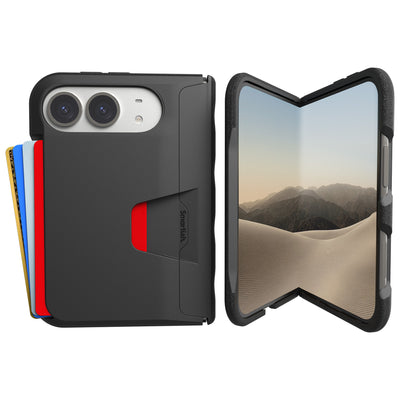
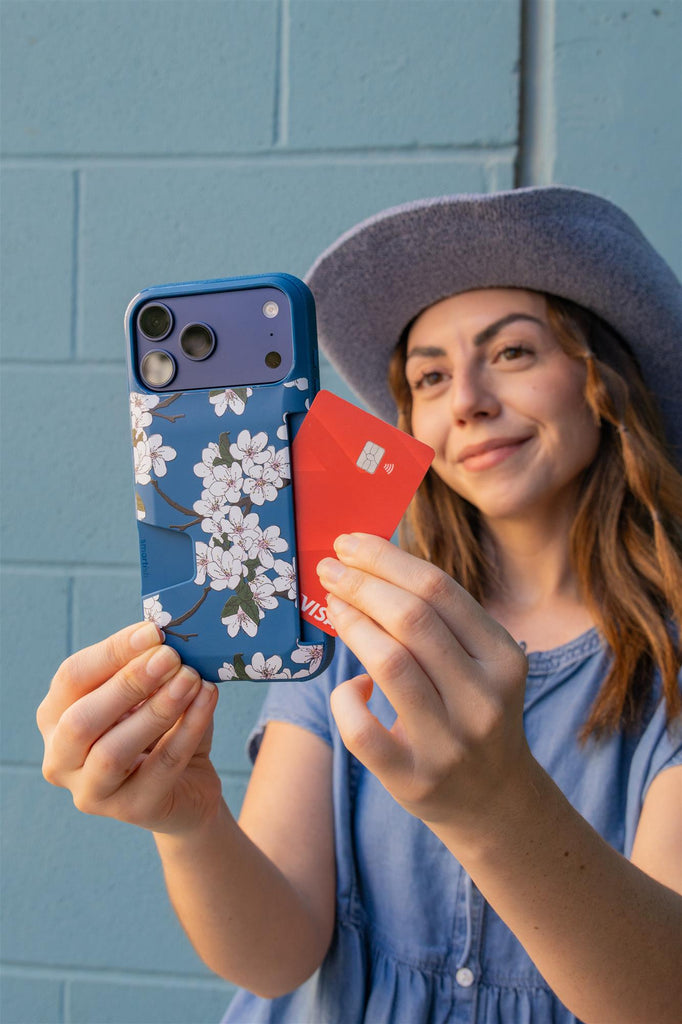
Wallet cases add card storage and sometimes kickstand functionality, increasing thickness and complexity. True minimalist wallet designs (like those with spring-loaded card slots) prove you can blend functions without sacrificing core minimalist principles. The difference lies in execution, thoughtful integration versus added bulk.
Minimalist vs. Basic Clear Cases
Not all slim cases are minimalist. Some thin cases compromise on air-pocket corners or raised screen edges, trading protection for extreme thinness. Minimalist design isn't about being clear or opaque, it's about intentional construction that maintains protection while staying slim.
Materials That Define Quality Minimalist Cases
Material choice directly impacts how a minimalist phone case feels, performs, and ages. Each material makes specific promises about durability and tactile experience.
TPU: The Workhorse Material
TPU (thermoplastic polyurethane) dominates quality minimalist cases because it's flexible, absorbs shock effectively, and ages well. Quality TPU maintains its grip without becoming sticky and resists yellowing when formulated properly. It feels organic in your hand, slightly textured and grippy, without interfering with pocket insertion.
Polycarbonate: Rigid Precision
Polycarbonate offers harder, more rigid protection that's naturally thinner than TPU for equivalent protection. It feels premium and scratch-resistant but less forgiving at certain drop angles. Many premium minimalist cases blend materials, soft TPU interior with polycarbonate shell, combining benefits.
Clear Materials and Anti-Yellowing Technology
Clear cases don't inherently yellow more than colored cases, this is how light-colored plastics age with UV exposure. Quality clear cases use anti-yellowing formulas and stay transparent far longer than cheap alternatives. The key is choosing brands invested in solving this specific problem. For more on choosing the right case for your iPhone, see this guide to the best iPhone cases.
Protection Without Bulk: How Minimalist Engineering Works
Minimalist cases achieve meaningful protection through strategic engineering rather than brute-force thickness. Understanding this engineering helps you evaluate what you're actually getting.
Air-Pocket Corners: Strategic Impact Absorption
Air-pocket corners compress on impact, absorbing force before it reaches your phone. Positioned at the four corners where phones most often land, these hollow sections must be precisely engineered, too rigid and they don't absorb impact, too soft and they bottom out. Quality minimalist cases nail this balance.
Raised Edges: Screen and Camera Protection
A 1mm raised screen edge prevents your display from touching surfaces when dropped face-down. Raised camera rings protect lenses without creating bulky camera bumps. These details separate thoughtful design from lazy design, your most important components get protection that doesn't announce itself.
Material Density vs. Thickness
A well-engineered minimalist case's ability to absorb and dissipate force matters more than raw bulk. Strategic button coverage balances protection with usability, fully covering buttons (except camera control) while maintaining native feel. This is engineering users rarely think about but immediately notice.
Top Minimalist Phone Cases for 2024

The minimalist phone case market has evolved significantly, with brands focusing on intelligent design rather than extreme thinness. These cases prove that protection doesn't require bulk, just thoughtful engineering. Here's how the leading options stack up when you need a case that protects without announcing itself.
Smartish Gripmunk - Best Overall Minimalist Design
Best for: Anyone wanting proven protection in a genuinely slim profile that works with MagSafe and wireless charging.
The Gripmunk represents eight years of refinement in minimalist case design, earning Wirecutter's "best case for most people" recognition consistently. Its finger grooves create natural hand placement that reduces fatigue during extended use, while air-pocket corners handle drops from 6 feet onto concrete. The raised screen edge sits at exactly 1mm, enough to protect your display when face-down without creating bulk you'll notice in your pocket.
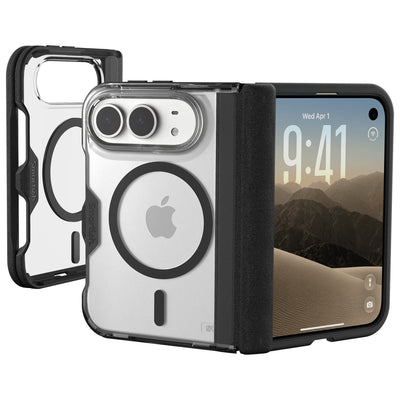
What sets the Gripmunk apart is its material engineering. The anti-yellowing TPU maintains clarity and grip texture significantly longer than standard formulations. MagSafe compatibility works flawlessly without adding thickness, and the precise camera control cutout integrates seamlessly with newer iPhone models. The case feels intentional in your hand, every surface serves a purpose.
Smartish Gripzilla - Maximum Protection, Minimal Bulk
Best for: Active lifestyles and commuters who need serious protection but refuse to carry a brick.
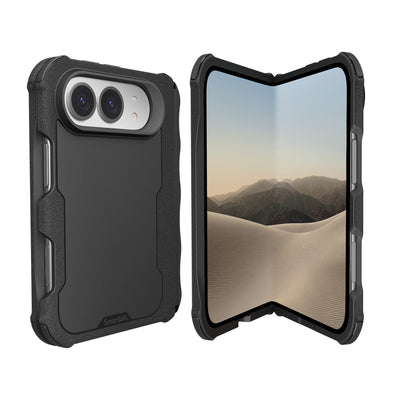
The Gripzilla bridges minimalist design with protective functionality through a rigid backplate and enhanced air-pocket system. It's thicker than the Gripmunk but maintains the same drop-test rating while feeling more substantial in hand. The textured grip pattern provides exceptional security without the sticky feel that plagues many protective cases.
This case excels in real-world scenarios where drops happen regularly, crowded trains, outdoor activities, or simply butterfingers. The raised camera ring provides robust lens protection, and the button integration feels completely native. MagSafe works perfectly, proving that protection and modern features aren't mutually exclusive.
How Other Brands Compare
Generic minimalist cases flood the market with similar aesthetics but inconsistent execution. Many sacrifice essential features like proper air-pocket corners or adequate screen edge height to achieve extreme thinness. Others use inferior TPU that yellows quickly or loses grip texture within months.
Typical Market Alternatives Strengths:
- Often available at lower price points
- Wide variety of colors and finishes
- Quick availability for new phone releases
Common Limitations:
- Inconsistent drop protection testing
- Poor material quality leading to rapid yellowing
- Imprecise cutouts affecting button responsiveness
- Grip texture that degrades quickly with use
The difference becomes apparent after 3-6 months of daily use. Quality minimalist cases maintain their protective properties and aesthetic appeal, while budget alternatives often require replacement due to material degradation or reduced functionality. For those seeking a more personalized touch, you might also be interested in custom iPhone case options.
Feature-by-Feature Comparison
Understanding how minimalist phone case features compare across brands helps identify which details actually matter for daily use. This breakdown focuses on tangible differences you'll experience rather than marketing claims.
| Feature | Smartish Gripmunk | Smartish Gripzilla | Typical Market Alternative |
|---|---|---|---|
| Drop Test Rating | 6 feet onto concrete | 6 feet onto concrete | Often untested or vague claims |
| Material Quality | Anti-yellowing TPU formula | Rigid backplate with TPU edges | Standard TPU, yellows quickly |
| Screen Edge Height | 1mm raised edge | 1mm raised edge | Varies, often insufficient |
| Air-Pocket Corners | Strategic placement, proper density | Enhanced system with rigid backing | Often absent or poorly designed |
| Button Integration | Native feel, precise cutouts | Native feel, precise cutouts | Mushy response, poor fitment |
| MagSafe Compatibility | Full compatibility, no interference | Full compatibility, no interference | Hit or miss, often weak connection |
| Grip Texture Durability | Maintains texture 2+ years | Enhanced texture, longer lasting | Degrades within 6 months |
The comparison reveals that minimalist design isn't just about aesthetics, it's about engineering quality at every level. Features like air-pocket corner density and button integration quality separate thoughtful design from cost-cutting shortcuts. These differences compound over time.
Top Minimalist Phone Case Recommendations
After evaluating materials, protection features, and real-world performance, these cases represent the best of minimalist design philosophy. Each excels in specific scenarios while maintaining the core principles of slim profiles, intelligent protection, and thoughtful engineering.
Gripmunk - Best Overall Minimalist Design
Best for: Daily carry, professional environments, MagSafe users
The Gripmunk achieves the minimalist ideal through strategic material choices and precision engineering. Air-pocket corners absorb impact at vulnerable points while maintaining a slim profile that feels natural in your hand. The raised screen edge and camera ring provide face-down protection without creating bulk. Finger grooves reduce hand fatigue during extended use, a detail that separates thoughtful design from basic protection.
MagSafe compatibility works seamlessly without affecting the case's slim profile or protection level. The anti-yellowing formula keeps clear versions looking fresh longer than typical alternatives. Precise cutouts accommodate the camera control button while maintaining the case's integrated feel.
Gripzilla - Protective Minimalist Option
Best for: Active lifestyles, outdoor adventures, frequent travelers
The Gripzilla bridges minimalist principles with enhanced protection through a rigid backplate design. This isn't bulk for bulk's sake, the structured approach distributes impact more effectively while maintaining pocket-friendly dimensions. The same air-pocket corner technology and raised edges work alongside the reinforced back to handle drops from 6 feet onto concrete.
MagSafe functionality remains intact despite the protective upgrade. The textured grip surface provides secure handling without the sticky feel that makes cases annoying to pocket. For users who need minimalist aesthetics but can't compromise on protection, this represents the sweet spot.
| Feature | Gripmunk | Gripzilla | Generic Minimalist |
|---|---|---|---|
| Profile Thickness | Ultra-slim | Slim-protective | Varies widely |
| Drop Protection | 6ft tested | 6ft tested | Often untested |
| MagSafe Compatible | Yes | Yes | Inconsistent |
| Anti-yellowing | Formulated | Formulated | Not specified |
| Button Integration | Precise cutouts | Precise cutouts | Generic sizing |
| Air-pocket corners | Engineered density | Engineered density | Basic hollow |
Future Considerations for Minimalist Phone Cases

The minimalist phone case category continues evolving as phone designs and user behaviors shift. Understanding these trends helps you make decisions that remain relevant longer.
Sustainable Materials Without Compromise
Plant-based TPU and recycled polycarbonate are emerging as viable alternatives to traditional plastics. These materials maintain the protection and feel of conventional options while reducing environmental impact. Early adopters report similar durability and aging characteristics, suggesting this shift won't require performance trade-offs.
The key development is bio-based materials that match traditional performance rather than requiring users to accept inferior protection for environmental benefits. This represents genuine progress in minimalist design philosophy, achieving multiple goals through single solutions.
Adapting to Evolving Phone Designs
As phones become thinner and camera systems more prominent, minimalist cases must adapt without abandoning core principles. Camera control buttons require precise integration. Larger camera bumps need protection that doesn't create excessive bulk. Wireless charging demands materials that don't impede efficiency.
The challenge lies in accommodating new features while maintaining the essential minimalist phone case experience. Cases that solve these problems through clever engineering rather than added bulk will define the next generation of minimalist design. For a look at the latest iPhone models and their case needs, check out this review of the best iPhone 17 Pro Max cases.
The Minimalist Advantage
Minimalist cases represent more than aesthetic preference, they're a philosophy about how technology should integrate with daily life. By choosing protection that doesn't announce itself, you maintain the original design intent of your device while gaining practical benefits that matter in real-world use.
Making Your Minimalist Case Decision
The best minimalist phone case balances your actual risk profile with your aesthetic preferences and functional needs. If you handle your phone mindfully and value the feel of the original device, a slim option like the Gripmunk delivers protection without compromise. If your lifestyle demands more robust protection but you still want minimalist aesthetics, the Gripzilla provides that middle ground.
Consider your upgrade cycle, daily environment, and personal handling habits. A minimalist case works best when it matches your actual behavior rather than your aspirational behavior. The goal isn't finding the thinnest possible case, it's finding the right balance of protection, feel, and functionality that enhances rather than hinders your daily phone use.
Quality minimalist design rewards you every time you reach for your phone. It fits your pocket naturally, feels responsive in your hand, and protects intelligently without bulk. This daily experience compounds over months.
Frequently Asked Questions
What design features distinguish a true minimalist phone case from other slim cases?
A true minimalist phone case features raised screen edges, air-pocket corners for impact absorption, and textured sides for grip without stickiness. It avoids extra padding, flashy elements, or moving parts, focusing on purposeful protection and precise cutouts for buttons and ports.
How do minimalist phone cases provide effective protection without adding bulk?
They use strategic engineering like air-pocket corners and raised edges to protect vulnerable areas while keeping materials thin and lightweight. This approach delivers meaningful drop protection without compromising the phone’s slim profile or usability.
What materials are commonly used in high-quality minimalist phone cases and why do they matter?
Durable, flexible materials like TPU are common because they absorb shocks well while staying thin. Material quality matters more than thickness, ensuring protection without sacrificing grip, feel, or pocket-ability.
How do minimalist phone cases compare to other styles like thick protective or wallet cases in terms of usability and protection?
Minimalist cases prioritize slimness and ease of use with precise cutouts and no extra bulk, while still offering solid protection. Thick protective cases add more padding and bulk for extra defense, and wallet cases combine storage with protection but are heavier and less pocket-friendly.