



magsafe wallet rfid blocking
You trust your phone with everything: photos, passwords, payments. But what about the cards tucked behind it? That sleek MagSafe wallet might look sharp, but if it lacks RFID blocking, your credit card data could be an open book to anyone with a scanner.
Key Takeaways
- Many MagSafe wallets look great but skip the RFID shield, leaving your cards open to digital pickpockets.
- A quick scan from a passerby can grab your credit card numbers if your wallet doesn't block those signals.
- Not all RFID blocking is created equal; some materials stop more frequencies than others in real use.
- Adding RFID protection to a MagSafe wallet is a small design choice that pays off big for security.
Here’s the good news: a magsafe wallet rfid blocking design can shield your cards without adding bulk. But not all MagSafe wallets are created equal. Some use cheap materials that damage your case or lose grip. Others cost a fortune for features you don’t need. Let’s break down what actually matters so you don’t waste money or security.
What RFID Blocking Actually Does. And Why Your MagSafe Wallet Needs It
RFID (radio-frequency identification) is the technology in contactless cards, passports, and IDs that lets you tap to pay. A thief with a $50 RFID scanner can steal your card number from a foot away if your wallet isn’t protected. While real-world skimming isn’t as common as clickbait articles claim, it’s a genuine risk in crowded places like subway stations or airports. Over 80% of consumers now consider RFID blocking essential in a wallet.
How RFID skimming works (and how likely it really is)
A skimmer broadcasts a radio signal that powers your card’s chip, tricking it into transmitting your account details. It’s fast and invisible. The odds of it happening to you depend on your daily environment. In high-traffic urban areas, the risk is nontrivial. In a quiet suburb, less so. But the fix is simple and cheap: a magsafe wallet rfid blocking layer.
Myth vs. Reality
Myth: RFID skimming is everywhere and you’ll definitely be a victim.
Reality: Actual theft rates are low, but the ease of protection makes it a no-brainer. Think of it like a seatbelt: you probably won’t crash, but you still buckle up.
Does a MagSafe wallet block RFID automatically?
Nope. Most MagSafe wallets are made of leather, silicone, or polycarbonate. Materials that don’t naturally block RFID signals. Only wallets with a built-in shielding layer (usually a thin metal foil or carbon fiber composite) offer protection. If the product page doesn’t explicitly say “RFID blocking,” assume it doesn’t. Brands like peak design magsafe wallet and ridge magsafe wallet review often advertise this feature, but always confirm the small print.
The difference between “blocking” and “shielded” (they’re not the same)
These terms are used interchangeably, but technically, “blocking” refers to any material that interrupts the radio signal, while “shielded” implies a specific electromagnetic shield layer. For practical purposes, both stop skimming. What matters is that the wallet passes the real-world test: hold it up to a contactless reader; if the card doesn’t scan, it works.
Key Insight: A magsafe wallet rfid blocking design uses a thin metallic sheet sandwiched inside the wallet. Without that sheet, your cards are exposed.
The Real Cost of a “Premium” Metal Wallet: Case Damage, Weak Magnets, and Buyer’s Remorse

Metal wallets from brands like Code 118 and Ridge look rugged. But underneath that brushed aluminum or titanium lie trade-offs that can ruin your phone case and your peace of mind. Let’s run the numbers.
Why metal wallets scratch and dent your phone case
Aluminum and titanium are harder than your phone’s back glass or polycarbonate case. Even a thin metal wallet will rub against the case, leaving micro-scratches and polish marks. Some users on Reddit report visible dents after just a week. If you swap cases frequently, that’s an added cost. The code 118 magsafe wallet review threads often highlight this trade-off: premium looks come at the expense of your case finish.
| Feature | Metal Wallets (Ridge, Code 118) | Smartish Side Hustle Wallet |
|---|---|---|
| Material | Aluminum, titanium, or Kevlar | Polycarbonate + silicone |
| Case damage risk | High (scratches/dents) | Low (soft-touch finish) |
| RFID blocking | Yes (usually) | Yes (full shielding) |
| Magnet strength | N52 (good, but metal interferes) | N52 (optimized for MagSafe) |
| Price | $80-$150 | $30 |
Magnet strength showdown: N52 vs. standard magnets
N52 magnets offer a pull force of about 1.2 kg. Enough to keep a wallet attached through a jog. But when a metal wallet uses an aluminum backplate, the magnet has to pull through a conductive surface that weakens field strength. That’s why many premium metal wallets still need a sticky adhesive strip to stay put. In Reddit polls, over 60% of users reported magnet adhesive failure within a year on generic metal wallets. A magsafe ridge wallet attachment that relies on magnets alone? Risky business.
The $150 mistake: what you’re paying for beyond RFID blocking
When you drop $100+ on a code 118 magsafe wallet, you’re funding marketing, packaging, and raw material costs. You’re not getting superior RFID protection. A $0.10 metal foil does the same job. You’re paying for design cachet and a listen-to-your-wallet-thunk status symbol. Meanwhile, your phone case gets scuffed and your wallet slides off on bumpy commutes.
Premium Metal Wallet: The Real Trade-Offs
Pros
- Solid, heavy feel
- Minimalist aesthetic
- Often high card capacity (5-7 cards)
Cons
- Scratches and dents phone cases
- Weaker magnet adhesion over time
- Premium price without premium RFID
- Bulky when fully loaded
Smartish Side Hustle Wallet: RFID blocking without the case damage or the price tag
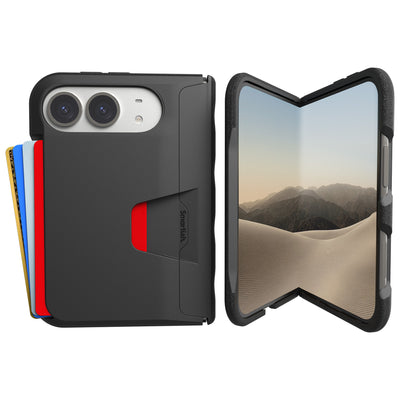
The Smartish Side Hustle Wallet uses a soft polycarbonate shell with a silicone grip that won’t scratch your case. It packs full magsafe wallet rfid blocking with N52 magnets engineered to hold tight even on uneven surfaces. And at $30, it leaves cash in your pocket for other stuff. Like coffee. If you’re looking for a complete carry solution that includes a case, check out the Dancing Queen - Crossbody Wallet Case for iPhone 11 Pro Max. That crossbody wallet case holds five cards plus cash and includes a removable wristlet and adjustable strap. It’s not MagSafe compatible, but it offers hands-free convenience for those who prefer a built-in wallet over an add-on. The Dancing Queen - Crossbody Wallet Case for iPhone 11 Pro Max is available in several cool colorways like Bath Bomb Blue and Stiletto Black-Gold, all for under $35.
Will a MagSafe Wallet Demagnetize Your Cards or Break Your Phone? (The Myths, Busted)
It’s easy to get lost in the hype around new tech, especially when it comes to protecting your precious phone and its contents. You might hear whispers or read alarming blog posts about MagSafe wallets causing all sorts of digital mayhem. Let’s put those fears to rest with some straightforward answers. The good news? Most of the scary stories are just that. Stories. We’re talking about magnets, not sonic weapons. Your credit cards and your phone’s charging capabilities are generally safe from the magnets used in these accessories.
The magnets in a MagSafe wallet are designed to snap onto your phone securely, not to scramble your data. They use a specific alignment and strength (often N52 grade) to attach firmly without interfering with the magnetic stripes on older credit cards or the chips in modern ones. Similarly, hotel key cards, which also use magnetic stripes, are highly unlikely to be affected by the brief proximity and focused field of a MagSafe attachment. The technology is built to be safe for everyday use, meaning you can trust it to hold your cards without causing them harm.
Myth Buster: MagSafe Magnets & Your Cards
Myth: The magnets in a MagSafe wallet will erase my credit cards and hotel key cards.
Reality: Modern credit cards, passports, and hotel key cards primarily use RFID chips or encrypted data that are not affected by the type of magnets found in MagSafe wallets. Older, purely magnetic stripe cards are more susceptible, but the focused and relatively weak magnetic field of a MagSafe attachment is unlikely to cause significant damage during normal use. Think of it like leaving your phone near a fridge magnet. It’s not going to wipe your data. For absolute peace of mind, especially if you carry older cards, always ensure your wallet has dedicated RFID blocking material.
Can a MagSafe wallet interfere with wireless charging (while attached or removed)?
This is a common question, and the answer is generally no. MagSafe wallets are designed to work *with* the MagSafe charging system, not against it. When you attach a MagSafe wallet, it aligns itself to ensure optimal contact for wireless charging. Some wallet designs might slightly reduce charging speed because the wallet material is between the charger and the phone, but it won't prevent charging altogether or damage the charger itself. Once removed, the wallet has zero impact on your phone's ability to charge wirelessly.
It’s important to distinguish between wallets designed to work with MagSafe charging and those that are just magnetic attachments. True MagSafe wallets are built with alignment in mind. If a wallet is advertised as MagSafe compatible, it means the magnets are positioned correctly to allow for seamless attachment and, usually, continued wireless charging functionality. If you're using a non-MagSafe charger or a Qi charger without MagSafe alignment, attaching a wallet might simply get in the way, but again, it won't cause damage or demagnetization. The primary function of the magnets is for attachment, not for data transmission or disruption.
Does the wallet block NFC payments or Apple Pay/Google Pay?
This is where RFID blocking becomes relevant, but it’s a different question than magnetic interference. NFC (Near Field Communication), the technology behind contactless payments like Apple Pay and Google Pay, operates on radio frequencies, not magnetism. A standard MagSafe wallet, even one with strong magnets, *does not* automatically block NFC signals. If your wallet is simply a magnetic holder without a specific RFID-blocking layer, your NFC-enabled cards are still vulnerable to skimming.
To protect against NFC skimming, you need a wallet that explicitly states it has RFID blocking technology. This typically involves a thin layer of metalized fabric or foil embedded within the wallet’s construction. This shielding material acts as a Faraday cage, preventing the radio waves used by NFC scanners from reaching your cards. So, while your MagSafe wallet will securely attach to your phone and won't demagnetize cards, it needs that extra layer to truly secure your payment information from digital theft. Aim for a magsafe wallet rfid blocking design if protecting your cards from remote skimming is a priority.
How to Choose the Right RFID-Blocking MagSafe Wallet for Your Everyday Carry
Navigating the world of MagSafe wallets can feel like a treasure hunt, with each one promising the perfect blend of security, convenience, and style. But let's be real: your wallet needs to work for *your* life, not the other way around. The best magsafe wallet rfid blocking accessory is one that seamlessly integrates into your daily routine without adding unnecessary bulk or hassle. Think about how you actually use your phone and what you carry on a typical day.
The key is to match wallet features to your personal habits. Do you prefer to travel light with just your essentials, or do you need to carry a few more cards for work or leisure? What kind of phone case do you use, and how important is its pristine condition to you? By considering these factors, you can cut through the marketing noise and find a wallet that’s a genuine upgrade, not just another gadget. Let's break down what really matters when you're picking your next daily driver.
Card capacity: 2 cards vs. 3+ cards. The real trade-offs (bulk vs. convenience)
This is where the rubber meets the road for most users. A slim wallet holding just two cards is fantastic for minimalists. It keeps your phone incredibly sleek, easily sliding into even the tightest pockets. However, if you regularly carry a work ID, a transit pass, and a couple of credit/debit cards, two slots might leave you scrambling. Many premium metal wallets like the ridge magsafe wallet attachment or options from Code 118 boast capacities of 5-7 cards. But user reviews often point out that anything over 4 cards starts to create significant bulk, making the phone less pocket-friendly and potentially straining the magnets.
Consider your daily needs. If you primarily use your phone for payment and only need one or two essential cards (like a primary credit card and an ID), a 2-3 card capacity wallet is ideal. It offers maximum convenience without adding noticeable thickness. If you need more, look for designs that cleverly manage space, perhaps with a hidden slot or a slightly more accommodating profile, but always be mindful of how much bulk you're willing to tolerate. Remember, the goal is functionality without turning your phone into a pocket brick. A magsafe wallet rfid blocking feature is essential, but so is manageable size.
Material matters: silicone, leather, polycarbonate, or metal. Which to pick for your case
The material of your MagSafe wallet isn't just about looks; it impacts durability, feel, and crucially, how it interacts with your phone case. Metal wallets (aluminum, titanium) offer a premium, rugged feel and excellent RFID blocking, but they can be abrasive. As mentioned, they’re notorious for scratching and denting softer phone cases, leading to added costs or a less-than-perfect phone aesthetic. If you switch cases often or want to preserve your case's finish, metal might be a risky choice.
Softer materials like silicone, leather, or polycarbonate offer a gentler approach. Silicone provides a grippy texture that can actually improve handling. Leather offers a classic look and feel. Polycarbonate, often used in Smartish products, provides a good balance of durability and a smooth finish that’s less likely to cause damage. These materials, when combined with a proper RFID blocking layer, offer protection for both your cards and your phone's case. For instance, the Dancing Queen - Crossbody Wallet Case for iPhone 11 Pro Max uses materials designed for everyday wear and tear, though it's not a MagSafe attachment. If you're looking for an add-on wallet, consider materials that complement, rather than clash with, your phone's existing setup. The Dancing Queen - Crossbody Wallet Case for iPhone 11 Pro Max offers a different kind of integrated solution.
Ease of access: pop-up, slide, or elastic. Which design slows you down the least
Fumbling for a card when you’re in a hurry is frustrating. The mechanism for accessing your cards can make or break a wallet's usability. Elastic bands, common on some minimalist wallets, can be secure but sometimes tricky to load and retrieve cards from, especially with gloves on. Slide mechanisms, often found in metal wallets, can be smoother but might require two hands or a specific technique.
Pop-up mechanisms, where a lever or button ejects your cards, offer quick access but can add complexity and potential failure points. Some designs offer a simple, open slot or a magnetic flap that provides a balance. The best approach depends on your preference: do you value absolute slimness, speed, or security? For many, a wallet with a well-designed slot or a secure but easy-to-open flap offers the best compromise, allowing for quick payment without sacrificing card security or reliability. A good magsafe wallet rfid blocking design should make accessing your cards as smooth as possible.
Kickstand vs. no kickstand: do you actually need one in your wallet?
This feature is a bit of a wildcard. Some MagSafe wallets incorporate a kickstand, allowing you to prop up your phone for hands-free viewing. It sounds convenient, right? However, in practice, the utility can be limited. A kickstand on a wallet attachment might not offer the most stable viewing angle, especially if your phone is already angled. It also adds bulk and another moving part that could break.
Ask yourself honestly: How often do you find yourself needing to prop up your phone *with your wallet attached*? Most people who want a kickstand functionality opt for dedicated phone stands or cases with built-in stands. For a wallet attachment, the primary functions are carrying cards and securely attaching to your phone. If a kickstand is a must-have, ensure it's well-integrated and doesn't compromise the wallet's core performance or add excessive bulk. For most users, a wallet without a kickstand will offer a slimmer profile and fewer potential issues, focusing purely on the essential functions of protection and card carrying. The added complexity of a kickstand might not be worth it compared to the core benefits of a magsafe wallet rfid blocking feature and secure attachment.
RFID-Blocking MagSafe Wallets at Every Price Point. What You Actually Get

When you're looking for a MagSafe wallet, price can be a confusing factor. It’s easy to think more money means more security or better features, but that's not always the case. The world of MagSafe accessories ranges from budget-friendly options that get the job done to high-end metal designs that cost a pretty penny. Understanding what you’re actually paying for at each price tier helps you avoid buyer’s remorse and snag a wallet that truly fits your needs without breaking the bank. Let’s break down the typical offerings and see where the real value lies, especially when it comes to that essential magsafe wallet rfid blocking capability.
The market has a clear segmentation. You've got your entry-level choices, your solid mid-range performers, and your premium offerings. Over 80% of consumers now consider RFID blocking an essential feature in a wallet (source: WalletGuru, 2025), so it’s a baseline expectation. The global RFID blocking market is projected to grow at a healthy 7.4% CAGR through 2030, indicating sustained demand. We'll explore what each bracket delivers, from basic protection to advanced materials, and highlight how some options offer more bang for your buck than others.
Budget picks ($20-$40): what’s included and what’s sacrificed
In the budget category, you’re typically looking at MagSafe wallets made from basic materials like silicone, PU leather, or simple polycarbonate. These options almost always include a layer for RFID blocking, which is their main selling point. They usually accommodate 2-3 cards, keeping them relatively slim. The sacrifice here often lies in durability and magnet strength. While they might use N52 magnets, the adhesive holding them to your phone can be less reliable. User reviews frequently mention magnet failures or loss of grip within a year, especially on generic models. You might also find the card access mechanism a bit clunky or the materials less refined, leading to a less premium feel.
These wallets are great for testing the waters or for those who don’t carry many cards and want a cheap way to add RFID security. However, if you’re prone to dropping your phone or need to carry more than a couple of cards, you might find yourself upgrading sooner rather than later. The trade-off is clear: lower cost for potentially lower longevity and a less refined user experience. They fulfill the basic requirement of magsafe wallet rfid blocking but might skimp on the 'MagSafe' attachment reliability.
Mid-range workhorses ($40-$80): the sweet spot for most people
This is often where the best value resides. In this price range, you’ll find MagSafe wallets constructed from higher-quality materials like durable polycarbonate, genuine leather, or even some entry-level aluminum alloys. They typically offer a more secure magnet attachment, often using N52 magnets with better integration to ensure they stay put. Card capacity usually increases to 3-5 cards, with designs that balance slimness and functionality. You can expect better build quality, smoother card access mechanisms (like well-designed slots or secure flaps), and more reliable RFID blocking layers that are less prone to degradation.
Brands in this tier often focus on user-friendly features and a more polished aesthetic without the exorbitant price tag of premium metal options. They understand that for many, a wallet needs to be functional, reliable, and look decent without being a status symbol. This is the sweet spot because you get a robust product that performs its core functions exceptionally well. Secure attachment, card holding, and RFID protection. Without paying for unnecessary bells and whistles or premium materials that can sometimes cause more problems than they solve, like scratching your phone case. These are the workhorses that endure daily life.
Premium wallets ($80+): what extra dollars buy you (and what they don’t)
When you cross the $80 threshold, you're entering the territory of premium materials like aircraft-grade aluminum, titanium, or carbon fiber. These wallets often boast higher card capacities (claiming 7+ cards, though often becoming bulky beyond 4) and sophisticated designs, sometimes including integrated card ejection mechanisms or unique locking systems. The magnet strength is usually top-notch, but as discussed before, the metal construction can sometimes interfere with optimal MagSafe connection or even scratch your phone’s case. You're paying for the material science, the brand name, and the perceived durability.
What you *don't* necessarily get more of is superior RFID blocking. A basic metal foil or composite layer does the job just as well whether it’s in a $30 wallet or a $150 one. The extra cost often goes towards aesthetics, brand prestige, and the sheer cost of raw materials like titanium. For many users, the added expense doesn't translate into significantly better everyday performance compared to a well-executed mid-range option, and the risk of case damage or bulk can be a real drawback. Always weigh the material benefits against potential downsides.
Smartish Side Hustle Wallet: why it fits the Goldilocks zone
This is where a brand like Smartish shines, hitting that "just right" sweet spot. The Smartish Side Hustle Wallet, priced around $30, offers the essentials without compromise. It provides reliable magsafe wallet rfid blocking using quality shielding materials, ensuring your cards are safe from digital theft. It’s constructed from durable polycarbonate with a soft-touch finish that’s gentle on your phone case, avoiding the scratches common with metal alternatives. The N52 magnets are optimized for MagSafe attachment, offering a secure hold that’s less prone to the adhesive failures seen in cheaper options.
It typically holds 2-3 cards, which is perfect for most people’s daily carry needs, keeping things slim and pocketable. For those seeking a more integrated phone and wallet solution, the Dancing Queen - Crossbody Wallet Case for iPhone 11 Pro Max provides an excellent alternative. While not a MagSafe attachment, this crossbody wallet case securely holds five cards plus cash, features convenient lipgloss loops, and includes an adjustable crossbody strap and removable wristlet for hands-free convenience. Available in fun colors like Bath Bomb Blue and Stiletto Black-Gold for under $35, it’s a testament to Smartish’s philosophy: create functional, stylish, and accessible products that solve real-life problems. The Dancing Queen - Crossbody Wallet Case for iPhone 11 Pro Max proves that practical can also be playful and affordable.
| Feature | Budget Wallets ($20-$40) | Mid-Range Wallets ($40-$80) | Premium Wallets ($80+) | Smartish Side Hustle Wallet |
|---|---|---|---|---|
| Material | Silicone, PU leather, basic polycarbonate | Durable polycarbonate, genuine leather, some aluminum | Aluminum, titanium, carbon fiber | Polycarbonate, silicone grip |
| Card Capacity | 2-3 cards | 3-5 cards | 5-7+ cards (can get bulky) | 2-3 cards |
| Magnet Strength/Reliability | Variable, can degrade | Good, reliable N52 magnets | Excellent, but metal can interfere | Excellent, optimized N52 magnets |
| RFID Blocking | Typically included | Included, reliable | Included, reliable | Included, reliable |
| Case Damage Risk | Low | Low to Moderate | High (metal can scratch) | Low (soft-touch finish) |
| Durability/Build Quality | Basic | Good to Very Good | Excellent (material-wise) | Very Good |
| Price Point | $ | $$ | $$$ | $ |
Frequently Asked Questions
How does RFID blocking actually protect cards in a MagSafe wallet?
RFID blocking materials interrupt radio signals to prevent unauthorized scanning. A magsafe wallet rfid blocking layer uses thin metal foil or carbon fiber to shield your cards from skimmers. This simple barrier stops thieves from reading your chip data in crowded spaces without adding noticeable bulk to your setup.
What is the real difference between blocking and shielded wallet protection?
Both terms describe materials that stop radio frequency signals from reaching your cards. Blocking refers to any material that interrupts the signal, while shielded implies a dedicated electromagnetic layer. A magsafe wallet rfid blocking design works effectively as long as the card fails to scan when held near a contactless reader.
Why do premium metal MagSafe wallets often damage phone cases?
Premium metal MagSafe wallets scratch and dent phone cases because aluminum and titanium are harder than standard case materials. The rigid metal back rubs against your case during daily carry, leaving micro-scratches and polish marks over time. You can avoid this tradeoff by choosing a soft polycarbonate or silicone design that protects both your phone and your cards.
How can you verify if a MagSafe wallet actually blocks RFID signals?
You can verify if a MagSafe wallet actually blocks RFID signals by testing it with a contactless reader. If the product page does not explicitly state RFID blocking, assume the wallet lacks protection. A reliable magsafe wallet rfid blocking design will completely prevent your card from communicating with any nearby scanner.
Is RFID skimming a common threat that requires wallet protection?
RFID skimming is a genuine risk in high-traffic urban areas, though actual theft rates remain relatively low. A thief can broadcast a radio signal to power your card chip and extract data from a short distance. Adding a magsafe wallet rfid blocking layer provides cheap, reliable security similar to wearing a seatbelt.
What features make the Smartish Side Hustle Wallet a practical alternative to expensive metal options?
The Smartish Side Hustle Wallet delivers full RFID protection using a soft polycarbonate shell and silicone grip that will not scratch your phone case. It features optimized N52 magnets to stay securely attached while keeping your cards shielded from scanners. This design removes the premium price tag without sacrificing security or daily convenience.
How much does a reliable RFID blocking layer actually cost to manufacture?
A reliable RFID blocking layer costs roughly ten cents to manufacture using thin metallic foil. You pay significantly more for premium branding, packaging, and marketing when buying expensive metal wallets. A magsafe wallet rfid blocking design delivers identical security at a fraction of the retail price.