





tempered glass vs plastic screen protector iPhone 17
iPhone 17 Screen Protectors: Glass vs. Plastic - The Smartish Showdown
Why Your iPhone 17 Deserves the Best Defense
Your phone runs your entire life, from morning alarms to late-night scrolling. When you upgrade to the latest device, protecting that pristine display becomes a top priority. Choosing between a tempered glass vs plastic screen protector iPhone 17 setup is one of the first decisions you face if you want to avoid costly repair bills. A single drop onto concrete can shatter your display, so reliable armor feels less like a nice-to-have and more like a daily essential. You need a shield that helps absorb impact energy without turning your sleek device into a bulky brick.
The Case for Smartish: Solving Annoyances Before They Happen
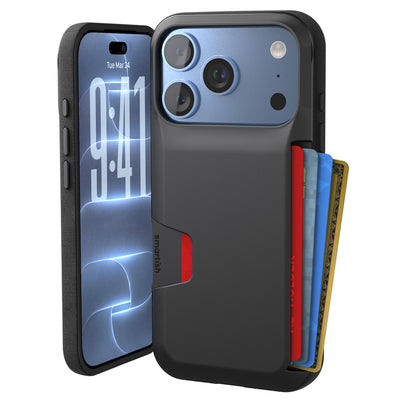
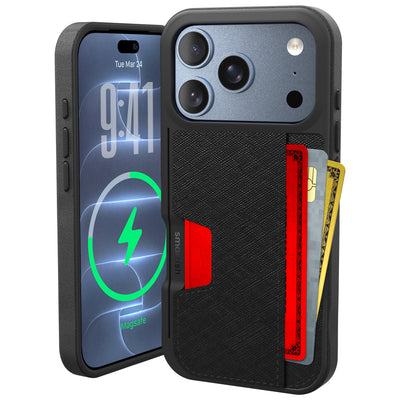
We design accessories for real life, not pristine museum shelves. Our team obsesses over the small frustrations: bubbly applications, misaligned edges, and greasy fingerprints. Protection should fit into your daily routine without adding extra headaches. While you secure your display, you can also simplify your daily carry with the Dancing Queen - Crossbody Wallet Case for iPhone 11 Pro Max, which keeps essentials close with a hands-free crossbody setup.
Tempered Glass vs. Plastic: What's the Real Difference for Your iPhone 17?
Tempered Glass: The Toughest Kid on the Block?
When comparing a tempered glass vs plastic screen protector iPhone 17 defense system, glass stands out for scratch resistance and a natural feel. Tempered sheets go through thermal treatment, creating a hard barrier that feels close to the original display. This material often takes the hit first by cracking so your actual screen has a better chance of staying intact. It also holds up well against keys, coins, and other everyday pocket hazards, keeping your view clear through months of normal use.
Plastic Protectors: Still Kicking for a Reason?
Thin film shields offer a lightweight alternative that will not crack or shatter on impact. These budget-friendly options appeal to people who dislike the added thickness of glass sheets. They do a decent job preventing basic surface scuffs during daily use, but they provide limited drop defense compared with tempered glass. They also tend to show wear faster, which can mean more frequent replacements if you want the screen to look clean.
Beyond the Basics: Types of Plastic (PET, TPU, Hydrogel)
Plastic protectors come in a few common flavors, including rigid PET film, rubbery TPU, and self-healing hydrogel. PET offers basic scratch defense but can struggle on curved edges. TPU has more flexibility and can help cushion minor impacts, but it can feel draggy when you swipe. Hydrogel often uses a wet-install process that hugs curves tightly, yet it can feel a bit rubbery under your fingertips. None of these options match the slick glide of polished glass.
The iPhone 17 Curve: How Design Impacts Your Choice
Modern phone displays often include subtle edge curves that complicate flat protector designs. A good tempered glass vs plastic screen protector iPhone 17 decision depends on how well the material fits those bezel edges, especially when pairing it with a clear iPhone 17 case. Cheap glass options can lift at the borders, trapping dust and lint in the adhesive. Flexible films hug contours more easily, and higher-end glass protectors often use 2.5D edges to reduce snagging and improve the fit.
| Feature | Tempered Glass | Plastic Film (TPU/PET) |
|---|---|---|
| Impact Protection | Strong (may crack to take the hit) | Limited (primarily surface scuff protection) |
| Scratch Resistance | High (often marketed as 9H) | Moderate to low |
| Touch Feel | Smooth, close to original glass | Can feel rubbery or draggy |
| Durability | Can chip or crack | Scratches more easily, will not crack |
The Installation Nightmare: Dust, Bubbles, and Your Sanity
Why "Easy Installation" Is Often a Myth
Lots of manufacturers promise effortless application, yet plenty of people end up with crooked alignment and trapped debris. Applying a tempered glass vs plastic screen protector iPhone 17 shield takes patience, static control, and a clean workspace. The slightest breeze can carry a microscopic dust speck onto the adhesive and ruin the alignment. Without guidance tools, placing the protector straight can feel like a stressful gamble.
The Frustrating Reality of Dust and Alignment Woes
Misalignment looks bad and can interfere with protective cases, which can lead to edge lift over time. Once dust gets trapped under the adhesive, removing it without damaging the sticky layer is tough. That frustration causes many people to burn through multiple protectors before getting a result that looks decent. The application process should feel predictable, not like a coin flip.
Expert Tips to Conquer the Bubble Battle (and Avoid Wasting Money)
To get a clean install, focus on dust control and careful alignment:
- Run a hot shower to steam up your bathroom and help settle airborne dust before you start.
- Clean the screen thoroughly with an alcohol prep pad, then dry it with a microfiber cloth.
- Use a sticky dust-removal sticker to lift any remaining specks from the display.
- Align the protector with an alignment frame, then press from the center outward to push air toward the edges.
Smartish's Approach: Making Protector Application Less of a Headache
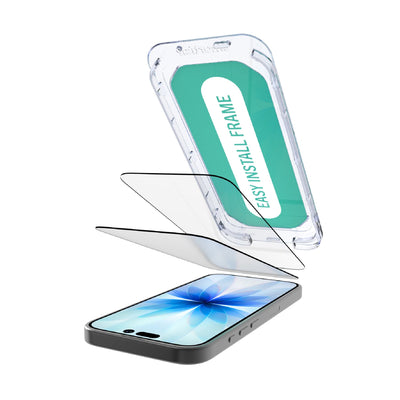
We hate installation disasters as much as you do, so we focus on making the process simpler. Our designs include custom alignment frames that reduce guesswork during placement. By guiding the protector onto the display, you get fewer crooked installs and fewer bubbles. The goal is a clean fit on the first try without the stress.
Beyond Protection: Touch, Feel, and Longevity on Your iPhone 17
Does a Protector Mess with Your Touch?
A thick barrier can reduce touch sensitivity, which can make you tap harder than normal. When choosing a tempered glass vs plastic screen protector iPhone 17 option, glass usually keeps the more familiar responsiveness and glide. Cheap plastic films can add drag, which can make swipes feel sticky. A well-made glass protector should keep taps, swipes, and gestures feeling close to the bare screen.
Clarity Is King: What to Expect Visually
Your screen is meant to look sharp, not hazy. Glass protectors typically preserve clarity and color better than basic films. Some plastic protectors can add a slight haze or a subtle texture that shows up under bright light. If you watch a lot of video, edit photos, or spend time outside, the material choice affects day-to-day comfort more than people expect.
The Myth of the Unscratchable Surface: Micro-Scratches Explained
No protector is immune to wear. Sand can contain quartz, which is hard enough to scratch glass and plastic. Glass tends to resist micro-scratches better than film, but both will show signs of use over time. The good news: replacing a worn protector is usually far cheaper than repairing the actual display underneath.
Oleophobic Coatings: What They Are and How Long They Last
Many protectors include an oleophobic coating to reduce fingerprints and make smudges easier to wipe away. That coating wears down with swiping and pocket friction. Glass protectors often hold that coating longer than plastic films, which can help the screen stay cleaner between wipe-downs. Once it fades, regular cleaning with a microfiber cloth still keeps the display looking good.
Making the Call: Which Screen Protector Wins for YOUR iPhone 17?
The Clumsy Commuter vs. The Careful Curator
If your phone frequently meets sidewalks, train platforms, or parking lots, tempered glass is usually the safer bet. It is built to take hits that might otherwise reach your display. If you mainly worry about minor scuffs from pockets and bags, a film protector can be enough. Most people land in the middle, which is why glass remains the go-to choice for everyday protection.
Gamers, Creators, and Everyone In Between
Mobile gamers and content creators care about glide, touch response, and a clean view. Glass tends to feel smoother for fast gestures and repeated swipes. If you want hands-free carry for commuting or shooting content, the Dancing Queen - Crossbody Wallet Case for iPhone 11 Pro Max keeps your phone close while freeing up your hands.
Budget vs. Value: Why Price Isn't Everything
Plastic films cost less upfront, but they can scratch faster and need replacement more often. A quality glass protector usually lasts longer and feels better day to day. That said, no protector lasts forever, and even glass can crack. Think of it as a sacrificial layer: replacing the protector is a lot easier than paying for a screen repair.
Your Smartish Recommendation: Protection That Just Works
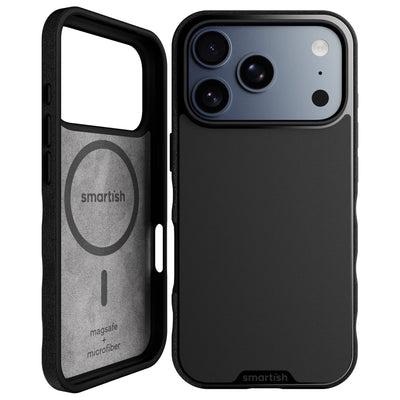
When weighing a tempered glass vs plastic screen protector iPhone 17 purchase, glass is the better pick for most people because of feel, clarity, and everyday durability. Pair it with a slim iPhone 17 case that matches your routine, and you get a setup that is practical, pocket-friendly, and ready for real life.
Frequently Asked Questions
What type of screen protector is best for iPhone 17?
For your iPhone 17, we generally lean towards tempered glass. It offers superior scratch resistance and maintains that smooth, natural feel of your phone's original display. Glass protectors are designed to take the hit, often cracking themselves to help save your actual screen from damage. Plastic films are lighter and won't shatter, but they offer less impact protection.
Are tempered glass or plastic screen protectors better?
When comparing tempered glass vs plastic screen protector iPhone 17 options, tempered glass usually wins for serious protection. It creates a hard barrier that resists scratches from keys and coins, and it's much better at absorbing impact from drops. Plastic films are thinner and more flexible, but they primarily guard against surface scuffs and wear out faster.
Do we need to put tempered glass on iPhone 17?
While 'need' is a strong word, putting tempered glass on your iPhone 17 is a smart decision. It acts as a sacrificial layer, often cracking itself to help keep your actual screen intact during drops. This small addition can save you from a much more expensive screen repair down the road.
Is it worth getting a screen protector for an iPhone 17?
Absolutely, getting a screen protector for your iPhone 17 is a worthwhile investment. Your phone is a daily essential, and a good screen protector helps shield that beautiful display from scratches and impacts. It's a simple way to keep your device looking fresh and avoid costly repairs.
Should you use screen protectors on an iPhone 17?
From our perspective, using a screen protector on your iPhone 17 is a no-brainer. It's about protecting that pristine display from the bumps and scrapes of daily life. Choosing a quality tempered glass option means you get solid defense without sacrificing the natural feel of your phone.