





iPhone 18 Pro Max camera lens protector
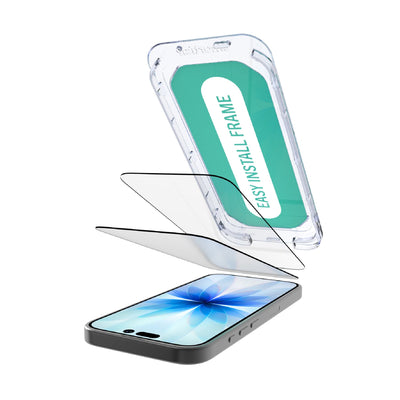
An iPhone 18 Pro Max camera lens protector should take the hit from keys, grit, and the occasional countertop tumble without adding haze or glare to your photos. Look for clear glass, a clean flash opening, and a profile that doesn’t leave the camera more exposed than before.
Key Takeaways
- A tempered glass protector shields the iPhone 18 Pro Max camera array from scratches and drops while preserving full image sharpness.
- A precisely cut flash opening matters because a poorly aligned hole can introduce lens flare and ghosting in low light shots.
- The best protectors sit flush with the camera plateau, so the lenses stay raised and guarded even when the phone rests on a flat surface.
- Strong adhesive is essential because an edge that lifts will trap dust and can detach during an everyday pocket drop.
- Replace any cracked protector right away, since damaged glass scatters light and degrades every photo you take.
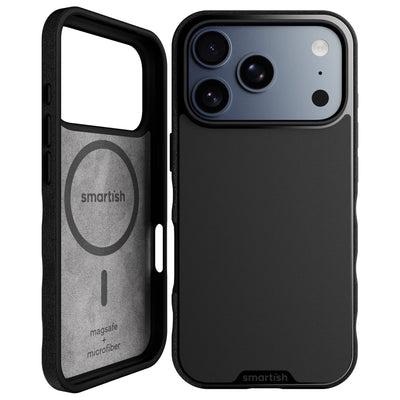
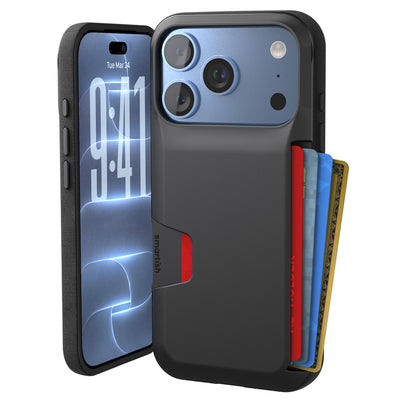
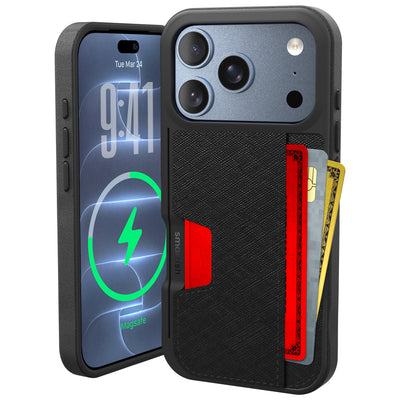
Choose based on your photo habits and case setup, not the loudest packaging claim. A protector can guard against scratches, but poor optical quality or a badly placed edge may affect night shots. A case made for another iPhone model won’t become compatible through wishful thinking: Gripmunk - Slim Case for iPhone 16 Pro is specifically for iPhone 16 Pro, not iPhone 18 Pro Max.
Why Your iPhone 18 Pro Max Camera Needs a Lens Protector (Without Sabotaging Your Photos)
The trade-off between protection and picture quality
Camera protection sits in front of the part of your phone that gathers light, so its material and construction matter. Clear, evenly finished optical glass can help guard against everyday scratches while keeping the camera’s view unobstructed. Poorly fitted glass, residue, or an imprecise opening may scatter light, soften a photo, or add reflections. Look for a model-specific fit, clean edges, and unobstructed openings for each lens and the flash. The goal is protection you don’t notice in the viewfinder.
What happens when you skip a lens protector
Without an added protector, the camera glass meets whatever reaches the raised camera area first. Pocket grit can rub against it, keys can leave scratches, and a drop onto a hard surface can put the camera area at risk. A case with a raised camera lip may reduce direct contact on a flat table, but it can’t prevent every angled impact or scratch from debris pressed against the camera. Protection is a trade-off, not a force field, so choose an arrangement that suits how you carry and use your phone.
How a good protector avoids night-mode glare and flash washout
Night mode and flash make stray reflections easier to spot. A protector that sits unevenly, has messy adhesive near the lens openings, or leaves a reflective border in the camera’s path can produce ghosting, halos, or a washed-out flash image. Check that adhesive stays away from the optical openings and the flash has a clear path. After installation, test a bright point of light in a dim room and take a flash photo of a nearby subject. If you see a new halo or haze, inspect for fingerprints, dust, or edge lift.
Individual Lens Rings vs. Full Glass Shields: Which One Keeps Your Photos Crisp?
Individual rings cover lens areas separately; a full shield spans the camera cluster under one piece of glass. Neither style guarantees better photos by itself. Optical clarity, alignment, flash clearance, and how the protector sits against the camera area all affect the result. Use the comparison below to narrow the choice, then check dimensions and case-fit details for the exact phone model.
| Feature | Individual lens rings | Full glass shield |
|---|---|---|
| Coverage | Separate protection around each lens | One panel covers the camera cluster |
| Optical path | Less glass across the camera area, but each ring must align correctly | More surface area to keep clean and free of reflections |
| Flash clearance | Individual openings can leave the flash unobstructed when precisely placed | Needs a well-shaped flash cutout to prevent haze or light scatter |
| Physical profile | Low-profile aluminum alloy options may sit close to the camera surface | Glass can add a broader raised surface over the camera cluster |
Optical clarity and anti-reflective coatings compared
With either style, clear optical material and careful alignment matter more than a dramatic label. An anti-reflective coating may help limit reflections, but check that it covers the viewing area and that the protector doesn’t introduce visible color shifts or softness. Rings leave more of the camera area uncovered; a full shield adds a continuous surface that can collect fingerprints across the cluster. Keep either option clean, since a greasy smudge can turn a crisp light source into a fuzzy blob.
Flash ring design: how each style handles night flash
For flash photography, inspect the openings rather than assuming a cutout is correctly placed. Individual rings need to avoid crowding the flash; a full shield needs a clear, accurately shaped opening. Misalignment, adhesive near the flash, and reflective edges can contribute to haze or light spill. If you take frequent night photos, choose the design with the least obstruction around the flash and verify it with a test shot after installation.
Durability: tempered glass vs. aluminum alloy rims
Tempered glass shields the covered surface from scratches and direct contact, but a protruding edge can take the brunt of an impact and crack. Aluminum alloy rings protect around each lens with less material across the camera cluster, though coverage is limited to the areas they surround. A “9H” label refers to a surface hardness rating; it does not mean a protector can’t chip or break. Thickness, edge exposure, installation, and impact angle all affect how it holds up in everyday use.
Which style works best with raised camera lips
A raised case lip can help keep a protector from contacting a flat surface, but only if the protector doesn’t sit higher than the lip. Rings may fit some low-clearance setups better; a full shield may provide broader coverage where the case leaves room. Check the protector’s profile against the case’s raised edge before ordering. A Gripmunk - Slim Case for iPhone 16 Pro is not a fit recommendation for iPhone 18 Pro Max. Match the case and protector to the exact phone model, because camera layouts and clearances vary.
The Case Compatibility Reality Check: Will Your Lens Protector Fit?
A protector can be well made and still fit poorly if it sits higher than your case’s camera rim. In a pocket drop or countertop landing, that exposed edge may strike first, chip, or lift. Repeated cracking can signal a clearance problem, not just bad luck. Check compatibility for the exact iPhone model and case, since camera layouts and raised edges vary. A listing that says “case-friendly” is a starting point, not proof that the protector and case leave enough room for each other.
Why some lens protectors protrude and shatter immediately
Stacking thickness is the usual culprit: the camera plateau, protector, and case lip compete for the same space. If the protector stands above the case edge, a flat surface or angled impact can hit it directly. Adhesive that fails to sit flush may leave a raised perimeter where pocket lint can gather and the edge can catch. Low-clearance individual aluminum alloy lens rings can have profiles up to 0.3 mm thick, according to the research cited for this guide. Even a slim part needs to fit the camera layout and case opening.
Measuring the camera plateau lip: what to look for
Compare the protector’s installed height with the case’s raised camera rim, not just its listed thickness. Use a precise ruler or caliper to check how far the camera plateau rises from the phone’s back, then compare that measurement with the case lip and protector profile. Product dimensions may not include adhesive, so treat them as a guide. Look for a small margin that keeps the protector below the case edge, and confirm that the case opening does not press against its perimeter.
Matching lens protectors with raised-bezel phone cases
A raised bezel helps only when it sits higher than the installed protector and leaves enough width around the camera cluster. Check for a model-specific fit, a centered opening, and room for the protector’s edges without pinching or lifting them. If the case already has a protective camera lip, a separate cover may add little benefit while creating a tighter fit. Smartish’s Gripmunk - Slim Case for iPhone 16 Pro is made for iPhone 16 Pro, so it is not compatible with iPhone 18 Pro Max.
A quick checklist to avoid a bad fit
- Confirm the protector and case both name your exact iPhone model.
- Compare installed protector height with the case’s raised camera rim.
- Check that the case opening clears every edge without pressing on the protector.
- Look for a flush adhesive fit, with no lifted edges or trapped lint.
- After fitting, set the phone on a clean, flat surface and check whether the case rim, not the protector, makes contact.
How to Install and Remove a Camera Lens Protector Without Cracking or Scratching
Installing an iPhone 18 Pro Max camera lens protector is mostly a dust-control job. A speck trapped under the glass can show up in photos, while a crooked edge can collect lint or start lifting. Work over a clean, well-lit surface, and check that the protector is made for your exact phone model before opening the package. The Gripmunk - Slim Case for iPhone 16 Pro is designed for iPhone 16 Pro, not iPhone 18 Pro Max, so don’t use it as a fit reference for this installation.
Step-by-step bubble-free installation
- Wash and dry your hands. Set the phone on a stable, clean surface, away from fans or open windows.
- Remove the case, then clean the camera area with the supplied wipe. Use a dry microfiber cloth to remove residue, followed by a dust-removal sticker for remaining particles.
- Hold the protector by its edges. Align its openings with the lenses and flash before letting the adhesive touch the phone.
- Lower it gently from one side, then press the center and smooth outward. Avoid pushing hard on the lenses.
- Check the edges for trapped dust or lifting. Take a photo with flash and test a bright light in a dim room to spot haze, glare, or misalignment.
Safe removal technique, even for stubborn cracked protectors
Remove a damaged cover slowly, without using a knife, metal pick, or other sharp tool near the camera glass. If the protector is cracked, place a small piece of tape over it to help contain loose fragments. Use a fingernail or plastic tool to gently lift an outer edge, then peel back at a low angle. Don’t pry against the camera plateau or force a piece that resists. Stop if fragments shift toward the lenses, and seek professional repair help rather than risking scratches to the underlying glass. Clean away adhesive with a microfiber cloth; avoid abrasive materials and liquids that could enter openings.
Common installation mistakes and how to fix them
Dust beneath the glass usually means the protector needs to come off so the surface can be cleaned again. Edge lift can point to residue, misalignment, or a case pressing against the protector. Remove the case and check whether the edge settles; don’t repeatedly press a protector that remains raised. If photos show a new halo or flash haze, inspect for fingerprints, adhesive near an opening, or a shifted protector. Reposition only if the instructions allow it. A Gripmunk - Slim Case for iPhone 16 Pro is not compatible with iPhone 18 Pro Max, so select a case listed for the exact model instead.
Frequently Asked Questions About iPhone 18 Pro Max Lens Protectors
Do lens protectors ruin picture quality or cause lens flare?
A well-aligned protector with clear optical material may have little visible effect. Smudges, trapped dust, poor alignment, or reflective edges can introduce softness, glare, or ghosting, especially around bright lights. Compare photos before and after installation, including a night shot.
Why do cheap protectors crack so easily?
A protector can crack when an exposed edge takes a direct hit, particularly if it sits above the case rim. Thin material, uneven adhesive, or a poor fit can also leave edges vulnerable. A crack doesn’t automatically mean the camera underneath is damaged.
Can a lens protector cause the flash to look hazy?
Yes. A blocked or misaligned flash opening, adhesive near the flash, fingerprints, or reflective edges can scatter light and create haze. Clean the surface and check alignment; if the effect remains, remove the protector and retest.
Is a lens protector necessary if my case has a raised camera lip?
Not always. A raised lip can help prevent contact with flat surfaces, while a separate protector adds another barrier against scratches and impacts. Choose based on your risk tolerance and confirm the added layer sits below the case rim, rather than sticking out to take the first hit.
Frequently Asked Questions
Is it recommended to put a camera lens protector on an iPhone?
An iPhone camera lens protector is a reasonable choice if you want an extra layer against scratches from grit, keys, and everyday contact. Choose a clear, precisely fitted protector with unobstructed lens and flash openings, then check photo quality after installation.
Is an iPhone 18 Pro Max camera lens protector worth getting?
An iPhone 18 Pro Max camera lens protector may be worth getting if your phone often shares a pocket with keys or faces rough surfaces. A raised case lip can also help limit contact on flat surfaces, but neither option guarantees protection from every impact.
What is the best iPhone 18 Pro Max camera lens protector?
The best iPhone 18 Pro Max camera lens protector is one made for that exact model, with clear optical material, accurate alignment, and a clean opening for the flash. Compare individual lens rings with a full glass shield based on coverage, case clearance, and your photo habits.
Do iPhone 17 Pro Max camera lens protectors fit the iPhone 18 Pro Max?
An iPhone 17 Pro Max camera lens protector should not be assumed to fit the iPhone 18 Pro Max. Camera layouts and clearances can vary, so check that the protector is specifically listed for your phone model before buying.
What are the downsides of using a camera lens protector?
A camera lens protector can add glare, haze, or softer-looking photos if its glass, alignment, adhesive, or flash opening is poor. The surface can also collect fingerprints, and exposed or raised edges may chip or lift, so inspect the fit and test night and flash photos after installation.
How can I tell if a camera lens protector is affecting my photos?
A camera lens protector may be affecting photos if new halos, reflections, haze, or flash washout appear after installation. Clean the protector, check for dust or lifted edges, then test a bright light in a dim room and take a flash photo of a nearby subject.