





iPhone 18 Pro camera lens protector
The short answer: most people can skip an iPhone 18 Pro camera lens protector if they use a case with a raised camera edge and don’t toss their phone into a pocket with keys. If your phone spends time on rough surfaces, in crowded bags, or with a butterfingers (no judgment), a protector can add a replaceable layer against everyday scrapes.
Key Takeaways
- Many iPhone 18 Pro owners can rely on a case with a raised camera edge instead of adding a lens protector.
- A protector makes the most sense for phones that face rough surfaces, crowded bags, or frequent drops.
- Keeping keys and other hard objects away from the camera bump in your pocket reduces the need for extra protection.
- Lens protectors act as a replaceable barrier, so damage hits the cheap layer rather than the actual glass.
That extra layer isn’t automatically an upgrade. Fit, glare, flash behavior, and case clearance matter more than a dramatic package claim. Here’s how to decide whether one suits your habits.
Do You Actually Need a Camera Lens Protector for the iPhone 18 Pro?
You probably don’t need one if a well-fitting case lifts the camera off flat surfaces and you handle your phone with ordinary care. Consider a protector if your phone regularly meets grit, hard edges, or rough work gear. It’s a practical buffer, not a promise that your camera can survive anything.
The iPhone 18 Pro's camera plateau rests flat, and that's the problem
The iPhone 18 Pro’s camera plateau can rest against a tabletop when the phone is set down. Dust, crumbs, and grit trapped between the phone and a hard surface can rub against the camera area. A clean desk is one thing; a sandy beach towel or a bag with loose hardware is another.
When a protector earns its spot, and when it doesn't
Choose a protector if your phone lives in a tool bag, gets used outdoors, or shares a pocket with keys. Skip it if you use a case with a raised camera rim, keep the phone in a dedicated pocket, and accept a small risk. A raised case can keep the camera from rubbing on a table, but it can’t shield the glass from every direct scrape or impact.
Lens protector vs. camera module repair: the math is lopsided
These are broad cost ranges, not a repair quote or a guarantee against damage. Think of a protector as inexpensive, replaceable insurance against everyday scuffs, not a force field for a phone that takes a hard drop.
How We Picked: What a Good Lens Protector Has to Get Right
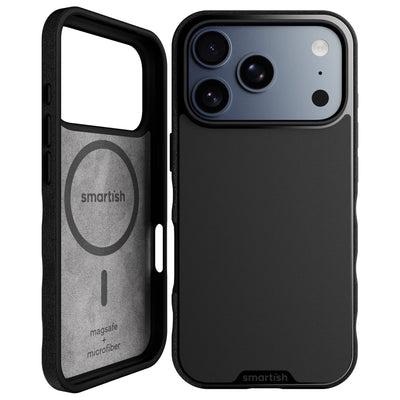
A useful iPhone 18 Pro camera lens protector must protect without causing new problems. We prioritize verified model fit, clear photos, sensible flash clearance, and room for a compatible case. Smartish makes cases with raised camera edges, so we check whether a protector sits inside that border without crowding it.
Tempered glass and the 9H hardness rating, in plain English
Most tempered-glass camera protectors advertise a 9H hardness rating. Treat it as a scratch-resistance label, not proof the glass is unbreakable or prevents every crack. Look for tempered glass with a smooth finish that covers the intended camera area without interfering with the lenses.
Exact fit for the iPhone 18 Pro and Pro Max camera layout
Check the product listing for the exact phone model. The iPhone 18 Pro and iPhone 18 Pro Max have distinct model names, and a listing that says only “iPhone 18 series” may not confirm which camera layout it fits. Don’t assume a protector for an older generation fits just because the phones look similar.
Clarity, flash, and Night mode: passing the photo test
A clear protector should preserve normal-looking images, but added glass can cause reflections, haze, or unwanted flash light. Look for a design that leaves lens openings unobstructed, then check daytime shots and low-light photos with flash both on and off. A protector that looks invisible on the phone can still appear in a night photo.
Working with cases and MagSafe accessories
Confirm that the protector fits beneath your case’s camera opening without pressing against its edges. A tight case can lift or shift a protector when snapped on. MagSafe accessories attach at the back of the phone, so check that your case and charging setup work as intended rather than assuming every pairing will.
Gripmunk - Slim Case for iPhone 16 Pro is made for the iPhone 16 Pro, not the iPhone 18 Pro. It illustrates model-fit rules, not cross-generation compatibility. Don’t use it as an iPhone 18 Pro case; verify the exact model on any case or camera accessory before ordering.
Our Top Picks: Best iPhone 18 Pro Camera Lens Protectors
The best iPhone 18 Pro camera lens protector depends on whether your phone stays on a clean desk, rides in a crowded bag, or encounters grit and hard edges. Our top pick is a ring-style tempered-glass design, which protects around each lens without adding one broad plate over the camera area. Alternatives offer wider coverage or a lower replacement cost.
Before ordering, confirm that the listing names the iPhone 18 Pro specifically. A similar-looking camera layout does not guarantee compatibility. Check your case’s camera opening for clearance, since a snug fit can push an accessory out of place. The Gripmunk - Slim Case for iPhone 16 Pro is designed for iPhone 16 Pro, not iPhone 18 Pro, so it is not a case recommendation for this phone.
| Pick | Coverage style | Best fit | Trade-off to consider |
|---|---|---|---|
| Smartish Lens Armor | Tempered-glass rings around individual lenses | Everyday protection with separate lens openings | Confirm exact-model fit and case clearance |
| Full-coverage tempered glass protector | One plate across the camera area | Phones exposed to rough bags, work gear, or frequent handling | More glass over the camera area can mean more opportunity for reflections |
| Budget multi-pack ring protectors | Individual glass rings, often sold as replacements | People who want a lower-cost spare on hand | Check alignment aids, adhesive coverage, and included quantity |
Smartish Lens Armor (Tempered Glass, Ring-Style) - Best Overall
Best for: iPhone 18 Pro owners who want a replaceable buffer around each lens without covering the camera area with one large sheet. Smartish Lens Armor uses separate openings, while tempered glass provides a sacrificial surface for everyday scuffs. It can still affect reflections or flash behavior, so check photos in bright light and at night after installation.
Pair it only with a case and protector listing that confirms iPhone 18 Pro compatibility. Smartish designs cases with raised camera edges, but that does not make another generation’s case interchangeable. The Gripmunk - Slim Case for iPhone 16 Pro fits its named model only and should not be treated as an iPhone 18 Pro option.
Full-Coverage Tempered Glass Protector - Best for Scrappy Lifestyles
Best for: people whose phones regularly travel through tool bags, crowded backpacks, or other rough surroundings. A full-coverage plate shields more of the camera plateau than separate rings, suiting those who value broad surface coverage over less glass around the lenses. Some brands advertise impact-protection claims for this style; read the exact product terms rather than treating a package number as a guarantee against damage.
Pros
- Covers more of the camera area than ring-style options.
- Tempered glass offers a replaceable surface over the plateau.
Cons
- More glass across the camera area may increase the chance of glare or flash reflections.
- Case clearance and exact camera-layout fit still need checking.
Budget Multi-Pack Ring Protectors - Best Value
Best for: careful shoppers who want spare rings if one gets scratched or cracked. Many quality protectors come in two- or three-piece packs because the glass is meant to be replaced. This option makes sense if the listing confirms iPhone 18 Pro fit and includes useful alignment guidance. A low price is less appealing if installation traps dust beneath the glass or the rings sit too close to a case edge.
Pros
- Extra pieces provide replacements without another full purchase.
- Individual rings leave openings around the lenses.
Cons
- Included pieces, adhesive, and installation tools vary by listing.
- Compare fit details, not just the number of protectors in the box.
Ring vs. Full Coverage: Which Style Fits How You Use Your iPhone 18 Pro?
Choose what you want to shield: the glass around each lens or more of the camera plateau. Ring-style protectors have separate openings; full-coverage plates put one sheet over a broader area. Check for exact iPhone 18 Pro fit and space inside your case’s camera cutout. The Gripmunk - Slim Case for iPhone 16 Pro is made for iPhone 16 Pro only, not this phone. Model names matter more than a familiar-looking camera bump.
Ring-style protectors: precision for photo purists
Separate rings leave more of the camera area uncovered, limiting extra glass around the lenses. They suit people concerned about reflections, flash behavior, and keeping the camera area visually simple. The trade-off is narrower coverage: rings protect the lens areas, not the entire plateau. Align each carefully, since a crooked edge can look distracting or crowd the case opening.
Full-coverage plates: maximum plateau armor
A full-coverage plate covers more surface, suiting phones carried in crowded bags or around rough gear. Placing one broad sheet may also be easier than aligning several small rings. More glass can create extra reflections, so check photos with flash and in low light after installation. Broad coverage helps only if the plate fits the exact camera layout and clears your case.
Pros and cons at a glance
Ring-style
- Leaves more of the camera plateau exposed.
- Provides individual lens openings for a focused fit.
Full coverage
- Shields a wider area of the camera plateau.
- More glass may mean added reflection risk.
Choose rings if photo clarity and minimal added coverage are priorities. Choose a plate if broader surface coverage matters more. Either style needs a compatible case opening, clean installation, and a photo check afterward.
How to Install a Lens Protector Without Bubbles (And What to Do When One Cracks)
Installation trouble often comes from dust, rushed alignment, or case pressure. Work in a clean, well-lit spot and follow the kit’s instructions. Test the case fit after the glass has settled. Smartish builds cases with raised camera edges, but that does not make every case compatible with every protector. The Gripmunk - Slim Case for iPhone 16 Pro fits its named model, not iPhone 18 Pro.
Step-by-step: dust-free, bubble-free installation
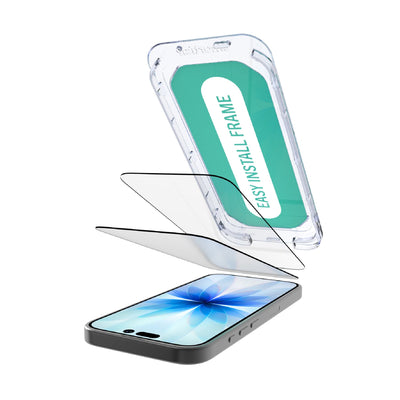
- Wash and dry your hands, then clean the camera area with the kit’s wipe.
- Use the dust-removal sticker to lift specks, especially around lens edges.
- Line up the protector with the camera openings before letting the adhesive touch down.
- Lower it gently from one side, then press from the center outward to move trapped air toward the edges.
- Check for dust, lifted corners, and clear lens openings before putting the case on.
An air bubble may press out toward an edge. A tiny dark spot usually means dust is trapped underneath; lifting and resetting the protector may help, but repeated attempts can weaken the adhesive. Take care during the first installation.
Why your case matters: raised camera rings and protector clearance
A raised camera rim helps keep the camera area from rubbing on flat surfaces, while a protector adds a layer over the glass. They need room to fit together. If the case edge touches the protector, it can lift a corner, shift the glass, or create a gap where lint collects. Snap the case on gently and inspect the edges. If the protector moves or lifts, remove the pressure instead of forcing the fit.
Removing and replacing a cracked protector
How should you remove a cracked piece? Take off the case, then gently lift an edge with a fingernail or plastic tool. Avoid metal tools and pressure on the camera glass. Clear adhesive residue with a suitable cleaning wipe before applying a replacement. If the camera itself looks damaged, stop and have the phone inspected.
Can a protector affect photos? It can add glare or affect flash results, especially if misaligned or dirty. After replacement, take bright-light and low-light photos, with and without flash. If images show haze or unusual reflections, reseat or replace the protector before blaming the camera.
Frequently Asked Questions
Is it recommended to put a camera lens protector on an iPhone 18 Pro?
Most iPhone 18 Pro owners can skip a camera lens protector if they use a case with a raised camera edge and avoid pockets with keys. A protector makes sense if your phone regularly meets grit, rough surfaces, or hard edges in bags or work gear.
What are the downsides of using a camera lens protector?
A camera lens protector can introduce reflections, haze, or unwanted flash light in photos, especially in Night mode shots. Fit issues matter too: a protector that crowds your case's camera opening can shift or lift, and added glass over the camera area can affect image quality.
Do iPhone 18 Pro camera lenses need protectors if the camera plateau rests flat?
The iPhone 18 Pro's camera plateau can rest directly against tabletops, which means dust and grit can rub against the camera area. A case with a raised camera rim usually solves this, but a protector adds a replaceable buffer if your phone sits on sandy or gritty surfaces often.
Is a lens protector cheaper than repairing an iPhone 18 Pro camera module?
Yes, the math strongly favors a protector. Think of it as inexpensive, replaceable insurance, not a guarantee against hard drops.
What is the best camera lens protector for the iPhone 18 Pro?
A ring-style tempered glass design is a strong choice because it protects around each lens without adding one broad plate over the camera area. Full-coverage protectors suit phones in rough bags or work gear, though more glass can mean more opportunity for reflections. Budget multi-packs work well as low-cost spares.
What does the 9H hardness rating on a lens protector actually mean?
The 9H rating is a scratch-resistance label on most tempered glass protectors, not proof that the glass is unbreakable. A 9H protector offers a sacrificial surface for everyday scuffs, but it will not prevent every crack or survive every impact.
How do I make sure a lens protector fits my iPhone 18 Pro and case?
Check that the product listing names the iPhone 18 Pro specifically, since a listing that says only 'iPhone 18 series' may not confirm the camera layout. Also confirm the protector sits inside your case's camera border without crowding it, because a snug case can push the protector out of place.